I once ate a single strawberry in the dead of Japanese winter that ruined all other strawberries for me. It was in a small town in Tochigi Prefecture, a place famous for them, and it wasn’t some genetically engineered behemoth. It was a modest, perfectly conical gem, ruby-red all the way to its leafy crown. The flavor was explosive—an intense, complex sweetness with a floral aroma that felt less like a fruit and more like an essence. It tasted, for lack of a better word, alive. That strawberry was my first real lesson in one of the most fundamental, yet often unspoken, principles of Japanese cuisine: shun (旬).
If you ask a Japanese person what shun means, they might tell you it’s when a food is “in season.” But that’s like saying a symphony is just “some notes.” The English translation is a pale sketch of a vibrant, deeply ingrained cultural concept. Shun is the exact, fleeting peak of an ingredient’s life. It’s the moment when a fish has the perfect amount of fat before spawning, when a bamboo shoot is at its most tender, when a tomato is bursting with the sun’s energy. It’s a convergence of optimal flavor, peak nutrition, and peak life force. In a culture that has, for centuries, built its philosophies around the cycles of nature, eating shun is more than a culinary choice; it’s a way of aligning yourself with the rhythm of the world.
This stands in stark contrast to the modern supermarket ethos, where we’ve conquered seasonality with global logistics and greenhouses. We can have asparagus in November and oranges in May. We’ve gained convenience, but we’ve lost the plot. The Japanese concept of shun offers a different path—one that finds luxury not in year-round availability, but in the delicious, temporary perfection of the present moment. It’s a philosophy served on a plate, and once you learn to recognize it, you’ll unlock a deeper, more authentic way to experience the food culture of Japan.
Embracing shun can also open your eyes to the charm of Japan’s home izakaya culture, where seasonal ingredients transform everyday spaces into intimate havens for culinary delight.
The Philosophy Behind the Flavor: More than Just a Calendar

To truly grasp shun, you need to understand that it goes beyond simply what tastes best. It is a concept intertwined with Japanese spirituality, traditional medicine, and aesthetics. It represents the “why” behind the “what,” turning an ordinary meal into a meaningful ritual.
At its foundation, the respect for seasonality is deeply connected to Japan’s native Shinto beliefs. Shintoism isn’t a religion centered on grand texts or prophets; rather, it is a faith grounded in the sacredness of nature. Gods, or kami, are thought to dwell in everything—mountains, rivers, ancient trees, and indeed, the food that comes from the land and sea. Harvesting and consuming an ingredient at its peak, when it holds the greatest vitality, is a way to honor those kami and share in their life force. It is an expression of gratitude, acknowledging one’s role within a larger, sacred cycle. The first bonito caught in spring (hatsu-gatsuo) or the initial harvest of new rice in autumn (shinmai) are not merely culinary occasions; they are celebrations that reaffirm a connection to the divine.
This spiritual reverence aligns with a practical focus on health, strongly influenced by traditional Chinese medicine. The core idea is that humans should live in harmony with their surroundings, and diet plays a key role in achieving this balance. Seasonal foods are thought to deliver precisely what the body needs to meet the demands of each season. Summer vegetables such as cucumbers and eggplants are rich in water and offer a cooling effect, vital for enduring Japan’s famously hot and humid summers. In contrast, winter root vegetables like daikon and burdock are hearty and warming, supplying the energy necessary to withstand the cold. The bitter flavors of spring’s first wild mountain vegetables are believed to gently detoxify the body and awaken it from winter’s lethargy. From this perspective, shun serves as nature’s remedy for well-being.
Lastly, shun expresses a profound aspect of Japanese aesthetics: mono no aware, a tender, appreciative sadness for the fleeting nature of things. It is the same feeling behind the national pastime of cherry blossom viewing. The blossoms are beautiful not only for their appearance but also because their beauty is so brief. Their inevitable fall enhances the appreciation of their peak. Shun is the culinary parallel. The perfect white peach is a marvel of flavor, yet its season lasts only a few weeks. The fragrant matsutake mushroom emerges for a brief autumn window before disappearing. This impermanence makes the experience all the more precious. You cannot enjoy it whenever you please. You must wait, anticipate, and savor it when it arrives, aware that it will soon be gone. It imparts a lesson in mindfulness, encouraging presence in a perfect, transient moment.
Reading the Seasons: A Year in Shun
Grasping the philosophy is one thing, but experiencing it through taste is quite another. Traditionally, the Japanese calendar is divided into 24 micro-seasons, and the culinary world reflects this, with ingredients subtly shifting every couple of weeks. For travelers, getting to know the major seasonal highlights is like receiving a treasure map to the nation’s finest flavors. The menu is always changing, narrating the story of the season.
Spring (Haru – 春): The Bitter Awakening
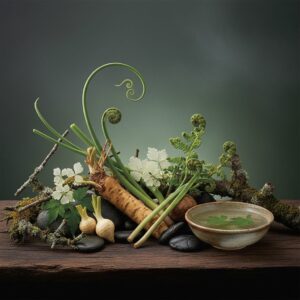
Spring in Japan is a season of vigorous, almost fierce emergence. As the snow retreats, the dormant energy of the mountains bursts forth in the form of sansai, or wild mountain vegetables. These aren’t gentle, cultivated greens; varieties such as fukinoto (butterbur scapes), tara no me (angelica tree shoots), and warabi (bracken fern) feature a distinctive, sophisticated bitterness. This bitterness, called nigami, is highly prized as a natural purifier that helps cleanse the body from the heavy fats and starches of winter, essentially waking your system for the year ahead. Often, they are enjoyed as tempura, where the light, crispy batter perfectly balances their bold flavor.
No spring ingredient is more eagerly awaited than the takenoko, or bamboo shoot. Harvesting it is a race against time; a shoot can grow several feet in just one day and must be dug up at the exact moment before its flesh turns tough and bitter. A fresh, young takenoko is sweet, tender, and earthy. The classic dish is takenoko gohan, finely chopped bamboo cooked with rice in a light dashi broth, its delicate flavor infusing every grain. It’s the taste of the earth awakening anew.
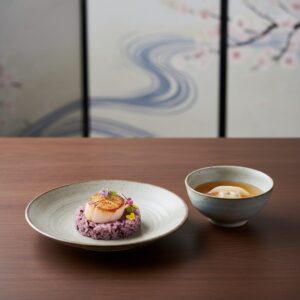
From the sea, spring offers clams like asari, which families often harvest themselves during low tide in an activity called shiohigari. These clams are typically used in clear soups or steamed in sake. And of course, spring is synonymous with sakura. While the blossoms are admired visually, their essence is also captured in food. Salt-pickled cherry blossoms are steeped in tea, and their leaves are used to wrap sakura mochi, a sweet pink rice cake filled with red bean paste. It’s a way to savor the season’s most iconic sight.
Summer (Natsu – 夏): Cooling the Fire
Japanese summer is a trial by fire—or more accurately, by water. The heat and humidity can become stifling, and the cuisine adapts brilliantly to provide relief and refreshment. Summer features crisp textures, high water content, and clean flavors. The garden’s stars are eggplant (nasu), cucumber (kyuri), and tomato. These are often eaten raw or lightly pickled, offering a cooling crunch. A simple dish of chilled, sliced tomato with a pinch of salt is a common and surprisingly rejuvenating summer delight. Edamame, freshly boiled and salted, is the quintessential companion to a cold beer on a warm evening.
When the heat becomes almost unbearable, Japanese diners turn to cold noodles. A bowl of chilled zaru soba (buckwheat noodles) with a soy-based dipping sauce epitomizes summer elegance. Even more refreshing are somen noodles, thin white wheat noodles often served over ice. In a playful summer custom called nagashi-somen, the noodles flow down a long bamboo chute filled with cold water, and diners catch them with chopsticks as they slide by.
Fruit plays a vital role. Watermelon (suika) is everywhere, sold in giant spheres or convenient pre-cut wedges. It’s more than a dessert; it serves as a tool for rehydration. Peaches (momo), especially the white-fleshed varieties from Yamanashi and Fukushima, are famed for their extraordinary fragrance and juicy sweetness. To combat summer fatigue (natsu-bate), many Japanese turn to unagi, or freshwater eel. Grilled over charcoal and glazed with a sweet soy sauce, this rich, fatty fish is traditionally eaten on a specific midsummer day to provide a vital energy boost.
Autumn (Aki – 秋): The Bounty of Harvest
If any season is made for feasting in Japan, it’s autumn. The oppressive heat fades, the air crispens, and a sense of abundance spreads over the land. The Japanese have a phrase for it: shokuyoku no aki, or “autumn of appetite.” Flavors deepen, becoming richer and more complex.
The undisputed king of autumn fish is sanma, the Pacific saury. Its name is written with the characters for “autumn,” “sword,” and “fish,” a perfect description. This long, silver fish is at its fattiest and most flavorful during fall. The classic preparation is shioyaki—grilled whole over an open flame with just salt. It’s served with grated daikon radish and a wedge of tart sudachi citrus. The key is to eat everything, including the slightly bitter innards, considered the best part by connoisseurs. The aroma of grilling sanma defines a Japanese autumn evening.
From the forests come mushrooms. While many varieties exist, the most revered is the matsutake. This mushroom cannot be cultivated and grows only in specific red pine forests, making it rare and expensive. Its value lies not in taste but in its powerful, spicy, almost mystical aroma. To preserve this scent, it’s prepared as simply as possible—lightly grilled, steamed in an earthenware pot (dobin mushi), or cooked with rice. To be served matsutake is a true luxury.
Autumn is also chestnut (kuri) season, used in savory dishes like kuri gohan (chestnut rice) and many sweets. Sweet potatoes (satsumaimo) are roasted by street vendors in pushcarts, their sweet aroma filling the air. Fruits such as crisp Japanese pears (nashi) and sweet, custardy persimmons (kaki) complete the harvest.
Winter (Fuyu – 冬): Warmth from the Earth and Sea
As the landscape grows stark and cold, Japanese cuisine turns inward, offering warmth, comfort, and nourishment. Winter cooking centers on slow-simmered dishes, hearty root vegetables, and seafood that has thickened with fat to survive the cold waters.
The quintessential winter meal is nabe, or hot pot. This communal dish involves a pot of seasoned broth placed on a portable burner at the table’s center, where diners cook various ingredients together. There are countless regional variations, from miso-based broths to soy milk, filled with napa cabbage, mushrooms, tofu, and seasonal seafood.
The star fish of winter is buri, or yellowtail. As water temperatures drop, the fish accumulates a thick layer of fat, becoming kan-buri (“winter yellowtail”), with a rich, buttery texture that melts in your mouth. It’s exceptional as sashimi or in buri-daikon, a classic simmered dish where the fish’s richness soaks into tender daikon radish. Winter is also prime season for oysters (kaki) and the renowned fugu, or pufferfish, which only specially licensed chefs can prepare.
From the land come root vegetables. Daikon radish, carrots, and gobo (burdock root) are staples in simmered dishes (nimono) and hearty soups like kenchin-jiru. No winter is complete without citrus. This is the season for mikan (satsuma mandarins), small, sweet, and easy to peel. A common, comforting image of a Japanese winter home is a family gathered under a kotatsu (a low, heated table with a blanket), peeling a mountain of mikan while watching television. The fragrant, tart yuzu is also in season, its zest and juice adding a bright, aromatic kick to broths and pickles.
Beyond the Main Course: Shun in Drinks, Sweets, and Presentation

The principle of shun goes well beyond the ingredients of a main dish. It infuses every aspect of Japanese gastronomy, creating a comprehensive sensory celebration of the season.
Take sake, for instance. Although available throughout the year, certain varieties are closely tied to specific seasons. In autumn, you’ll encounter hiyaoroshi, a sake brewed in spring, matured over summer, and released as the weather cools. This aging process softens its flavors, producing a rounder, deeper profile that pairs beautifully with autumn’s hearty dishes. Similarly, craft breweries embrace seasonality by releasing brews made with spring plums, summer yuzu, or autumn chestnuts.
Shun is expressed most exquisitely in wagashi, traditional Japanese sweets. These are more than desserts; they are small, edible works of art that function as a calendar. Their names, shapes, and ingredients shift almost monthly to mirror the natural world. In spring, pale pink sakura mochi wrapped in a pickled cherry leaf appear. Summer brings translucent, jelly-like sweets called kingyoku, resembling cool streams with tiny red bean “carp” suspended inside. Autumn features sweets shaped like maple leaves or made from chestnut paste, while winter sweets evoke snow-covered landscapes. Enjoying wagashi with matcha is like tasting a tiny seasonal poem.
Even the dish presentation, or moritsuke, is shaped by shun. A master chef considers not only the seasonality of the food but also the vessel and garnish. A summer sashimi platter might be presented in a cool glass bowl to evoke freshness. An autumn dish could be garnished with a perfect red maple leaf. A winter soup might be served in a rustic, dark-glazed earthenware pot that retains heat. This meticulous attention ensures the meal is a complete aesthetic experience, a multi-sensory immersion in the present season.
How to Experience Shun as a Traveler
For a visitor, tapping into this seasonal rhythm can feel overwhelming. But you don’t need to be a botanist or a master chef to appreciate shun. You just need to know where to look and what questions to ask.
Your first destination should be a depachika, the expansive, spotless food hall typically located in the basement of a major department store. This is a living museum of Japanese food culture. Stroll through the fruit section, and you’ll see what’s at its peak; if you spot boxes of impeccably wrapped white peaches selling for exorbitant prices, it’s mid-summer. The prepared food counters will showcase bento boxes featuring seasonal ingredients, such as bamboo shoot rice in spring or chestnut rice in autumn. The wagashi counters burst with seasonal colors and shapes. A depachika is a sensory crash course in the current culinary season.
When dining at a restaurant, let the menu guide you. Many places offer a special seasonal menu, often handwritten. Look for the character representing the season (春 for spring, 夏 for summer, 秋 for autumn, 冬 for winter) or the phrase kisetsu gentei (季節限定), meaning “seasonal special.” Don’t hesitate to ask for a recommendation, or osusume. Usually, the chef’s suggestion will highlight the ingredient at its peak shun that day, the dish they take the most pride in serving.
While upscale restaurants are wonderful, some of the best places to experience shun are small, local spots—the neighborhood soba shop, the family-run izakaya. These establishments often have close relationships with their suppliers and craft their menus daily around what looked freshest at the market that morning. Here, you’ll find the simple, honest flavors of the season.
For a complete immersion, consider a kaiseki meal. This is Japan’s answer to haute cuisine—a multi-course dining experience where every dish is a refined and artistic representation of the season. From appetizer to dessert, the entire meal takes you on a journey through the fields, mountains, and seas of that particular time of year. It’s an investment, but the most profound way to grasp the depth and artistry of shun.
Ultimately, eating with the seasons in Japan is an exercise in mindfulness. It’s about noticing the first appearance of firefly squid on a spring menu or the transition from lighter pickles to heartier ones as winter draws near. It’s a mindset that rejects the monotonous abundance of the globalized food system, embracing instead the specific, the local, and the fleeting. By learning to taste the seasons, you’re not just enjoying a better meal—you’re connecting with the very rhythm of the culture and savoring the delicious, ephemeral beauty of the present moment.