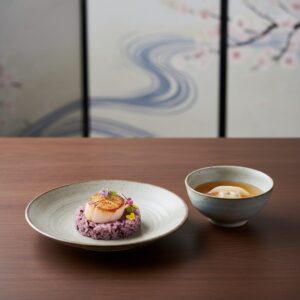
Every culture has its harbingers of spring. For some, it’s the first robin on a patchy lawn or the particular scent of damp earth after a thaw. For others, it’s the day you can finally leave the house without a heavy coat. In Japan, while the visual fanfare of cherry blossoms gets all the international attention, the true, visceral announcement of winter’s end arrives not as a sight, but as a taste: a sharp, clean, and bracing bitterness.
This isn’t the unpleasant bitterness of burnt coffee or medicine. It’s a complex, living flavor, one that speaks of mountain soil and melting snow. It is the taste of sansai (山菜), a broad category of wild, foraged mountain vegetables that emerge for a fleeting period as the landscape awakens. For a few short weeks, these wild greens, shoots, and buds command the attention of chefs and home cooks alike, appearing on menus and dinner tables as a celebrated, almost reverent, marker of the season.
To an outsider, the obsession can be puzzling. We’re often conditioned to favor sweetness, to see bitterness as a flavor to be masked or avoided. Yet in Japan, this challenging taste is sought out, cherished, and hailed as the definitive flavor of spring. Why? The answer reveals something profound about the Japanese palate, its deep relationship with nature’s cycles, and the philosophy that food is not merely for sustenance, but for communion with the season. To understand the cult of sansai is to understand the ritual of taming the wild and the belief that a little bitterness is essential for a balanced life.
As culinary enthusiasts begin to embrace the subtle allure of sansai, exploring how wild mountain vegetables epitomize the season’s transformative bitterness offers an engaging complement to Japan’s unique springtime narrative.
Beyond the Supermarket Shelf: What Exactly is Sansai?
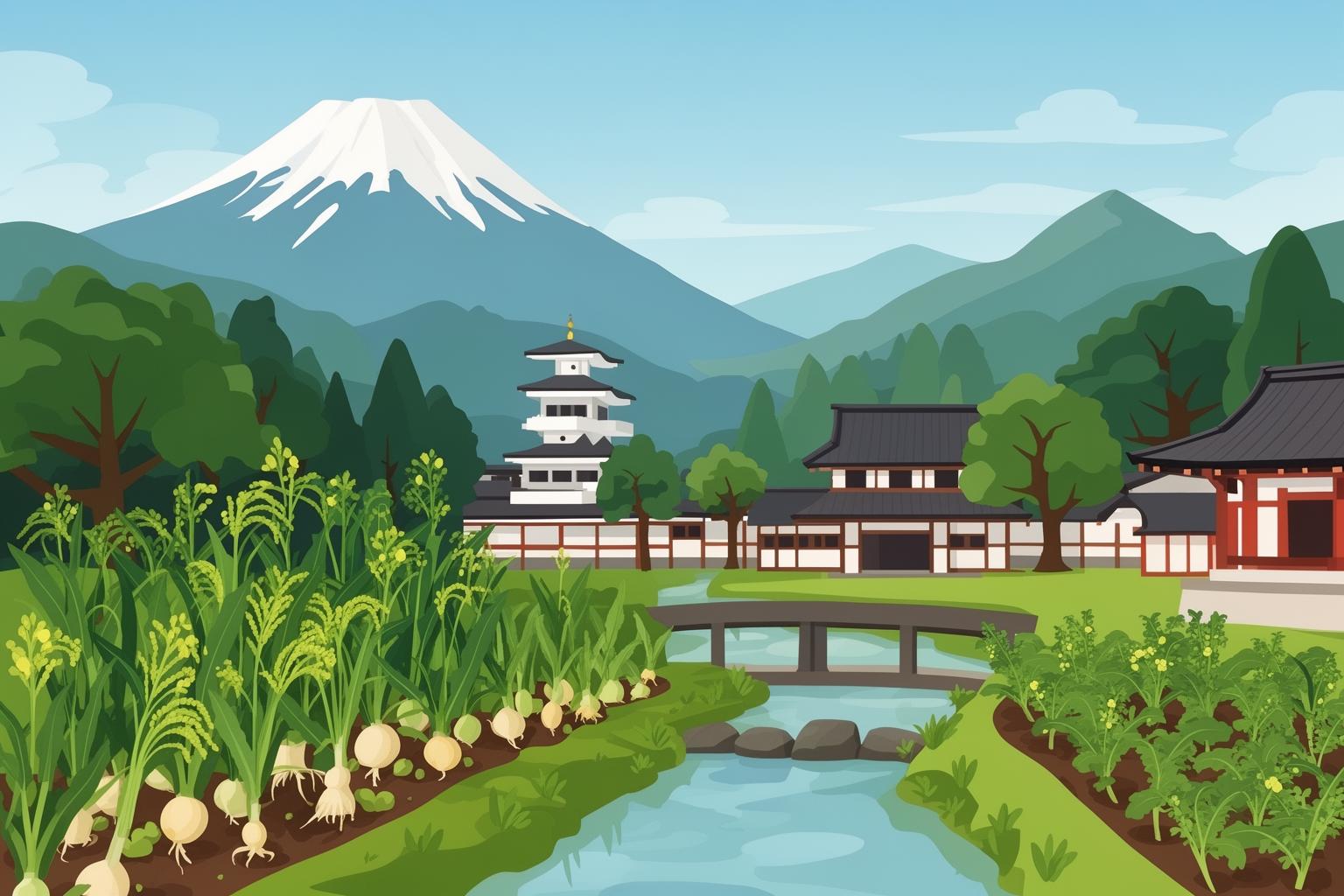
First, let’s clarify what sansai is not. It isn’t carefully cultivated produce grown in neat rows. The term literally means “mountain vegetables,” but a more fitting translation might be “mountain bounty” or “wild edibles.” Sansai encompasses a whole category of uncultivated plants foraged from the hillsides and mountain forests that cover much of the Japanese archipelago. This is nature’s pantry, opening for business only after the snow melts away.
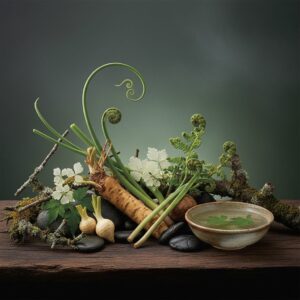
The variety of plants is diverse and intriguing, each with its own distinct character. There’s fukinoto, the pale green, tightly furled bud of the butterbur plant, which pushes through the last patches of snow with almost aggressive energy. It carries an intensely aromatic bitterness, a fragrant jolt to the senses. Then there’s kogomi, the tightly coiled fronds of the ostrich fern, resembling a cluster of bright green croziers or tiny fists. Their flavor is gentler, with a pleasant, slightly viscous texture and an asparagus-like note beneath the bitterness. Taranome, often called the “king of sansai,” are the tender young shoots of the Japanese angelica tree. Plump and prickly, they have a rich, nutty flavor that deepens when cooked, their bitterness balanced by a unique richness.
Other notable varieties include warabi (bracken fern), zenmai (royal fern), and udo (mountain asparagus). Each has its own season, preferred habitat, and distinct flavor profile, ranging from subtly earthy to powerfully astringent. What unites them is their wildness. They are not products of cultivation but gifts from the mountains, offering a direct taste of a particular place at a specific moment in time. This embodies the essence of shun (旬), the Japanese concept of peak seasonality. While you can now buy strawberries in December, you simply cannot find fukinoto in August. Their very existence is tied to the ephemeral, fleeting nature of spring, making their yearly appearance an occasion worth celebrating.
The Ritual of Aku-nuki: Taming the Wild
This wildness, however, comes with a caveat. The very compounds that give sansai their distinctive bitter flavors and potential health benefits also serve as a form of self-defense for the plant. This untamed quality is known as aku (アク). The term is difficult to translate directly into English, encompassing bitterness, astringency, harshness, and even trace toxins. It represents the raw, sometimes dangerous, essence of the wild.
As a result, you can’t simply pick and eat most sansai. Making them not just edible but delicious requires a vital, time-honored process called aku-nuki (アク抜き), which literally means “to remove the aku.” This is not a straightforward rinse-and-chop task; rather, it is a careful, often lengthy ritual that symbolizes a dialogue between the cook and the ingredient. It’s a process of gently coaxing the wildness out of the vegetable while preserving its essential character.
Each type of sansai requires a different aku-nuki method. For warabi, the traditional technique involves burying the fronds in wood ash (a natural alkaline agent) and pouring boiling water over them, allowing them to soak overnight. This neutralizes the harsh compounds and also helps fix their vibrant green color. Other vegetables might need to be parboiled in water with a bit of baking soda or rice bran, or soaked in running water for hours, sometimes even days. The cook must understand the specific needs of each plant, treating it with respect and patience.
This process is key to appreciating the Japanese reverence for sansai. The effort transforms cooking from a simple task into a meaningful ritual. It stands as a testament to a culinary culture that doesn’t shy away from challenging ingredients but instead develops sophisticated techniques to unlock their hidden potential. The aku-nuki process honors the ingredient, acknowledging its wild origins while making it safe and enjoyable for human consumption. The final dish carries the memory of this careful preparation, adding a depth of appreciation that a simple carrot or cucumber could never convey.
An Acquired Taste: Decoding the Appeal of Bitterness

So, after all the effort to reduce the harshness, why is the remaining bitterness so valued? The answer lies at the crossroads of traditional medicine, culinary philosophy, and a palate that favors complexity over straightforward gratification.
From a traditional standpoint, the bitterness of sansai is considered medicinal. Following a long winter of consuming preserved foods, heavy starches, and rich stews, the body is thought to be sluggish. The bitter compounds (polyphenols) in these spring greens are believed to act as a natural cleanse, stimulating the digestive system and purifying the body. It’s like a spring cleaning for your internal organs, providing a gentle boost to get the blood flowing and readying the body for the lighter foods of spring and summer. This concept is deeply rooted in cultural consciousness; eating sansai feels not only delicious but also restorative and fitting.
The Japanese palate, or washoku (Japanese cuisine) in general, is finely attuned to appreciate more than just the five basic tastes. Flavors such as astringency (shibumi 渋み) and bitterness (nigami 苦味) are not seen as flaws. Rather, they are regarded as essential elements that provide depth, contrast, and sophistication. A meal that is solely sweet or savory is viewed as one-dimensional and ultimately unsatisfying. Bitterness serves as a counterbalance, cutting through richness, cleansing the palate between bites, and leaving a clean, lasting finish. Consider the crucial role bitterness plays in a good Negroni, dark chocolate, or strong black coffee. It is a mature flavor, one that adds intrigue and complexity.
This appreciation is nurtured from a young age. Although a child might initially reject it, they learn to associate the bitterness of sansai with the joy of spring, family meals, and the specialness of a seasonal delicacy. It becomes an acquired taste deeply connected to positive cultural and sensory memories. To savor bitterness is to demonstrate a refined and well-rounded palate, capable of appreciating the full spectrum of nature’s gifts.
From Mountain to Plate: How Sansai is Eaten
The goal when cooking sansai is never to entirely erase its character. The preparation techniques aim to soften the sharpest edges of the aku while letting the vegetable’s distinctive aroma, texture, and delicate bitterness come through. This process is a careful balancing act, paying homage to the ingredient itself.
Perhaps the most widely adored preparation is tempura. A light, crisp, and lacy batter provides an ideal textural contrast to the tender, earthy vegetable inside. The quick, high-heat frying process softens the bitterness and enhances the vegetable’s natural sweetness and fragrance. A plate of assorted sansai tempura—highlighting the floral notes of fukinoto and the rich nuttiness of taranome—is a quintessential spring treat, often accompanied by just a pinch of salt to allow the ingredients to shine.
For a purer expression, there is ohitashi. After blanching and removing aku, the vegetables are soaked in a chilled, light broth made of dashi, soy sauce, and mirin. This simple preparation accentuates the clean, vibrant flavors and textures of the greens, with the umami of the dashi providing a gentle, savory backdrop to the refined bitterness. It offers an elegant and subtle way to savor the essence of this mountain vegetable.
Aemono, or dressed dishes, provide another way to explore flavors. Sansai can be combined with various dressings that enhance their taste. A classic option is a sesame dressing (goma-ae), where the nutty richness of ground sesame paste balances the bitterness. Others include a creamy, savory dressing made from mashed tofu (shira-ae), or a tangy dressing with miso and vinegar (sumiso-ae). These preparations embody harmony, creating a perfect synergy between the wild greens and their culinary partners.
Lastly, sansai often appears in noodle dishes and rice. Sprinkled over a hot bowl of soba or udon, they bring seasonal freshness and a pleasant bitter contrast to the savory broth. When cooked with rice in a dish called takikomi gohan, sansai infuse each grain with their subtle, earthy aroma, producing a dish that unmistakably evokes the flavors and scents of spring.
More Than a Meal: Sansai as a Cultural Thermometer
The importance of sansai goes well beyond the kitchen. It serves as a powerful cultural emblem, bridging modern Japanese society with its natural surroundings and pre-industrial heritage. In an era of extreme convenience and global supply chains, sansai stands as a strong reminder of locality and seasonality. It is inherently ephemeral. Its presence celebrates the present moment, serving as a tangible connection to the changing seasons that cannot be duplicated or imported.
For many, especially in rural areas, the practice of gathering sansai, known as sansai-tori, is a treasured yearly tradition. This activity relies on deep, intergenerational knowledge passed down through families: understanding the mountain’s landscape, recognizing the subtle cues of edible plants, and knowing which shoots are ready to harvest and which should be left to mature. It nurtures a profound respect for nature and a sense of responsibility. Foragers take only what is necessary to ensure the plants return the next year, standing in direct contrast to mass consumption.
For urban residents, receiving a box of freshly foraged sansai from countryside relatives or finding them at specialty markets offers a direct, sensory connection to the natural world. Preparing and eating them is a way to engage with the cycle of nature, grounding oneself in the rhythm of the year. It evokes a taste of home, heritage, and a slower, more intentional lifestyle. In this way, sansai is more than food; it acts as a cultural barometer, reflecting the strength of the bond between the Japanese people and the land they call home.
The Bittersweet Truth of Spring
Returning to the central question: why embrace bitterness? Because in the context of sansai, bitterness is not a flaw but a narrative. It tells the story of survival—a plant pushing through cold soil toward the sun. It speaks of the mountain’s raw power and the cook’s patient, respectful craft in taming it. It captures the complex, bittersweet nature of spring itself—a season of breathtaking beauty and new life, yet fleeting and transient, bridging the harshness of winter and the ease of summer.
The love for sansai reflects a Japanese aesthetic philosophy that values beauty not in simple perfection but in complexity, subtlety, and even a hint of austerity. It is about appreciating the full spectrum of experience—the light and the shadow. The clean, bracing bitterness of a mountain vegetable reminds us that life’s most rewarding experiences are not always the easiest or sweetest. Sometimes, they are the ones that challenge our palates, awaken our senses, and connect us to the wild, beautiful world just beyond our door.