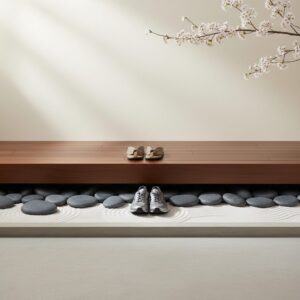
Step into any Japanese home, and the first thing you’ll notice isn’t the furniture or the art on the walls. It’s the floor. Or rather, the sudden lack of it. Before you is a small, lowered area of stone or tile, and beyond it, a single, polished wooden step leading up to the main living space. This is the genkan, Japan’s ubiquitous entranceway. For the uninitiated, it can be a moment of slight awkwardness. Where do I stand? Do I take my shoes off here? Do I turn them around? The brief, silent choreography that follows feels disproportionately important for such a small patch of real estate.
But this space is anything but small in its cultural significance. The genkan is not a mudroom, a foyer, or a simple entryway. It is a meticulously designed transitional zone, a physical manifestation of one of the most fundamental concepts in Japanese society: the boundary between outside and inside, public and private, the external world and the inner sanctum. It’s a stage where the first and last acts of the domestic day play out, a ritual space that cleanses you not just of dirt, but of the outside world itself. Understanding the genkan is to understand the invisible lines that structure Japanese life. It’s where the outside world is politely, but firmly, left behind. Crossing that single wooden step is a symbolic journey into the private heart of the home, a transition that is both physical and psychological. So, let’s unpack the layers of meaning built into this deceptively simple architectural feature.
The Anatomy of a Threshold
At first glance, a genkan may seem simple, but its design exemplifies purpose-driven architecture. Every element exists for a reason, facilitating a smooth and efficient transition. The entire area centers on one essential action: removing outdoor shoes before stepping into the clean interior of the home.
A Step Down, A World Away
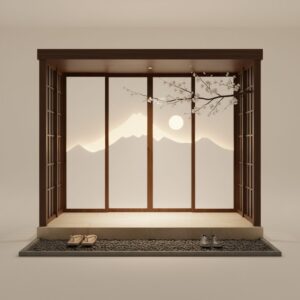
The defining characteristic of the genkan is its split-level structure. The lower section, which you step onto directly from outside, is known as the tataki (叩き). Historically, this was made from packed earth mixed with lime and water, creating a hard, durable surface. The name derives from the verb tataku, meaning “to beat” or “to tamp down,” referring to the construction method. Today, the tataki typically features modern, practical materials like concrete, tile, or stone. These surfaces are sturdy, waterproof, and easy to clean, perfectly suited as the designated space for dirty shoes. This area remains, without question, part of the “outside.”
Above the tataki rises a single, vital step. This wooden ledge, called the agarigamachi (上がり框), marks the formal boundary of the home’s interior. Stepping onto the agarigamachi physically signifies entering a private space. Often, the materials change dramatically here, shifting from the cold, hard tile of the tataki to the warm, smooth wood of the main floor. This tactile contrast emphasizes the transition: leaving the coarse, public world behind and entering a refined, private one. In traditional homes, the agarigamachi might be crafted from a single, beautiful piece of keyaki (zelkova) or hinoki (cypress) wood, polished to a high shine by generations of stockinged feet. Its presence remains a non-negotiable element of Japanese home design, even in the most modern, Western-style apartments.
The Essential Furniture
The genkan is not merely an empty space; it is furnished with specific items dedicated to entry and exit rituals. The most prominent among these is the getabako (下駄箱), literally a “geta box,” named after traditional wooden clogs. This is the shoe cabinet. Its form varies widely, from simple open shelves in a student apartment to tall built-in closets with sliding doors in family homes. Whatever the size, its function is paramount: to store the household’s shoes neatly and out of sight.
A cluttered genkan with shoes scattered across the tataki is viewed as a sign of disorder and disrespect. The getabako ensures every pair of shoes has its place, reinforcing the Japanese cultural emphasis on order and tidiness. It is also where house slippers are often prepared for guests, a welcoming gesture that clearly signals the proper protocol. Other typical items include an umbrella stand (kasatate), often a simple ceramic pot or a sleek metal rack, and sometimes a small, sturdy stool for elderly individuals to use when putting on or removing their shoes. In some homes, a small niche or shelf may display a single flower arrangement (ikebana) or a piece of calligraphy, transforming this functional space into an area of quiet beauty and a first glimpse of the family’s aesthetic taste.
The Unspoken Rules: Choreography of Arrival and Departure
Navigating the genkan for the first time can seem like a challenge, but its etiquette is grounded in a simple, elegant logic of cleanliness and respect. The flow of movements resembles a kind of dance, a physical grammar that everyone in Japan learns from childhood. Mastering it is essential for social fluency.
Stepping In: The Proper Procedure
Entering a home involves a smooth, multi-step movement designed to prevent any “outside” dirt from entering the “inside.” First, you open the door and step onto the tataki. You must not step directly into the main living space wearing your shoes—that is perhaps the most serious cultural mistake a visitor can make. Once on the tataki, you greet your host. Then, while still facing forward, you remove your shoes. Only after taking off your shoes do you step up sideways or backward onto the agarigamachi and the main floor. Importantly, your socks or bare feet should never touch the lower tataki, where dirty shoes were placed.
Once you are on the main floor, the final step is to turn around, crouch down, and arrange your shoes. They should be placed neatly together on the tataki, with the toes pointing toward the door. This is not merely about tidiness; it’s a considerate gesture. Having the shoes ready to slip on when departing signals your awareness of not causing inconvenience. A gracious host might do this for you, turning your shoes around as a welcoming sign, but it is always proper to do it yourself.
The Art of Leaving
Leaving follows the entrance steps in reverse. When it’s time to go, you don’t walk to the edge of the agarigamachi in your socks to put your shoes on. Instead, you step down from the raised floor onto the tataki while facing inward toward the house. This allows you to offer your final goodbyes to your host. Then, sitting or crouching on the agarigamachi, you slip on your shoes without letting your stockinged feet touch the lower ground. Only after this do you stand, turn, and open the door to leave. This graceful exit carefully maintains the strict separation between clean and unclean zones until the very last moment.
Guest vs. Host: A Semi-Public Stage
The genkan also serves as a distinct social buffer zone. It is technically inside the house but not fully “in” the private living area. This makes it ideal for interactions that don’t require a full invitation inside. Whether a mail carrier delivering a package, a neighbor dropping off a small gift, or a salesperson making a pitch, these encounters happen entirely within the genkan. The host stands on the raised floor, while the visitor remains on the lower tataki. This difference in elevation subtly reinforces the social dynamics of host versus guest, insider versus outsider.
Both sides respect this boundary. A delivery person would never presume to step up, nor would a resident typically invite them to. The genkan enables polite and efficient transactions without compromising the privacy of the home. It perfectly exemplifies a culture that values clear social boundaries and defined roles in every interaction.
Beyond Cleanliness: The Genkan as a Social and Spiritual Barrier
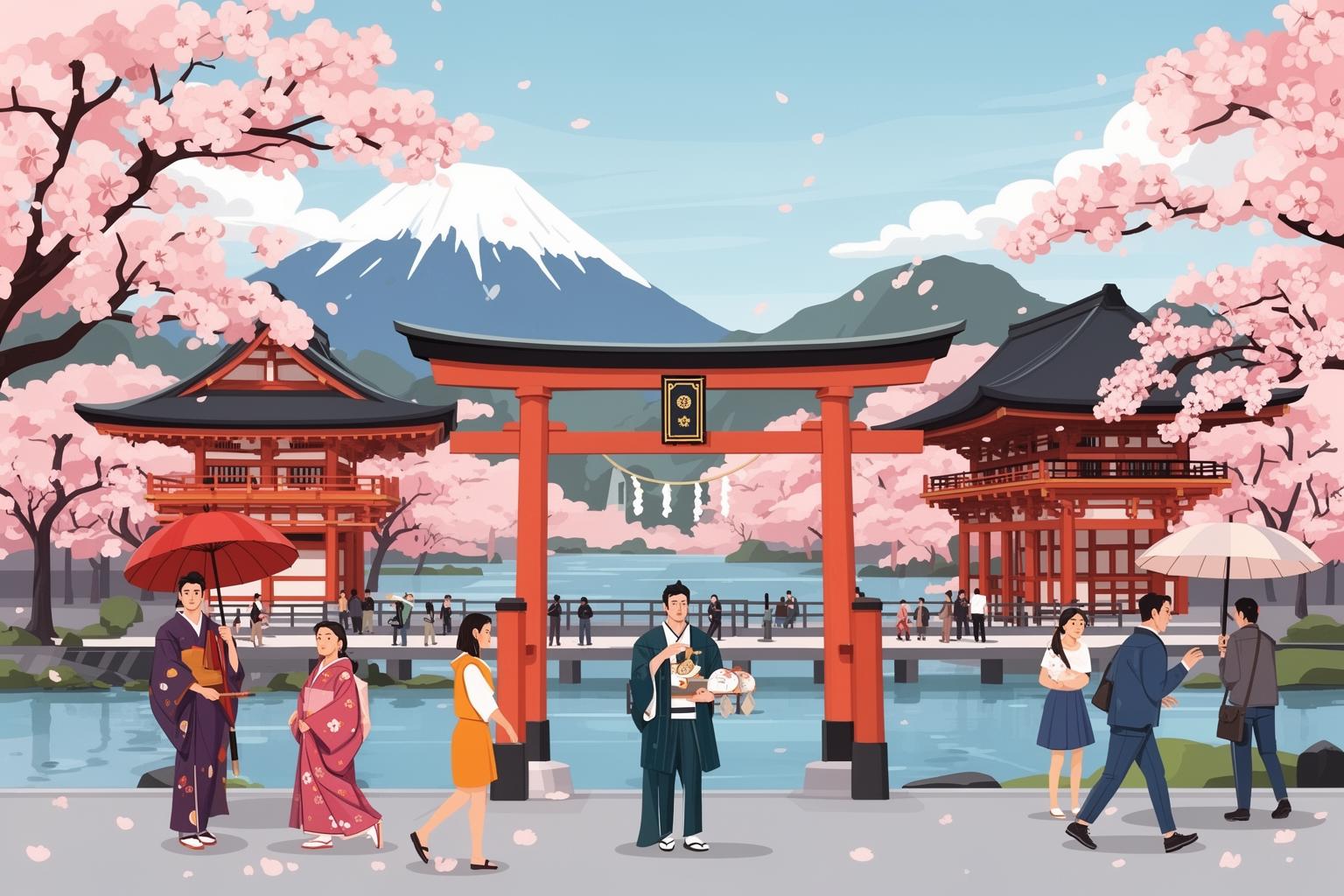
While the practical purpose of the genkan is to keep floors clean in a country where people traditionally sit and sleep on tatami mats, its deeper significance lies in its symbolic role. It serves as the physical gatekeeper to the most important distinction in Japanese social life: uchi-soto, or the inside/outside divide.
Uchi-Soto: The Inside/Outside Divide Made Real
Uchi-soto (内 Soto 外) is a fundamental concept that shapes Japanese relationships, language, and behavior. Uchi refers to the “inside”—one’s home, family, and company, representing a world of intimacy, informality, and trust. Soto is the “outside”—everyone and everything else, the public sphere governed by formal rules, politeness, and social distance. A person’s behavior and even choice of language, such as the use of honorifics (keigo), change depending on whether they are in an uchi or soto context.
The genkan is the architectural expression of this deeply ingrained cultural mindset. Crossing the agarigamachi is not merely a physical act; it is a psychological transition from the soto to the uchi world. Removing your shoes symbolizes shedding your public persona along with the dust and dirt of the outside, preparing to enter a space of greater intimacy and vulnerability. This is why being invited into a Japanese person’s home carries such significance; it is an invitation to cross a meaningful boundary and enter their uchi circle. The genkan ritualizes this transition, making the invisible social boundary tangible and real.
A Portal of Purification
Looking more closely, the concept of the genkan is also connected to Japan’s indigenous Shinto beliefs, which emphasize purity (kiyome) and impurity (kegare). The outside world is viewed as a source of various impurities, both physical and spiritual. Before entering sacred spaces like Shinto shrines, visitors perform a purification ritual called temizu, washing their hands and rinsing their mouths at a fountain near the entrance.
The genkan can be understood as a domestic version of this purification gate. Removing one’s shoes is a secular ritual that reflects this sacred act. It symbolizes leaving the impurities of the outside world behind before entering the clean, orderly, and protected sanctuary of the home. This connection reinforces the idea of the home not just as a shelter but as a sacred space for the family unit. The careful separation of zones within the genkan ensures this purity is preserved, creating a peaceful and harmonious interior environment.
The Evolution of the Entrance
The genkan as we recognize it today is not an ancient, static feature. It has developed over centuries, adjusting to Japan’s evolving social structures and living habits. Its form has transformed from the grand entrances of temples and castles to the compact foyers of contemporary micro-apartments, yet its essential function has remained remarkably consistent.
From Samurai Residences to Modern Apartments
The term genkan originally had Buddhist origins, referring to the “gateway to profound knowledge” or the entrance to a Zen monastery. It was a place of spiritual transition. During the Kamakura and Muromachi periods, this architectural style was adopted by the samurai class for their residences (buke-yashiki). For these warriors, the genkan was a considerably larger and more formal space than it is today. It functioned as a formal reception area where visitors of lower rank were greeted but would not advance further into the home. It served both as an entrance and a security checkpoint, managing social hierarchies.
It was not until the Meiji Restoration in the late 19th century and the subsequent modernization of Japan that the genkan became a common feature in the homes of ordinary people. As Western architectural concepts began blending with Japanese traditions, the genkan was adapted to new housing styles, yet its fundamental purpose—the removal of shoes at a lowered entrance—remained. This secured its role as an indispensable element of Japanese domestic architecture.
The Genkan in the 21st Century
Today, the genkan continues to evolve. In the ultra-dense urban environments of Tokyo or Osaka, apartments are often very small. The genkan in a modern “one-room mansion” (studio apartment) may be little more than a tiny one-square-meter linoleum patch, just enough room for one person to remove their shoes before stepping onto the wooden flooring. The getabako might be a slim, vertical cabinet barely fitting a few pairs of shoes. Yet, regardless of size, the step-up area is almost always present.
Conversely, in newer suburban homes, architects are rethinking the genkan to suit modern family life. Some designs include a large “shoe-in closet” or a walk-through storage space connected to the genkan, offering ample room for strollers, children’s bicycles, and sports equipment. This recognizes that contemporary lifestyles involve more belongings, but still confines that gear within the “outside” zone of the entrance. The core principle of the genkan—as a boundary—is so deeply rooted that it endures and adapts rather than disappearing, even amid significant lifestyle changes.
The Genkan’s Emotional Landscape
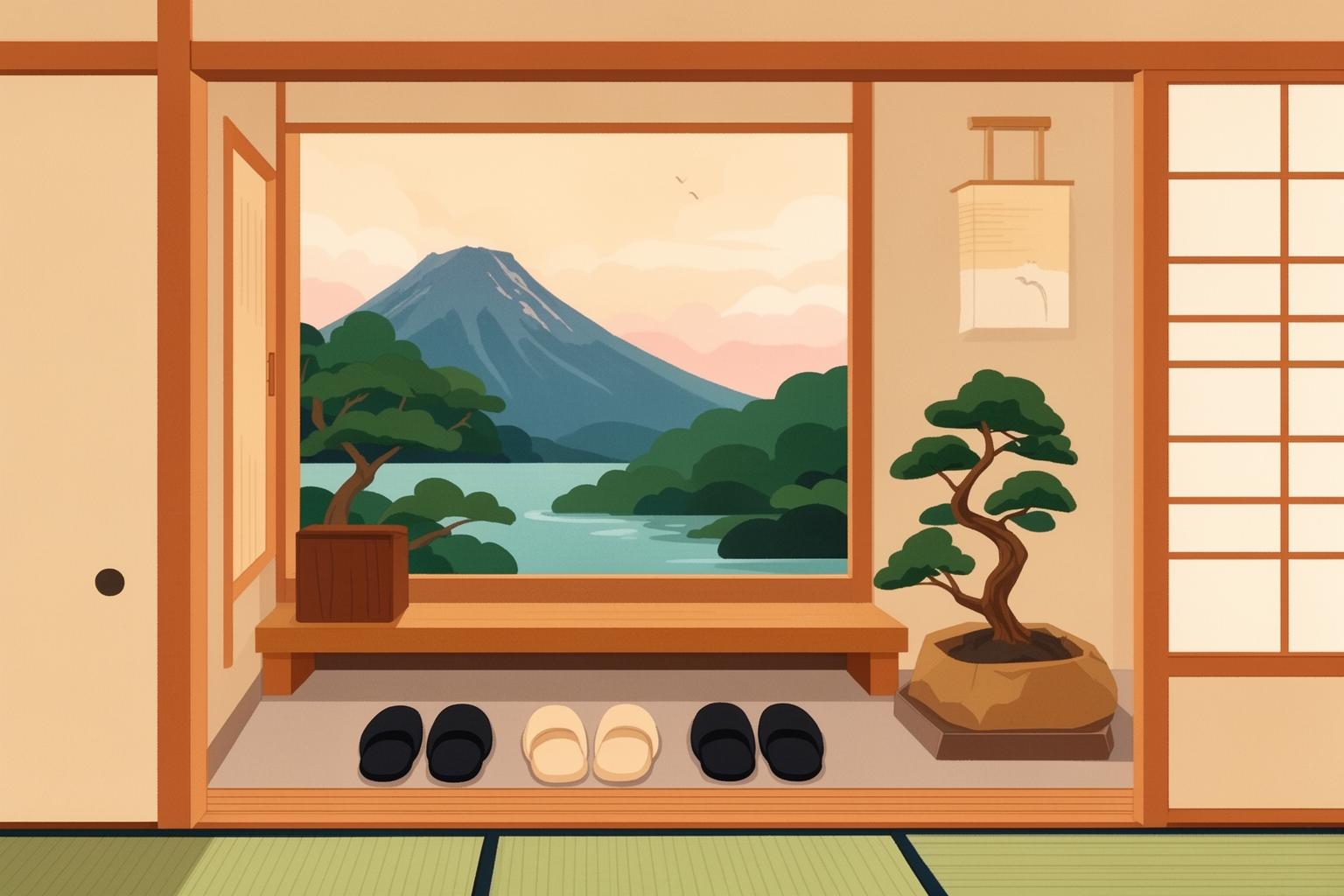
Beyond its architectural and social roles, the genkan is an intimate personal space. It serves as the stage for the quiet, everyday rituals that shape family life. It’s the first area of the home you encounter after a long day at work, and the last you see before stepping out into the world.
A Stage for Everyday Dramas
Some of the most essential Japanese daily greetings take place exclusively in the genkan. When leaving the house, one says, “Ittekimasu!” (行ってきます), which literally means “I will go and come back.” Those remaining at home respond with “Itterasshai!” (行ってらっしゃい), meaning “Please go and come back.” This exchange isn’t simply a “goodbye”; it’s a reassurance of return—a small ritual that acknowledges temporary parting.
Upon returning, the greeting is “Tadaima!” (ただいま), meaning “I’m home.” The reply is “Okaerinasai!” (お帰りなさい), or “Welcome home.” These phrases, repeated day after day in the genkan, create the comforting, rhythmic backdrop of domestic life. The genkan is the stage for these small but profound exchanges—the hurried farewells, the weary arrivals, the excited welcomes of guests, the tearful goodbyes. It absorbs the emotional energy of a household’s comings and goings.
First Impressions and Lasting Memories
The genkan offers the first glimpse into a home’s spirit. Visitors can learn much about a family from this entrance. Is it impeccably neat, with only one pair of perfectly aligned slippers waiting? Or a cheerful chaos of tiny, colorful children’s shoes and well-worn sneakers? Does it carry the scent of old wood and incense, or fresh flowers and floor polish? It sets the tone for the entire visit.
For those raised in Japan, the genkan is a vault of memories. It’s where you sat as a child, struggling with shoelaces, or waited impatiently for a parent’s return, listening for the sound of their key in the lock. My own memories include the cool, smooth stone of my grandparents’ tataki on hot summer days and the deep, rich scent of polished cypress agarigamachi. It marked the boundary of my world, the portal between the safety of home and the adventures beyond. It was, and still is, much more than just a place to remove your shoes.
Ultimately, the genkan embodies the Japanese talent for finding deep meaning in simple forms. It is a space that teaches respect, delineates boundaries, and ritualizes the rhythms of daily life. Though often overlooked, it is the most important part of the house. It is the silent, sunken threshold that perfectly frames the transition from the outside world to the treasured world within. It is both the beginning and the end of home.