Walk into a restaurant in Tokyo on a Tuesday night. Look past the boisterous groups of colleagues and the couples sharing a bottle of wine. You’ll see her: a woman in her thirties, sitting by herself at a counter, meticulously grilling premium cuts of beef on a small personal barbecue. She isn’t scrolling on her phone or rushing through her meal. She is focused, savoring each bite. An hour later, you might pass a karaoke parlor and hear a single voice belting out an anime theme song from a room designed for one. This isn’t a portrait of loneliness. This is a picture of freedom. This is solo-katsu.
Translated literally, solo-katsu (ソロ活) means “solo activity.” It’s the growing, and increasingly celebrated, practice of actively choosing to do things by yourself—dining out, traveling, going to concerts, singing karaoke, even camping. For many outsiders, whose cultures often frame doing things alone in public as either sad or strange, the concept can be baffling. Is Japan facing an epidemic of loneliness? Are people just giving up on socializing? The reality is far more complex and, frankly, more empowering. Solo-katsu is not a consolation prize for a failed social life; it’s a deliberate and powerful reclamation of personal time. It’s a cultural shift born from a unique convergence of demographic changes, economic realities, and a deep-seated psychological need for a space free from the immense pressures of group harmony. It’s about choosing yourself, on your own terms, and an entire economy is rising to meet that choice.
This cultural shift is also mirrored in the way some individuals embrace unconventional hobbies, such as adult gachapon collecting in Japan, to redefine what it means to enjoy life on your own terms.
Beyond Loneliness: Redefining “Alone Time”
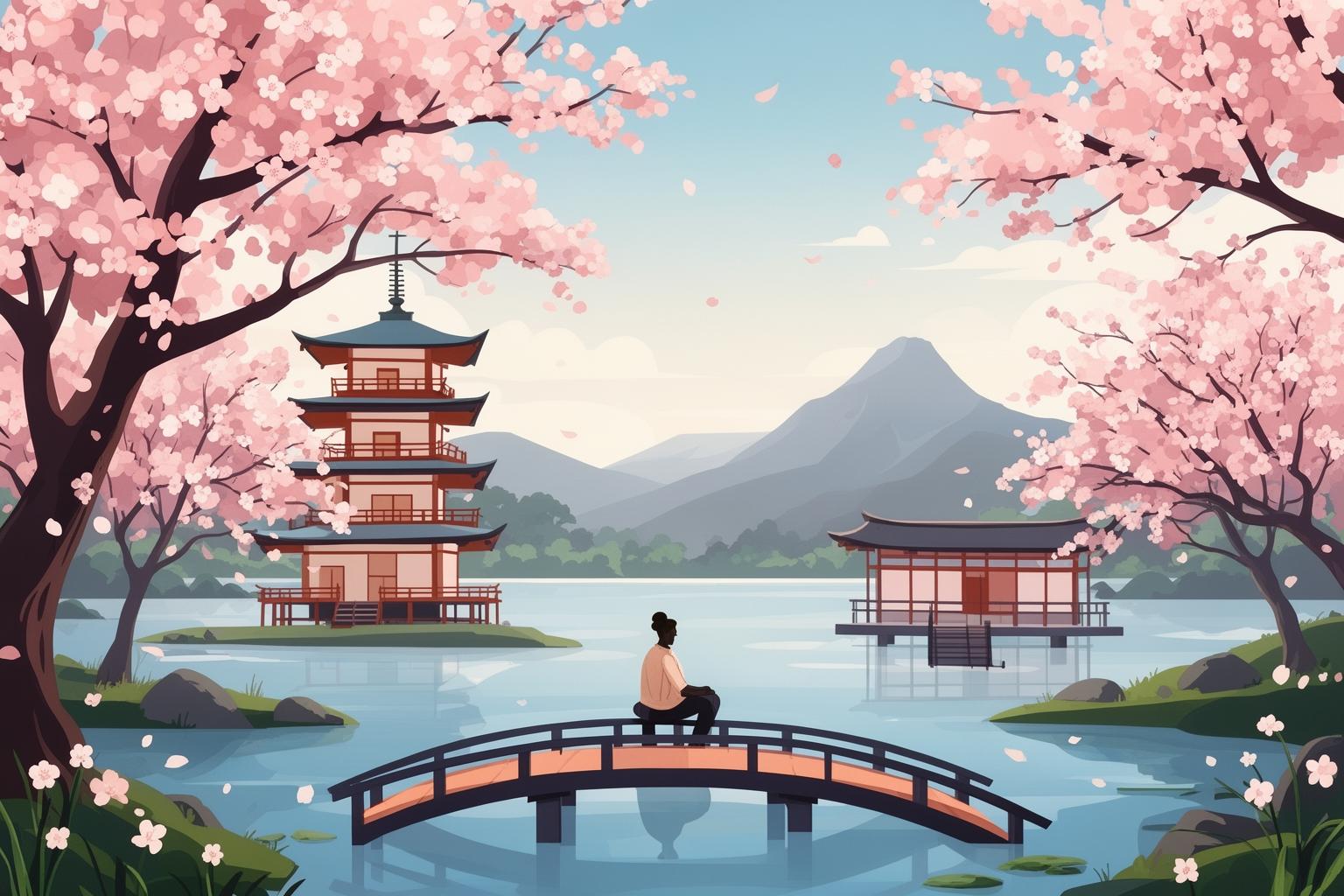
To understand solo-katsu, you first need to break down the Western assumption that “alone” means “lonely.” In many societies, especially in North America, being alone in public is often met with a hint of pity. When we see a solo diner, our minds may create a story of social isolation or recent heartbreak. In Japan, while community is highly valued, the cultural perception of solitude is fundamentally different. It isn’t necessarily negative but rather neutral, and often even desirable.
This is closely linked to the Japanese concept of uchi-soto (内と外), meaning “inside and outside.” This cultural framework governs different behaviors depending on whether you are with your “inside” group (family, close colleagues) or in an “outside” setting (strangers, society at large). Another key factor is the emphasis on maintaining wa (和), or group harmony. Social interactions, particularly in professional or formal environments, are carefully orchestrated performances. You are expected to read the air (kuuki wo yomu), anticipate others’ needs, and help ensure the group functions smoothly. This constant, subtle social calculation is draining, demanding significant mental and emotional effort.
Solo-katsu offers a remedy. It is a deliberate, intentional escape from the demands of wa. When alone, you only need to read the air for yourself. There’s no obligation to perform, no pressure to agree, and no compromises over what to eat, see, or how long to stay. It’s a form of deep self-care and a way to reset and recharge your social energy in a society that heavily taxes it. It’s not about rejecting others; it’s about reconnecting with oneself. The solo camper isn’t a recluse; she’s someone who has exchanged the demands of group coordination for the quiet satisfaction of building her own fire. The solo karaoke singer isn’t friendless; he’s merely seeking the release of singing his heart out without having to manage a playlist for five others.
The Economic and Social Drivers of the Solo Boom
This cultural inclination towards mindful solitude has found fertile ground in Japan’s evolving social and economic landscape over the past few decades. Solo-katsu didn’t emerge out of nowhere; it is a natural response to significant demographic and financial pressures that have transformed the nation.
The Rise of the Single Household
The primary driving force behind this trend is a straightforward demographic fact: an increasing number of Japanese people are living alone. In the 1980s, single-person households were relatively uncommon. Today, they are expected to account for nearly 40% of all households. This shift results from several converging factors. The marriage rate has been declining for decades, and many are marrying later than before, or not at all. Additionally, the divorce rate among older couples has grown. Coupled with Japan’s famously long life expectancy, this has generated a large and expanding population of individuals managing daily life on their own.
This is not a niche market; it has become a major social and economic force. When such a significant portion of the population is single, the social and commercial infrastructure must adjust. The traditional family-focused restaurants and group-oriented entertainment no longer meet everyone’s needs. A single person in their 40s still desires to enjoy good barbecue or visit a theme park, even without a partner or family along. Businesses that overlook this shift risk losing revenue. The rise of solo-friendly services fundamentally represents savvy business catering to a new normal.
Economic Pragmatism and the Fading Nomikai
The glamour of Japan’s 1980s “bubble economy”—with its extravagant corporate dinners and expense-account-fueled nights out—is now a distant memory. The “Lost Decades” of prolonged economic stagnation fostered a more pragmatic and cautious spending approach, especially among younger generations who have grown up only knowing a slow-growth economy.
This economic reality has reduced the appeal and feasibility of obligatory group events, particularly the nomikai or company drinking party. Though still present in corporate culture, these gatherings are less frequent and less compulsory than before. Younger employees increasingly question the worth of spending their own time and money on forced socializing with their superiors. Why spend 10,000 yen on an awkward evening when you could enjoy a fantastic solo meal, a movie, and a good book for 5,000 yen?
Solo-katsu is naturally budget-friendly. You control every aspect of the expense. There’s no pressure to order additional rounds of drinks for the group or awkward bill-splitting when orders differ. You can tailor the experience precisely to your budget, making it a more efficient and fulfilling use of disposable income.
A Shift Towards Individual Identity
Lastly, there is a subtle but unmistakable change in how people, especially millennials and Gen Z, define themselves. The post-war social contract of lifetime employment, where identity was deeply connected to one’s company, has unraveled. People now change jobs more frequently, and the company is no longer the sole foundation of social life and personal identity.
Instead, identity is increasingly shaped by personal interests, hobbies, and tastes. You are not merely “a Sony employee”; you might be someone who collects vintage cameras, masters solo camping techniques, or is an expert on 1970s city pop. Solo-katsu offers an ideal way to explore and nurture these personal passions without compromise. It represents an investment in one’s own identity, distinct from the collective identities of work and family. This emerging individualism is not a rejection of Japanese values but rather their evolution, finding a new harmony between the group and the self.
The Marketplace of Me: An Economy Built for One
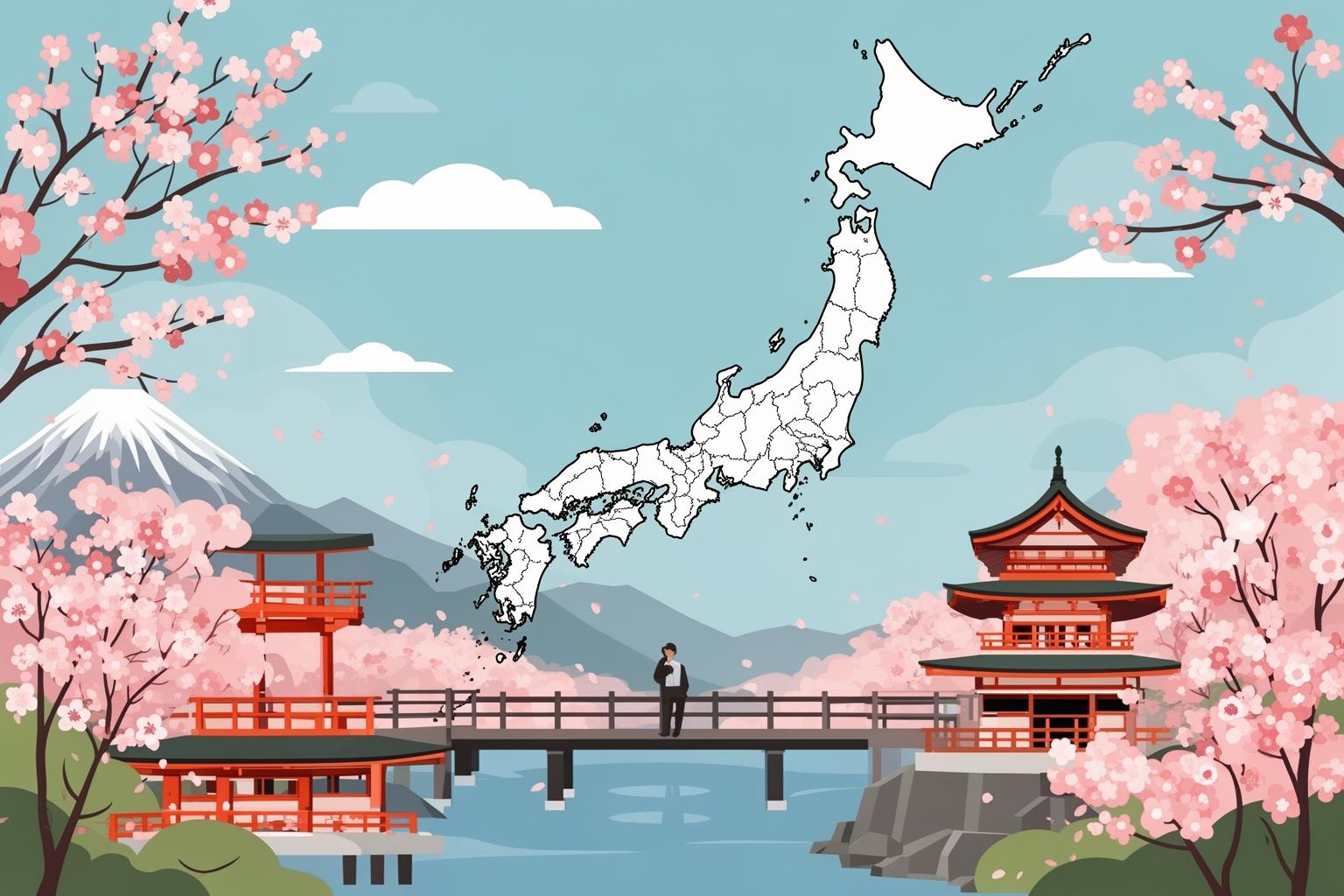
Wherever cultural shifts occur, commerce inevitably follows. Japanese companies have responded to the solo-katsu trend with impressive creativity, developing an entire ecosystem of products and services aimed at enhancing the experience of being alone. This approach goes beyond merely accommodating single customers; it actively celebrates them.
Solo Dining: The Art of Focused Consumption
Nowhere is this more evident than in the dining sector. The prime example is the ramen chain Ichiran. Stepping inside feels like entering a sanctuary of solitude. You are guided to a narrow wooden booth, essentially a cubicle, with privacy walls on both sides. A bamboo curtain separates you from the kitchen. You customize your order on a paper form—choosing broth richness, noodle firmness, garlic level—and press a button. Silently, a pair of hands collects your form, and moments later, your perfect bowl of ramen arrives. There’s no small talk, no eye contact, no social discomfort. It’s called a “Flavor Concentration Booth” for a reason: your sole focus is on the food. The experience is meditative.
This philosophy has grown well beyond ramen. The concept of hitori yakiniku (solo grilled meat) has surged in popularity. Restaurants offer single-person grills, counters with built-in induction cooktops, and curated meat platters portioned for one. Hitori shabu-shabu (solo hot pot) provides a similar experience, allowing diners complete control over their meal, cooking at their own pace. Even upscale sushi and tempura restaurants—traditionally social counter-focused venues—now openly welcome solo diners who seek a pure culinary experience.
Entertainment for One: From Karaoke to Camping
The entertainment industry has also warmly embraced the solo consumer. The most notable example is hito-kara (一人カラオケ), or “one-person karaoke.” Instead of renting a large room for a group, you get a compact, soundproof booth all to yourself. It’s equipped with a high-quality microphone, headphones, and a recording setup. This transforms karaoke from a social event into a private act of catharsis or focused vocal practice. You can sing the same song repeatedly to perfect it or belt out that guilty pleasure pop tune you secretly love. There’s no judgment, only pure, unfiltered release.
Another trend gaining momentum, boosted by popular anime and manga like Yuru Camp, is soro kyan (solo camping). This trend appeals to a desire for self-reliance and a direct connection with nature. Retailers now stock lightweight single-person tents, compact cooking gear, and all the accessories needed for a solitary adventure. It’s about the quiet satisfaction of setting up your own camp, cooking your own meal over a fire, and enjoying the wilderness’s silence on your own terms. It’s both a challenge and a reward—a way to prove your competence to yourself.
This approach extends to nearly every leisure activity. Cinemas have designated single seats with extra armrest space. Theme parks welcome solo visitors who utilize single-rider lines to skip long queues. Travel agencies offer solo tour packages tailored for individual travelers, ensuring safety and convenience without the social pressures of large group tours.
The Psychology of Solo-Katsu: Mastery, Freedom, and Mindful Engagement
Beyond social and economic factors, the profound appeal of solo-katsu lies in the psychological benefits it provides. It satisfies deeply human needs that are often challenging to meet within our hyper-connected, group-focused lives.
The Ultimate Freedom: No Compromises, No Social Tax
The most immediate benefit is freedom from compromise. Every group outing, no matter how enjoyable, involves a series of micro-negotiations. Where do we eat? What time do we meet? What movie do we watch? This process consumes energy—what might be called a “social tax.” It’s the cost of coordinating desires and managing different personalities. Solo-katsu removes this tax entirely. The agenda is yours and yours alone. If you want to spend four hours in a single section of a bookstore, you can. If you want to leave a museum after seeing just one painting, you can. This absolute control over your own time and decisions is an intoxicating form of freedom that is rarely found elsewhere in life.
A Path to Self-Discovery and Mastery
Engaging in activities alone also nurtures a strong sense of self-reliance and competence. When you camp by yourself, you are the one who must pitch the tent correctly, build the fire, and navigate the trail. When you travel solo to a new city, you depend on your own wits and courage to find your way. Facing these challenges without a social safety net builds genuine confidence. It’s a direct way to learn about your own abilities, preferences, and limits. You discover what you truly enjoy when your choices are free from the influence of others’ opinions. This journey of self-discovery is central to the appeal; it’s an active investment in your own personal growth.
Mindful Engagement in a Distracted World
Finally, solo-katsu provides a path to more mindful and deeper engagement with experiences. When you’re with others, part of your attention is always focused on the social dynamic—making conversation, responding to comments, ensuring everyone is having a good time. When alone, that entire mental channel is freed to concentrate on the activity itself. The flavors of a meal become richer. The details of a film come into sharper focus. The atmosphere of a place feels more vivid. You’re not just consuming an experience; you are fully absorbing it with all your senses. In a world overflowing with digital distractions and social demands, this kind of deep, focused engagement is rare and precious. It’s a form of meditation, a way to be truly present in the moment.
Solo-katsu is ultimately not a narrative about Japan’s isolation but about its sophisticated grasp of modern contentment. It reflects a society actively carving out space for the individual within a typically collectivist culture. It acknowledges that a healthy life requires balancing connection and solitude, fulfilling our duties to the group while nurturing our inner world. In celebrating doing things for oneself, by oneself, Japan offers a quiet yet compelling counter-narrative to the Western obsession with constant sociality. It suggests that sometimes, the richest experiences come from being your own best company.