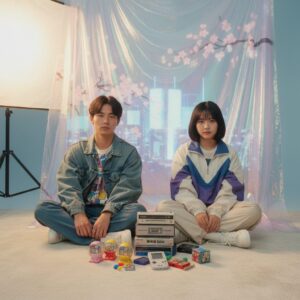
Ever stumble across a piece of music that feels like a memory you don’t actually have? You press play on a YouTube recommendation, something with a pastel-hued anime still from the 80s as its cover. A crisp, funky bassline kicks in, followed by shimmering keyboards and a voice singing in Japanese, smooth as silk. The sound is clean, optimistic, and impossibly sophisticated. It feels like driving a convertible down a coastal highway at sunset, or sipping a cocktail in a penthouse lounge overlooking a city of endless neon. It feels like the future—or rather, what people in the 1980s thought the future would feel like. This is the strange, captivating world of Japanese City Pop, a genre that has found a second life online decades after its heyday. And the question that hooks so many new listeners is this: why does this music, so deeply rooted in a specific time and place, evoke such a powerful sense of nostalgia for a world that never truly came to be? The answer isn’t just about good melodies or a retro aesthetic. It’s about economics, technology, and the ghost of a utopian dream.
Embracing both the nostalgic allure and forward-thinking vibe of City Pop, listeners might also explore the global City Pop resurgence to discover further insights into how this cultural soundscape continues to shape modern aesthetics.
A Soundtrack for the Economic Miracle
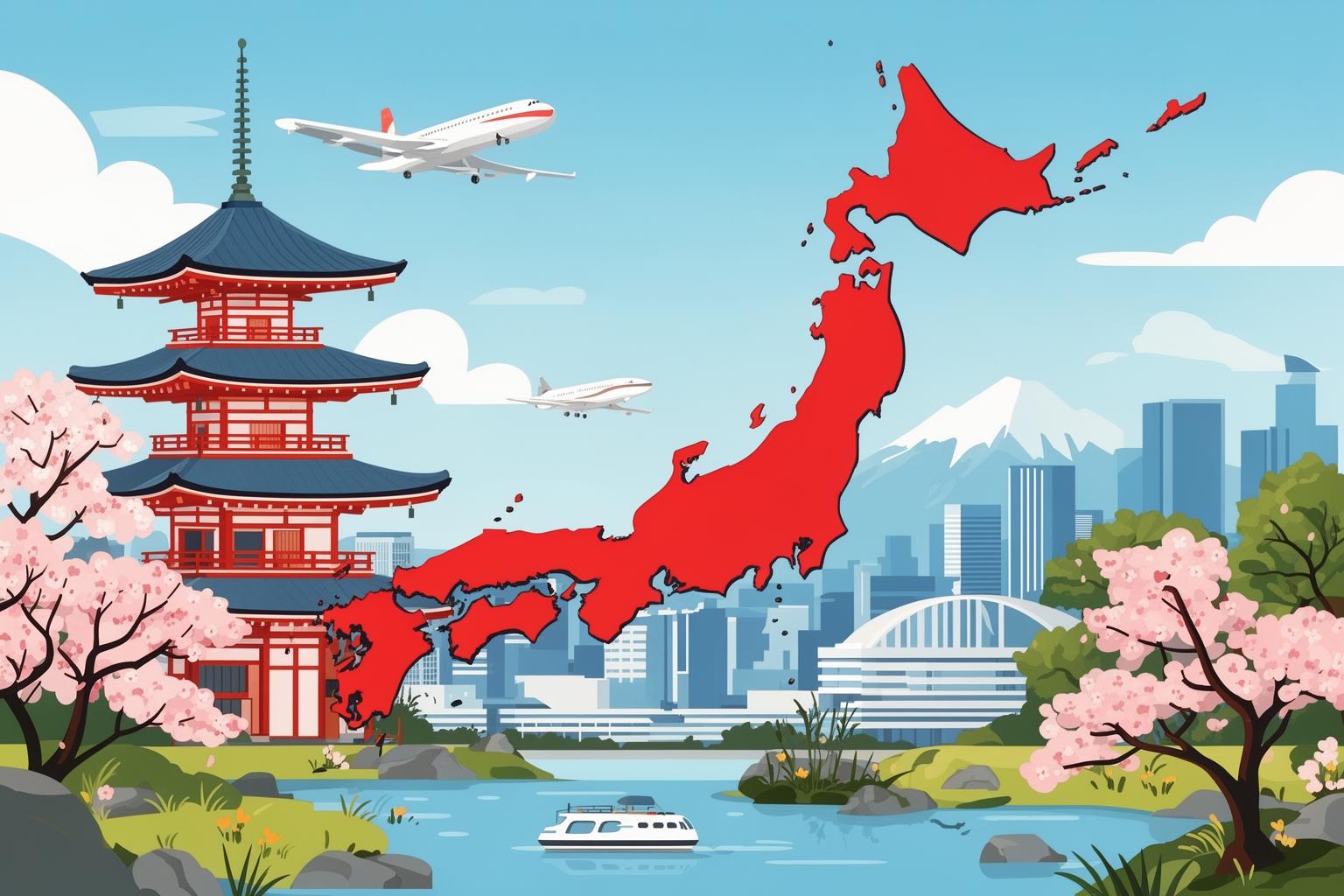
To truly grasp City Pop, you first need to understand the Japan that gave rise to it. The 1980s marked the peak of the country’s post-war economic miracle—a time of extraordinary, almost unbelievable prosperity. The phrase “bubble economy” barely captures the scale; it was a nationwide mindset. Japan was no longer just recovering—in many respects, it was winning. Japanese corporations were acquiring iconic American landmarks like Rockefeller Center and Pebble Beach Golf Links. The Sony Walkman was a ubiquitous accessory, and Japanese cars were setting the global standard for reliability and efficiency. There was a strong sense of national confidence, a belief that the future was not only promising but was being actively crafted and produced in Tokyo.
This surge in wealth fostered a new urban lifestyle, and that lifestyle demanded its own soundtrack. City Pop was that soundtrack. It was music for a generation of young, urban professionals with disposable income, working in gleaming skyscrapers, dining in top-tier restaurants, and enjoying the perks of a booming economy. The music perfectly captures this scene—polished, luxurious-sounding, and unapologetically commercial. It served as the backdrop for new car stereos, high-end audio systems, and ads ranging from whiskey to air conditioners. The songs’ themes often revolved around this urban fantasy: romantic drives, beach vacations, city lights, and sophisticated nightlife. It was aspirational music, briefly and completely aligned with the lifestyle of many young Japanese people.
The Anatomy of a Vibe
So, what exactly defines the City Pop sound? It’s notoriously difficult to categorize as a single genre because it’s more of a fusion or mood. At its core, it’s a refined blend of Western musical styles filtered through a distinctively Japanese perspective. The main elements include American soft rock, AOR (Adult-Oriented Rock), funk, and soul, along with generous influences from disco and jazz fusion.
Musically, several features build its signature atmosphere. The production is exceptionally clean and polished. This era saw the rise of massive multi-track studios and groundbreaking synthesizers like the Yamaha DX7. Producers and engineers had access to top-tier technology and used it to create a layered, intricate, and virtually seamless sound. Basslines tend to be complex and melodic, driving songs with a funky, danceable groove—a detail many modern fans cherish. Melodies are generally bright and optimistic, floating over sophisticated chord progressions drawn from jazz and R&B. Vocals are smooth and understated, frequently sprinkled with English phrases and hooks that added a cosmopolitan touch, making the sound feel remarkably modern at the time.
Artists such as Tatsuro Yamashita, often hailed as the “king” of City Pop, and his wife Mariya Takeuchi, whose track “Plastic Love” became a viral sensation on YouTube, are prime examples. Their music perfectly exemplifies this blend: American-inspired song structures, virtuosic musicianship, and a uniquely Japanese approach to melody and urban sophistication.
The Future That Faded
The reason City Pop evokes such a bittersweet feeling today is that the world it once depicted has disappeared. The music perfectly captures the boundless optimism of the 1980s bubble economy. It embodies the sound of a future that seemed not only possible but inevitable—a future marked by endless technological progress, urban sophistication, and carefree prosperity. It served as the soundtrack for a nation that had reached its peak and aimed to remain there, crafting an even sleeker, more comfortable tomorrow.
Then, in the early 1990s, the bubble burst. The stock market crashed, real estate prices plummeted, and Japan entered what became known as the “Lost Decade”—a period of economic stagnation that some believe has persisted for years. The national mood shifted sharply from unrestrained optimism to prolonged uncertainty and reflection. The effortless cool and lavish lifestyle celebrated in City Pop suddenly felt like a distant, almost naive dream. The future it promised—a straightforward extension of ’80s excess and confidence—never materialized.
This is where the music’s strange and powerful nostalgia originates. Listening to City Pop today is like unlocking a time capsule. It’s more than just hearing old tunes; it’s hearing a ghost from an alternate timeline. You’re encountering the pure, unfiltered optimism of an era just before everything changed. For Japanese listeners of a certain generation, it’s a direct connection to their youth and a very different Japan. For younger listeners worldwide who discovered it online, it sparks a different kind of yearning: nostalgia for a future that global culture promised but never fully delivered. It feels like a gateway to a more hopeful, elegant vision of modernity.
The Algorithm and the Escape
The contemporary resurgence of City Pop is an intriguing tale on its own. It was mainly fueled by the enigmatic workings of the YouTube algorithm, which began recommending tracks like Mariya Takeuchi’s “Plastic Love” to millions of unsuspecting viewers. Yet, an algorithm can only suggest; it can’t make people fall for the music. The genre’s newfound popularity reveals a deeper present-day desire.
In today’s world, marked by digital anxiety, economic instability, and widespread cynicism, the unreserved sincerity and warmth of City Pop provide a powerful escape. The City Pop world lacks social media, 24-hour news cycles, and imminent existential dread. It’s an analog dream of a digital-free, high-tech realm. Its version of modernity revolves around sleek cars, tangible hi-fi gear, and face-to-face romance under moonlit skies. It’s a world recognizable as modern but free from the particular pressures of our modern times. It is clean, simple, and emotionally direct in a way that feels remarkably refreshing.
It’s More Than Just Retro Kitsch
It’s tempting to dismiss its appeal as mere retro fetishism, but that misses the point. Unlike much Western ’80s pop, which can sometimes seem burdened by cheesy production or dated style, the best City Pop possesses a timeless quality. The high level of musicianship and the intricate arrangements give it a depth that rewards repeated listening. It wasn’t disposable pop; it was created by serious, often jazz-trained musicians at the top of their craft, using the best studio technology available worldwide.
This quality sets it apart from being a simple novelty. It represents a culture confidently expressing its skill and technical mastery. The music’s fusion of Western funk and soul with Japanese melodic sensibilities produced something genuinely new and unique—a sound that was both globally aware and unmistakably Japanese.
How to Listen Now

So, if you’re new to this realm, how should you approach it? The best way is to set aside analysis and simply let the feeling take over. You don’t need to understand the Japanese lyrics to grasp the emotional heart of the songs. The music conveys its mood directly through melody, harmony, and rhythm. It is, perhaps, the quintessential “vibe” music.
Play it during a late-night drive and watch the city lights blur by. Listen to it on a leisurely weekend morning while making coffee. Let it serve as the soundtrack to a quiet evening at home. City Pop creates a space. It transforms the ordinary into something cinematic, something a bit more elegant and hopeful. It’s a bittersweet reminder that even if the specific future it promised never materialized, the feeling of optimism it captured remains powerful enough to resonate forty years later, offering a brief, shimmering escape into the beautiful, sunlit ghost of a future that might have been.