You’ve had a fantastic night in Tokyo. It started at a polished cocktail bar in Ebisu, transitioned to a raucous izakaya in a Shinjuku back alley, and maybe even ended with a round of surprisingly competitive karaoke. The trains are about to stop running, the neon glow of the city seems a little softer now, and a pleasant fatigue is setting in. By all accounts, the evening is over. But if you’re with Japanese friends, you’ll notice a subtle shift in the energy, a shared, unspoken understanding that one crucial piece of the puzzle is still missing. Then, someone will say it: “Shime, dou suru?“—”What should we do for the shime?”
For the uninitiated, this question can be baffling. After hours of eating and drinking, the suggestion of another meal seems borderline insane. Your stomach is full, your wallet is lighter, and your bed is calling. Yet, you find yourself being led to a tiny, steaming noodle shop, where everyone orders a bowl of ramen with the quiet determination of a marathoner crossing the finish line. This is shime (締め), and understanding it is the key to unlocking the true rhythm of a Japanese night out. It’s not just a late-night snack; it’s a deeply ingrained cultural ritual, a punctuation mark that provides closure, comfort, and a perfect, savory end to the story of your evening.
Understanding the role of itadakimasu in Japanese dining reveals an additional layer of cultural depth that perfectly complements the shime, ensuring every part of the night out has its own distinct story.
More Than Just a Drunken Snack
It’s easy to confuse shime with its Western equivalents—the greasy slice of pizza, the questionable kebab, or the 24-hour diner breakfast. Those are often driven by pure, unfiltered necessity—a way to soak up alcohol and stave off next-day regrets. Shime, however, exists on a different, more psychological level. The word itself, derived from the verb shimeru (締める), means “to tie,” “to fasten,” or “to close.” Think of tightening a knot or sealing a deal. This single character encapsulates the entire philosophy behind the act.
An evening of drinking, especially in Japan’s group-oriented culture, can be an expansive, unstructured experience. You move from venue to venue (nijikai, sanjikai—the second and third rounds), conversations rise and fall, and social energy runs high. Shime is the act of gathering all those loose ends and tying them into a neat, satisfying conclusion. It brings order to what could otherwise be an evening of potential chaos. It’s a purposeful, conscious choice to end the night decisively, rather than letting it taper off into a series of awkward goodbyes on the street. It creates a formal, shared closure.
This act of “closing” is a core concept in Japanese culture. Everything demands a proper start and a proper finish. A business meeting closes with formal bows. A martial arts session begins and ends with bows. A meal starts with itadakimasu and ends with gochisousama. Likewise, a night of communal drinking—a meaningful social occasion—requires its own formal conclusion. Shime is the gochisousama for the entire evening.
The Psychology of the Final Bowl
The ritual of shime fulfills several essential psychological and social roles, elevating it from a mere meal to a significant moment of transition.
The Ritual of Transition
Shime functions as a buffer zone, marking a clear shift from the lively festivities of the night to the quiet journey home. The atmosphere inside a late-night ramen shop contrasts sharply with that of the izakaya you just left. The boisterous laughter fades into the gentle hum of the kitchen, and the clinking of glasses softens to the sound of slurping noodles. This change in ambiance acts as a powerful psychological signal. It indicates that the time for noisy fun has ended, and now it’s time to relax, reset, and prepare for the next stage: heading home.
It’s a moment to gather yourself. For those few minutes, bent over a warm bowl, you enter a personal space, even with friends around you. The focus shifts from the group to the individual experience of eating. This mental reset is highly effective. By the time you leave the noodle shop, the night feels genuinely and officially concluded. The story has been told, the final chapter written.
From Communal High to Personal Comfort
Although often shared with the same group you’ve been drinking with, the shime experience is deeply personal. The evening’s main event—the drinking party or nomikai—focuses on social bonding, conversation, and shared moments. Shime, however, centers on fulfilling a personal, almost primal craving for comfort.
The choice of food says a lot. It is almost always something warm, savory, and rich in carbohydrates. These dishes evoke feelings of home, restoration, and a gentle grounding after the exhilarating heights of a lively night out. The rich, salty broth of ramen, the subtle dashi flavor in ochazuke, and the soft texture of udon serve as culinary blankets, wrapping you in a sense of well-being before you step back into the cool night air. This final act is less about spectacle and more about renewal.
The Unspoken Menu of Shime
While ramen dominates the realm of shime, the menu is surprisingly varied, often showcasing regional flavors and individual tastes. The common factor is that these dishes are not complicated or demanding. They are straightforward, unpretentious, and deeply satisfying.
Ramen: The Undisputed King
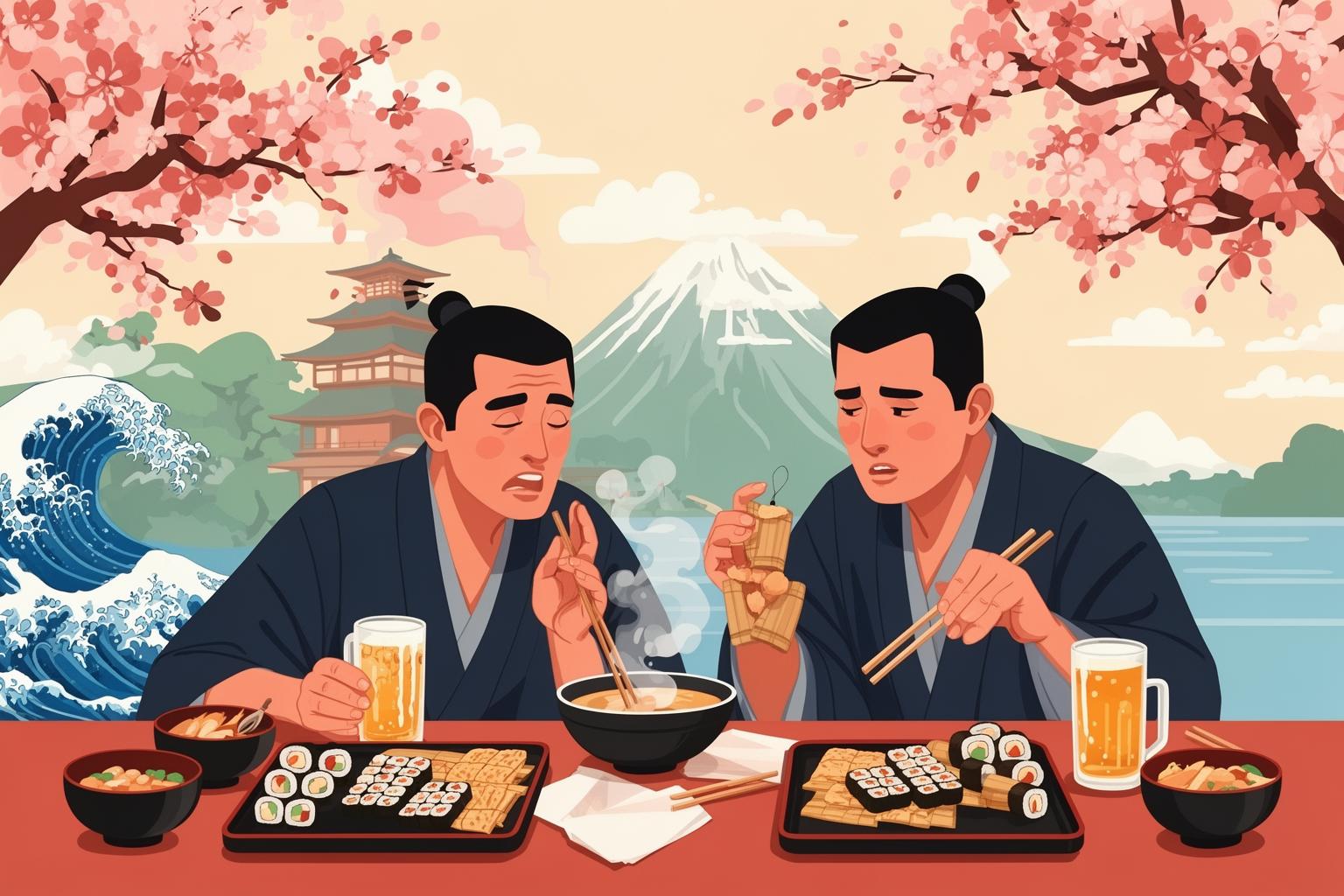
Ramen is the quintessential shime for good reason. It ticks every box. It’s quick, served piping hot, and delivers a powerful combination of salt and umami that seems to magically reset a palate numbed by alcohol. The scene is iconic: a small, brightly lit shop, steam fogging the windows, a counter worn smooth by the elbows of countless late-night visitors. The chef moves with practiced efficiency, transferring noodles from boiling water into impeccably prepared bowls of broth.
Whether it’s a rich, creamy tonkotsu (pork bone) broth from Fukuoka, a miso-based ramen in Sapporo, or a classic shoyu (soy sauce) ramen in Tokyo, the effect is the same. That first spoonful of broth is a revelation, and the act of slurping the noodles is a meditative, immersive experience. It’s a dish that demands your full attention, effectively clearing your mind of everything else.
Beyond Ramen: The Regional and Refined Contenders
Naturally, not everyone desires a heavy pork broth at midnight. There are other equally cherished options that fulfill the same role.
Ochazuke: This is perhaps the most elegant and gentle shime. It consists of a bowl of steamed rice topped with ingredients like pickled plum (umeboshi), grilled salmon flakes, or seaweed, over which hot green tea or a light dashi broth is poured. It’s light, hydrating, and deeply comforting, a popular choice for those looking to end the night on a more subdued note. It feels restorative rather than indulgent.
Udon: For many, especially in western Japan, thick, chewy wheat noodles of udon are the preferred shime. Served in a clear, savory broth, udon is simpler and cleaner tasting than ramen. It’s hearty without being heavy, providing a satisfying carb fix in a way that feels wholesome and soothing.
Zosui: This is Japanese rice porridge, often prepared at the end of a nabe (hot pot) meal by adding rice to the leftover flavorful broth. As a standalone shime, it’s the ultimate comfort food. It’s warm, easy to digest, and feels like a hug from the inside—the perfect gentle conclusion to an evening.
The Sweet Finale: The Rise of the Shime Parfait
In an intriguing modern twist, some cities have developed a unique shime culture of their own. Sapporo, the capital of Hokkaido, is renowned for its “Shime Parfait” (締めパフェ). After a night of drinking, locals line up at specialty parfait shops that stay open late. These aren’t simple ice cream sundaes; they are elaborate, architectural creations of soft-serve ice cream, fresh fruit, cake, and intricate toppings.
While this seems to contradict the savory tradition of shime, the underlying purpose remains the same. It’s a deliberate, celebratory, and definitive act. It provides a clear, decisive end to the evening, replacing the savory comfort of noodles with the indulgent pleasure of a sweet treat. It proves that the ritual of shime isn’t about a specific food, but about the act of closure itself.
How to Do Shime Right
For visitors wanting to experience this ritual authentically, a bit of knowledge goes a long way. Shime isn’t just about what you eat, but how you eat it.
Reading the Signs
The moment for shime is never formally announced; it’s sensed. It happens after the last bar, when everyone has paid and is standing outside. There’s a pause in the conversation. This is when someone will suggest it. If it’s met with nods of agreement, the hunt begins. It’s a group decision, a final, easy consensus before everyone parts ways for the night.
Finding Your Spot
Shime restaurants are an essential part of Japan’s urban fabric. They are almost always small, specialized, and located near train stations or entertainment districts. They are designed for efficiency. You’re not meant to linger for hours. The goal is to get in, eat, and leave. Look for the steam, the bright lights, and the short counters filled with people quietly and efficiently enjoying their final meal of the night.
The Final Etiquette
Once inside, the social energy shifts noticeably. The lively chatter of the izakaya fades away. People tend to eat their shime with quiet concentration. Silence is not rude; in fact, it’s part of the ritual. You’re there to satisfy a need, to complete the experience. You order, you slurp, you pay, and then you head out to catch the last train.
So the next time you’re wrapping up a night in Japan and sense that feeling of incompleteness, you’ll know what’s missing. It’s not just about avoiding a hangover. It’s about taking part in a ritual that brings structure, meaning, and a perfectly satisfying conclusion to the night. When someone asks, “Ramen, iku?” you’ll understand that it’s more than a question about food. It’s an invitation to properly close a wonderful evening.