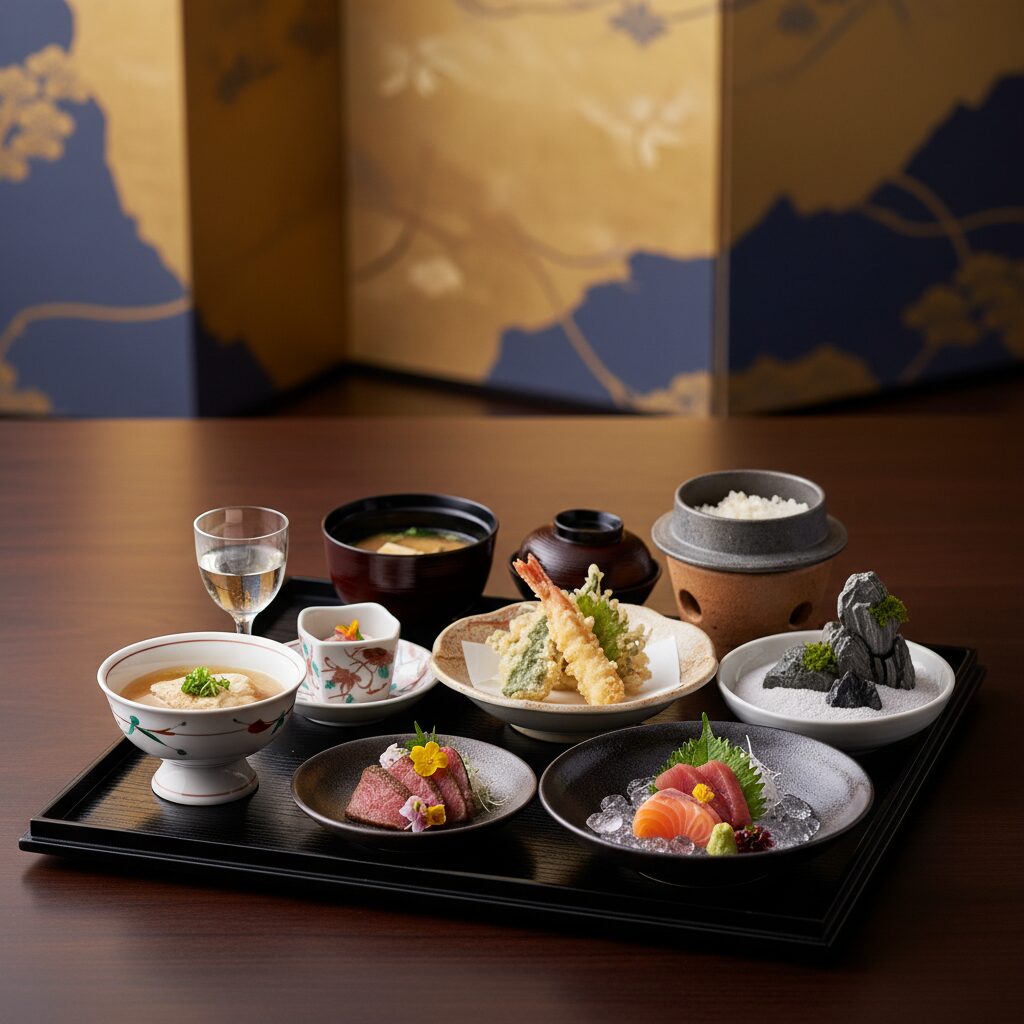
You’ve probably heard of kaiseki. Maybe you’ve seen it on a travel show, a multi-course Japanese meal presented with the precision of a jeweler, often with a price tag that makes you blink. It’s easy to dismiss it as simply Japan’s version of fine dining—a formal, beautiful, and incredibly expensive meal. And while it is all of those things, that’s like saying a symphony is just a collection of nice sounds. It completely misses the point. Kaiseki is not just food. It’s a narrative, a poem, and a meditation, all served on a lacquer tray. Each dish is a chapter in a story being told by the chef, a story about a specific moment in time in a specific place. It’s a culinary language built on centuries of tradition, philosophy, and a profound respect for nature. To experience kaiseki is to participate in this story, to learn to read the signals in a perfectly placed leaf or the choice of a ceramic bowl. Forget thinking of it as just dinner. This is a deep dive into the heart of Japanese aesthetics, where every single element has a purpose and every bite is a word in a much larger sentence. Understanding the code behind it transforms the experience from a luxurious meal into a deeply resonant cultural immersion.
To further appreciate how Japanese culinary art intertwines history and innovation, consider exploring a living coffee museum where every detail reveals its own story.
More Than a Meal: The Philosophy of Kaiseki
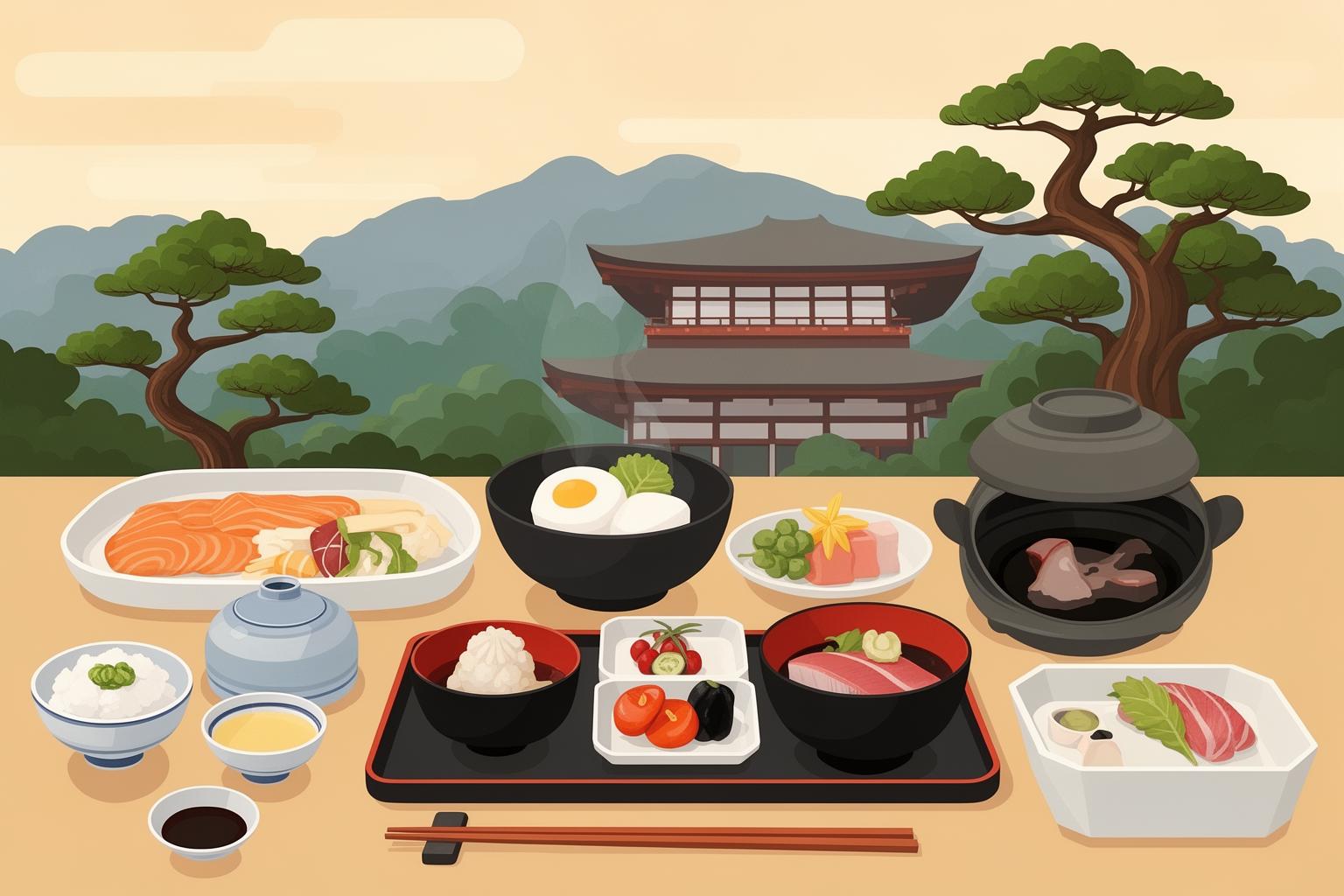
To truly understand what kaiseki is about, you need to look beyond the plate and explore its origins. The tradition didn’t begin in an opulent imperial kitchen but in the serene, minimalist environment of Zen Buddhist temples and the traditional tea ceremony, chanoyu. The term kaiseki (懐石) means “stone in the bosom.” According to legend, Zen monks fasting for extended periods would place heated stones inside the front folds of their robes, close to their stomachs, to ease hunger pains. The meal that came to be linked with the tea ceremony was similarly modest: a small, simple offering designed not to indulge, but to ready the body and spirit for the tea experience. It was about valuing the pure, unembellished essence of the ingredients. Although modern kaiseki can be highly elaborate, its fundamental spirit of mindful appreciation and refined simplicity endures. This philosophy forms the foundation upon which everything else is built.
The Guiding Principles: A Framework for Harmony
Over the centuries, this humble meal evolved but never lost its discipline. Instead, it developed a sophisticated set of principles guiding every decision a chef makes. These are not strict rules but rather pillars supporting a balanced aesthetic. The most essential are the concepts of five: five colors, five flavors, and five cooking methods. This holistic approach ensures the meal is balanced, harmonious, and stimulates all the senses.
Goshiki (五色): The Five Colors
Visual appeal is paramount. The principle of goshiki states that a balanced meal should include five colors: white, black, red, yellow, and green. This goes beyond simply beautifying the plate, although it certainly does that. It serves as a natural encouragement to use a diverse range of ingredients. Picture a pristine slice of white daikon radish, dark nori seaweed, a vivid piece of red tuna, a sliver of yellow yuzu peel, and a crisp green shiso leaf. This color palette ensures a variety of nutrients and textures, creating a composition that is visually striking as well as nutritionally balanced. It prompts the chef to think like an artist, crafting a scene on the plate.
Gomi (五味): The Five Flavors
Equally important is balance on the palate. Gomi refers to the five basic tastes: sweet, sour, salty, bitter, and umami. A kaiseki meal takes you on a journey through these flavors. One dish might emphasize the gentle sweetness of fresh scallops, another the bright, refreshing sourness of a vinegar-dressed vegetable. Bitterness may come from a grilled mountain vegetable, saltiness from a delicate soy sauce, and the rich, savory umami from a masterfully prepared dashi broth. The sequence of dishes is carefully orchestrated so that no single flavor dominates, resulting in a complex and satisfying progression from start to finish.
Goho (五法): The Five Methods
This principle guarantees textural variety and highlights the chef’s full skill set. Goho encompasses the five main cooking techniques: raw (nama), simmered (niru), grilled (yaku), steamed (musu), and fried (ageru). Throughout the meal, you will encounter ingredients prepared using each method. You’ll taste the pure, clean flavor of raw sashimi, the rich, comforting taste of a simmered vegetable, the smoky char of grilled fish, the delicate texture of steamed custard, and the light crispness of perfectly fried tempura. This principle honors the ingredient by selecting the method that best expresses its true nature.
Reading the Menu: The Unspoken Structure of a Kaiseki Course
A kaiseki meal follows a traditional sequence, known as kondate. While the specific dishes vary each night depending on the best available market ingredients, the overall structure remains consistent. This progression is intentional; it is a carefully crafted dramatic arc that moves from subtle starters to a savory peak and concludes with a clean, refreshing finish. Every course has a name and a distinct role within the culinary narrative.
The Prelude: Sakizuke and Hassun
The meal opens softly, not boldly. The sakizuke (先附) serves as the equivalent of a French amuse-bouche—a small bite or two meant to awaken the palate. Often delicate, it highlights a unique seasonal ingredient, offering a preview of the chef’s style and the season’s abundance.
Next comes the hassun (八寸), arguably the thematic centerpiece of the meal. Served on a small, eight-inch tray (the literal meaning of its name), this course is the chef’s opening declaration. It presents a beautiful mosaic of small bites, each capturing the season’s essence through ingredients sourced from both the mountains (yama no sachi) and the sea (umi no sachi). A spring hassun might include tender bamboo shoots alongside sweet firefly squid, whereas an autumn plate might feature chestnuts and grilled sanma fish. Here, the chef’s artistry shines, encapsulating the spirit of the season in a single stunning presentation.
The Main Characters Emerge: Mukozuke and Wanmono
The focus then sharpens. The mukozuke (向付) is the sashimi course, named for its placement “set to the far side” of the tray. This course emphasizes the purity and quality of the raw fish, demonstrating the chef’s relationship with their fishmonger and mastery of the knife. The fish is sliced to showcase its unique texture and flavor, served with freshly grated wasabi and carefully selected soy sauce.
Following this is the wanmono (椀物), or simmered bowl, regarded by many chefs as the pinnacle of the kaiseki meal. Typically a clear soup, its deceptive simplicity belies the skill required. The clarity and flavor of the dashi (broth) are paramount. This is where the chef’s true expertise is revealed. A perfect dashi is a sublime expression of umami—delicate yet profound. Within this pristine broth floats a primary ingredient—perhaps a piece of white fish, a handmade tofu dumpling, or a seasonal vegetable—accompanied by a garnish adding color and aroma, such as a sprig of kinome leaf. Experiencing a truly great wanmono is to understand the soul of Japanese cuisine.
Building the Narrative: Yakimono and Takiawase
As the meal unfolds, the flavors grow more robust. The yakimono (焼物), the grilled course, often features a seasonal fish grilled over charcoal to impart a subtle smokiness while keeping the flesh moist and tender. Depending on the season, this might be sweet ayu (sweetfish) in summer or fatty nodoguro (blackthroat seaperch) in winter. It offers a direct and satisfying flavor contrasting with the preceding subtle dishes.
The simmered dish reappears as the takiawase (焚合), distinct from the wanmono. This course includes various vegetables, tofu, or meat simmered separately in different broths to preserve their individual character, then artfully arranged together in one bowl. It showcases immense technical skill, as the chef must ensure each element is perfectly cooked and that their flavors harmonize when combined.
The Climax and Denouement: Gohan, Konomono, and Tomewan
Just when the meal seems to be drawing to a close, the concluding savory trio arrives, grounding the experience in the foundation of Japanese cuisine: rice. The gohan (御飯), a bowl of impeccably steamed white rice, signals the main portion of the meal is ending. Occasionally, it will be takikomi gohan, rice cooked with seasonal ingredients like mushrooms, chestnuts, or bamboo shoots.
Accompanying it are the konomono (香の物), a small assortment of seasonal pickles. These are not harsh or overly sour pickles but subtly preserved vegetables that provide a crisp, refreshing counterpoint to the rice and serve as a palate cleanser. The final bowl is the tomewan (止椀), a miso soup offering a comforting sense of closure. This combination of rice, pickles, and soup forms the elemental, satisfying core of a traditional Japanese meal.
The Epilogue: Mizumono
Dessert in kaiseki, called mizumono (水物), is a simple affair, not an elaborate display of pastry and chocolate. Its role is to cleanse the palate and conclude the meal on a light, natural note. Typically, it consists of a small serving of perfectly ripe, seasonal fruit, cut with precision to showcase its natural beauty. A summer dessert might be a flawless slice of musk melon, while winter could bring a single, perfect strawberry. It offers a final, gentle reminder of the season, bringing the story to a quiet and elegant close.
The Invisible Elements: Seasonality, Vessels, and Space
What transforms kaiseki from a mere series of expertly prepared dishes into a profound experience are the elements you might not directly taste but undoubtedly feel. These are the deeper cultural and aesthetic principles that permeate the entire meal.
Shun (旬): The Religion of Seasonality
Arguably the most important concept in all of Japanese cuisine, shun embodies seasonality, but with more intensity than the Western farm-to-table idea. It involves capturing an ingredient at its absolute, fleeting peak of flavor. This goes beyond a general season—like summer tomatoes—to a precise few weeks or even days when an ingredient is at its finest. A chef may serve a particular fish for only ten days a year, celebrating not only the season but also the beginning (hashiri), peak (sakari), and end (nagori) of that season, each phase carrying its own subtle distinctions. A kaiseki meal is a snapshot of a specific moment in the year, impossible to replicate even a week later. It is a celebration of impermanence.
Utsuwa (器): The Stage for the Food
In kaiseki, the plates, bowls, and cups—together called utsuwa—are as integral as the food they contain. They are not simply vessels; they form part of the overall composition. Chefs or restaurant owners often spend a lifetime collecting ceramics, lacquerware, and glassware, selecting each piece with exquisite care. The texture, color, and shape of a bowl are chosen to enhance the ingredients. For example, a rustic, earthy piece of Bizen pottery might be used to serve foraged mountain vegetables, linking the dish to the earth. Meanwhile, a delicate, hand-painted porcelain dish might present a single, perfect piece of sashimi. The utsuwa sets the mood, complements the food, and adds another layer of sensory enjoyment for the guest.
Ma (間): The Art of Negative Space
Observe the plating of a kaiseki meal closely. You rarely see dishes piled high. Instead, the arrangements carefully use negative space, or ma (間). This core Japanese aesthetic appreciates emptiness as an active element of a design. The empty space on the plate is never wasted; it frames the food, guiding the eye and allowing each ingredient to be savored and appreciated individually. This restraint embodies a form of luxury, conveying confidence and focus—it implies that what is present is so perfect that it requires no adornment.
Beyond the Food: The Ritual of the Experience
A kaiseki meal is a performance in which both the chef and the guest have essential roles. It’s an exchange of skill and appreciation that brings the experience to completion. It’s a quiet conversation expressed through food, gestures, and unspoken understanding.
The Chef as Storyteller
The chef, or itamae, is much more than a cook. They are an artist, a curator, and a storyteller. Their years of rigorous training go beyond mastering the art of slicing fish or crafting a perfect broth; it’s about learning to observe, feel the seasons, and anticipate the desires of their guests. In many top-tier kaiseki restaurants, the best seats are at the counter—not for the view outside, but for watching the chef in action. This is the stage. Observing their focused, graceful movements forms part of the experience, as they personally guide you through the story they have crafted for that evening.
The Guest’s Part to Play
As a guest, you are not merely a passive consumer. Your role is to be fully present and to appreciate the immense thought and care invested in every detail. This means putting your phone aside, noticing the beauty of the serving dishes, appreciating the seasonal flower in the corner, and tasting the food with mindfulness. You are accepting a gift of artistry and hospitality. By showing your gratitude and being an engaged, respectful audience, you complete the circle. The experience becomes a collaboration—a shared moment of beauty brought to life through the connection between creator and recipient.
This is why kaiseki commands its price. You’re not simply paying for rare ingredients and skilled craftsmanship; you’re investing in a profound, immersive cultural experience. You’re buying a ticket to a performance that embodies centuries of Japanese philosophy concerning nature, beauty, and time. It’s a story told through a dozen small, edible chapters, and once you learn its language, it’s one you will never forget.