Walk down a street in any major city in the world—London, New York, Sydney, anywhere—and you’ll see it. It might be a Gudetama keychain hanging from a backpack, a Pokémon Go player glued to their screen, or a pastel-pink Sanrio-themed phone case. It’s a visual language of soft edges, wide eyes, and disarming vulnerability. It’s kawaii, the Japanese aesthetic of cuteness, and in the 2010s, it went from being a distinct feature of Japanese pop culture to a bona fide global phenomenon. It wasn’t just a trend; it was a full-scale cultural invasion, executed with plush toys and impossibly cheerful characters. The question isn’t just what kawaii is, but why that specific decade was its tipping point. After all, Hello Kitty has been around since the 1970s. So what changed? What confluence of technology, economics, and social mood turned a domestic sensibility into Japan’s most potent and pervasive cultural export? The answer isn’t a simple one. It involves a perfect storm of digital platforms, government strategy, and a world that, frankly, really needed a hug.
Japan’s kawaii phenomenon paved the way for other bold cultural movements, as seen in the striking evolution of gyaru fashion, which continues to redefine Japan’s pop aesthetics on the global stage.
More Than Just “Cute”: Deconstructing the Kawaii Aesthetic
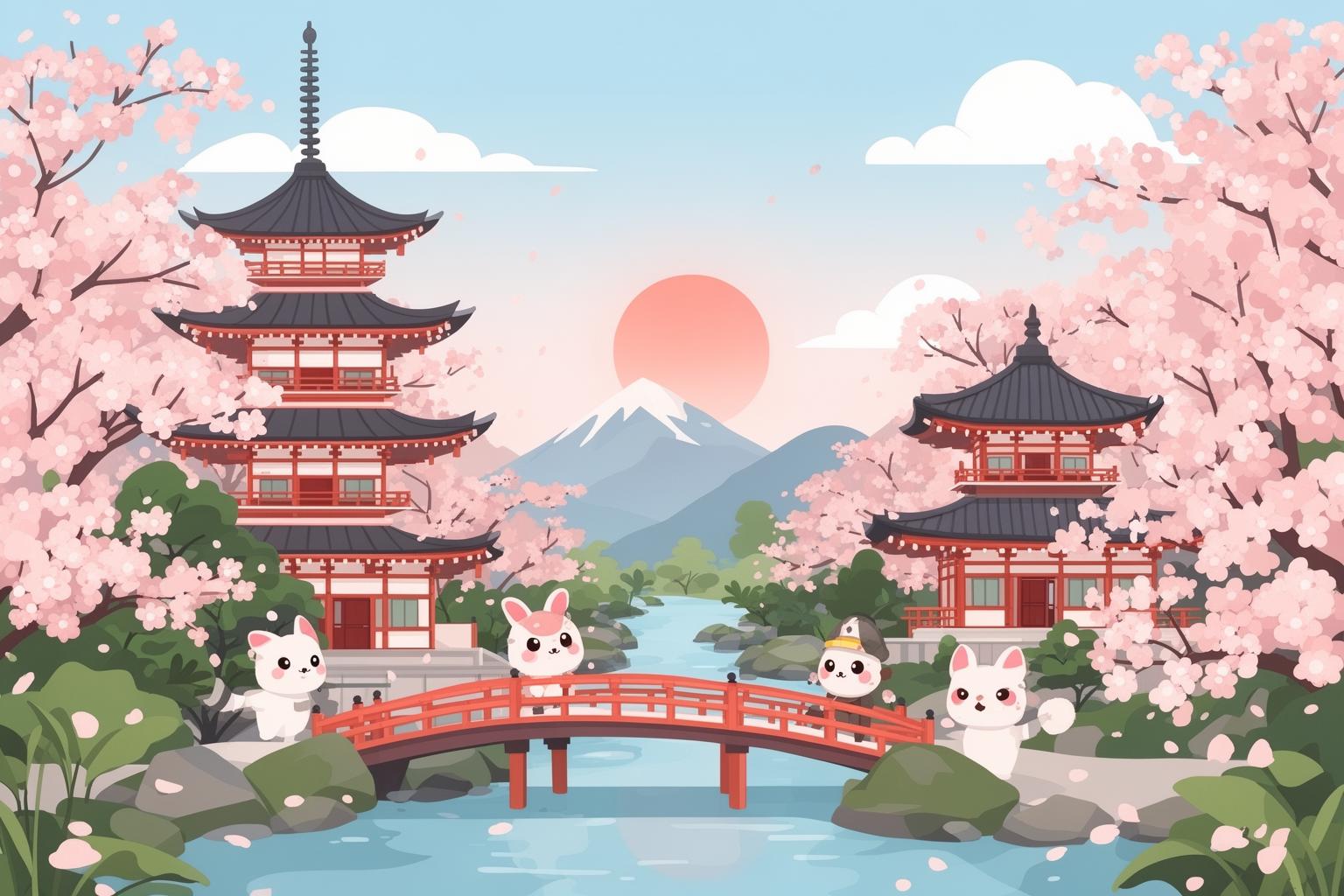
Before we can explore its global explosion, we need to understand what kawaii truly means. Translating it simply as “cute” is like calling “sushi” merely “fish.” You miss the artistry, context, and entire cultural framework that give it meaning. Kawaii is an aesthetic focused on the small, helpless, and endearing. It aims to evoke feelings of affection and a protective instinct. It deliberately rejects the mature, the complex, and the imposing.
The Origins: From Schoolgirl Scribbles to a National Trend
Kawaii as we know it didn’t emerge suddenly with the internet. Its modern origins date back to the 1970s, during a period of social change in post-war Japan. Teenage girls developed a handwriting style called marui ji, or “round writing,” characterized by rounded, almost childlike characters often decorated with hearts, stars, and cartoon faces. Initially banned in many schools, this was a subtle form of rebellion—a quiet refusal of the rigid, hierarchical adult world. It allowed young people to create their own private, gentle space through communication.
Companies quickly took notice. The stationery company Sanrio, founded in the 1960s with the goal of promoting social communication, was well-positioned to capitalize on this trend. In 1974, they introduced a simple, mouthless cat character on a vinyl coin purse: Hello Kitty. She didn’t come from a grand story or blockbuster film. She simply existed. Her blank expression let people project their own emotions onto her, and her simple, rounded design epitomized this emerging aesthetic. She and other Sanrio characters embodied the gentle, non-threatening sweetness spreading through Japanese youth culture.
The Key Ingredients of Kawaii
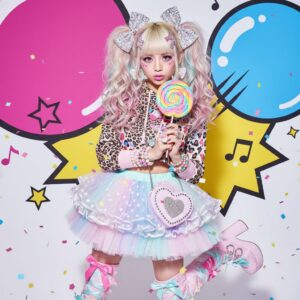
Visually, the kawaii aesthetic follows a consistent set of principles, many grounded in neoteny—the retention of juvenile traits in adults. Common features include:
Big Eyes and Large Heads: Characters typically have disproportionately large heads and wide, expressive eyes, resembling those of a human baby or young animal.
Simplified Forms and Soft Edges: Sharp angles are rare. Kawaii favors rounded, soft, and simple shapes that feel approachable and non-threatening.
Pastel Palettes: Colors tend to be soft and gentle—pinks, baby blues, lavenders, and mint greens dominate, enhancing the overall impression of innocence and calm.
Vulnerability: An essential emotional aspect is a sense of helplessness. Kawaii characters often appear a bit clumsy, shy, or in need of care. This distinguishes it from Western “cuteness,” which often values pluckiness or mischievous energy. Kawaii is about being pitiable and lovable in your imperfection.
This aesthetic stands in stark contrast to traditional Western ideals of beauty, which often highlight maturity, confidence, and sensual appeal. Kawaii doesn’t seek admiration for strength; it longs to be cherished for its softness.
The Perfect Storm: Why the 2010s Were Kawaii’s Global Moment
With these foundations established over decades, something was bound to propel kawaii from the streets of Harajuku into the global mainstream. The 2010s delivered not just one, but a series of powerful catalysts working in perfect harmony.
The Digital Catalyst: Social Media’s Visual Revolution
This is arguably the most crucial factor. The early 2010s witnessed the rapid rise of visually-driven social media platforms. Instagram and Pinterest both launched in 2010, while Tumblr reached the height of its influence. These platforms forged a new global language centered on images rather than words. A photo of an elaborate Totoro-themed bento box, a flawlessly crafted latte art featuring Rilakkuma, or a colorful Harajuku street style outfit could be instantly shared and understood by someone in Brazil, Russia, or the United States.
Kawaii was almost tailor-made for this new environment. Its vivid colors, simple designs, and immediately appealing themes made it highly “shareable.” It was visually striking, emotionally engaging, and required no translation. The visual language of kawaii—the food, fashion, and merchandise—became a universal form of cross-cultural communication. The internet democratized access to it, removing it from the control of traditional media gatekeepers and placing it directly into the feeds of millions.
“Cool Japan”: The Government Gets on Board
While the grassroots digital momentum was building, the Japanese government launched a top-down initiative. Confronted with economic stagnation and a weakening global presence, the Ministry of Foreign Affairs introduced the “Cool Japan” campaign. This large-scale soft power effort aimed to leverage Japan’s cultural assets—anime, manga, food, and fashion—to enhance its international image and boost tourism and exports.
Suddenly, kawaii was more than just a subculture; it became an officially endorsed cultural export. The government began appointing “Kawaii Ambassadors,” trendy models and influencers tasked with promoting Japanese pop culture worldwide. This official backing added a new level of legitimacy. It funded events, supported artists, and ensured that when global audiences sought Japanese content, a well-organized and well-funded infrastructure was ready to deliver. The viral success of Kyary Pamyu Pamyu’s 2011 music video “PONPONPON” exemplifies this synergy—a bizarre, hyper-kawaii spectacle that served both as genuine artistic expression and a flawless advertisement for the Cool Japan brand.
The Economic Push: A Stagnant Domestic Market Looks Abroad
Japan’s prolonged economic stagnation starting in the 1990s meant that by the 2010s, many companies could no longer depend solely on the domestic market for growth. With a shrinking and aging population, the only way for brands like Sanrio, San-X (creators of Rilakkuma), and Nintendo to expand was by reaching international audiences.
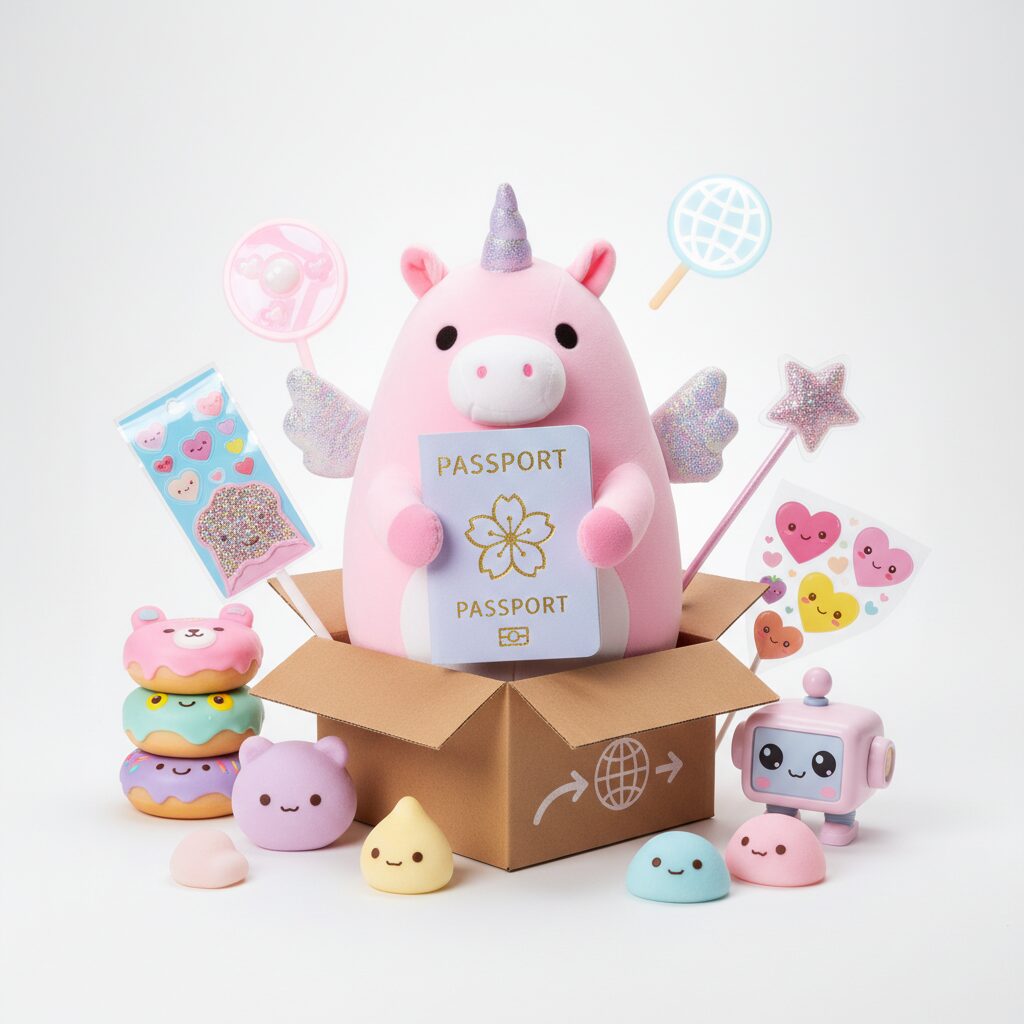
They aggressively marketed their intellectual properties in North America, Europe, and Asia, leading to high-profile collaborations such as Hello Kitty partnerships with global brands like Sephora and Puma. Nintendo’s revival with consoles like the 3DS and Wii U, followed by the mobile gaming boom with Pokémon Go in 2016, placed kawaii characters directly into the hands of hundreds of millions of new users. The economic imperative to globalize aligned perfectly with the technological means to achieve it.
The Global Appeal: Why Did the World Embrace Cuteness?
The channels were established for kawaii to spread, but why was the global audience so eager to embrace it? The aesthetic tapped into a profound psychological need that was especially intense during the 2010s.
An Antidote to an Anxious World
The 2010s were marked by pervasive anxiety. This era began in the wake of the 2008 global financial crisis, with social cohesion increasingly disrupted by political polarization, terrorism, and the relentless, often harsh, 24-hour news cycle fueled by social media. Life felt complex, stressful, and frequently hostile.
Kawaii provided a powerful form of escapism, offering a refuge from conflict, irony, and cynicism. It created a sanctuary of innocence, comfort, and simple, untroubled joy. In a world demanding constant performance, vigilance, and resilience, the allure of something small, soft, and vulnerable was overwhelming. Engaging with kawaii culture—whether by purchasing a plush toy, playing a gentle game like Animal Crossing, or simply viewing cute images online—served as a form of self-soothing. It acted as a psychological balm for a world exhausted by perpetual alertness.
The Rise of Niche Fandom and Otaku Culture
The internet did more than just circulate images; it connected individuals. The 2010s witnessed the growth of online fandom culture. Western audiences, introduced to anime and manga in the 90s and 2000s, now had platforms like Reddit, Tumblr, and specialized forums to form global communities. These established fans of Japanese media were essential conduits, serving as a beachhead for the kawaii phenomenon.
They were early adopters who grasped the cultural context and helped newcomers understand it. They translated content, created fan art, and promoted their favorite shows and characters. By the time mainstream culture embraced kawaii, these dedicated communities were already in place, ready to welcome a wave of new enthusiasts. The boundary between niche “otaku” interests and mainstream pop culture began to blur permanently.
A Subversive Twist: Kawaii as a Form of Expression
Outside Japan, kawaii was not always appreciated superficially. It was adopted and transformed by various subcultures as a means of self-expression, often carrying a subversive edge. In Western fashion and music, artists like Melanie Martinez employed hyper-feminine, pastel-kawaii aesthetics to delve into darker themes of trauma and disillusionment, creating a striking contrast between appearance and meaning.
The aesthetic was also embraced by LGBTQ+ communities and alternative fashion scenes to experiment with and challenge conventional ideas about gender. The softness and androgyny characteristic of many kawaii designs offered a visual language for those seeking to express identities beyond the rigid masculine-feminine dichotomy. It became a way to stand out, reclaim softness as a form of strength, and build identity around a shared appreciation for a specific style. This flexibility ensured that kawaii remained vibrant and relevant as it transcended cultural boundaries.
Beyond the Bows: The Legacy and Future of Kawaii
The full-throated invasion of the 2010s has left an indelible mark on global visual culture. The aesthetic has become so thoroughly integrated that we often no longer recognize it as distinctly “Japanese.”
From Niche to Mainstream
Kawaii design principles are now omnipresent. Its influence can be seen in the rounded corners and friendly interfaces of smartphone app icons. Corporate mascots are increasingly crafted to be approachable and endearing rather than authoritative. The character designs in globally successful Western animations frequently draw heavily from the big-eyed, simplified forms pioneered in Japan. Kawaii has become part of the universal toolkit for visual communication, serving as a reliable way to convey friendliness, ease of use, and emotional safety.
The Evolving Definition
Even within Japan, kawaii is not a single, fixed concept. It continues to evolve and branch into new sub-genres. The 2010s also witnessed the rise of yuru-kyara, the slightly awkward and often quirky regional mascots like Kumamon from Kumamoto Prefecture. These characters are intentionally imperfect, adding a relatable layer of awkwardness to the traditional kawaii style.
At the same time, aesthetics like kimo-kawaii (grotesque-cute) and yami-kawaii (sick-cute), which blend cute imagery with themes of horror or mental illness, reveal the aesthetic’s remarkable versatility. They show that kawaii is not just about naive happiness but can serve as a complex and nuanced language for exploring the full range of human emotion. As long as it keeps evolving to reflect the anxieties and hopes of new generations, the global appeal of kawaii is unlikely to diminish. It was the defining pop culture export of the 2010s because it was the perfect aesthetic, at the perfect moment, for a world that needed it.