It often starts the same way. You’re on YouTube late at night, letting the algorithm guide you through a gentle stream of lo-fi hip hop or ambient soundscapes. Then, a new recommendation appears. The thumbnail is an unassuming, black-and-white photograph of a woman smiling, her hair styled in a way that’s not quite modern. The title is in Japanese, but the English part reads: Mariya Takeuchi – “Plastic Love.” You click, and for the next seven minutes and fifty-three seconds, you’re not in your apartment anymore. You’re cruising down a Tokyo expressway at midnight in 1984, the neon signs of Shinjuku blurring into streaks of pink and blue. The sound is impossibly smooth—a fusion of disco, funk, and soul, topped with a voice that’s both melancholic and infectiously optimistic. You’ve just fallen down the rabbit hole of City Pop, a genre of Japanese popular music from the late 1970s and 80s that, until a few years ago, was largely a cultural artifact within Japan. Today, it’s a global internet phenomenon, a full-blown subculture with millions of devotees who weren’t even alive when the songs were recorded. This isn’t just a case of a few old songs going viral. The resurgence of City Pop is a fascinating story about technology, aesthetics, and a powerful, collective nostalgia for a past that most of its new fans never experienced. It’s the soundtrack to a dream of a bygone era, one that feels strangely more futuristic and hopeful than our own present.
City Pop rekindles a nostalgic allure that mirrors the innovation found in Japan’s creative pursuits, as seen in the meditative world of Gunpla, where tradition and modernity harmoniously converge.
The Ghost in the Algorithm
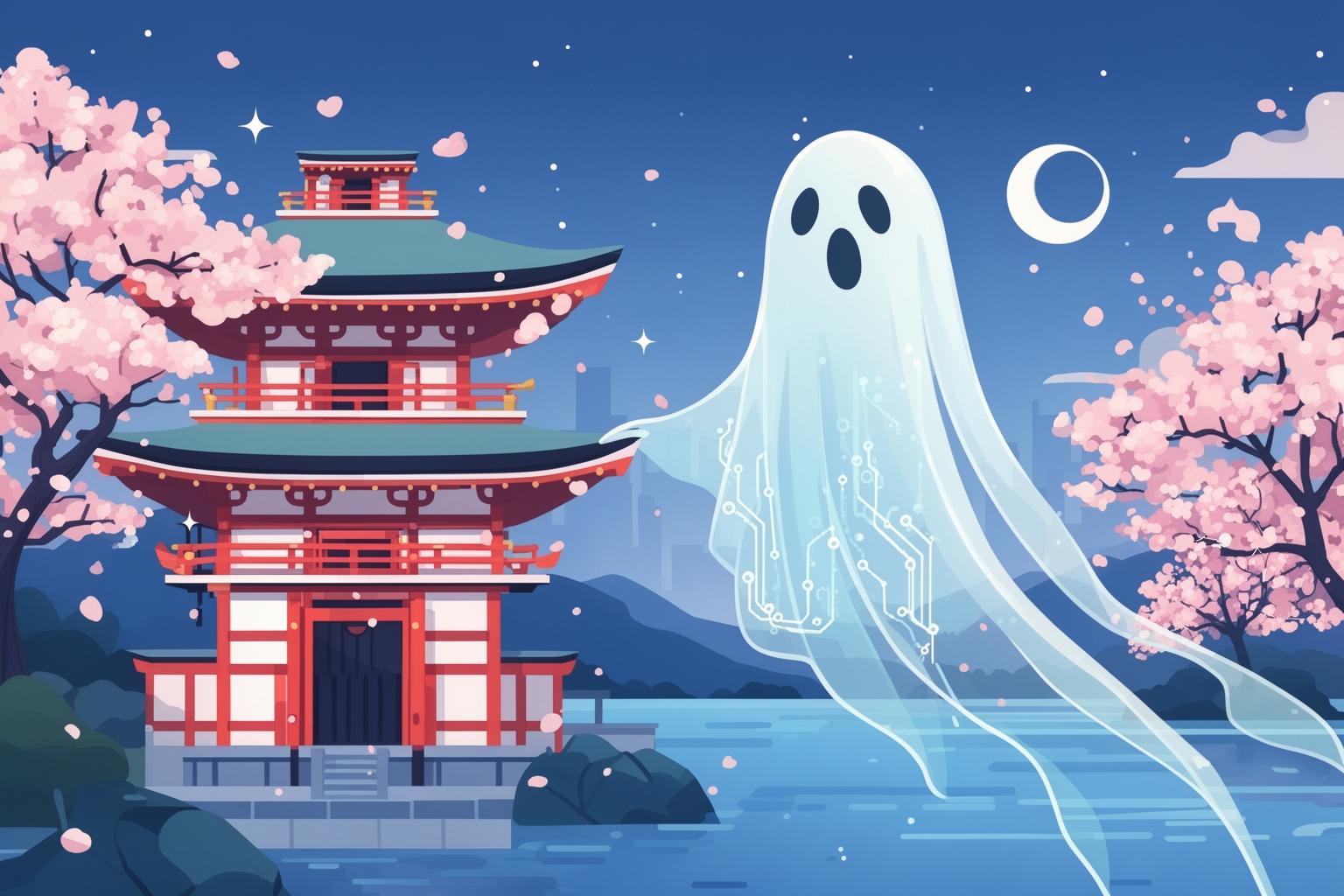
The global revival of City Pop is closely tied to the strange and unpredictable nature of the internet. For years, this music lingered on vinyl records hidden in Tokyo’s secondhand stores or as forgotten tracks on cassette tapes. Then, around 2017, the YouTube algorithm, for reasons known only to its intricate inner workings, brought Mariya Takeuchi’s “Plastic Love” out of obscurity. It began recommending an eight-minute unofficial upload of the song to users worldwide, regardless of their listening preferences. The song’s infectious groove and Takeuchi’s smooth vocals did the rest. It quickly went viral. Suddenly, comment sections were flooded with people from Brazil, Poland, Mexico, and the United States, all asking the same questions: “How did I get here?” and “Why is this so good?” This was not a planned marketing effort by a record label; it was a spontaneous form of digital archaeology, a ghost in the machine uncovering a cultural gem. This single moment created a gateway. Once you listened to “Plastic Love,” the algorithm knew what to do. It began recommending other City Pop artists: Tatsuro Yamashita, the genre’s unofficial king, known for his sun-soaked, intricate arrangements; Anri and her lively, beach-inspired hits; Toshiki Kadomatsu and his refined, jazz-tinged funk. Each click drew listeners further into a musical world that felt both comfortingly familiar—rooted in American funk, AOR (Album-Oriented Rock), and soul—and yet exhilaratingly new. The algorithm built the audience, and the audience, in turn, taught the algorithm that there was a voracious global appetite for this rediscovered sound.
An Aesthetic for the Digital Age
City Pop didn’t just emerge with a distinctive sound; it arrived with a fully-realized, remarkably powerful visual identity. Discovering the genre online is as much about the album art and related imagery as it is about the music itself. This pre-established aesthetic was ideally suited for the visually-driven platforms of Instagram, Pinterest, and Tumblr, offering a complete package that a new generation could embrace.
The Look of Optimism
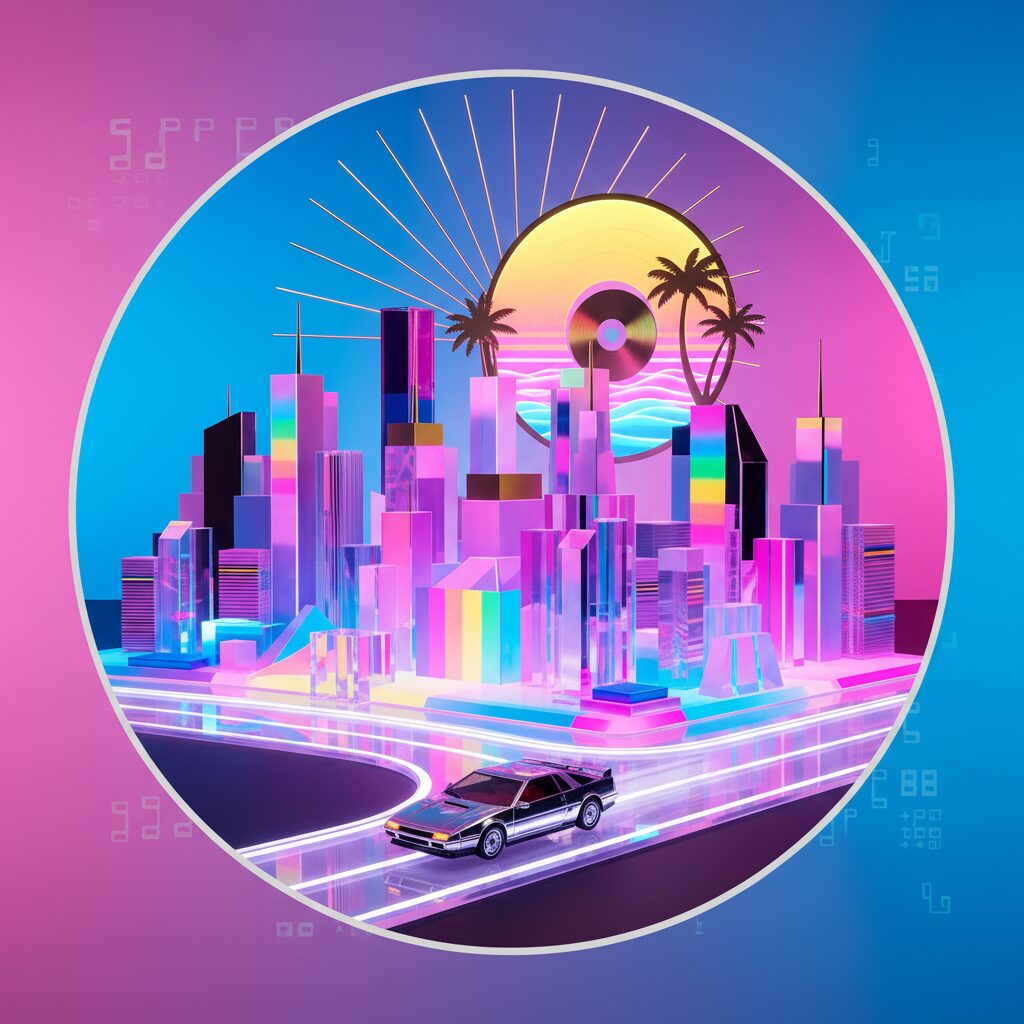
The album covers from this period are masterpieces of escapist art. Artists like Hiroshi Nagai and Eizin Suzuki shaped the genre’s visual style with their crisp, sunlit paintings featuring azure swimming pools, sleek modern architecture, empty highways leading to the coast, and palm trees outlined against pastel sunsets. The absence of people in these scenes fosters a sense of calm, stylish solitude. It presents an idealized California dream through a Japanese perspective. This artwork portrays a world of endless summer and effortless coolness. It’s clean, aspirational, and free from the noise and stress of contemporary life. When fans create City Pop playlists on Spotify or YouTube, they almost always choose one of these iconic images as the cover. The art conveys the mood of the music perfectly, even before a single note is heard. It serves as a visual shorthand for hope and escape.
Anime as a Visual Time Machine
Aside from the official album art, fans have developed their own visual language for City Pop by pairing the music with clips from 80s anime. Series such as Kimagure Orange Road, City Hunter, and Maison Ikkoku are common sources. These shows depict the same world the music evokes: stylish young adults navigating romance and life in a vibrant, idealized Tokyo. A scene showing a character driving a convertible through the city at night, smoking a cigarette while a melancholic City Pop track plays, becomes a striking, standalone piece of media. It’s a brief music video that perfectly captures the mood of urban ennui and refined longing. This blend of sound and animation creates a powerful feedback loop. The music gives new emotional resonance to the vintage anime footage, while the visuals add narrative context to the songs, making the fantasy of 80s Japan feel vivid and real. For many listeners, these anime clips are more than just illustrations; they embody the definitive visual experience of the genre.
Nostalgia for a Paradise Never Lived

At the emotional core of City Pop’s appeal lies a very specific kind of nostalgia. It’s not merely a longing for the past, but a desire for a particular version of the past that seems impossibly glamorous and hopeful. This music emerged from Japan’s “Bubble Economy” (baburu keizai) of the 1980s, a time of unprecedented economic prosperity when Japan appeared ready to become the world’s leading economic power. There was a widespread feeling of confidence, ambition, and seemingly endless wealth. This optimism is deeply embedded in the music. City Pop is the soundtrack of that national spirit. It’s music created for and about a new urban leisure class with money to spend on imported cars, designer clothes, high-end stereo equipment, and cocktails in skyscraper lounges. The lyrics often celebrate city life, summer romances, seaside drives, and dancing until dawn. It’s pure, unfiltered aspirational fantasy. For contemporary listeners living amidst economic uncertainty, climate anxiety, and digital overload, this vision of the past is captivating. It represents a simpler, more stylish, and fundamentally more optimistic era. It doesn’t matter that this image is a romanticized caricature of the time, or that most of the genre’s new fans have no direct connection to 80s Japan. This phenomenon, sometimes called “anemoia,” or nostalgia for a time you’ve never experienced, is powerful. City Pop lets you feel a sense of belonging to this idealized past, providing a brief escape from the complexities of today.
The Music Itself: A Timeless Escape
Certainly, none of this would matter if the music itself weren’t exceptionally good. Remove the algorithms, the aesthetics, and the nostalgia, and you’re left with impeccably crafted pop songs. During the bubble years, record labels had enormous budgets for production. They could afford to hire top session musicians, use cutting-edge recording studios, and spend countless hours perfecting every track. The result is a sound that is rich, layered, and incredibly polished.
The musicianship is often astounding. City Pop drew heavily from Western genres, and Japanese artists didn’t just imitate them; they mastered these styles while adding their own unique melodic sensibilities. You can hear the tight, funky basslines of American funk, the smooth chord progressions reminiscent of Steely Dan’s jazz-rock, the lush string arrangements of Philly soul, and the four-on-the-floor beat of disco. Artists like Tatsuro Yamashita, often compared to Brian Wilson for his obsessive studio perfectionism, crafted dense, symphonic pop that still sounds fresh and innovative today. The genre’s magic lies in its emotional duality. The sound is frequently upbeat, driving, and perfect for dancing. Yet, the melodies and vocals often carry a subtle undercurrent of melancholy—a wistfulness known in Japanese as setsunasa. It’s a feeling of bittersweet impermanence, a joyful moment tinged with the sadness of knowing it will end. This emotional complexity is what gives the music its lasting appeal. It’s a sound both joyful and introspective, suitable for a lively party or a solitary drive home, making it universally relatable.
A Subculture Without Borders
The resurgence of City Pop serves as an ideal example of how subcultures emerge in the 21st century. It is not a movement rooted in a particular city or club scene, but rather a decentralized, global community linked by shared playlists and comment threads. Language poses no barrier; the emotion the music conveys is universal. A fan in São Paulo can share a rare track with someone in Seoul, who then incorporates it into a video that is discovered by someone in Los Angeles. The appeal is wide-ranging. It connects with crate-digging vinyl collectors who value the musicianship, with younger listeners seeking a distinctive aesthetic to embrace, and with anyone looking for a source of uncomplicated, sophisticated joy. In a sense, City Pop presents a vision of a globalized culture that the 1980s could only imagine. It was music created in Japan, deeply inspired by America, and has now been rediscovered and embraced worldwide through a digital network that crosses borders. It stands as a testament to the lasting power of a great melody and an ideal vibe—a reminder that sometimes, the most forward-thinking sounds can be found in the past.