You know the feeling. It’s the sound of a late summer afternoon, even if you’re listening in the dead of winter. A clean, shimmering guitar chord cuts through the air, followed by a bassline so smooth it feels like it’s cruising in its own lane. Horns punch in, sharp and bright as sunlight glinting off chrome. The vocals are effortless, floating over a beat that’s just relaxed enough to feel like leisure but just tight enough to make you want to move. This is the sound of City Pop, the soundtrack of 1980s Japan that, through some strange magic of internet algorithms and universal longing, has become the world’s nostalgia for a time and place most of its new fans never experienced.
But here’s the central paradox, the question that gets to the heart of what this music really is. Why is a genre named for the city—born from the immense wealth, technological futurism, and urban sophistication of Bubble Era Tokyo—so utterly obsessed with getting away from it? Listen closely to the lyrics and, more importantly, to the feeling embedded in the music itself. The dominant landscape isn’t the neon-drenched canyons of Shinjuku or the bustling crosswalks of Shibuya. It’s the endless blue of the Pacific. It’s the sun-drenched dashboard of a car racing down a coastal highway. It’s the cool, chlorinated water of a resort swimming pool at dusk. City Pop is urban music that dreams of the shore.
This wasn’t a casual theme; it was the genre’s emotional core. This music created a meticulously crafted fantasy, a sonic escape hatch for a generation of young Japanese professionals who were powering the country’s economic miracle. They were living in one of the most exciting, fast-paced urban environments on the planet, yet the art they consumed was a daydream of open roads, seaside resorts, and idyllic, endless summers. It was escapism, yes, but a very specific, highly curated form of it. This article is about that dream—how it was built, what it sounded like, and why, decades later, this fantasy of leaving the city behind feels more potent than ever.
The bittersweet escape of shimmering city dreams mirrors the communal vibe found in all-night karaoke, where a night out becomes a shared refuge from urban chaos.
The Sound of the Bubble: Forging a Soundtrack for Affluence
To understand why City Pop needed to dream of the coast, you first have to grasp the city that gave rise to it. Japan in the late 1970s and throughout the 1980s was a place brimming with supreme confidence—a nation that had emerged from post-war devastation to become an economic and technological powerhouse. Tokyo, especially, felt like the epicenter of the future. The yen was strong, lifetime employment was the norm, and disposable income was an exciting new reality for a large part of the population. This wasn’t just economic data; it was a tangible atmosphere of optimism and boundless potential.
Music, as always, mirrored the era. The raw, politically charged folk and rock of the 60s and early 70s gave way to something fresh: a sound that was sophisticated, polished, and unapologetically commercial. City Pop was a musical hybrid—a masterful fusion of Western influences absorbed and reimagined with Japanese precision and aesthetic sensitivity. Its foundation included American and British AOR (Album-Oriented Rock), the smooth grooves of Philadelphia soul, the rhythmic beats of disco, the complex harmonies of West Coast jazz-funk, and the breezy melodies of soft rock. Bands like Steely Dan, The Doobie Brothers, Earth, Wind & Fire, and Boz Scaggs were clear points of reference.
Yet, this was far from mere imitation. Japanese musicians took these elements and forged something distinctly their own. The genre’s pioneers, figures like Haruomi Hosono, Shigeru Suzuki, and Tatsuro Yamashita—often collaborating under names like Tin Pan Alley—were musical masters. They were obsessed with sound quality and production. The Bubble economy poured money into the recording industry, enabling budgets that would be unimaginable today. Studios were outfitted with the latest technology, and sessions featured Japan’s top session players, delivering intricate horn arrangements, flawless basslines, and lush string sections.
The outcome was a sound that was incredibly clean, rich, and high-fidelity. This was luxury music for an affluent society. It was the auditory equivalent of a tailored suit or a high-performance car. The shine and polish were intentional. It was crafted to be experienced on equally advanced technology, which was rapidly becoming part of everyday life. The rise of high-quality component stereo systems for the home and, crucially, the invention of the Sony Walkman in 1979, meant this pristine music could accompany listeners constantly. It was a personal soundtrack for a new, modern lifestyle. This technological backdrop is crucial: City Pop was mobile music, designed to travel with you as you moved through the world—or at least, the world you aspired to navigate.
The Open Road and the Seaside Drive: An Automotive Daydream
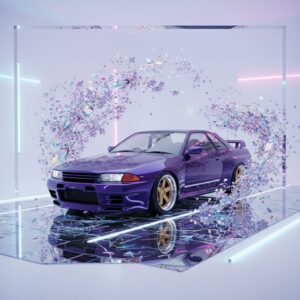
Perhaps the most powerful and recurring fantasy in the City Pop repertoire is the seaside drive. It’s a motif that appears so often it becomes a fundamental part of the genre’s overall aesthetic. In 1980s Japan, a car was more than just transportation. For a generation raised amidst the world’s most efficient yet overwhelmingly crowded public transit system, owning a car symbolized freedom, individuality, and success. It was a private space—a personal bubble of air-conditioned comfort and carefully selected sound—a vessel for escaping the city’s relentless pace.
Tatsuro Yamashita stands as the indisputable master of this automotive daydream. He didn’t simply write songs about driving; he created soundscapes that captured the feeling of driving itself. Consider the opening of his 1982 classic, “Sparkle.” That sharp, iconic guitar riff is more than just notes; it’s the sonic representation of sunlight striking the hood of a car, light reflecting off a flawlessly polished fender. The song’s smooth groove propels you forward, evoking a sensation of motion and open space. His earlier hit, “Ride on Time,” is even more direct. The title alone is an invitation, and its driving rhythm coupled with the soaring chorus generates a mood of thrilling, optimistic movement. It’s the ideal soundtrack for steering the car toward the horizon and pressing the accelerator.
This musical fantasy was tied to real-world places that became legendary for young Tokyoites. The Shonan coast, a stretch of beaches southwest of the city near Kamakura and Enoshima, was a primary destination. Close enough for a day trip, it still felt worlds away from Tokyo’s concrete density. The Izu Peninsula, farther afield, offered winding coastal roads and hot spring resorts. These locations weren’t just destinations; they were stages where the City Pop lifestyle was enacted. The music provided the script.
The music’s very sound was designed to evoke this experience. The clean, bright tones of the Fender Stratocaster electric guitar, often tinged with a chorus effect, suggested open air and sunshine. The warm, shimmering chords of the Fender Rhodes electric piano became the sound of a gentle sea breeze. The basslines were consistently active and melodic, but seldom aggressive, providing a sense of smooth, forward momentum like a finely tuned engine. Above it all, layered and lush vocal harmonies created an impression of expansive, wide-open space. This was the sound of leaving your worries—and the city—behind in the rearview mirror.
The visual imagery that accompanied the music amplified this fantasy. The album art by illustrator Hiroshi Nagai, especially his work for Eiichi Ohtaki’s seminal album “A Long Vacation,” became iconic. Nagai’s paintings portray a hyper-real American West Coast dreamscape featuring pristine swimming pools, sleek modern architecture, classic cars, and clear blue skies, almost always with the ocean nearby. People are rarely present in these scenes, heightening the sense of a private, personal paradise. When you bought the record, you weren’t just purchasing music; you were acquiring a piece of the fantasy, a gateway to a place where the sun always shines and the road is always open.
Poolside, Cocktails, and the Resort Fantasy
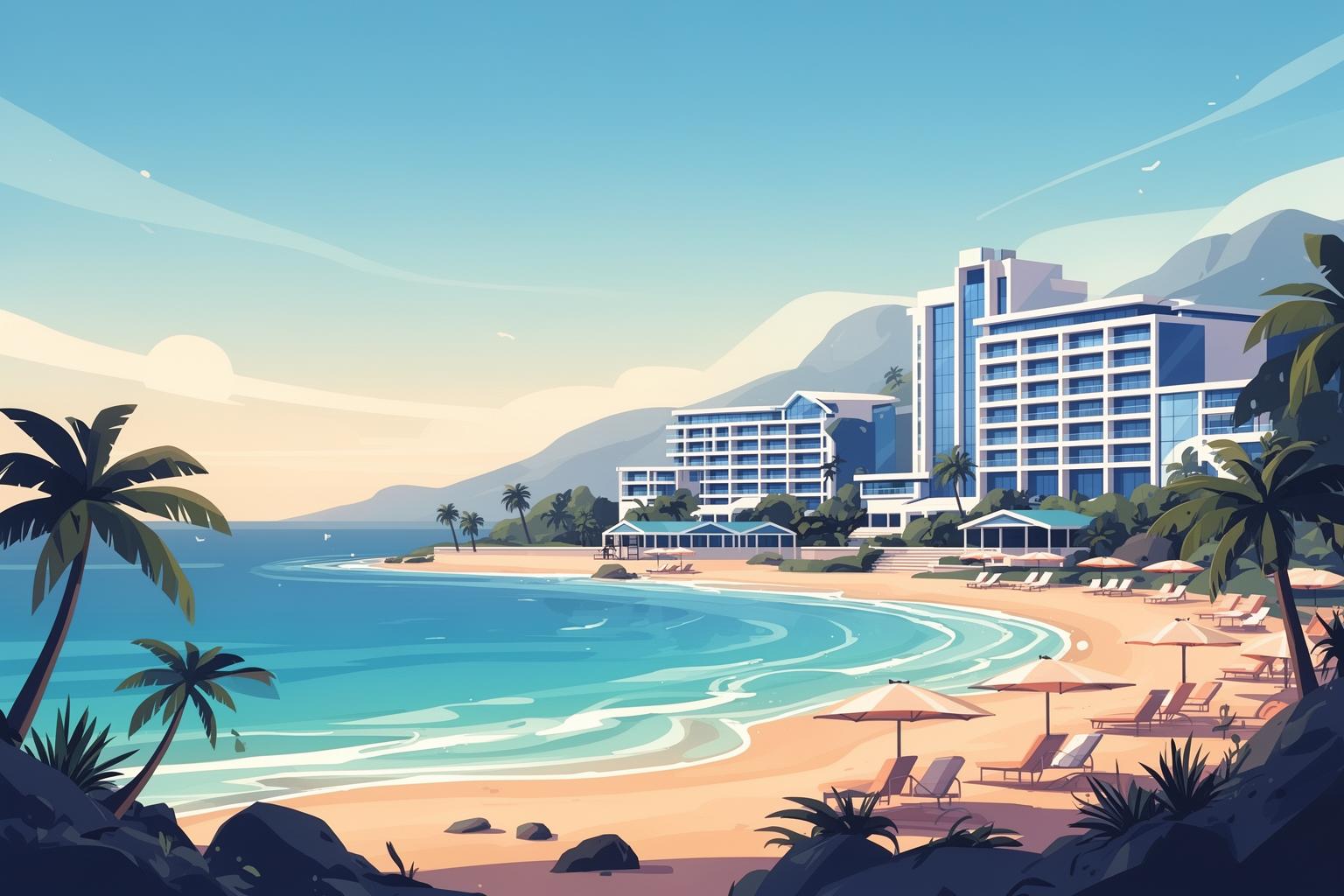
If the seaside drive represented the journey, the resort symbolized the destination. The second major escapist pillar of City Pop is the dream of a leisure-filled resort lifestyle. This is where the car is parked, the luggage checked in, and the sole focus becomes relaxation and refined indulgence. This theme shifted the genre’s emphasis from the dynamic motion of the highway to the serene stillness of a poolside lounge chair.
No one embodied this vibe better than artists like Toshiki Kadomatsu and the various projects led by Kiyotaka Sugiyama, most notably Omega Tribe. Their music is a pure, distilled resort fantasy. Listening to Omega Tribe’s “Aqua City” or “River’s Island” feels like being transported straight to the edge of an infinity pool overlooking a tropical bay. The sound is even more polished, often blending elements of fusion and yacht rock. The production is crystalline, featuring prominent synthesizers that create watery textures, alongside crisp percussion that resembles ice clinking in a cocktail glass.
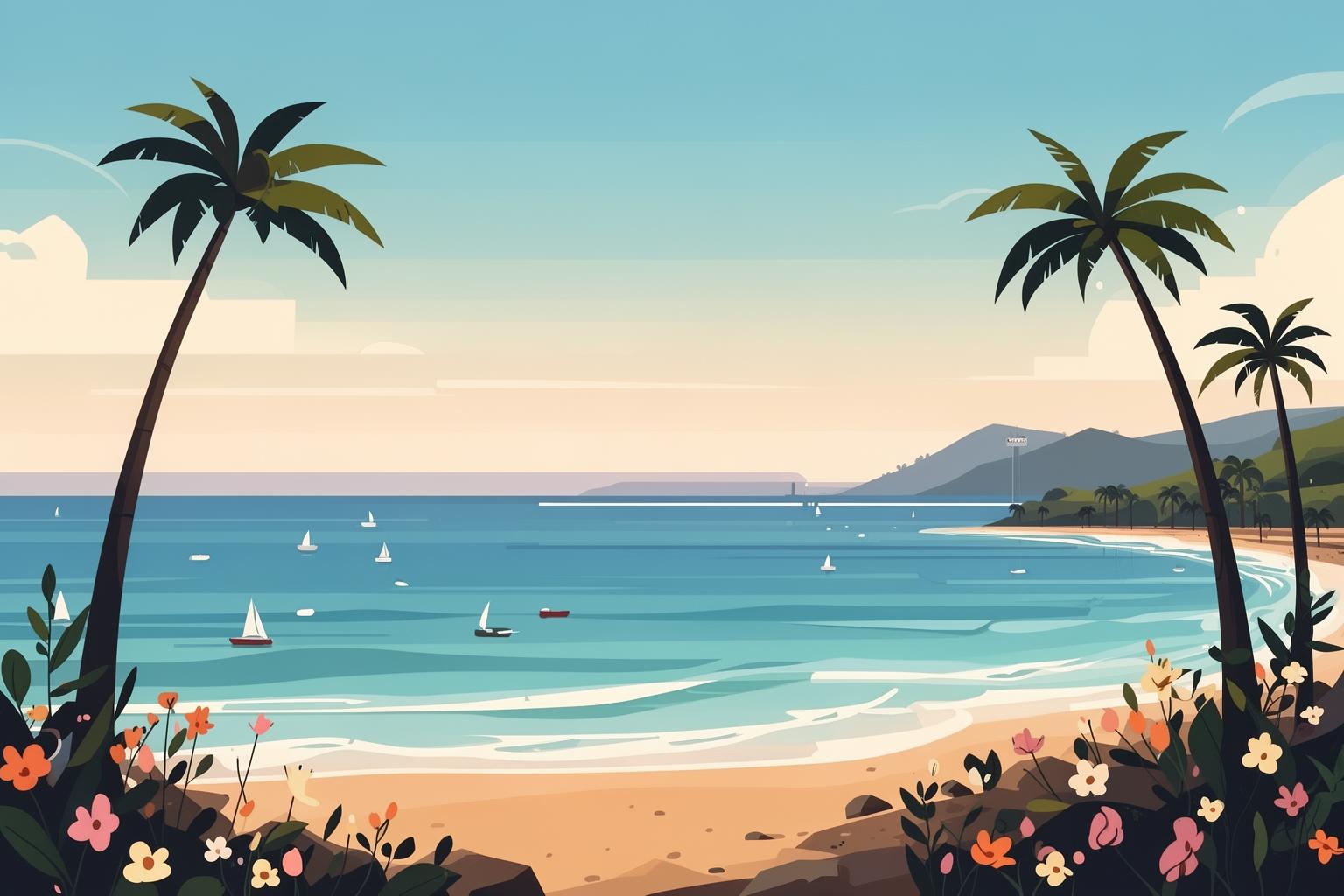
The imagery evoked by this music is remarkably specific and consistent. It’s a world of palm trees (sometimes imported and planted to achieve the desired ambiance), shimmering swimming pools, stylish sunglasses, and tall, colorful drinks. It’s a fabricated paradise, a meticulously crafted setting designed for ultimate leisure. This fantasy drew heavily on idealized images of destinations like Hawaii, California, and the French Riviera but was repackaged for a domestic audience. It offered an accessible form of exoticism, a holiday experience both glamorous and conveniently located within Japan’s blossoming resort areas, such as Okinawa and the Izu islands.
A crucial element in creating this atmosphere was the deliberate use of “wasei-eigo,” or Japanese-made English. Song titles and lyrics frequently featured English phrases selected more for their evocative effect than grammatical accuracy. Titles like “Summer Suspicion” (Omega Tribe), “Midnight Pretenders” (Tomoko Aran), and “Asphalt Lady” (Kiyotaka Sugiyama) were never meant to be taken literally. They served as mood-setters, symbols of a chic, modern, and vaguely Western lifestyle. These English words acted like seasoning, adding a touch of cosmopolitan flair to the songs and reinforcing the notion that this was an escape from the ordinary realities of everyday Japanese life.
The music itself was perfectly crafted for this environment. The tempo often slowed from the energetic pace of the “seaside drive” tracks to a more relaxed, mid-tempo groove. The arrangements grew more intricate, featuring elaborate saxophone solos and layered keyboard textures that encouraged passive listening. This was music intended to serve as a background element, an ideal ambient soundtrack for lounging, socializing, and watching the sunset with a drink in hand. It was no longer about the excitement of the journey but the tranquil pleasure of having arrived. This resort fantasy embodied the ultimate reward for the hardworking urban professional: a temporary, blissful escape into a world where the only decision was which cocktail to order next.
The Melancholy of Sunset: Nostalgia for a Perfect Summer
Despite its sun-soaked optimism, City Pop is not merely a genre of simple happiness. Woven deeply within its fabric is a thread of melancholy—a quiet sense of nostalgia and impermanence—that lends the music its unexpected emotional depth. The genre’s escapism is, by definition, transient. The sun must set, the summer vacation will end, and the return trip to the city is unavoidable. This subtle recognition that the perfect moment is fleeting is what transforms City Pop from straightforward feel-good music into something more profound and lasting.
This bittersweet essence is often most evident in songs set during the transition from day to night. The mood changes from the bright, boundless energy of midday to a more reflective, romantic, and often solitary evening atmosphere. Miki Matsubara’s “Mayonaka no Door / Stay With Me,” a global viral sensation long after its original release, stands as the perfect example. The song’s iconic request to “stay with me” unfolds against a refined, urban backdrop. It’s about trying to hold onto a connection, a moment, in a city that never stops moving. The sentiment isn’t tragic, but rather poignant—a gentle sadness that feels mature and relatable.
In a similar vein, artists like Takako Mamiya and Anri mastered capturing this particular mood. Mamiya’s album “Love Trip” features tracks like “Mayonaka no Joke” (Midnight Joke) with a cool, nocturnal vibe. The jazz-inflected chords and Mamiya’s breathy vocals create an intimate, late-night ambiance focused more on introspection than celebration. Anri’s “Last Summer Whisper” explicitly addresses the theme of a perfect time now passed into memory. The title alone tells the story. While the music remains light and beautiful, it is marked by the awareness that summer has ended.
This sense of melancholy touches on a fundamental Japanese aesthetic known as mono no aware, loosely translated as “the pathos of things”—a gentle sadness about life’s transience. It’s the feeling evoked by watching cherry blossoms fall, fully aware that their beauty is temporary. City Pop adapts this concept to modern existence. The perfect summer day, the fleeting holiday romance, the balcony view at sunset—these serve as contemporary parallels to the falling cherry blossom. Instead of mourning their passing, the music acknowledges it, discovering a unique beauty in their impermanence.
This emotional nuance is what continually draws listeners back. The initial appeal might be irresistible grooves and sunny melodies, but the enduring attraction lies in the undercurrent of genuine human feeling. It’s an acknowledgment that the fantasy is, indeed, just a fantasy. The “endless summer” promised in resort brochures and song lyrics is an illusion. By embracing this truth, City Pop becomes more than mere escapism; it evolves into a meditation on memory, longing, and the bittersweet reality that all good things inevitably come to an end.
Why a Fantasy? The Pressure Cooker of Urban Life
To truly understand why this fantasy of seaside escape was so compelling and essential, we need to look beyond the idyllic album covers and examine the reality of life for City Pop’s target audience. The music was created for and enjoyed by the young urban professionals driving the Bubble economy: the “salarymen” in their sharp suits and the “OLs” (office ladies) in their stylish blouses. Despite the economic prosperity, their lives were often a grueling cycle of pressure and conformity.
The reality of Japan’s economic miracle was founded on long working hours. The work culture required immense dedication, with many employees staying late at the office, then taking part in mandatory after-work drinking sessions with colleagues and clients. The daily commute was a test of endurance, squeezed among strangers in impossibly crowded trains heading toward Tokyo’s massive terminal stations. Living spaces were notoriously tiny—compact apartments in sprawling suburban housing blocks, offering little personal space or connection to nature. Tokyo was, and remains, an overwhelming sensory experience: a world of concrete, steel, glass, and relentless neon.
In this context, the escapism offered by City Pop was more than a luxury; it was a psychological necessity. It served as a vital counterbalance to the high-pressure, high-density urban lifestyle. When a salaryman put on his Walkman during his hour-long commute on the Chuo Line, he wasn’t just listening to music. He was opening a portal. The shimmering guitars of Shigeru Suzuki or the smooth vocals of Mariya Takeuchi could transport him mentally from a packed train car to the driver’s seat of a convertible on the Shonan coast. The music acted as a release valve, offering a sense of freedom and open space physically missing from his daily routine.
It’s important to recognize the kind of nature City Pop idealized. This fantasy was not about rugged wilderness or untamed forests. Rather, it was about nature that had been curated, civilized, and made comfortable for the urban consumer. The beach was a clean, sandy stretch with convenient parking. The ocean served as a calm, blue backdrop for a scenic drive, not a wild, unpredictable force. The resort was a perfectly manicured garden of tropical plants around a chlorinated pool. This was nature as an amenity, a luxury good—an accessible, safe version of the natural world, redesigned to meet the leisure needs of city dwellers.
This distinction is critical. The music was not a rejection of the city; it was a product of it. Created with city technology, funded by urban wealth, and designed to soothe city anxieties, it affirmed the urban lifestyle by providing an engineered escape from its drawbacks. It communicated to its listeners: your hard work in the city makes this seaside dream possible. It was a perfect symbiotic relationship. The concrete jungle generated the pressure, and City Pop delivered the dream of a plastic beach to ease it.
The Enduring Echo of the Dream
City Pop’s resurgence, discovered by a global internet audience, is remarkable in itself. The simple explanation involves YouTube algorithms and the viral success of Mariya Takeuchi’s “Plastic Love.” But the deeper reason for its striking resonance today is that the fantasy it embodies remains more relevant than ever. The central tension that fueled City Pop—the conflict between modern urban demands and our innate yearning for escape, nature, and open space—has not disappeared. If anything, it has intensified and spread globally.
We may not live in 1980s Tokyo, but feelings of being overworked, digitally overwhelmed, and disconnected from nature are nearly universal in the 21st century. The need for a psychological release valve persists. City Pop offers a uniquely powerful form of it—a portal to a simpler, more optimistic, and aesthetically perfect world.
It is a world free from the anxieties of our era. There are no internet, no social media, no climate crisis in the world of City Pop. Only the analogue warmth of the recordings, the promise of open roads, and the cool blue swimming pool at dusk exist there. It is a highly specific and beautifully crafted fantasy. The music’s melancholic undertones keep it from becoming saccharine, adding depth that makes the dream feel more tangible, more authentic, even as we know it’s an illusion.
Ultimately, the lasting power of City Pop’s escapism lies in its purity. It is a sonic vacation—a perfect, self-contained memory of a summer that may never have happened for the original listeners, let alone its new fans. It is a soundtrack for an ideal, not a real place—a destination in the mind where the breeze is always warm, the music always smooth, and the city just a distant glow in the rearview mirror.