You’ve seen it in movies, anime, or maybe on a trip to Japan. Just before anyone picks up their chopsticks, there’s a quiet moment. Hands come together, heads dip in a slight bow, and a single word is spoken, often in a gentle murmur: “Itadakimasu.”
Most guidebooks will give you a quick and easy translation: “Let’s eat,” or perhaps a slightly more formal, “Thanks for the food.” Some compare it to saying grace. While these translations aren’t entirely wrong, they are deeply incomplete. They’re like describing a complex symphony as just “some music.” The word is a cultural key, and a simple translation misses the point entirely. It fails to capture the profound philosophy packed into those five syllables. Saying “itadakimasu” isn’t just about kicking off a meal. It’s a moment of conscious gratitude, a quiet meditation on the web of life and labor that brought the food to your bowl. It’s an acknowledgment that you are about to receive the lives of other beings, and a promise not to take that sacrifice for granted. Understanding this single word is one of the most direct ways to grasp a fundamental part of the Japanese worldview—one that connects ancient Buddhist beliefs with modern-day respect for nature, labor, and community.
This deep cultural appreciation extends into Japan’s inventive food scene, where even the presentation of crafted imitation dishes reflects a unique artistic sensibility as explored in Japanese fake food phenomenon.
Deconstructing a Humble Word
To truly understand it, you need to examine the word itself. “Itadakimasu” (いただきます) is the formal, humble form of the verb “itadaku” (頂く), which means “to receive” or “to accept.” The central character, 頂, represents a head, and its original meaning involves placing something on your head or receiving something from a superior. This is crucial. It is not the neutral verb for “to get” (morau). Instead, it carries a distinct nuance of humility and reverence. You are receiving something from above, whether from a person of higher social status, a divine being, or, in this context, from nature itself.
So, when you say “itadakimasu,” you’re not simply declaring, “Let’s eat!” You are expressing, “I humbly receive.” The object of this expression—what you are receiving—is left beautifully and intentionally unstated but universally understood. You are receiving the meal, but more profoundly, you are receiving the lives of the plants and animals it contains, the energy of the farmers and fishermen who collected them, and the care of the person who prepared the dish. This frames eating not as a right, but as a privilege. It is a small, verbal bow of gratitude for the gift you are about to accept.
This linguistic humility has deep roots in Japan’s religious and philosophical traditions, especially Buddhism. Buddhist teachings highlight the interconnectedness of all living beings and the cycle of life and death. Taking a life, even that of a plant, is a significant act. For this reason, the act of eating becomes a solemn moment to acknowledge this sacrifice. “Itadakimasu” is the verbal expression of this acknowledgment. It’s a chance to pause and reflect on the journey of the food—from a living organism to nourishment that will, in turn, sustain your life. It elevates the ordinary act of eating into a ritual of connection.
The Unspoken Objects of Gratitude
The power of “itadakimasu” resides in its broad, unspoken expression of gratitude. Unlike grace in Western traditions, which is often addressed to a specific deity, it encompasses an entire ecosystem of existence. This circle of thanks is multifaceted, reaching from the earth all the way to the kitchen.
Honoring the Lives in Your Bowl
The deepest layer of gratitude is directed toward the ingredients themselves. You are thanking the fish for its life, the rice plant for its life, and the daikon radish for its life. The phrase serves as a direct acknowledgment of the sacrifices made by other living beings to become your nourishment. This isn’t a dark or somber thought; rather, it’s one filled with profound respect. It fosters a sense of responsibility within the eater. Once you consciously recognize that your meal consists of former lives, it alters the way you approach it.
This idea is embedded in the core of Japanese culture. In Shintoism, the indigenous religion of Japan, kami (gods or spirits) are believed to dwell in all natural things—rocks, trees, rivers, and naturally, plants and animals. Taking from nature is thus viewed as a transaction with the divine. This reverence is not merely an ancient belief; it also permeates the contemporary culinary world. For instance, a master sushi chef treats the fish with nearly sacred respect, stemming from a profound understanding of its life and environment. “Itadakimasu” is the everyday person’s way of expressing that same respect. It is a small ritual reminding you that the slice of tuna on your rice was once a powerful creature swimming in the sea, and that its life now sustains you.
Appreciating the Chain of Human Effort
Beyond the ingredients, “itadakimasu” extends gratitude to every human hand involved in bringing the meal to your table. This is a vital, often unrecognized aspect. The gratitude flows backward along the entire supply chain. You thank the chef or family member who prepared the meal, acknowledging their time, skill, and care. But it does not end there. You are also, by extension, thanking the vendor who sold the ingredients, the truck driver who transported them, and fundamentally, the farmers, fishermen, and foragers who cultivated and harvested them from land and sea.
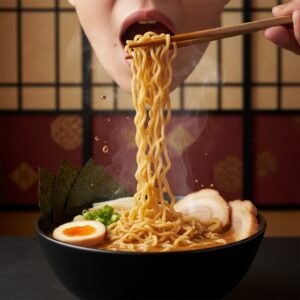
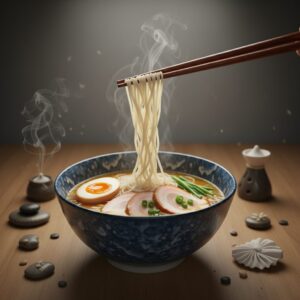
In a culture that deeply honors craftsmanship and hard work, this recognition of labor is essential. It’s a quiet tribute to the vast, often unseen, effort that supports modern life. A simple bowl of ramen represents countless hours of work: the farmer who grew the wheat for the noodles, the pig farmer who raised the pork for the chashu, the soy sauce brewer, the scallion grower. “Itadakimasu” is a moment to honor that collective human effort. It subtly reinforces a sense of social cohesion and interdependence. Your meal is not merely a product you purchased; it is the outcome of a community’s work, and you are its grateful recipient.
The Connection to ‘Mottainai’
This deep sense of gratitude naturally leads to another core Japanese concept: “mottainai” (もったいない). Although often translated as “what a waste,” “mottainai” is a richer term. It expresses regret over waste of any kind—not only food, but time, resources, or potential. The two ideas are closely linked. If you begin your meal by saying “itadakimasu” with genuine reflection on the sacrifice of life and immense human labor involved, then wasting even a single grain of rice becomes almost unthinkable.
Finishing every last bite on your plate is not merely a matter of politeness; it is the logical extension of the gratitude expressed in “itadakimasu.” It is the ultimate sign of respect for the lives you have received and the effort you have acknowledged. Leaving food uneaten insults the plant, the animal, the farmer, and the cook. This is why Japanese children are taught from an early age to finish everything in their school lunches. It is not about discipline alone; it is about instilling the value of “mottainai” as a concrete expression of the gratitude voiced at the meal’s start.
The Ritual in Practice
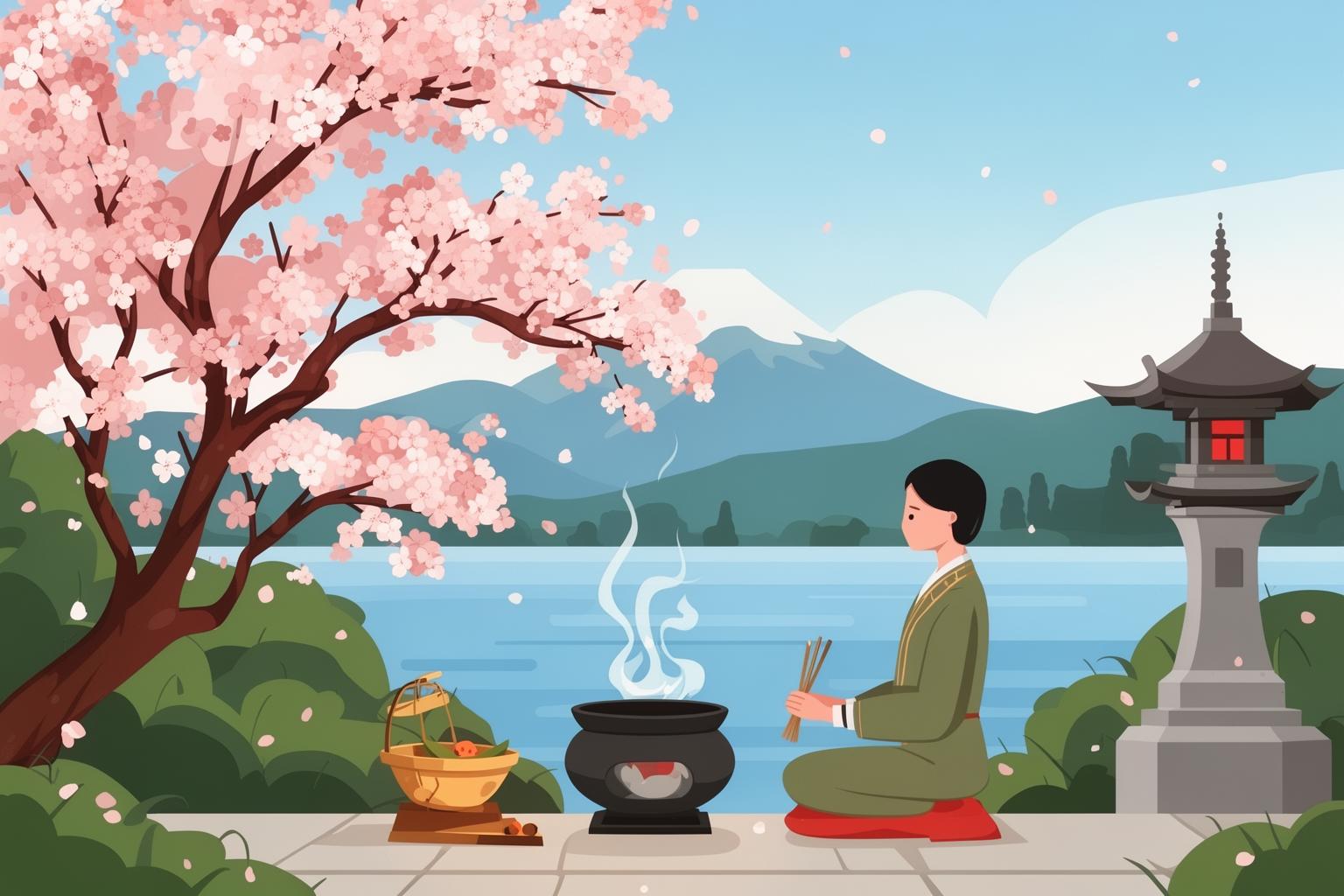
“Itadakimasu” is more than just a word; it is a physical action. The traditional gesture involves bringing your hands together in a prayer-like “gassho” (合掌) pose in front of your chest, often holding your chopsticks with your thumbs. You then bow your head slightly while saying the word. This simple physical ritual serves a vital purpose: it creates a pause. In that brief instant, you detach from the day’s distractions and fully concentrate on the meal before you. It marks a mindful shift from activity to reception.
The gesture transforms the phrase from a simple word to a heartfelt expression. Even when spoken alone at a convenience store counter before eating an onigiri, the feeling remains genuine. It represents a personal moment of reflection, a heartfelt habit nurtured since childhood. You’ll witness it everywhere, from lively izakaya scenes to quiet temple lodgings. Though the setting varies, the fundamental meaning remains unchanged. It is a unifying cultural practice, a shared pause of reflection that connects people before a meal.
This is where the comparison to Western grace falls short. While both are pre-meal expressions of gratitude, grace usually takes the form of a prayer directed upward, to a singular God, thanking Him for the provision of food. “Itadakimasu,” however, is a more horizontal and immanent expression of thanks. Gratitude is extended outward—to nature, to the farmer, to the cook—and inward, as a reminder of one’s place within the ecosystem. It focuses less on divine providence and more on recognizing the tangible, earthly chain of events that made the meal possible.
The Bookend: ‘Gochisousama Deshita’
No ritual is truly complete without a proper conclusion, and the counterpart to “itadakimasu” holds equal significance. After finishing your meal, you once again bring your hands together and say, “Gochisousama deshita” (ごちそうさまでした). This phrase is often simply translated as “That was a delicious meal,” but its meaning runs much deeper.
The word “chisou” (馳走) literally translates to “to run around.” It conjures the image of a host bustling about, making great efforts to gather ingredients and prepare a feast for a guest. Thus, when you say “gochisousama deshita,” you are expressing, “Thank you for the feast you went to great lengths to prepare.” You are explicitly recognizing and appreciating the effort behind the meal you just enjoyed.
Like “itadakimasu,” this gratitude is broad in scope. If you are at someone’s home, you say it directly to the host. At a restaurant, you might say it to the staff or chef as you leave. Even when eating alone, you say it to yourself, honoring once more the unseen chain of effort from the farm to your table. It completes the cycle. “Itadakimasu” acknowledges the gift you are about to receive; “gochisousama deshita” expresses gratitude after you have received it. Together, they frame the meal as a whole and respected event.
More Than a Mealtime Manner
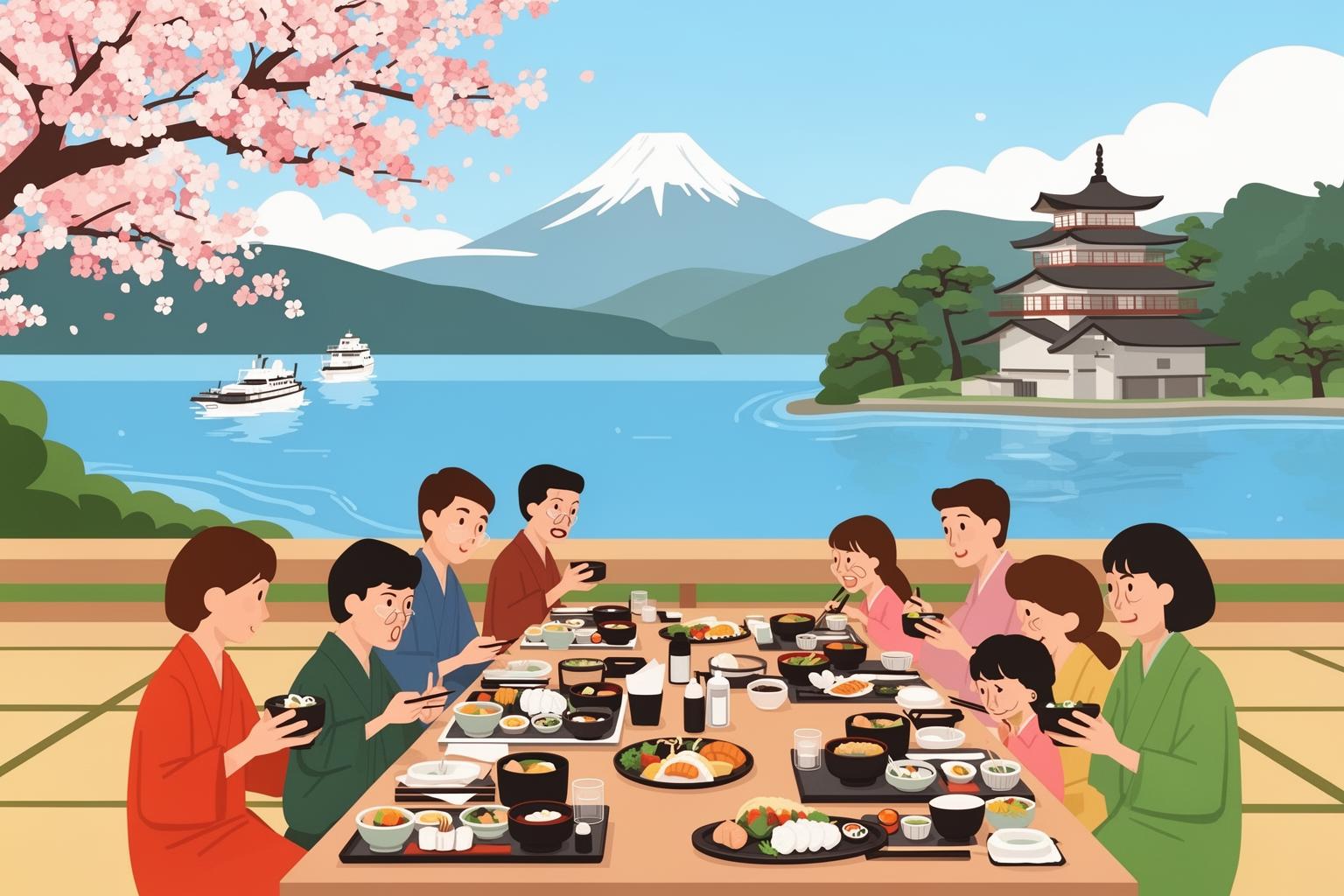
Ultimately, understanding “itadakimasu” goes beyond mere food etiquette. It offers a glimpse into the Japanese mindset. The values embodied in this simple, daily ritual—gratitude, humility, respect for nature, appreciation for labor, and a profound sense of interconnectedness—are the foundation of many other elements of Japanese society.
Consider the meticulous care of a Japanese garden, the precision of a master craftsman, or the quiet efficiency of public services. They all originate from a common belief: that every element, whether living or nonliving, and every action, big or small, is part of a larger whole deserving of respect and attention. The philosophy of “itadakimasu” reminds us that we are not the center of the universe but rather humble participants in a vast and intricate web of life. Our existence depends on the sacrifice and effort of countless others, and this truth should be recognized every day, with every meal.
So the next time you sit down to eat in Japan, take a moment. As you bring your hands together, think beyond simply “Let’s eat.” Reflect on the sun and rain that nurtured the rice, the life of the fish, the hands of the farmer, and the care of the cook. In that single word, “itadakimasu,” you’re not merely saying grace. You’re embracing a philosophy that transforms a simple meal into an act of connection and a profound expression of what it means to be gratefully alive.