Someone once asked me what the most quintessentially “Tokyo” experience is. They were expecting me to say the Shibuya Scramble crossing, or perhaps a serene temple visit at dawn. I told them to go to the basement of a department store. The response was a blank stare, followed by a polite, “You mean… the food court?” And right there is the fundamental misunderstanding. To call a Japanese depachika—a portmanteau of depāto (department store) and chika (basement)—a food court is like calling a Swiss watch a simple time-telling device. It’s technically true, but misses the entire universe of artistry, history, and cultural significance packed into that subterranean space.
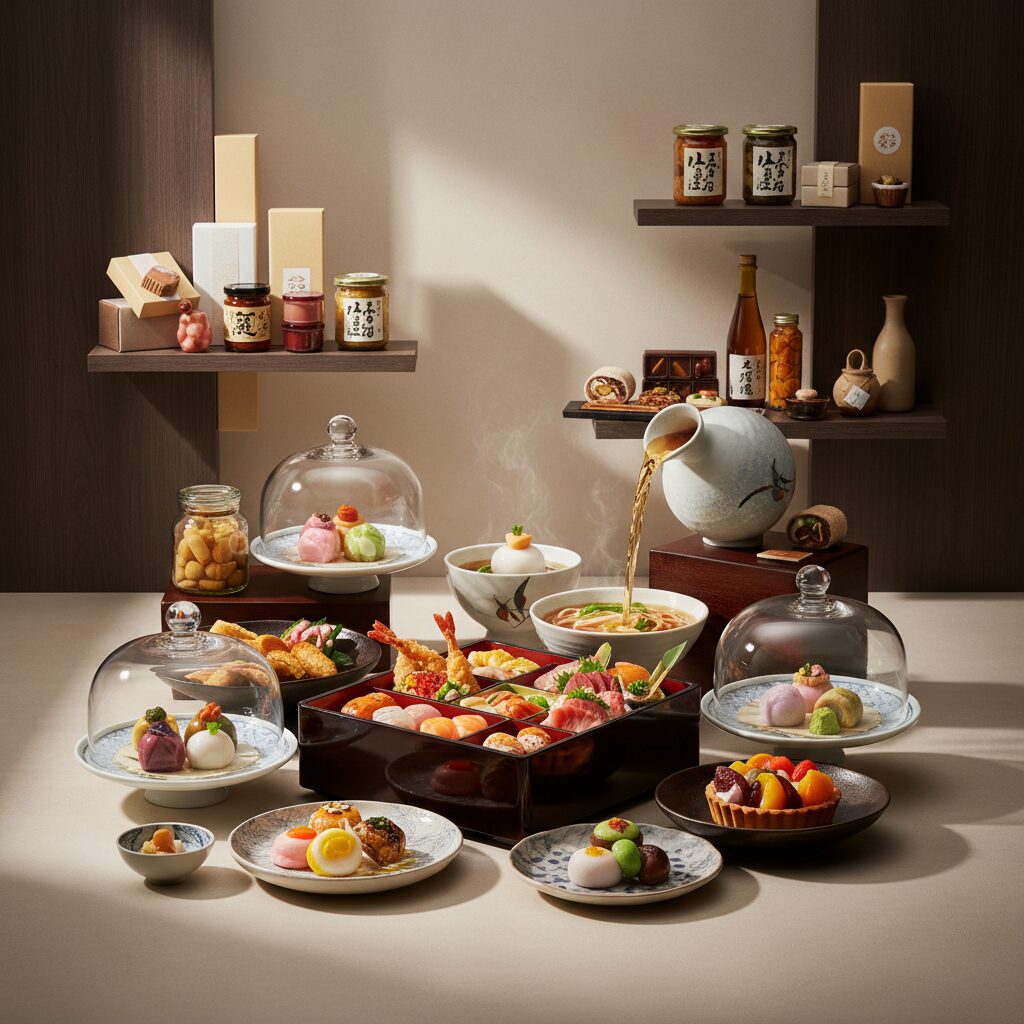
Walk down the gleaming marble steps into the B1 or B2 level of an Isetan, a Mitsukoshi, or a Takashimaya, and you’re not just entering a place to buy food. You’re entering a theater. The lighting is soft and flattering, designed to make every strawberry glisten like a ruby. The air is a carefully managed symphony of smells—the sweet perfume of baking pastries from one corner, the savory aroma of grilled eel from another, but never an overwhelming cacophony. The staff, clad in crisp uniforms, move with a choreographed precision, their voices a gentle murmur of “Irasshaimase!” (Welcome!). Every single item, from a single bean-paste bun to a thousand-dollar melon, is presented with the reverence of a museum piece. It’s a dazzling, overwhelming, and utterly intoxicating performance. The real question is why. Why this level of obsession? Why this fanatical dedication to perfection, all happening in a basement? The answer isn’t simple. It’s a story woven from the threads of social obligation, deep-seated aesthetic principles, historical ambition, and a national reverence for food that borders on the religious.
Japan’s celebration of seasonal excellence in these subterranean arenas finds a parallel in the country’s commitment to peak flavor traditions that transform every bite into a masterpiece.
From Kimono Silks to Castella Cakes: The Birth of a Culinary Stage
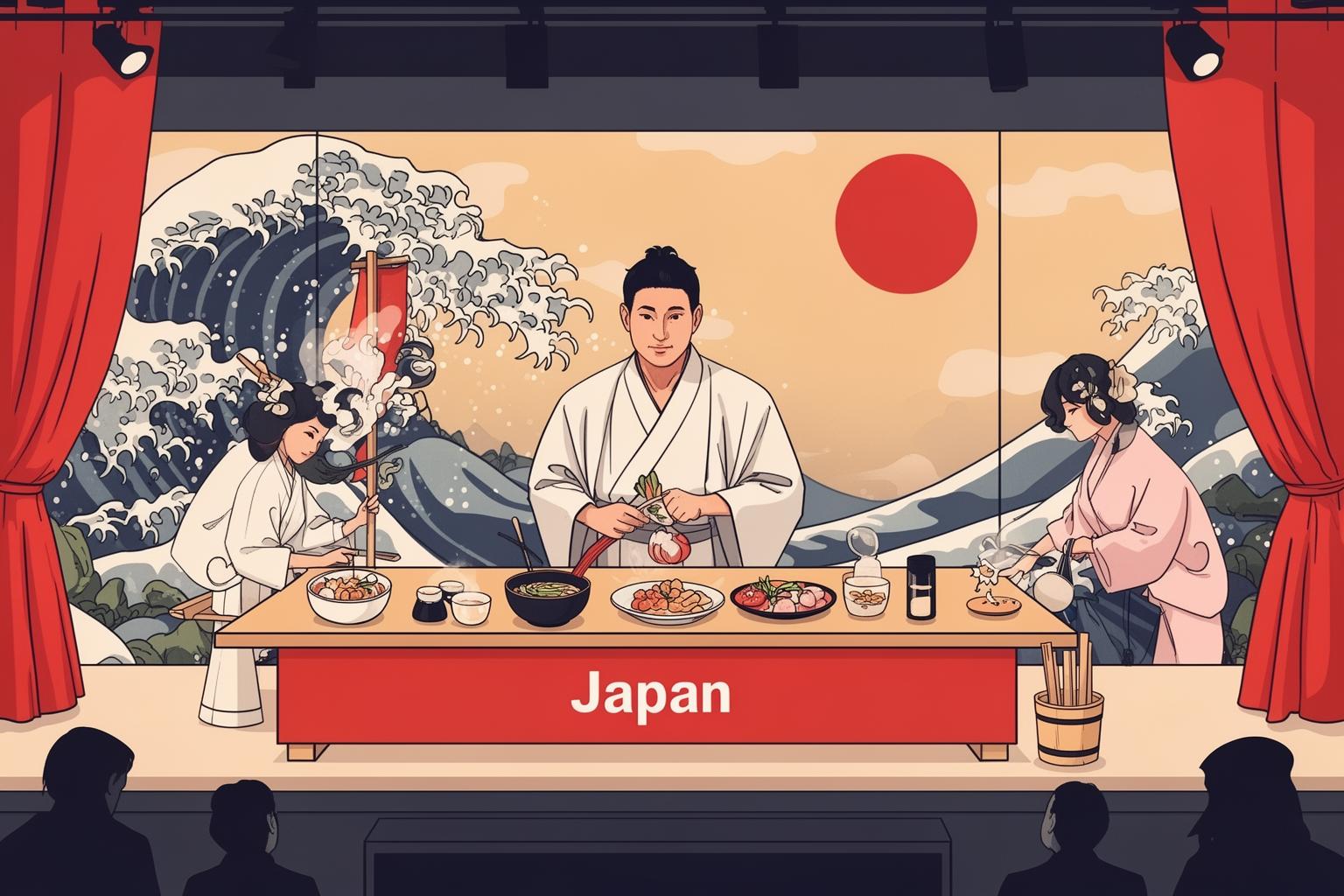
The depachika didn’t emerge in isolation. It is the direct heir of the grand Japanese department store, a uniquely Japanese institution that transformed retail in the early 20th century. To truly understand the basement, you must first grasp the significance of the building above it.
The Department Store Revolution
Unlike their Western counterparts, which often evolved from drapery shops, Japan’s earliest and most prestigious department stores—such as Mitsukoshi and Takashimaya—originated from kimono merchants. These establishments were more than just retail outlets; they were cultural arbiters, introducing a rapidly modernizing Japan to an aspirational, modern lifestyle. In the 1920s and 30s, a visit to the depāto was a significant family event, where dressing up was part of the experience. These were not mere stores; they were palaces of consumption and culture, featuring art galleries, rooftop amusement parks for children, grand dining halls serving Western-style dishes like curry rice and omelets, and even concert spaces. They marketed a vision of a sophisticated, cosmopolitan life.
The department store offered a complete, carefully curated experience. Visitors could enjoy an art exhibition, purchase a formal kimono, let their children ride a miniature train on the roof, and have a stylish lunch—all under one roof. They acted as cultural engines, and this foundational identity is essential. The food hall was designed to be more than just a grocery section; it needed to match the prestige of the floors above.
The Strategic Descent into the Basement
Why, then, was this culinary wonderland placed in the basement? The choice was a stroke of pragmatic genius. In major cities like Tokyo and Osaka, large department stores were often built directly above or beside major train and subway stations. Positioning the food hall in the basement created an immediate, seamless connection to the daily flow of commuters. You could step off your train and instantly be immersed in a world of gourmet delights, making it incredibly convenient to pick up a special bento for lunch or a gift on your way home from work.
Practical reasons also played a role. Basements were better suited for handling the complex plumbing required by kitchens and fishmongers. They also contained the powerful odors of cooking and raw ingredients, preventing these smells from drifting into the perfumed air of the cosmetics and fashion floors. What started as a practical solution soon became a strategic masterpiece. The depachika became the first and last point of contact in a customer’s journey. It served as both welcome and farewell. This prime psychological space demanded something extraordinary, transforming the basement from a utilitarian area into the store’s vibrant, pulsating heart.
The Unspoken Rules of the Depachika Performance
Navigating a depachika offers a glimpse into a set of deeply rooted cultural codes in practice. The experience is just as significant as the product itself. This is where the ritual of Japanese hospitality, gift-giving, and craftsmanship truly shines.
Shokunin-tachi: The Masters Behind the Counter
Observe the people working behind the counters carefully. They are far more than ordinary retail staff. Many represent legendary brands with histories spanning centuries. They embody the pride and heritage of their products. This is the essence of the shokunin—the artisan or craftsman who devotes their life to achieving perfection in their craft. Whether slicing ham, arranging delicate cakes, or brewing tea for you to sample, their movements are economical and their focus intense, reflecting years of dedicated practice. There is no wasted motion or careless handling.
This is grounded in omotenashi, the uniquely Japanese concept of hospitality that anticipates a guest’s needs before they are even voiced. It is evident in the way they offer you a taste without being asked, the gentle bow when handing you your purchase, and the near-reverential care in wrapping it. The service itself is part of what you buy; it transforms a simple transaction into a memorable experience.
The Art of Presentation (Hōsō)
The depachika’s theatricality is most evident in its approach to packaging, or hōsō. In the West, packaging is mainly functional, designed to protect the product. In Japan, packaging extends the product’s spirit and conveys a message to its recipient. Watching an item being wrapped at a depachika counter is like witnessing a magic trick.
The process unfolds as a swift, silent ballet performed by practiced hands. A sheet of exquisite, high-quality paper is spread out. The box is positioned at an exact angle. With a few crisp folds, the paper envelops the box flawlessly, with no visible tape on the main surfaces. A branded sticker seals the final fold. A ribbon may be tied with an elegant flourish. The entire sequence takes less than a minute, resulting in a perfect, graceful parcel. This is not merely about aesthetics. It shows respect. The meticulous care in wrapping expresses the giver’s sincerity and esteem for the recipient. The beautiful exterior serves as a prelude to the quality inside, promising the treasure it holds.
Temiyage: The Social Currency of a Small Gift
This focus on presentation ties closely to Japan’s vibrant gift-giving culture, or zōtō. One of the most common practices is temiyage, a small gift brought when visiting someone’s home or office. It is a gesture of gratitude and politeness, a social lubricant that eases interactions. The depachika is undoubtedly the ultimate source of temiyage.
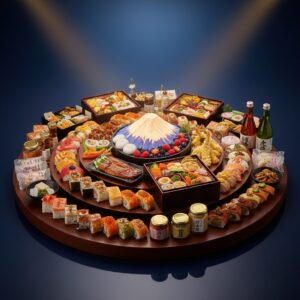
The entire floor functions as a curated catalog of perfect gift options. You’ll find beautifully embossed tins of cookies from renowned Western-style patisseries like Yoku Moku, exquisite boxes of seasonal wagashi (traditional Japanese sweets), perfectly shaped seasonal fruits, and savory rice crackers from historic shops. These items are designed for gifting. They are typically divided into individually wrapped portions, making them easy to share among family or coworkers. Pricing is carefully balanced to suit various social contexts—not so inexpensive as to seem thoughtless, but not so costly as to burden the recipient. Purchasing temiyage at a depachika, with its prestigious branding and flawless wrapping, signals that you have put thought into bringing the very best.
A Living Museum of Japanese Cuisine
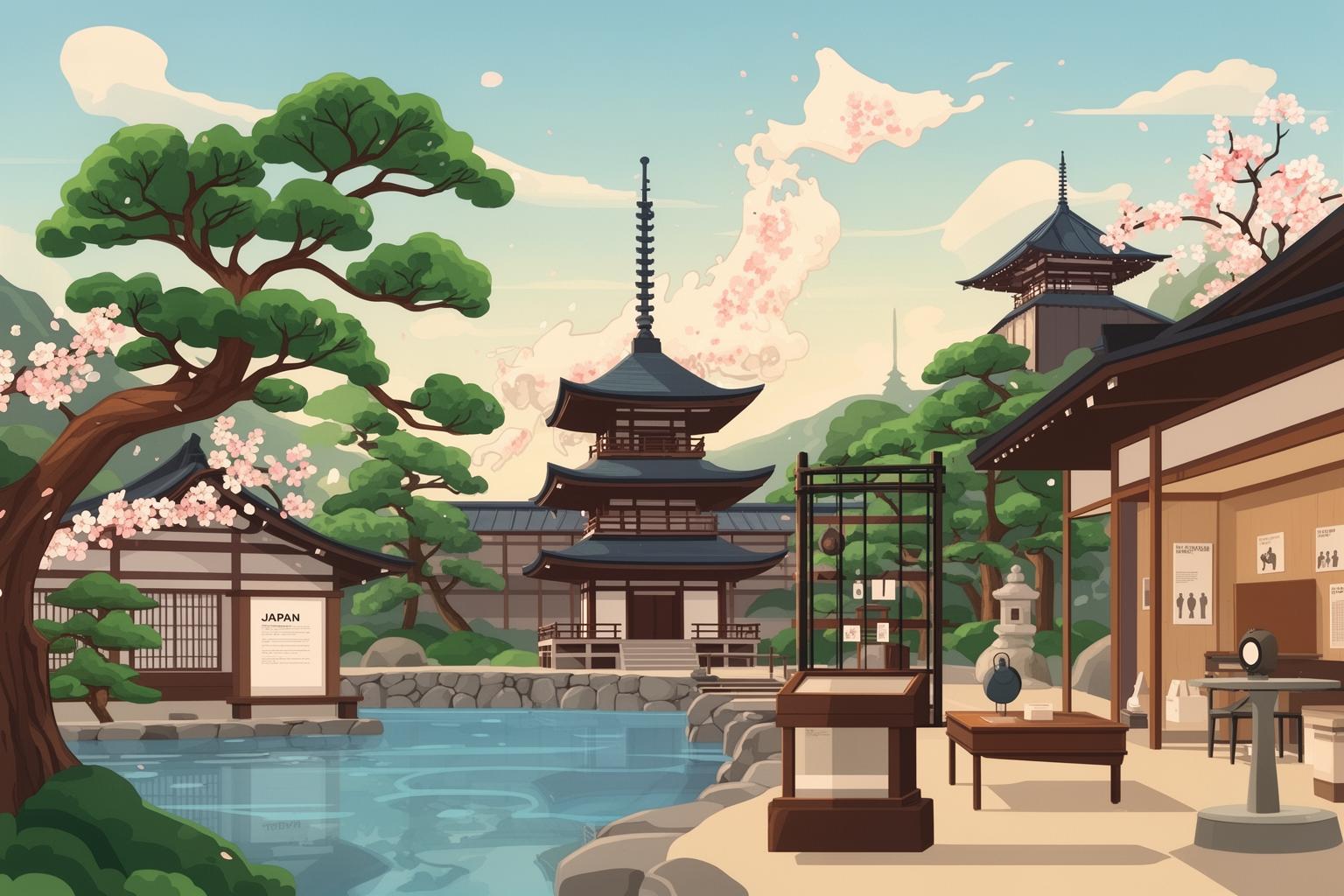
Beyond the social rituals, the depachika functions as a vibrant, ever-evolving museum of Japanese food culture. It is a space where geography, seasonality, and innovation come together to create a comprehensive portrait of the nation’s palate.
A Map of Japan, Told Through Taste
One of the greatest pleasures of the depachika is its celebration of regional diversity. Japan boasts an incredibly varied culinary landscape, with nearly every prefecture and city proud of its own famous specialty, or meibutsu. In the past, you had to travel to Fukuoka to enjoy the best mentaiko (spicy cod roe), or to Kyoto for its renowned yatsuhashi (cinnamon-scented sweets). The depachika brings the entire country to you.
Major department stores regularly host events and fairs dedicated to specific regions. One week, you might encounter a Hokkaido fair, featuring counters brimming with fresh seafood, Royce’s nama chocolate, and creamy soft-serve ice cream. The following week, there could be an Okinawa festival showcasing goya (bitter melon), brown sugar treats, and Orion beer. These events, known as bussanten, are hugely popular, drawing large crowds eager to sample another region’s flavors without leaving the city. Permanent stalls also often highlight the best of a particular area, acting as culinary embassies for their home prefectures. In this way, a stroll through a depachika offers a sensory journey across the entire Japanese archipelago.
The Rhythm of the Seasons (Shun)
To truly grasp the Japanese concept of shun—the peak seasonality of an ingredient—spend a year visiting a depachika. The entire space serves as a living calendar, constantly adapting its offerings to reflect the subtle changes in nature. It is a deeply held cultural conviction that food is at its most delicious and nutritious when in season, and this belief shapes everything.
In spring, the aisles turn soft pink with sakura-flavored treats: sakura mochi, sakura cakes, sakura tea. Early summer brings glistening cherries and the first bamboo shoots. Autumn bursts with earthy tones and flavors: chestnuts (kuri) in all forms, purple sweet potatoes (murasaki imo), and matsutake mushrooms, revered as highly as truffles. Winter brings abundant displays of citrus fruits and elaborate, multi-tiered boxes of osechi-ryōri, traditional foods for the New Year’s celebration. This continual rotation is not just about fresh produce; it is a way of marking time and connecting with the natural rhythm of the year, embodying a deeply felt aesthetic and philosophical principle that becomes tangible and edible.
The Theater of “Limited Edition” (Gentei)
Lastly, there is the compelling cultural phenomenon of gentei, or limited editions. Japanese consumer culture is famously driven by a fascination with items that are rare, exclusive, or available only briefly. This reflects the Buddhist appreciation for the transient and the ephemeral. The depachika masterfully embraces this concept.
You will find kisetsu gentei (seasonal limited editions), kishu gentei (daily limited quantities), and even items exclusive to a particular department store branch. This creates a constant sense of novelty and urgency. Famous bakeries often see long queues forming well before opening for pastries limited to just 50 pieces per day. This is more than a marketing strategy; it turns shopping from a routine into a treasure hunt. Securing a gentei item means having a special experience and owning something not everyone can. It’s a small victory and a story to share, adding an extra layer of excitement to the depachika experience.
More Than a Market: The Depachika’s Modern Role
In an era dominated by 24-hour convenience stores and algorithm-driven online shopping, the depachika might appear as a relic from a more refined time. Yet it continues to flourish, evolving to meet the needs of modern Japan while steadfastly preserving its core identity.
The Everyday Luxury and the Bento Aristocracy
For the millions of busy professionals in Japan’s cities, the depachika provides accessible daily luxury. The sōzai (prepared side dishes) section offers a dazzling selection of restaurant-quality food to take home, from intricate salads and simmered vegetables to perfectly fried tempura and grilled fish. It enables people to enjoy a healthy, varied, and delicious meal without the time investment required to cook from scratch.
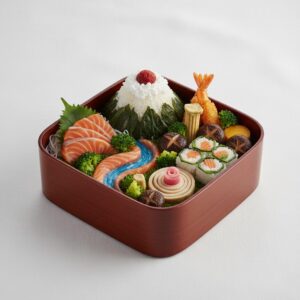
Then there is the realm of high-end bento boxes. These are far from ordinary lunchboxes. They are miniature works of art, featuring carefully composed meals from renowned restaurants or ryōtei. A bento from a depachika is a statement. It’s a way to savor a gourmet experience at your office desk or on a bullet train, a small indulgence that elevates an everyday moment. It democratizes luxury; while you may not afford the multi-course dinner at a Ginza establishment, you can purchase their bento box and taste a piece of that excellence.
A Bastion Against Homogeneity
Perhaps the depachika’s most vital contemporary role is serving as a cultural curator and a stronghold against the relentless wave of global uniformity. In a world where the same fast-food chains and coffee shops line every street corner, the depachika champions craftsmanship, regional identity, and quality. It is a place that supports small, historic producers over multinational corporations.
It reminds people of the importance of seasonality in an age of year-round availability. It upholds the value of human touch, artistry, and impeccable service in an era of automation. It is a living encyclopedia of Japan’s rich culinary heritage, preserving and promoting tradition while also introducing innovative creations. The depachika declares that food is more than mere fuel; it is history, art, and communication.
So, the next time you find yourself in a Japanese department store, don’t just pass through the basement en route to the subway. Pause. Take in the scene. See it for what it truly is: a meticulously staged performance celebrating the finest aspects of Japanese food culture. Notice the precision in the wrapping, the pride reflected in the vendors’ eyes, the seasonal stories told through the ingredients. Pick up a small, perfect cake or a beautifully arranged bento. In that single, carefully crafted item, you hold the result of centuries of history, a profound respect for nature, and a cultural dedication to perfection that transforms a simple basement into one of Japan’s most captivating places.