The first time you see it, it feels like a glitch in the urban matrix. You’re navigating the fluorescent-lit labyrinth of a major Tokyo train station—let’s say Shinjuku or Ikebukuro—a river of humanity flowing around you. Then, tucked into an alcove, almost vibrating with steam and savory smells, is a tiny shop. There are no chairs. A handful of people, mostly men in suits, are hunched over a high counter, heads bowed over bowls, their focus absolute. The only sound piercing the station’s ambient rumble is a chorus of vigorous, unapologetic slurping. Five minutes later, they’re gone, replaced by a new set of diners in a seamless, silent rotation. You’ve just witnessed tachigui, the Japanese culture of stand-and-eat dining, in its native habitat.
This isn’t just fast food; it’s a highly refined ritual of urban survival and sensory pleasure, perfected over a century of commuter life. To an outsider, the scene might look rushed, even crude. The slurping can sound jarring to ears trained in Western etiquette, where noisy eating is a cardinal sin. But to dismiss it as such is to miss the point entirely. That hurried, slurped bowl of ramen or soba on a train platform is a microcosm of modern Japanese life, a performance where efficiency, function, and tradition converge. It’s a system designed for speed, yes, but it’s also a deeply ingrained cultural practice with its own unspoken rules, sensory logic, and social significance. It’s about more than just filling your stomach; it’s about reclaiming a moment of satisfying warmth in the midst of a frantic day. Forget the serene tea ceremonies and multi-course kaiseki meals for a moment. To truly understand the rhythm of Japan’s cities, you need to understand the art of the five-minute feast.
The energetic pace of Japan’s stand-up dining scene is complemented by a growing fascination with hyper-authentic Chinese food, highlighting the nation’s broader culinary innovation.
What Exactly is ‘Tachigui’? More Than Just Standing
At its most literal, the word tachigui (立ち食い) is easy to dissect: tachi (立ち) means “to stand,” and gui (食い) is a colloquial form of taberu (食べる), “to eat.” Stand-and-eat. Yet this straightforward translation understates the cultural significance the practice holds. It’s not that the absence of chairs is a mere design trend; it’s a fundamental principle shaping the entire experience—the menu, the space, the customer’s behavior, and the pace of service.
Defining the Unseated Meal
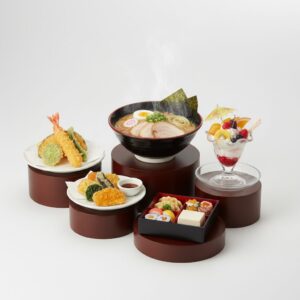
While this discussion spotlights the classic platform ramen shop, the idea of tachigui goes well beyond one type of noodle. Its most prevalent forms are tachigui soba and udon shops, arguably the true pioneers of the style. These establishments serve buckwheat or wheat noodles in a hot, savory broth, often topped simply with tempura or a raw egg. They form the cornerstone of the salaryman’s diet.
But the culture has evolved. You’ll find tachigui-zushi, where you stand at a counter and order pristine pieces of sushi directly from a chef, quite unlike the leisurely pace of a seated sushi restaurant. In recent years, the concept has been applied to more unexpected cuisines. The popular chain Ikinari Steak introduced the tachigui steakhouse, letting customers choose their cut of meat by weight and eat it sizzling on a cast-iron plate while standing at a high table. There are even standing bars for Italian, French, and Spanish tapas. The common denominator remains: high-quality food served quickly and at a lower price point than seated equivalents, all facilitated by the simple act of removing chairs. The lack of seating is not a drawback; it is the defining feature, maximizing turnover and minimizing cost.
The Birthplace of Speed: The Train Station Nexus
Why are these establishments so closely linked to train stations? The answer lies in the parallel growth of Japan’s railway system and its modern urban workforce. During the Meiji Restoration in the late 19th century, Japan underwent rapid industrialization. Railways spread across the country, bringing with them the rise of the commuter. People were traveling farther for work, and stations became vital hubs of daily life.
These early commuters needed sustenance that was fast, affordable, and nourishing. They couldn’t afford a leisurely sit-down meal between their long journey and a full workday. The first tachigui soba shops reportedly appeared at stations during this time, catering to this emerging class of worker. They were a perfect solution. A bowl of hot noodles provided a quick boost of carbohydrates and warmth, could be prepared in under a minute, and eaten within moments. It was the original fuel powering Japan’s industrial engine.
This connection solidified during the post-war economic boom. The salaryman became a national symbol, living a life of strict schedules and exhausting commutes. The station tachigui stall became a crucial part of his routine—a quick breakfast en route to the office, a rushed lunch between meetings, or a final meal before a long train ride home after an evening of drinking with colleagues. The station wasn’t just a transit point; it became a liminal space where the day’s first and last acts of personal refueling occurred.
The Anatomy of a Tachigui Stall
The design of a tachigui shop is a masterclass in spatial efficiency. Not a single inch is wasted. The entire operation is geared toward one goal: maximum customer throughput. The entrance is often just a sliding door or a simple plastic curtain (noren). Inside, the space centers around a single U-shaped or long, narrow counter.
Your first interaction is rarely with a person but with a machine: the kenbaiki (券売機), or ticket vending machine. The menu is a grid of buttons, often illustrated for those who don’t read Japanese. You insert cash, make your selection—kake soba (plain), kitsune udon (with sweet fried tofu), tempura ramen—and a small ticket is dispensed. This simple system is ingenious. It standardizes orders, eliminates the need for a cashier, removes communication errors, and ensures payment before any food is prepared. It’s a transaction distilled to its essentials.
After receiving your ticket, you find a spot at the counter, place your ticket on the ledge, and wait. The kitchen is usually open-plan right before you. It’s a stage of motion. Cooks move with practiced efficiency, dunking noodles into boiling water, ladling broth, and adding toppings in swift succession. Within a minute or two, your bowl is set in front of you. There’s a container of chopsticks, a communal pot of water or tea, and some basic condiments like shichimi togarashi (seven-spice chili pepper) or pickled ginger. Nothing else is necessary. The environment is minimalist because the focus is entirely on the bowl before you. You’re there to eat, and every element of the space is designed to help you do so as efficiently as possible before you melt back into the crowd.
The Symphony of the Slurp: Efficiency as a Culinary Art Form
Now we come to the core, and perhaps most frequently misunderstood, aspect of the experience: the slurp. In the West, it often signals rudeness and poor table manners. Yet in a Japanese noodle shop, it represents enjoyment, functionality, and respect. Eating noodles silently at a tachigui stall would feel far stranger than slurping them enthusiastically. This isn’t merely a cultural peculiarity; it’s a practical technique aimed at maximizing flavor.
Sound and Function: Why Slurping is Not Just Allowed, but Expected
The primary reason for slurping is highly practical: temperature control. Japanese noodles are nearly always served piping hot. The broth is meant to be steaming, and the noodles are cooked just moments before they reach your bowl. Trying to eat them politely in small, quiet bites would either burn your mouth or force you to wait for your meal to cool, at which point the noodles would soften and lose their texture. Neither choice is ideal.
Slurping is the clever solution. By quickly and forcefully inhaling the noodles, you draw a stream of cool air into your mouth alongside the hot noodles and broth. This instantly cools the food to a manageable temperature, allowing you to enjoy it at its freshest and most flavorful. It’s a simple yet elegant culinary hack for efficiency and enjoyment.
But there’s another equally significant reason: flavor. Much like swirling wine in a glass to aerate it and release its aroma, slurping noodles aerates the broth. The rapid intake of air and liquid breaks up the subtle flavors of the dashi, shoyu, and other ingredients, vaporizing their aromas and spreading them across your palate. You’re not just tasting the soup; you’re inhaling its essence. The slurping sound is an unavoidable byproduct of a technique designed to maximize flavor in the shortest time. It signals that the diner is actively engaging with their food, not merely consuming it passively.
Lastly, slurping serves as a form of non-verbal communication. It is an audible cue to the chef that you are thoroughly enjoying the meal. In a small shop where the cook is just feet away, this immediate, positive feedback shows respect. A quiet diner might appear hesitant or unsatisfied, while a chorus of enthusiastic slurps is the highest compliment—a soundtrack of a well-received and delicious service.
The Choreography of Consumption
The entire tachigui dining experience unfolds like a silent, unwritten ballet, a ritual understood by all. It follows a familiar and comforting rhythm.
It begins at the kenbaiki. There’s no hesitation; regulars know exactly what they want. They feed the machine, press a button, and retrieve their ticket in one smooth motion. Next comes the subtle negotiation for a spot at the counter. People slide in and out with minimal fuss, communicating only by slight nods or gestures. Personal space is limited, but everyone honors invisible boundaries.
Once you place your ticket on the counter, the clock starts. The chef often calls out the order to confirm, and your part is done. You might pour yourself a small cup of water while waiting. When the bowl arrives, it’s time to focus. You pick up your chopsticks, perhaps add a dash of spice. The first move is usually to sip the broth, gauging its temperature and flavor. Then, you gather a small bundle of noodles and perform the first slurp. This sets the pace.
For the next five to seven minutes, your world narrows to the circumference of the bowl. You exist in a personal bubble of steam and flavor. You alternate between slurping noodles and sipping broth, maybe taking a bite of tempura. The tempo is brisk but not rushed—focused and deliberate. When the last noodle disappears, it’s customary to lift the bowl with both hands and drink the remaining broth directly from the rim. Leaving a spotless bowl is a sign of deep satisfaction.
The final act is as quick as the beginning. You place the empty bowl back on the counter. Many customers take a small damp cloth provided and wipe their spot on the counter—a small act of consideration for the next guest. Then, with a quiet “Gochisousama deshita” (“Thank you for the meal”), you turn and merge back into the station’s flow. From ticket purchase to exit, the entire interaction often takes less than ten minutes.
The Social Contract of the Counter: Unspoken Rules and Urban Anonymity
The tachigui counter is more than just an eating spot; it represents a distinctive social space governed by a strict yet unspoken code of conduct. It functions based on principles of efficiency, solitude, and an unexpected form of urban democracy.
A Space for Solitude
Although located in a bustling public area, the tachigui experience is deeply solitary. It is not intended for conversation or lingering. People don’t visit to socialize with friends; they come to eat. Talking is minimal, typically limited to brief exchanges with the staff. Phone calls are strictly prohibited. Even conversations with a companion, if you have one, are kept to a quiet minimum. The focus remains on the meal and leaving promptly once finished.
This perfectly embodies ohitorisama, the culture of the individual, or “one person.” It offers solo diners a place to enjoy a hot, satisfying meal without feeling self-conscious. In fact, being alone is the norm. The setting grants a welcome moment of anonymity and personal refuge. For a brief time, amidst the city’s chaos, you become an anonymous individual with a single, clear purpose: to eat this bowl of noodles. There are no social pressures, no small talk required. It is a moment of pure, unadulterated function.
The Economy of Time and Money
The lasting appeal of tachigui lies in its unbeatable value. In a city like Tokyo, where both time and money are precious, it delivers on both counts. A basic bowl of kake soba can cost as little as 300 or 400 yen (around three U.S. dollars). Even with a generous tempura topping, the price rarely surpasses 600 or 700 yen. It remains one of the most affordable hot meals available.
This affordability stems directly from the business model. Without seating, the owner can accommodate more customers in a compact space, reducing rent costs. The ticket machine cuts down on labor expenses. The simple menu allows for bulk ingredient purchasing and minimizes food waste. The rapid turnover means that even with low prices, the shop can be quite profitable. This economic efficiency benefits the customer, making the tachigui a go-to option for students, blue-collar workers, and anyone on a tight budget.
Time is another critical factor. In Japan’s fast-paced work environment, an hour for lunch often isn’t feasible. The tachigui stall offers a complete, satisfying meal in under 15 minutes, door to door. This enables workers to step out of the office, eat a proper meal, and return to their desks without feeling rushed or pressured. It fits perfectly with the compressed schedules of urban life.
The Great Equalizer
One of the most striking features of the tachigui counter is its role as a social equalizer. For those brief moments, standing shoulder-to-shoulder, everyone is equal. A high-powered executive in a tailored suit might be slurping noodles next to a delivery driver in uniform. A university student could be standing beside an elderly pensioner. Social status, wealth, and occupation do not matter.
All hierarchies are put on hold. Everyone pays the same low price, receives the same swift service, and follows the same unspoken rules. The shared goal of getting a quick, delicious, and affordable meal creates a temporary, anonymous community. It’s a rare environment in a society often marked by formality and hierarchy, where everyone is simply a hungry customer. This democratic spirit is a key part of its quiet, enduring charm.
Beyond the Platform: The Evolution and Future of Tachigui
While the train station soba shop remains the quintessential image of tachigui, the concept has shown remarkable adaptability. It has transformed from a basic necessity for commuters into a vibrant category within Japan’s extensive culinary scene, embodying both a respect for tradition and a flair for innovation.
From Soba to Steak: The Modern Tachigui Renaissance
The 21st century has witnessed a creative surge in the tachigui format. The notion that standing is only suitable for inexpensive noodles has been completely overturned. Upscale tachigui-zushi bars have become popular by serving top-quality fish, often sourced directly from the renowned Toyosu market, at prices far lower than their seated counterparts. Customers can enjoy a world-class sushi experience without the formality or high cost, ordering piece by piece until satisfied.
The huge success of chains like Ikinari Steak demonstrated that even a substantial meal like steak could fit the format. This was a game-changer, attracting a younger audience and showcasing the concept’s commercial viability. Following this trend, specialized standing bars offering everything from tempura to yakiniku (grilled meat) to Italian pasta have emerged in busy urban areas. These modern versions often have a slightly more stylish, contemporary vibe than the traditional station stalls but operate on the same core principles of speed, value, and efficient use of space.
Nostalgia vs. Modernity
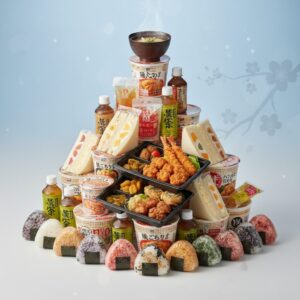
In an era of endless convenience, one might wonder if tachigui has become a relic of the past. After all, Japan’s ubiquitous convenience stores (konbini) offer an impressive range of high-quality, affordable meals that can be eaten on the go. Why stand in a cramped shop when you can pick up a bento box or hot meal from a 7-Eleven?
Yet, tachigui endures. It seems to tap into something deeper than mere convenience. There is a certain romance and nostalgia attached to the classic station-side stalls. They symbolize a connection to a simpler, more rugged period of Japanese life. For many older Japanese, they provide a taste of the past—a comforting constant amid rapid change.
Moreover, the experience itself delivers something a konbini cannot: a freshly prepared, piping-hot meal made to order right before your eyes. It’s the difference between a pre-packaged sandwich and one fresh from a baker. The sensory experience—the steam, the kitchen sounds, the intensely fresh flavors—is irreplaceable. It offers a moment of genuine, visceral satisfaction that a plastic container from a convenience store can never replicate. It’s not just food; it’s a small, restorative ritual.
A Taste of Place, A Moment in Time
Ultimately, the tachigui shop is more than just a place to eat. It is a sensory snapshot of the city’s relentless energy. It is a living, breathing institution reflecting Japan’s complex relationship with time, space, community, and food. The clatter of bowls, the hiss of the noodle boiler, the rumble of a passing train, and the collective, focused slurping of patrons—this is the true sound of urban Japan.
So next time you find yourself in a Japanese train station, surrounded by crowds and pressured by time, look for that small, steamy refuge tucked away in a corner. Step through the plastic curtain. Feed your coins into the ticket machine and make your choice. Find a spot at the counter, and when your hot, fragrant bowl arrives, don’t hesitate. Take up your chopsticks, gather a generous portion of noodles, and slurp. Slurp with purpose, with appreciation, with the confidence of someone who truly understands. In that moment, you won’t just be eating a quick meal. You’ll be participating in a time-honored ritual—a quiet ballet of urban efficiency—and tasting a small, authentic piece of the city’s soul.