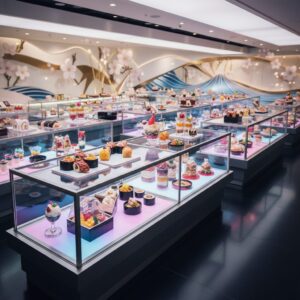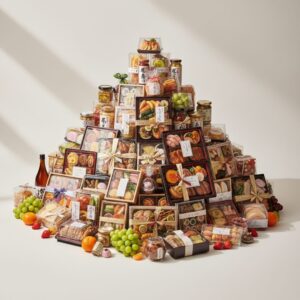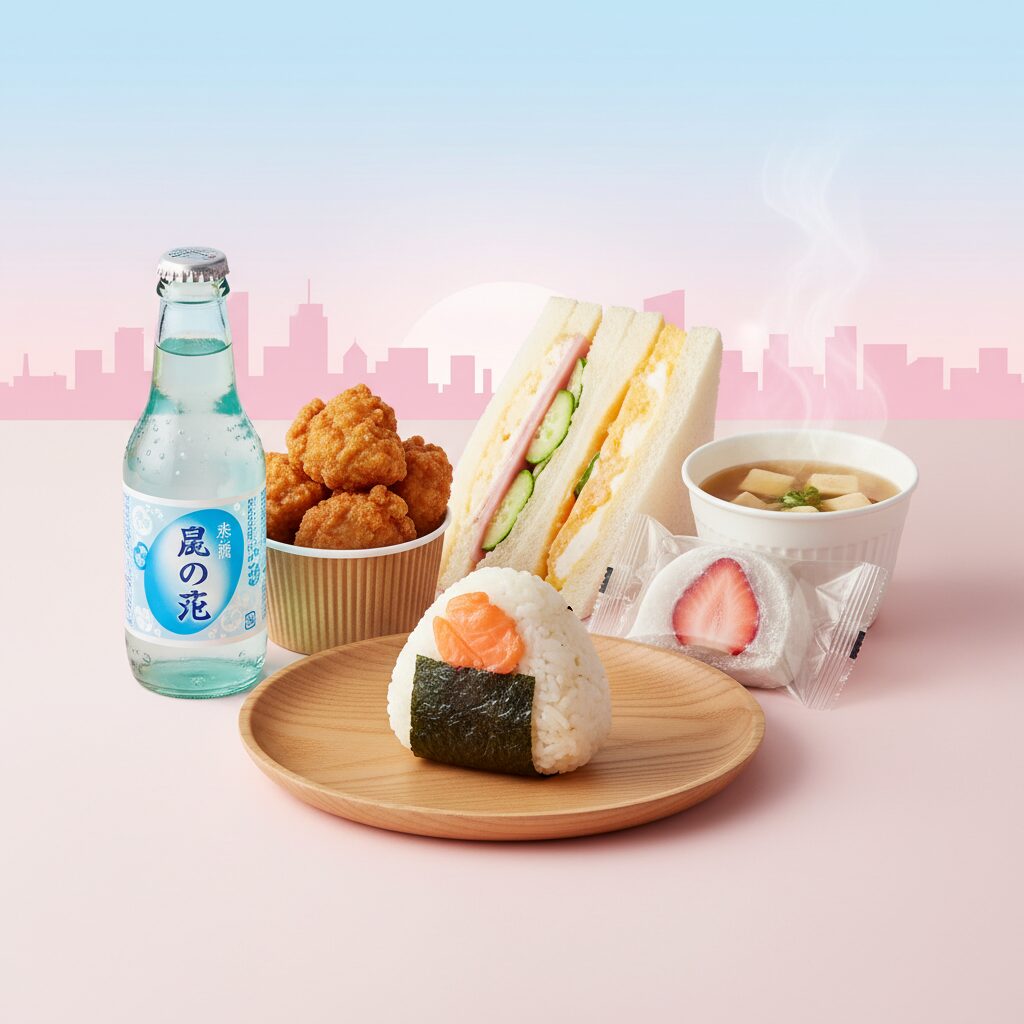
If you ask someone from North America or Europe what a convenience store is, they’ll probably describe a place you visit out of grim necessity. It’s a world of dusty shelves, questionable hot dogs spinning on rollers for an eternity, and coffee that tastes vaguely of burnt plastic. It’s a last resort for a late-night snack or a tank of gas. But in Japan, the convenience store, or konbini, is something else entirely. It’s a brightly lit sanctuary of surprising quality, a culinary destination, and an indispensable pillar of daily life. The first time you walk into a 7-Eleven in Tokyo and see glistening rows of perfect onigiri, freshly made bento boxes, and delicate desserts that would look at home in a French patisserie, you’re forced to confront a fundamental question: How on earth did this happen? How did a concept imported from America evolve into a uniquely Japanese institution that defies all Western expectations? The answer isn’t just about business strategy; it’s a story woven deep into the fabric of modern Japanese society, revealing a collective obsession with quality, logistics, and the perfection of the everyday.
To further unravel Japan’s ingenious adaptation of everyday food spaces, consider exploring the intricate depachika logic that underpins this culinary revolution.
From American Import to Japanese Institution

The story of the konbini starts not in Japan, but in Dallas, Texas, with the Southland Ice Company, which later became 7-Eleven. The concept was simple: provide basic goods during convenient hours. When Ito-Yokado, a Japanese supermarket chain, brought the 7-Eleven franchise to Japan in 1974, the country was undergoing significant social and economic change. The high-growth era was turning Japan into an urbanized, fast-paced society. Traditional multi-generational households were being replaced by nuclear families and single-person residences. More women joined the workforce, and the lifetime-employment system resulted in long working hours for office employees. The old system of daily shopping at small, specialized neighborhood stores—the fishmonger, the tofu maker, the rice seller—was becoming impractical for a population increasingly strapped for time. People needed a one-stop shop that was always open, and the American convenience store model seemed to fit perfectly.
However, simply adopting the American model wasn’t sufficient. Early Japanese konbini were functional but hadn’t yet evolved into the culinary powerhouses they are today. The true transformation began when they started emphasizing one of the most vital components of Japanese daily life: food. They understood they weren’t only competing with other convenience stores; they were competing with home cooking, local restaurants, and the high standards of Japanese consumers. This ignited a fierce, decades-long race for quality, turning the konbini from a simple retailer into a sophisticated food service provider. They were no longer just offering convenience; they were delivering delicious, high-quality meals that could be enjoyed on the go, at your desk, or late at night when everything else was closed. This shift marked the birth of the konbini as we know it today—a place where convenience and quality are not opposites but are seamlessly combined in perfect harmony.
The Anatomy of a Konbini Meal
To truly appreciate the konbini’s culinary skill, you need to look past the sheer variety and focus on the core items that form the backbone of its menu. These are the products millions rely on daily, undergoing a level of scrutiny and constant refinement that is nearly unimaginable in a Western setting. This is where Japan’s renowned kodawari—a relentless, almost obsessive commitment to craftsmanship and detail—is applied to the most ordinary items.
Onigiri: The Heart of the Konbini
The onigiri, or rice ball, stands as perhaps the most iconic konbini snack. It appears deceptively simple: a palm-sized triangle or mound of rice, often containing a filling, wrapped in a sheet of nori seaweed. Yet the modern konbini onigiri is a marvel of food engineering. For decades, the big challenge was keeping the nori crispy until eaten. A soggy, limp seaweed sheet was unacceptable. The solution came in the form of an ingenious packaging design: a three-step, plastic-wrapped system that keeps the nori separate from the rice until you’re ready to eat. Pull tabs one, two, and three in sequence, and the crispy nori perfectly wraps the rice.
But innovation extends beyond the packaging. The rice itself is a source of pride. Major chains such as 7-Eleven, FamilyMart, and Lawson collaborate with particular rice farmers and employ proprietary blends, cooking techniques, and seasoning to ensure the ideal texture and flavor—even when served cold. The fillings are continually evolving. The classics are always there—pickled plum (umeboshi), salted salmon (shake), and tuna with mayonnaise—but each season brings a wave of new offerings. You might encounter rice balls filled with soy-marinated egg yolk, grilled pork, or regional specialties. This ongoing innovation keeps customers intrigued and guarantees something new to try. The humble onigiri embodies the konbini philosophy: take a traditional, simple food and use technology and relentless refinement to elevate it to its highest form.
The Bento Box: A Perfected, Balanced Meal
The bento, a single-portion packed meal, has a history in Japan stretching back centuries. Traditionally, it was a lovingly prepared home meal. The konbini’s challenge was to recreate that feeling of a complete, balanced, and appealing meal on a mass-produced scale. They have done so impressively. A konbini bento is a study in balance. It usually features a main protein like hamburger steak (hambaagu), fried chicken (karaage), or grilled fish, accompanied by a bed of rice and a variety of side dishes. These sides, or okazu, are carefully selected to offer contrasting flavors and textures: a touch of pickled vegetable for acidity, a small serving of simmered greens, a scoop of potato salad for creaminess.
The quality is surprisingly high. The rice is fluffy, the meat tender, and the vegetables fresh. This is enabled by an impressively efficient logistics network. The bentos aren’t made in a distant factory and shipped frozen; they are prepared in regional commissaries and delivered to stores several times a day—often three or more—to ensure optimal freshness. The menu rotates continuously to reflect the seasons. In spring, bamboo shoots might appear; in autumn, mushrooms and chestnuts. The konbini bento is not merely a quick lunch; it’s a carefully crafted meal offering nutrition, variety, and satisfaction that far surpasses its modest price.
Sandwiches and Baked Goods: Western Classics, Reimagined
Even something as straightforward as a sandwich receives the konbini touch. The Japanese sandwich, or sando, is a masterpiece. The bread is impossibly soft and fluffy white bread known as shokupan, with crusts meticulously removed. The fillings are classic but perfected. The egg salad sandwich (tamago sando) is a cultural icon in itself. The eggs are boiled to perfect consistency, mashed with high-quality Japanese mayonnaise (which is richer and less acidic than Western versions), and seasoned with a subtle balance of salt and sugar. The result is a creamy, comforting filling nestled between two pillowy slices of bread.
The fruit sando is another uniquely Japanese creation, featuring whipped cream and seasonal fruits like strawberries or kiwi. It might sound unusual, but it is a delightful treat that blurs the line between meal and dessert. Beyond sandwiches, the bakery section is a wonderland of breads and pastries, from savory curry-filled donuts (kare-pan) to sweet, melon-patterned meron-pan and a dazzling variety of croissants and Danishes rivaling those from specialized bakeries. This willingness to embrace and obsessively refine Western foods is a hallmark of modern Japanese food culture, and the konbini is its most accessible showcase.
The Rituals of Convenience
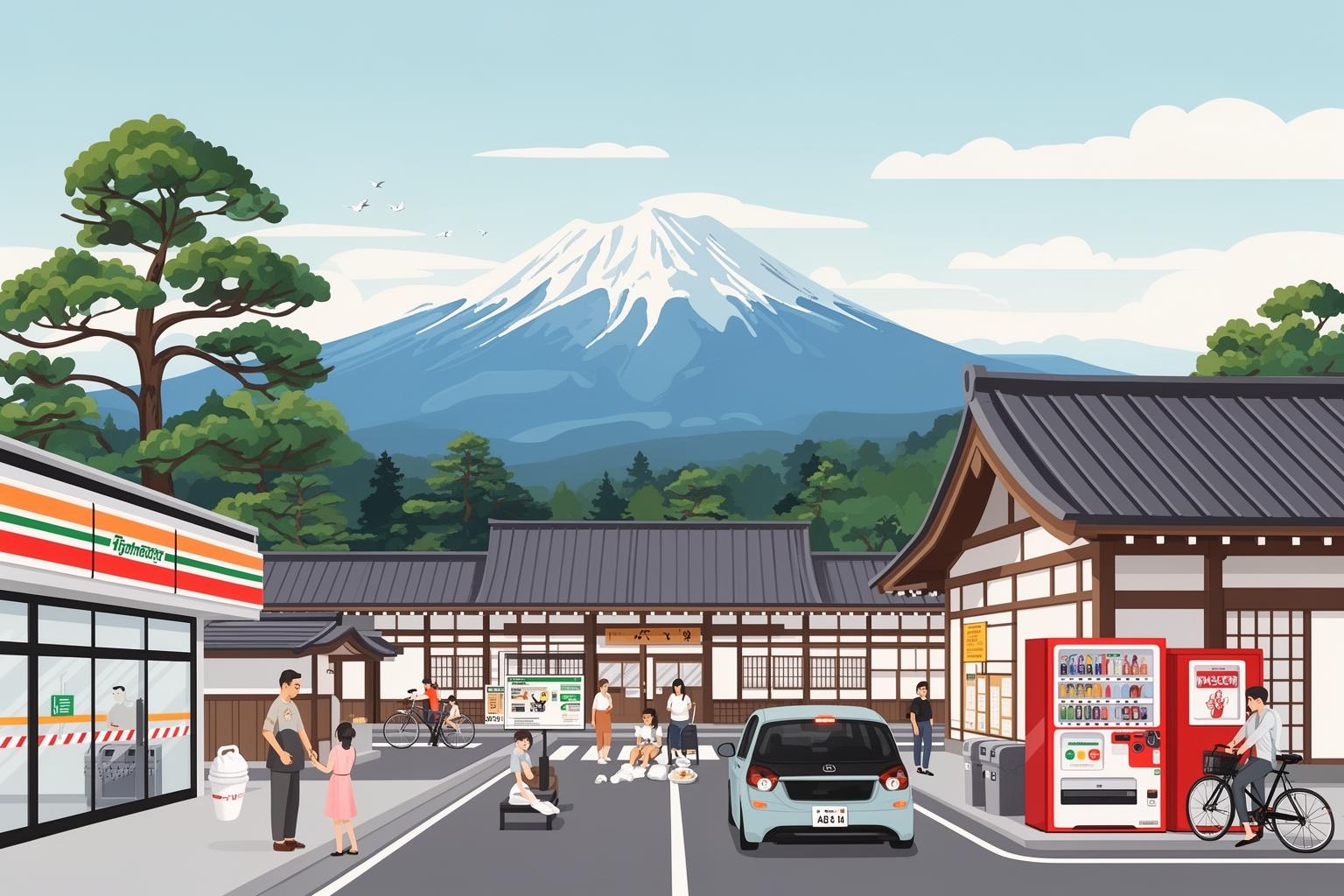
The konbini is more than just a place to buy food; it serves as a stage where the small rituals of modern Japanese life unfold. Its 24/7 accessibility and consistent quality have made it an essential part of the daily routine for millions, acting as a dependable companion that meets their needs from dawn until well past midnight. Its role varies throughout the day, becoming a unique sanctuary for different people at different times.
The Morning Fuel-Up
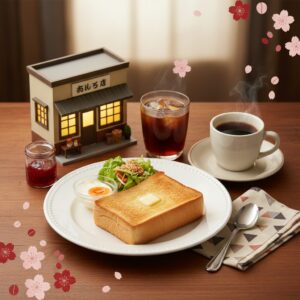
For countless commuters, the day starts at the konbini. During the morning rush, a steady flow of office workers, students, and laborers stop in for a quick, efficient breakfast. The ritual almost seems choreographed. They move with practiced ease, grabbing a hot can of coffee or a freshly brewed cup from the self-service machine. The coffee itself exemplifies the quality arms race; what once was a mediocre offering has evolved into a serious contender against specialty coffee shops, with some chains even featuring single-origin beans. Alongside the coffee is an onigiri for a traditional start, a sandwich for something more modern, or a pastry from the bakery section. The entire transaction takes minutes. It’s a moment of quiet preparation for the day ahead, a small, affordable ritual that provides both nourishment and a sense of order before diving into the chaos of the morning commute.
The Midday Reprieve
At lunchtime, the konbini becomes a lifeline for the urban workforce. Office buildings empty as workers flock to the nearest Lawson, FamilyMart, or 7-Eleven. Choosing a bento is a daily ritual of decision. Should it be the hearty grilled mackerel, the comforting chicken cutlet with egg (oyakodon), or a cold noodle salad on a hot day? There is a built-in confidence in the quality and safety of the food. No one worries about getting sick from a konbini meal; the standards for hygiene and freshness are famously exacting. Many konbini offer a few seats or a standing counter, but more often, the bento is taken back to the office to be eaten at one’s desk. This ritual offers a brief respite, a moment to refuel and recharge before facing the afternoon’s work. It’s a practical solution to the challenge of a short lunch break, without compromising on taste or nutritional balance.
The Late-Night Haven
Perhaps the konbini’s most crucial role is as a late-night refuge. After the last trains have run and the city has quieted, the konbini remains a beacon of light and warmth. At this time, it serves the salaryman working late, the student cramming for exams, or the traveler who has just arrived. The offerings cater to a need for comfort and solace. In winter, the steaming vats of oden—a mix of fish cakes, daikon radish, and boiled eggs simmering in a savory dashi broth—are a welcome sight. Customers pick their favorite items, which are then ladled into a container. Grabbing a hot bowl of oden, a can of beer, and some fried chicken from the hot case is a deeply satisfying ritual after a long, demanding day. It’s more than just a meal; it’s a moment of self-care, a small reward. At night, the konbini is a place of quiet solitude, offering comfort without judgment and serving a hot meal to anyone in need, at any hour.
More Than a Store: The Konbini as Social Infrastructure
The transformation of the konbini from a simple shop into a culinary destination is closely tied to its simultaneous development as an indispensable piece of social infrastructure. Its success stems from becoming utterly essential to the daily routines of life in Japan. This deep integration is what draws people back multiple times a day, with food serving as the central, most compelling reason for those frequent visits.
Walking into any konbini, you can do much more than just buy a snack. You can pay your utility bills, taxes, and insurance premiums. You can send and receive packages, using the store as a personal logistics hub. You can purchase tickets for concerts, theme parks, and buses. You can print documents from a USB drive or the cloud. There are ATMs that accept international cards, a godsend for travelers. This remarkable concentration of services makes the konbini a true one-stop shop for the errands of modern life.
This practical role establishes a powerful symbiotic relationship with its food offerings. You might drop in to pay your electricity bill, but while there, you’ll be tempted by the new seasonal dessert, the perfectly arranged bento boxes, or the aroma of freshly fried chicken. The steady foot traffic generated by these essential services gives the konbini countless chances to sell you a meal or a snack. Conversely, the high quality of the food offers a compelling reason to choose one konbini over another for your errands. It’s a brilliant feedback loop: the services bring you in, and the food makes you glad you came.
In a country with an aging population and an increasing number of single-person households, the konbini also fulfills a subtle social role. For the elderly, it can be a safe, accessible, and friendly place to shop for single-serving meals. For the single office worker, it is a reliable source of a decent dinner that requires no cooking. The bright lights and friendly, formulaic greetings of the staff—“Irasshaimase!“—offer a small but consistent point of human contact in an often anonymous urban environment. While not a community hub in the traditional sense, the konbini is a vital, ever-present node in the social network—a place that is always there, always dependable, and always offering something good to eat.
Ultimately, the Japanese konbini perfectly embodies the country’s modern cultural values. It represents the pursuit of perfection in the everyday, the belief that even a simple rice ball deserves care and creativity. It stands as a monument to logistical excellence, a system designed to deliver maximum freshness and quality with minimal waste. And it offers a masterful solution to the pressures of urban life, providing unmatched convenience without ever asking customers to compromise their deep-seated cultural expectation of good food. The konbini is more than just a store. It is a finely tuned machine for living, a culinary paradox proving that fast food can be fresh, convenience can be high-quality, and a humble corner shop can become a source of genuine daily pleasure.