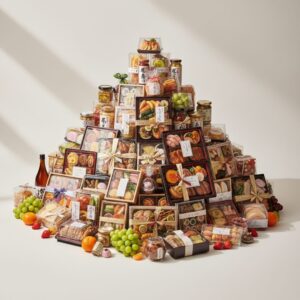
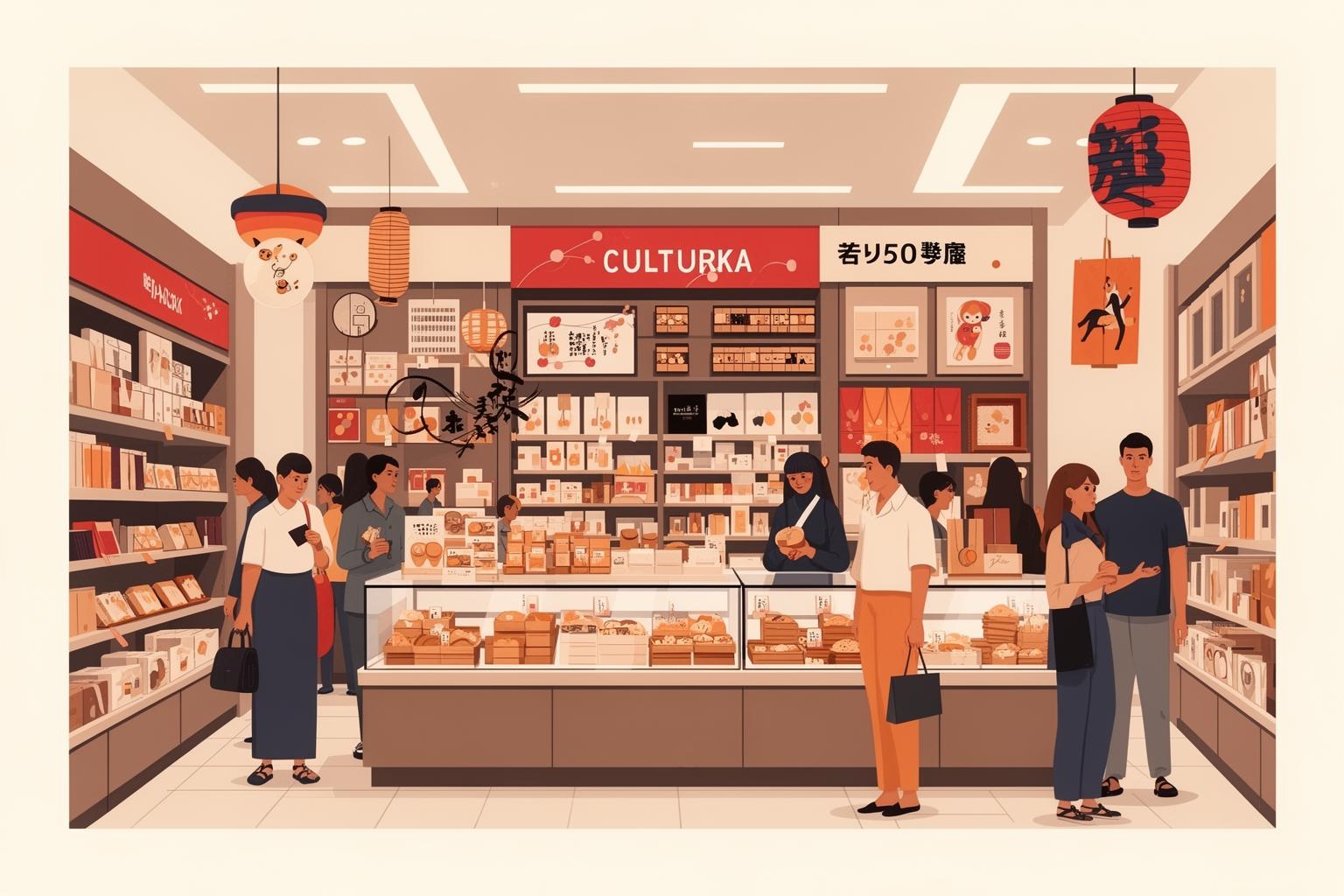
Walk into the basement of any major Japanese department store around six in the evening. You’ll find yourself in a depachika, a sprawling, brilliantly lit wonderland of food. It’s less a food court and more a museum gallery where the art is edible. Perfectly marbled wagyu beef is displayed like jewelry. Fruit sits in precious, individual boxes, each strawberry a Platonic ideal. Bento boxes are arranged with geometric precision, their contents a vibrant mosaic of colors and textures. The air is filled with a low, respectful hum of commerce, the polite calls of vendors, and the scent of freshly baked bread, grilled eel, and delicate pastries. It’s a picture of serene, meticulous order.
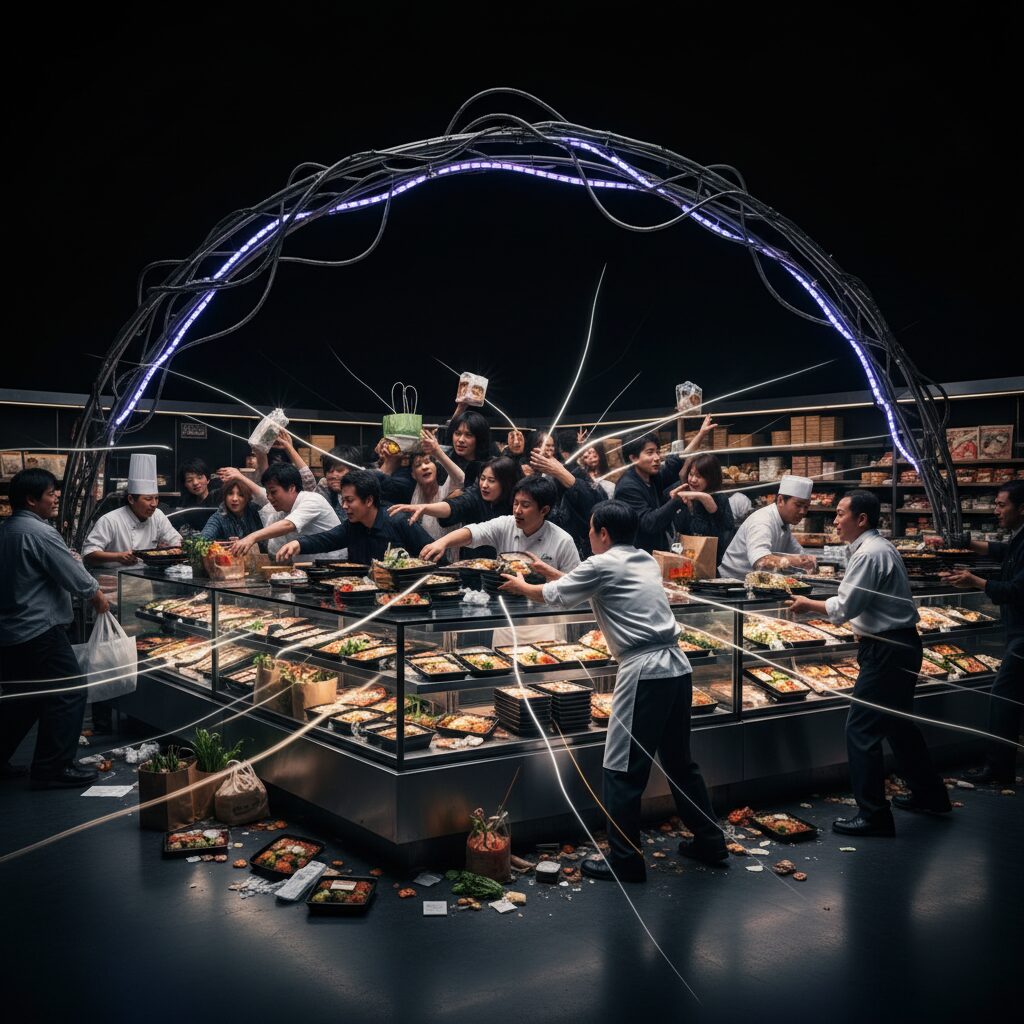
Now, wait an hour. As the clock ticks past 7 PM and closing time looms, a subtle shift begins. A new energy starts to crackle in the air. The leisurely browsing slows. Shoppers, who were once casually admiring the displays, begin to hover. They circle specific counters—sushi, tempura, salads, deluxe bento—with a newfound intensity. Their movements become more deliberate, their gazes more focused. They aren’t looking at the food anymore; they’re looking at the staff. They are waiting for a sign. This is the calm before the storm. And when it breaks, it reveals something profound not just about bargain hunting, but about the core values of Japanese society itself.
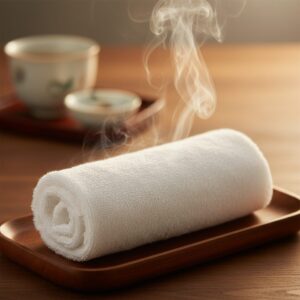
As the depachika shifts from tranquil art gallery to a stage of deliberate anticipation, diners may find that even the subtle Japanese hot towel ritual encapsulates the refined art of hospitality at play.
The Stage and its Players
First, it’s important to understand what a depachika is—and just as importantly, what it isn’t. This isn’t your typical supermarket basement. Rather, it’s a carefully curated collection of high-end vendors, renowned local shops, and luxury brands. The food offered here is of premium quality, intended for special occasions, thoughtful gifts, or an indulgent weekday dinner. The prices reflect this level of quality. A single bento box from a respected establishment can easily cost more than an entire meal at a casual restaurant. The assumption is that quality comes at a price, and customers are willing to pay it.
The cast of characters in this nightly drama is captivating. On one side, there are the staff. Throughout the day, they exemplify Japanese service at its finest: polite, patient, and remarkably precise. They wrap your purchases with practiced elegance and bow with sincere respect. But as the discount hour nears, they shift into a new role, becoming the orchestrators of a controlled frenzy. Equipped with rolls of brightly colored stickers—20% off, 30% off, half price—they decide when the ritual begins.
On the other side are the shoppers. It’s a mistake to assume they are all financially struggling. Look more closely. You’ll notice office workers in sharp suits with briefcases by their sides, well-dressed women perhaps returning home after meeting friends for tea, as well as young couples and university students. These aren’t people who need a discount to eat. They are individuals who have chosen to take part in this event. They are discerning, patient, and when the moment arrives, surprisingly swift. They are not just shoppers; they are participants in a game they know well.
The Unspoken Rules of Engagement
What might appear as a chaotic crowd to an outsider is actually governed by a highly structured, though unwritten, social contract. This is not a free-for-all. Rules exist, and everyone is aware of them. The first rule is timing. In Japan, the clock is absolute. A train scheduled for 7:03 departs exactly at 7:03, never at 7:04. The same principle applies here. Discounting doesn’t begin at some vague “end of the day.” It’s a staggered, precisely timed process. The sushi counter may start at 7:15, while the tempura vendor waits until 7:30. Regulars know these timings by heart.
Before the stickers are released, there is the “hovering dance.” Participants don’t form a queue, as that would be too direct, too obvious. Instead, they circulate around their chosen counter, maintaining a careful, respectful distance. They avoid eye contact with both staff and other shoppers. They are reading the atmosphere, or kuuki wo yomu, a crucial Japanese social skill. They gauge the competition, assess the remaining stock, and position themselves for the perfect moment to act, all without exchanging a single word. It’s a silent, strategic ballet of anticipation.
The climax of this dance comes with the arrival of the staff member holding the waribiki shiru, the discount stickers. The instant the employee peels the first red sticker from the roll, the spell is broken. The hovering ends. Shoppers surge toward the counter in a swift, focused wave. Hands reach out, trays are grabbed, and the most coveted items—the fatty tuna sashimi, the intricate seasonal bento—disappear within seconds. Yet, even amidst this frenzy, a certain order is maintained. There is no shouting. Barely any pushing or shoving. It’s an intensely competitive yet strangely civil rush. Everyone understands the goal and performs their role with an efficiency that seems almost telepathic.
Beyond the Bargain: The Cultural ‘Why’
If it’s not solely about saving money, what motivates this nightly ritual? The answer is found in several core Japanese cultural concepts deeply embedded in everyday life. This fifteen-minute rush is an expression of values far more significant than the cost of a croquette.
Mottainai: The Essence of Scarcity
At the center of this practice lies the concept of mottainai. Commonly translated as “wasteful,” the term holds a much deeper, almost spiritual meaning. It is a Buddhist-influenced word conveying regret over wasting any resource, whether food, time, or potential. Discarding perfectly good food is not merely inefficient; it is, in a profound sense, wrong. It disrespects the farmer who harvested the rice, the fisherman who caught the fish, and the chef who meticulously prepared the meal.
For the department store, selling off leftover stock at a significant discount is more than a financial measure to recover costs. It is a cultural obligation. It fulfills a duty to prevent mottainai. Shoppers participating are not just being economical; they act as agents in this collective moral endeavor. They “rescue” this beautiful food from the shame of the trash bin. Purchasing a discounted bento is a small act of virtue, a way to restore balance and honor the world’s resources.
The Excitement of the ‘Time Sale’
Japanese consumer culture thrives on a sense of occasion and urgency. Limited-edition goods, seasonal specials, and especially the “time sale” (taimu seru) are strong incentives. These moments turn ordinary shopping into a game, a challenge with a clear reward. The depachika discount scramble is the pinnacle of the time sale experience.
It offers a low-risk, high-reward thrill. For a short time, the strict social etiquette of the day is loosened in pursuit of a shared goal. There is a sense of communal excitement, a rare collective energy in the often lonely urban environment. Emerging victorious with a prized discounted toro or an elegant fruit tart feels like a triumph. It delivers a small but meaningful surge of satisfaction and a story to recall on the train home. You didn’t just buy dinner; you successfully played a complex social game and won.
Practicality and the ‘Smart Shopper’ Identity
Frugality, or ken’yaku, is highly valued in Japan, but it refers to a specific type of thrift. It is not about stinginess, which can suggest low quality; it is about being wise, discerning, and resourceful. It means getting the best possible value for your money. The depachika shopper exemplifies this ideal.
They are not choosing lower-quality items. They are purchasing the same high-end, premium food others paid full price for just an hour prior. By waiting and engaging in this ritual, they show their savvy as consumers. This brings a quiet pride. They have secured a luxurious experience—a meal both visually appealing and delicious—at a practical cost. This is not the embarrassment of needing a discount; it’s the pride of earning one through skill and timing. It strengthens an identity as a shrewd, competent individual who knows how to navigate the system.
It’s Not a Riot, It’s a Ritual
An outsider observing the scene might interpret it as a desperate rush for cheap food. However, that perspective completely misses the point. This is a ritual, signifying the shift from the public, formal environment of the department store during business hours to the private, domestic setting of the evening meal. It’s a daily clearing of the shelves, ensuring that each new day starts with freshness and perfection.
The act itself is a captivating mix of contrasts that characterize modern Japan. It is at once chaotic and orderly, competitive and communal, pragmatic and principled. It represents a moment where the deep-rooted cultural aversion to waste (mottainai) intersects with the contemporary excitement of consumer gamesmanship. It expresses the yearning for quality and luxury, balanced by the virtuous pursuit of smart economy.
This is why those taking part are not just anyone. They are individuals who truly value the quality of the food to begin with. They recognize its inherent worth, making the discounted price feel like an even greater triumph. They are securing a small, affordable luxury to enhance an ordinary weekday evening. That half-price sushi is not merely dinner; it’s a reward for a long day’s work, a treat made all the more enjoyable by the ingenuity required to obtain it.
The Aftermath
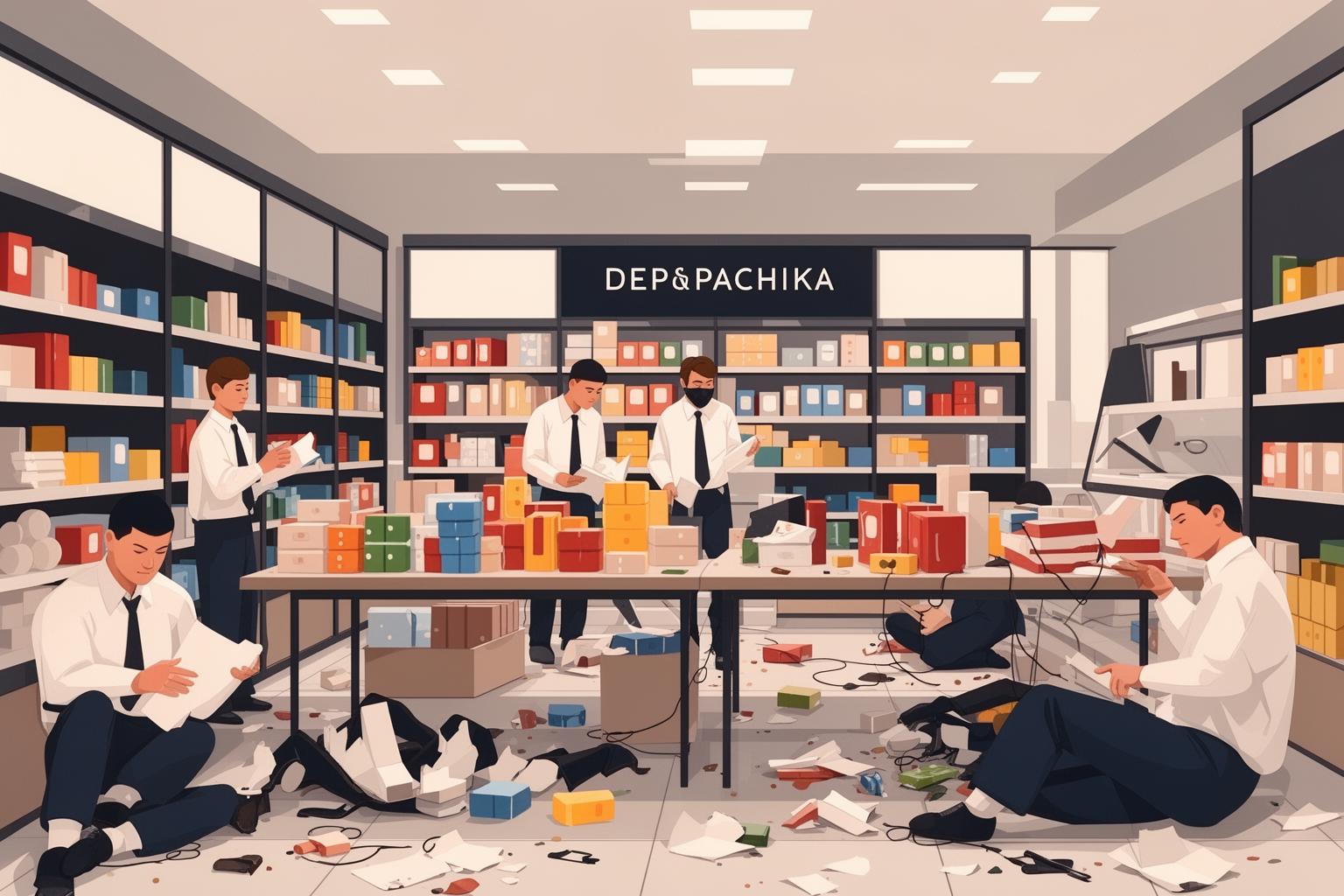
And then, just as suddenly as it started, it’s over. Within minutes, the once-abundant displays are reduced to almost nothing. A few leftover, less-desirable items might remain, but the best choices are gone. The energy in the air dissipates. The triumphant shoppers, now holding plastic bags filled with their finds, fade back into the evening crowds, their faces reflecting a quiet, contented determination.
The staff, having fulfilled their role as hosts, quickly shift to the closing routine. They wipe down the counters, pack away the remaining items, and restore the space to its clean, orderly condition. Calm returns. The stage is set, ready for the next day’s performance.
That nightly rush in the depachika is more than just a sale. It serves as a microcosm of Japanese society, where deep-rooted values about waste, time, and social order unfold in a whirlwind of focused activity. It stands as a testament to a culture that crafts a space for intense, rule-bound competition within a broader framework of harmony and respect. It demonstrates how even the simple act of buying dinner can become a complex ritual, rich with unspoken rules and shared cultural significance. It is a beautiful, efficient, and utterly captivating form of chaos.