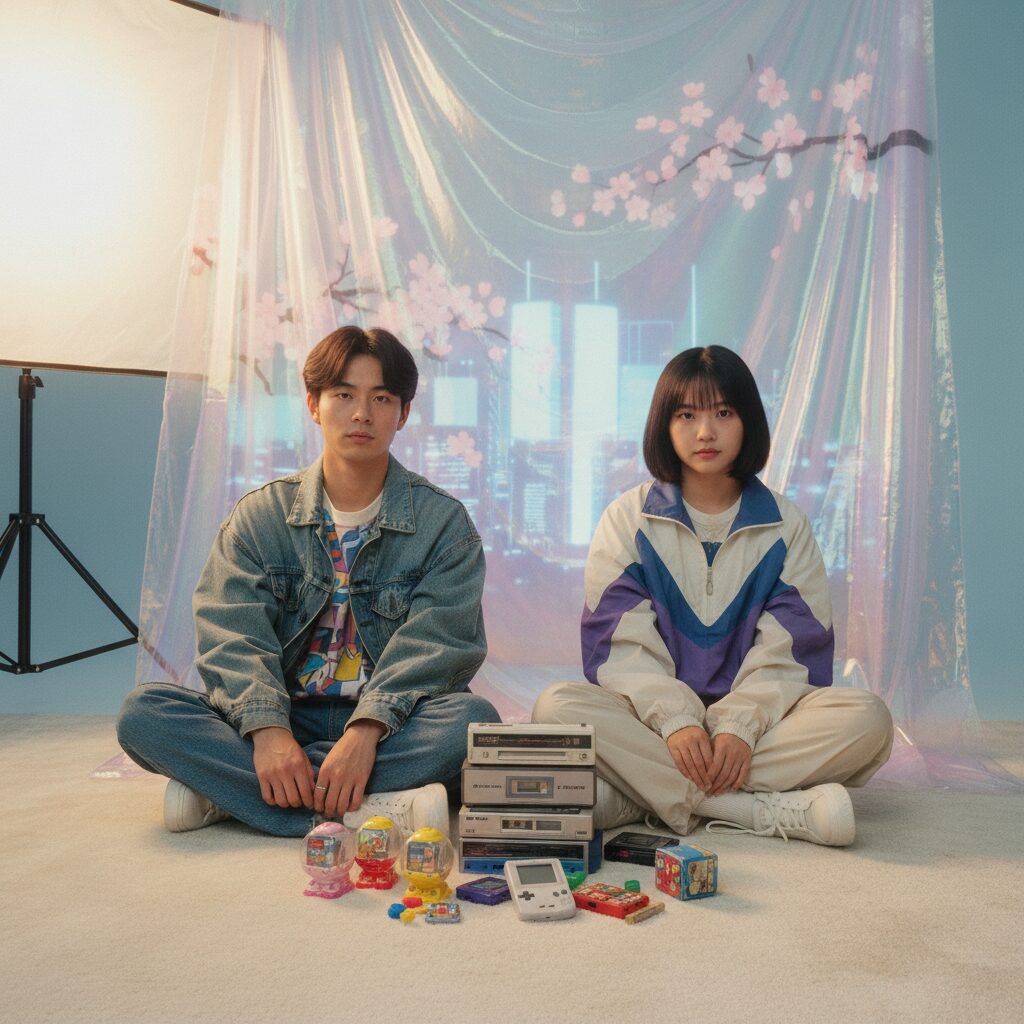
You see it bubbling up everywhere in Tokyo, a ghost from a past that refuses to stay buried. It’s in the warm, analogue glow of a newly opened but old-looking coffee shop, the kind with dark wood panelling and vinyl spinning softly in the corner. It’s in the breezy, optimistic funk of a City Pop playlist echoing from a clothing boutique in Shimokitazawa. It’s in the sudden trend for shooting on film cameras, embracing the grain and imperfection over the flawless clarity of an iPhone. This is the world of Shōwa Retro, a sprawling, aesthetic-driven nostalgia for Japan’s mid-to-late 20th century. The strange part? Its most passionate followers are people in their teens and twenties, a generation for whom the Shōwa Emperor, Hirohito, is a figure from a history textbook. They never lived a single day in the era they so lovingly recreate. This isn’t their parents’ nostalgia; it’s a borrowed one, a fantasy. And it begs the question: why are young people, in one of the most futuristic nations on earth, so obsessed with a past they never experienced? The answer isn’t about historical accuracy. It’s a deeply revealing story about the anxieties and desires of Japan today.
The fusion of nostalgic visuals and contemporary culture finds an echo in the city’s evolving auditory landscape, as explored in Japan’s sound sanctuaries, which reveal a parallel world where the past and the present resonate in unexpected harmony.
The Anatomy of an Imagined Past
To grasp Shōwa Retro, you first need to recognize that it doesn’t refer to the entire Shōwa period—a long era from 1926 to 1989 marked by militarism, devastating war, and painful reconstruction. When people mention Shōwa Retro, they’re almost always focusing on the high-growth, post-war years, roughly from the late 1950s through the booming 1980s. This is the Shōwa era of collective memory: a time filled with relentless optimism, economic miracles, and a vibrant, emerging pop culture. It’s a highlight reel, carefully curated and stripped of its complexities.
A Visual and Sensory Feast
The aesthetic serves as the entry point for most people. It’s a tangible, instantly recognizable style that contrasts sharply with the minimalist, often sterile design sensibilities of modern Japan. Imagine a classic kissaten (old-style coffee house). The air is heavy with the aroma of dark-roast coffee and a faint trace of cigarette smoke. The seats are worn velvet, the lighting warm and dim, the wood dark and comforting. On the menu is a vividly green melon soda float, topped with a scoop of vanilla ice cream and a single, impossibly red maraschino cherry. This single image encapsulates the essence of Shōwa Retro: unapologetically analogue, slightly kitsch, and deeply comforting.
This aesthetic permeates everything. It’s in the typography on old movie posters and magazines, with their bold, rounded fonts. It’s in the fashion—high-waisted trousers, patterned shirts, and chunky plastic accessories. It’s in the technology itself, which has become an iconic symbol. The clunky rotary phone, the bulky CRT television showing a grainy picture, the satisfying clicks and whirs of a cassette tape deck—these objects represent a pre-digital era. They are finite, tactile, and require a certain attentiveness. You can’t mindlessly scroll through a vinyl record; you have to select it, place it on the turntable, and drop the needle. This deliberate, physical engagement with media offers a powerful contrast to the ephemeral, frictionless world of the internet.
The Soundtrack of Unshakeable Optimism
If the kissaten represents the visual core of Shōwa Retro, then City Pop is its soul. This genre of music, popular in the late 70s and 80s, is perhaps the movement’s most significant cultural export. A smooth, sophisticated blend of American soft rock, AOR (Album-Oriented Rock), funk, and soul, City Pop is the auditory equivalent of a sunset drive along a coastal highway in a convertible. It’s lush, impeccably produced, and suffused with a sense of breezy, urban cool.
Artists like Tatsuro Yamashita, Toshiki Kadomatsu, and Mariya Takeuchi crafted a sound that perfectly captured the mood of Bubble-era Japan. It was the music of a nation that had not only recovered from the war but had become an economic powerhouse. The lyrics evoke cosmopolitan romance, beach vacations, and late-night cruises through a glittering metropolis. There is no angst here. No economic worries. It is pure, unfiltered optimism and aspiration.
The resurgence of City Pop is a phenomenon all its own. Fueled by YouTube’s mysterious algorithms, Mariya Takeuchi’s 1984 track “Plastic Love” became a viral global sensation in the late 2010s, introducing millions of non-Japanese listeners to the genre. For Japanese youth, this international recognition helped legitimize their emerging interest. Suddenly, this music from their parents’ generation was cool again—not just as a dusty, nostalgic relic but as a vibrant, globally connected cultural force. It became the default soundtrack for the Shōwa Retro subculture, providing the emotional backdrop to the entire aesthetic.
Why Now? The Psychology of Borrowed Nostalgia
The question remains: why this era, and why now? While a fondness for vintage style is one thing, the intensity of the Shōwa Retro phenomenon suggests something far deeper. It’s a direct response to the Japan this younger generation has inherited—a world far removed from the thriving confidence of the 1980s.
Escaping the ‘Lost Decades’
For those under 35 in Japan, the prevailing national story has been one of stagnation. The dramatic collapse of the bubble economy in the early 1990s ushered in what is often called the “Lost Decades.” The assurances of the Shōwa era—lifetime employment at a major corporation, a steady rise in salary, and a secure future—vanished. This generation grew up amid economic uncertainty, part-time or contract work, and the palpable feeling that their country had passed its peak. They hear from their parents and grandparents about a time when Japan stood at the pinnacle of the world and the future felt like a brightly lit, upward-moving escalator.
Shōwa Retro, then, becomes a form of escapism. It lets young people mentally inhabit a Japan that is confident, prosperous, and full of promise. It’s a fantasy of national strength and personal stability. By adopting the fashion, enjoying the music, and visiting the cafés of that time, they can momentarily feel part of that optimistic story. It’s a nostalgia for a national mood—a yearning for confidence they have never personally experienced.
The Analogue Antidote to a Digital World
Beyond the economic backdrop, Shōwa Retro also serves as a quiet rebellion against the overwhelming nature of modern digital life. Today’s youth have lived their entire lives through screens. Their social interactions happen on platforms, their media is consumed through never-ending feeds, and their reality is often filtered, curated, and shaped by algorithms. This can be exhausting and alienating.
The analogue world of the Shōwa period offers a compelling alternative. Film photography is a prime example. Unlike snapping hundreds of digital photos and deleting most, shooting a roll of film requires thoughtfulness. Each shot costs money; you must consider composition and light. Then, you wait for the film to be developed—a period of patience and anticipation. The resulting prints are physical objects, complete with imperfections—light leaks, grain, subtle color shifts—that make them feel unique and tangible.
The same principle applies to vinyl records, cassette tapes, and even sitting in a kissaten, where using a laptop might feel out of place. These experiences are rooted in the physical world. They are slower, more intentional, and provide a sense of permanence missing in the transient, weightless realm of digital content. It’s a quest for authenticity and a more human-scaled way of living.
A Perfect Past, Free of Flaws
Importantly, the nostalgia surrounding Shōwa Retro is highly selective. Because today’s youth did not actually live through this era, they are free to engage with an idealized, aestheticized version of it. They can embrace the vibrant pop culture while conveniently overlooking the era’s significant drawbacks.
For example, the mid-Shōwa workplace was notoriously rigid and demanding, marked by immense pressure and exceedingly long hours. Society was far more patriarchal, with limited opportunities for women. Political tensions and social unrest were frequent. Pollution was a severe problem in rapidly industrializing cities. None of this appears in the Shōwa Retro fantasy. The subculture cherry-picks the cool cars, stylish clothes, upbeat music, and charming cafés, leaving behind the complex and often harsh social realities. It’s nostalgia stripped of the burden of actual memory—a historical theme park where every ride is enjoyable and every corner photogenic.
Where Shōwa Lives Today
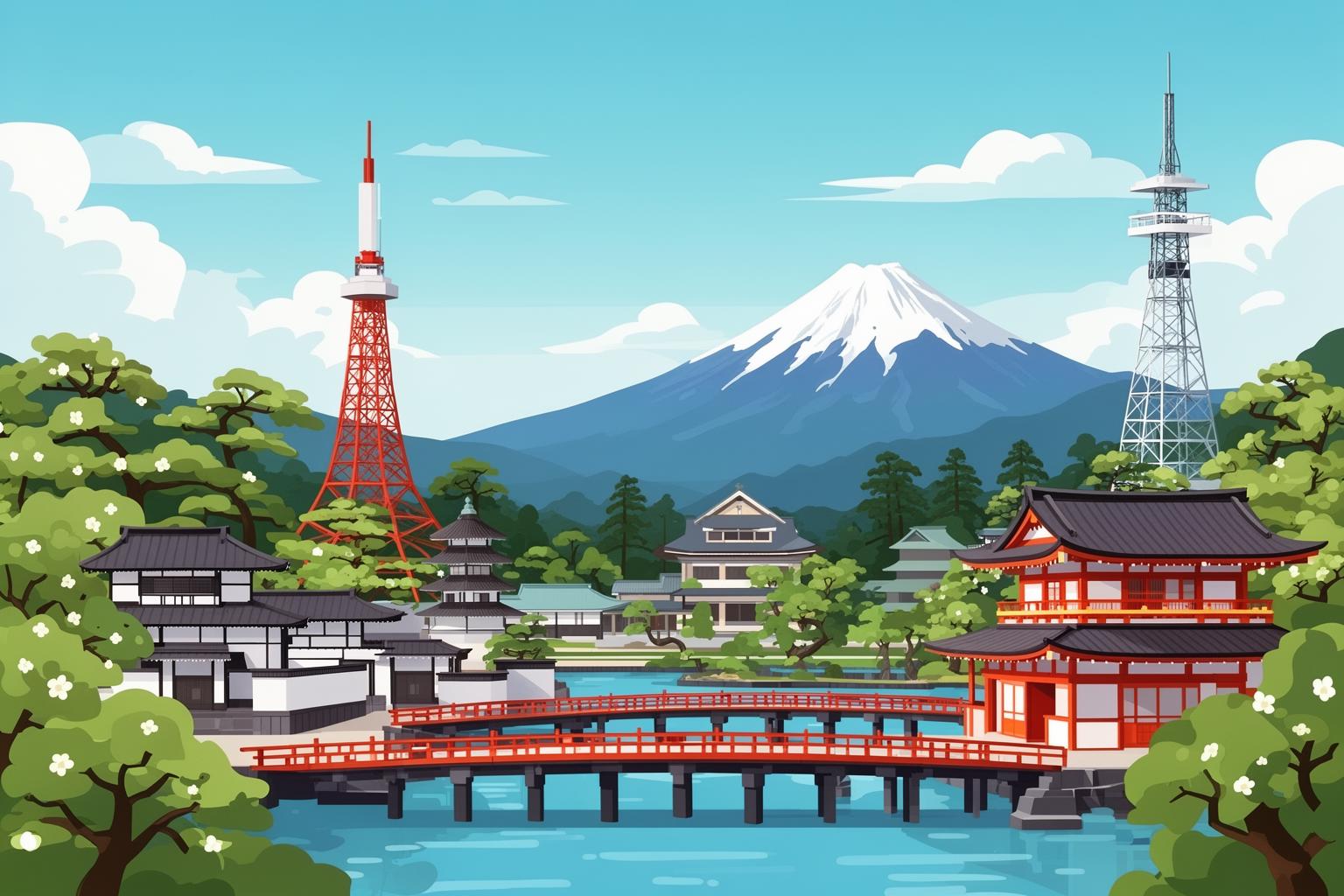
This isn’t merely an online mood board; it has taken shape in real spaces and consumer behaviors. The subculture is actively influencing aspects of Japanese urban life, generating a feedback loop where the demand for retro experiences is met by new businesses tailored to this trend.
The Resurgence of Retro Spaces
While many original kissaten from the 60s and 70s remain open, often managed by aging owners, a new wave of Shōwa-inspired cafes has emerged. These establishments carefully recreate the aesthetic for a younger audience, sometimes called ‘neo-kissaten’. They feature melon sodas, vinyl records, and dark wood interiors, along with the subtle conveniences of modern venues such as cleaner bathrooms and, if you ask nicely, a Wi-Fi password. Similarly, small, cozy bars centered on City Pop and other Shōwa-era music have become popular spots. These venues act as community hubs where fans of the subculture connect and share their appreciation.
Public bathhouses, or sentō, are another area seeing a retro-driven revival. Many of these facilities, with their iconic Mount Fuji murals and Showa-era designs, are being rediscovered by young people who view them not only as places for washing but also as cultural experiences and glimpses into a simpler era.
A Lasting Influence on Modern Culture
The impact of Shōwa Retro has spilled over into mainstream culture. Fashion brands launch collections inspired by 80s silhouettes and color schemes. Contemporary J-Pop artists incorporate City Pop elements into their music. Manga and anime series set in the Shōwa period have gained popularity, using the era as a backdrop for tales of youthful romance or intense drama. The aesthetic has become a potent tool for creators—a shorthand that evokes feelings of warmth, nostalgia, and a bittersweet coolness. It has evolved from a niche subculture into a widely recognized and appreciated stylistic choice.
Ultimately, Shōwa Retro is more about the present than the past. It stands as a testament to the power of aesthetics in creating a sense of belonging and comfort. For a generation facing an uncertain future, it offers an idealized, ready-made vision of a time when the path ahead seemed clear and the music was always upbeat. It serves as a way of looking back to find the optimism needed to move forward—a fantasy crafted from vinyl grooves, neon signs, and the sweet, artificial flavor of a cherry-topped soda.