Walk down almost any busy street in a Japanese city, from a gleaming Tokyo commercial district to a sleepy suburban shotengai, and you will eventually hear it. It’s a sound that’s hard to describe but impossible to forget once you’ve experienced it: a deafening, chaotic, metallic waterfall of noise. It spills out from brightly lit doorways, accompanied by the faint, sweet smell of stale cigarette smoke and a blast of overly air-conditioned air. This is the siren song of the pachinko parlor, a cornerstone of Japanese daily life that remains utterly baffling to most outsiders. You see them everywhere, these glowing palaces of noise, filled with people hunched over elaborate machines, their faces illuminated by flashing lights. And the question always comes up: what exactly are they doing in there? In a country where casinos are a recent and controversial development, and gambling is strictly illegal, how can an industry this massive, this visible, and this loud possibly exist? The answer is a beautiful, intricate dance of legal loopholes, cultural acceptance, and sensory overload. Pachinko is not just a game; it’s a social phenomenon, a semi-legal gray zone, and a uniquely Japanese form of escapism.
Amid the sensory overload of Japan’s pachinko parlors, many find solace in the quiet allure of solo camping, a peaceful alternative form of escape.
A Symphony of Steel and Gravity

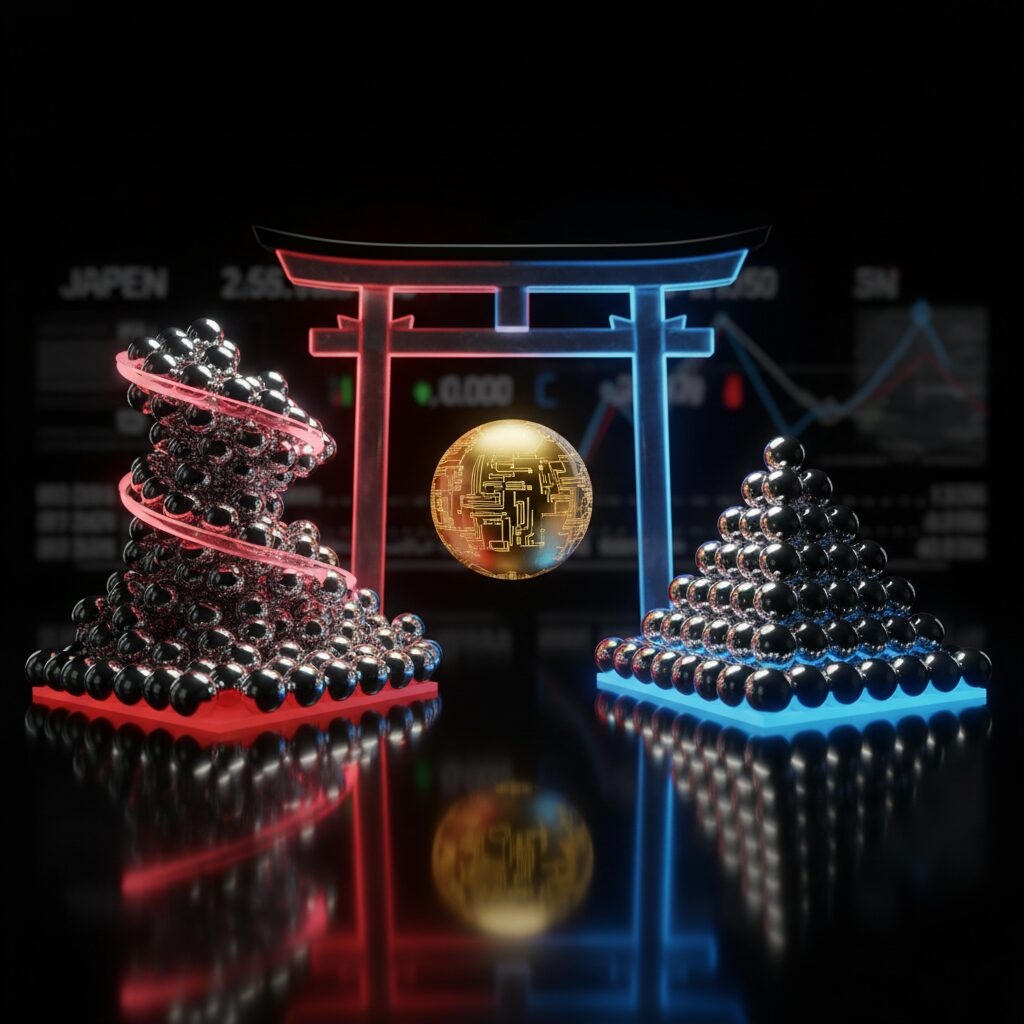
Before we untangle the cultural complexities, it’s essential to understand what pachinko truly is. At first glance, it resembles an upright slot machine, but it’s more precise to describe it as a mechanical fusion of pinball and a slot machine. Instead of pulling a lever, you turn a knob. This knob controls the force with which tiny steel balls, each about 11 millimeters in diameter, are launched into the playing field.
The objective is straightforward: you want these balls to land in specific winning pockets, known as “chasers” or “gates.” The playing field is a dense array of brass pins that deflect the balls, causing them to cascade down in a random, chaotic pattern. The game involves making minute adjustments. A slight turn of the knob left or right can alter the ball’s trajectory just enough to find a “sweet spot” where they consistently fall into winning areas. This small element of control is key to its appeal, giving the sensation of influencing the outcome, even though it largely relies on chance.
When a ball successfully lands in a winning pocket, the machine dispenses a jackpot of additional balls, which clatter into a tray at the bottom. Modern machines are digital marvels, featuring high-definition LCD screens at their center. A winning pocket often triggers a digital slot machine sequence on this screen. Matching three numbers or symbols activates a “fever mode” or ōatari (big hit), resulting in a massive payout of thousands of balls. These sequences are highly elaborate, frequently themed around popular anime, historical dramas, or pop stars. The music swells, the lights flash, and the machine erupts with celebratory sounds. This is the climactic moment, the excitement players seek. The cascade of silver balls filling the tray is a tangible, noisy, and deeply rewarding prize for your patience.
The Sensory Overload Chamber
To grasp the why behind pachinko, you first need to understand the where. A pachinko parlor is a space meticulously designed for complete sensory immersion, a purposeful onslaught on the senses meant to dissolve the outside world. The instant you walk through the automatic doors, the overwhelming noise hits you. It’s not just one machine but hundreds, each unleashing a continuous stream of steel balls accompanied by its own blaring digital soundtrack. The collective effect is a relentless, percussive roar that resonates physically through your body. It’s so loud that conversation becomes impossible, and that’s intentional. This is not a social activity; it is deeply solitary.
The visual stimulation is equally intense. Machines lined up in rows flash and pulse with kaleidoscopic lights. Anime characters on the screens engage in battles, dances, and celebrations. The lights on the machines signal near-misses, possible wins, and huge jackpots. Together with the constant clamor, it induces a trance-like state. Your entire focus narrows to the machine before you, the stream of silver balls, and the digital display. Concerns about work, family, or the pressures of a rigid society simply dissolve into the background noise. There’s no space for them in this chamber of manufactured chaos.
Then there’s the smoke. Although smoking is increasingly restricted in public areas in Japan, the pachinko parlor remains one of its last strongholds. The air is thick with tobacco haze, a scent that becomes inseparably tied to the experience itself. For many veteran players, the sound, light, and smoke combine into a single ritual, a sensory overload meditation. It’s an escape that requires no travel—just a seat and a tray of balls.
Japan’s Most Ingenious Loophole
Now to address the multi-trillion yen question: if gambling is illegal, how do players obtain money? This is where the brilliance of the pachinko system becomes clear. It’s a carefully designed three-step process that keeps the entire industry operating within a legal gray zone, perfectly embodying the Japanese ideas of tatemae (the public facade) and honne (the true reality).
First, inside the parlor, you never exchange your winnings directly for cash. That would constitute illegal gambling. Instead, you insert your buckets of steel balls into a counting machine, which issues you a receipt. You then take this receipt to a prize counter, still inside the parlor, and exchange it for “special prizes” (tokushu keihin). These are usually small, seemingly worthless items like gold or silver tokens encased in plastic, or occasionally branded pens or lighters. At this point, the parlor has fulfilled its legal obligation: it has given you a prize, not money.
Second, you take these special prizes and leave the parlor. The key detail is that the next transaction occurs outside, at a completely separate business. Hidden in a nearby alley, or sometimes just a small, nondescript window a few doors down, you’ll find a TUC Shop. TUC stands for Tokyo Union Circulation, although similar organizations operate nationwide.
Third, you hand over your special prizes to the person at the TUC window. They inspect the tokens and give you cash in return, based on their value. This window is legally a distinct entity, functioning as a kind of specialty pawn shop. It is simply purchasing the prizes from you. The parlor did not give you money, and the TUC shop did not conduct a game of chance. Each party undertook a legally separate action. The fact that the TUC shop later sells those same prizes back to the pachinko parlor for reuse is part of a business cycle that everyone, including law enforcement, tacitly agrees to overlook. It is a system built on plausible deniability, a shared fiction enabling a massive gambling industry to flourish openly.
The Faces Behind the Glass
So who are the people who spend hours sitting in these parlors? While the stereotype of the grizzled, chain-smoking old man or the yakuza tough persists, the reality is much more varied. You’ll find salarymen in suits stopping by after a long day at work to unwind before heading home. The noise and concentration required act as a mental reset button, helping them wash away the stresses of the corporate world. You might also see housewives, perhaps looking for a few hours of solitary escape from their domestic responsibilities, a place where they remain anonymous and undisturbed. The parlor is one of the rare spots where one can be alone in public without facing judgment.
Younger players are frequently attracted by machines themed around their favorite anime or video games, such as Neon Genesis Evangelion or the Final Fantasy series. For these players, it’s an extension of their fandom, offering another way to engage with a world they cherish. And yes, there are professional players, known as pachipuro, who earn a living by identifying machines likely to pay out and playing them with intense focus from morning until night. It’s a cross-section of Japanese society, connected not through conversation or community, but by a common desire for a particular kind of solitary, immersive distraction. It’s a place to pass time, chase thrills, and simply be left alone with the noise and the hope of hitting a jackpot.
Historically, the industry has also been significantly influenced and managed by Zainichi Koreans, ethnic Koreans who are permanent residents of Japan. In the post-war period, when many industries were closed to them, the pachinko business was one of the few opportunities for economic advancement. This has created a complex and occasionally tense relationship between the industry, Japanese society, and its Korean minority, adding another dimension to its cultural significance.
The Fading Roar?

Pachinko is no longer the giant it once was. The industry has experienced a slow but consistent decline over the years. Tighter gambling regulations have been introduced, limiting the maximum size of jackpots and making the machines less volatile and, for some, less thrilling. The widespread use of smartphones offers a more convenient and often less expensive form of entertainment. Japan’s aging population and the evolving leisure preferences of its younger generation mean fewer individuals are stepping through those noisy doors.
Still, it persists. Pachinko parlors continue to be a prominent feature of the Japanese landscape, reflecting the nation’s capacity to embrace contradictions. It is gambling that isn’t officially gambling. It is a social activity that is deeply anti-social. It is a place filled with intense, chaotic noise that many find oddly soothing. It embodies a compelling blend of technology, escapism, legal maneuvering, and pure, unfiltered capitalism. The next time you pass a parlor and hear that metallic clatter, you’ll recognize it’s not just the sound of a game. It’s the sound of a cultural paradox, one silver ball at a time.