Ask someone outside Japan what they know about shinrin-yoku, and you’ll likely hear the translation: “forest bathing.” It sounds pleasant, a bit poetic, maybe something you’d find on the menu at a high-end spa in California. The term conjures images of Goop-approved wellness trends, a hashtag-friendly activity for a weekend digital detox. And while it is, at its core, about spending intentional time among trees, this Western perception misses the point almost entirely. In Japan, shinrin-yoku is not a quirky hobby or a fleeting wellness fad. It is a scientifically researched, government-promoted public health practice—a recognized antidote to the pressures of modern life.
To understand shinrin-yoku is to understand a fundamental aspect of the Japanese mindset. It’s a practice that sits at the intersection of ancient spiritual beliefs and cutting-edge medical science, a modern solution built on a deep cultural foundation. It’s not about conquering a summit or getting your heart rate up. It is a deliberate, sensory immersion in the forest atmosphere, a form of natural therapy prescribed by doctors and integrated into the national health system. Why did this seemingly simple act of walking in the woods become so formalized here? The answer reveals a great deal about Japan’s relationship with nature, the crushing demands of its post-war economic miracle, and its ongoing search for balance in a hyper-modern world. This isn’t just about escaping the city; it’s about returning to a place that has always been considered sacred.
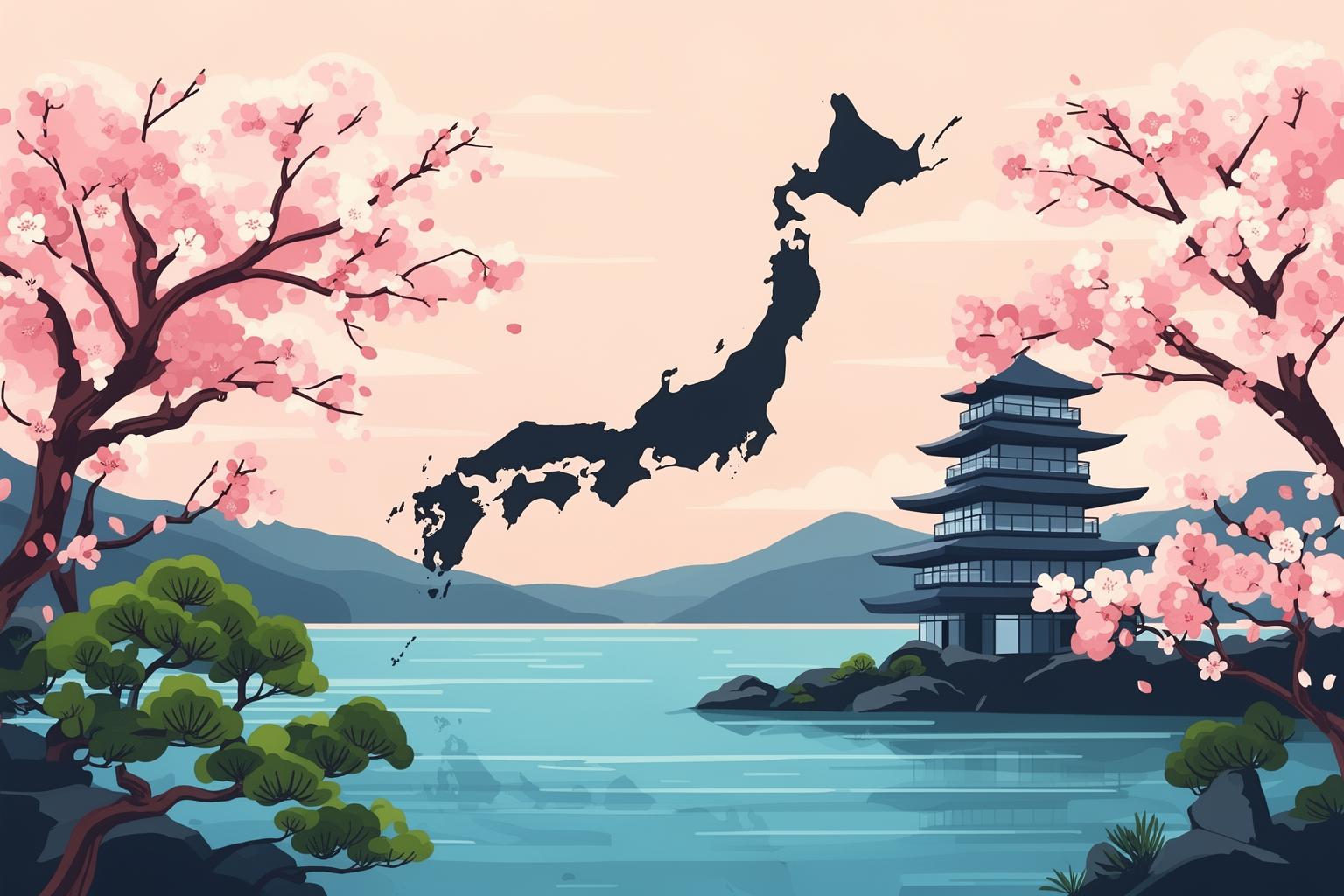
Japan not only embraces nature through shinrin-yoku but also celebrates its beauty seasonally, as seen in the cherished tradition of cherry blossoms, which epitomize the country’s profound connection with the natural world.
The Birth of a Modern Prescription
Contrary to its earthy, timeless aura, the term shinrin-yoku is not ancient. It wasn’t whispered by Zen monks in misty mountain temples centuries ago. Instead, it was coined in 1982 by the Japanese Ministry of Agriculture, Forestry, and Fisheries. This distinction is important. Shinrin-yoku did not emerge as a grassroots movement from the counterculture; rather, it was a top-down public health initiative born out of a national crisis.
Japan in the early 1980s was at the peak of its economic power—a period marked by frenetic energy, immense ambition, and strong national pride. However, this economic miracle came at a tremendous human cost. Cities, especially Tokyo, became concrete jungles dominated by relentless work. The salaryman emerged as both a national icon and a cautionary figure. Twelve-hour workdays were the norm, often followed by mandatory drinking sessions with colleagues and clients. The pressure was extreme, and competition fierce. This environment gave rise to a grim new term that soon entered the global lexicon: karōshi, or “death from overwork.” Stress, burnout, and pollution-related illnesses were widespread. The nation was quite literally working itself to death.
In response to this public health crisis, the Forest Agency proposed a distinctly Japanese solution. Japan is a mountainous country with forests covering roughly two-thirds of the archipelago. This expansive, underused natural resource, they reasoned, could become a powerful tool for healing. Shinrin-yoku was conceived as a call to action—a gentle but decisive directive encouraging urban residents to reconnect with the forests they had left behind. It became a national campaign promoting the therapeutic benefits of simply being among trees. The government began designating official Forest Therapy trails, funding research, and endorsing the practice as a legitimate, evidence-based form of preventative medicine. From the very start, shinrin-yoku was designed to be an accessible, low-cost method to address modern ailments such as stress, anxiety, and immune system dysfunction.
Not Just Any Walk: The Art of Forest Immersion
What distinguishes shinrin-yoku from a hike, a trail run, or a simple walk through a park? The difference lies entirely in intention and approach. Hiking focuses on reaching a destination. Running emphasizes physical exertion. Shinrin-yoku centers on sensory immersion. The aim is not to arrive anywhere specific but to be fully present in your surroundings. It is a slow, meditative practice designed to connect with nature through all five senses.
Engaging the Whole Self
Though the practice is intentionally unstructured, its core principle is to quiet the analytical mind and awaken the senses. You are encouraged to move slowly, almost without direction. You might pause for twenty minutes simply to observe how sunlight filters through the canopy—a phenomenon that Japan beautifully names komorebi. You might sit quietly on a moss-covered rock and listen attentively.
This is an experience that engages the entire body. Visually, you absorb the endless shades of green, the intricate fractal patterns of ferns and branches, and the gentle sway of bamboo. Audibly, you tune out internal thoughts and focus on the natural soundscape: the rustling leaves in the breeze, the distant call of a bird, the soft murmur of a hidden stream. The absence of urban noise—the sirens, announcements, and mechanical hum—provides a therapeutic backdrop. You are invited to touch the rough bark of a cypress, the cool, damp moss, or the smooth surface of a river stone. Deep, mindful breathing draws in the distinct scent of the forest—a clean, earthy aroma made up of soil, decaying leaves, and something more.
This “something more” is crucial: phytoncides. These are aromatic, volatile organic compounds that trees release to defend themselves against pests and disease. When we breathe them in, we are literally inhaling the forest’s immune system. This sensory connection forms a direct link to the science supporting the practice.
The Goal is No Goal
Perhaps the most difficult aspect of shinrin-yoku for modern, goal-driven individuals is its inherent aimlessness. There is nothing to accomplish, no checklist to finish, no personal record to surpass. You don’t “win” at forest bathing. The objective is simply to be. This intentional absence of purpose stands in contrast to the structure and pressures of daily life in Japan. It’s an exercise in letting go, allowing the forest itself to set the pace.
This philosophy resonates with Zen Buddhism, where mindfulness and presence in the moment are essential. It involves detaching from the relentless progression of time and immersing oneself in the deep, cyclical rhythms of nature. In a society where every minute is often scheduled and optimized, spending a few hours doing “nothing” in the woods becomes a quiet form of rebellion and a profound act of self-care.
The Cultural Soil: Why This Idea Took Root
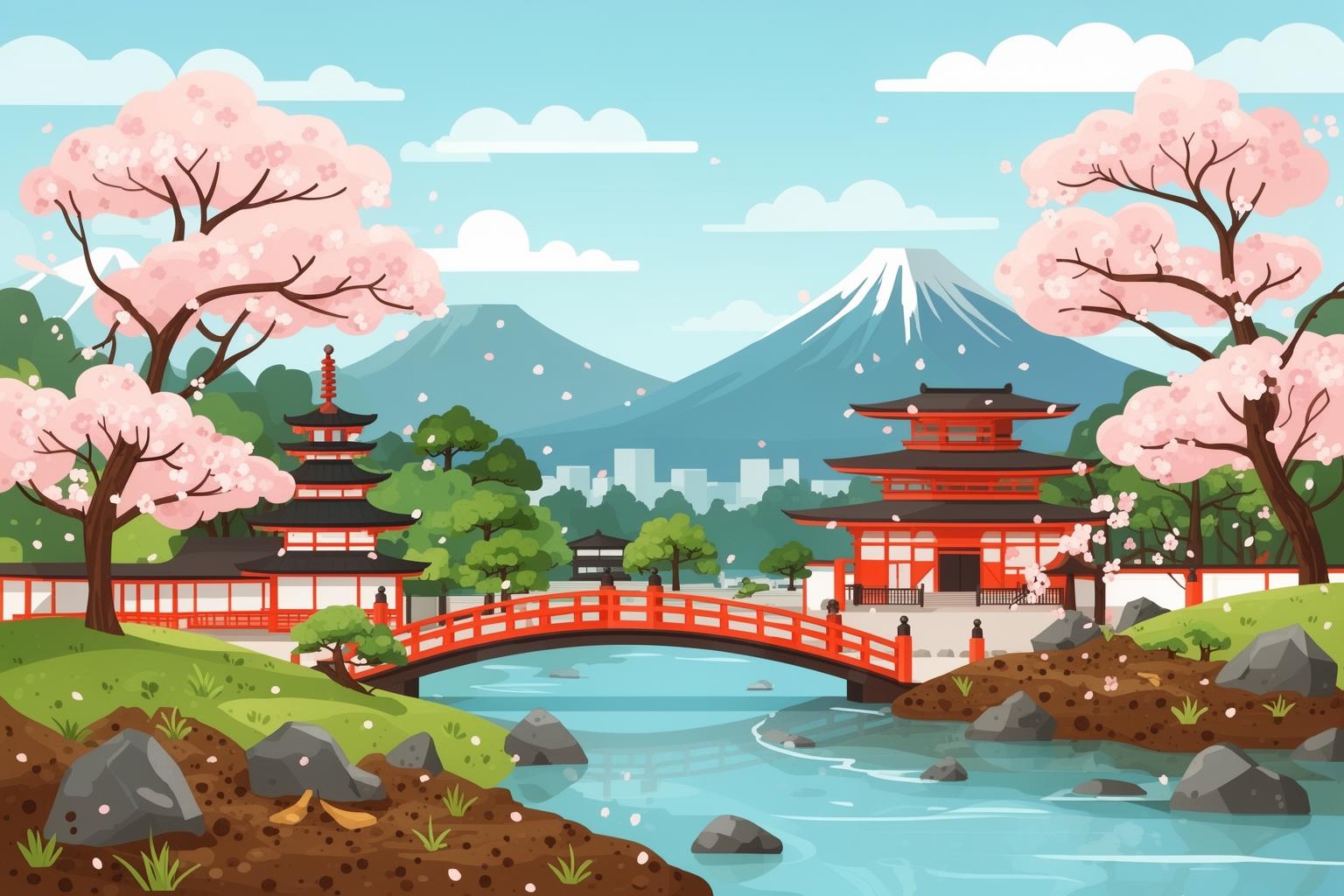
Shinrin-yoku may be a contemporary term, but the deep respect for nature that underlies it is ancient and intricately embedded in Japanese culture. The practice swiftly grew into a national movement because its roots had already been planted thousands of years ago. It touched a profound, almost instinctual, aspect of the national consciousness.
Shinto and the Sacredness of Nature
The most significant foundation is Shinto, Japan’s indigenous religion. Unlike Western monotheistic faiths, Shinto is a form of animism. It does not position humanity at the center of creation or regard nature as a resource to be controlled. Instead, it teaches that divinity is inherent within the natural world. The gods, or kami, are not remote beings in a distant heaven; they dwell in mountains, rivers, waterfalls, ancient trees, and uniquely shaped rocks.
Thus, a forest is not simply a collection of plants and animals. It is a sacred place, a dwelling of the kami. The most powerful and ancient trees, often adorned with a shimenawa (a sacred rope made of rice straw), are viewed as kami themselves and as objects of worship. The forests that encircle Shinto shrines, called chinju no mori, are sacred groves—protected sanctuaries preserved for centuries. To enter a forest in Japan is, in a sense, to enter a living cathedral. This cultural conditioning means that walking among trees carries a sense of respect, reverence, and spiritual purification. It is not merely a physical environment but a spiritual one where purity can be found and the divine essence of the world can be reconnected with.
An Aesthetic of Natural Nuance
Beyond religion, Japanese aesthetics have long revolved around a profound and subtle appreciation of nature. This is not focused on grand, majestic landscapes like those of the Hudson River School. Instead, it emphasizes discovering deep beauty in small, delicate, and often ephemeral natural phenomena. Consider the intense national reverence for the fleeting bloom of cherry blossoms (sakura), a celebration tinged with the gentle sadness of their impermanence—a concept known as mono no aware.
Reflect on the aesthetic of wabi-sabi, which celebrates beauty in imperfection, impermanence, and incompleteness. A twisted tree branch, a moss-covered stone, a cracked ceramic bowl—these are admired for their simple, unassuming beauty. This outlook trains both the eye and spirit to appreciate subtle details that a hurried glance would overlook. The aim of shinrin-yoku—to observe the play of light, the texture of bark, the sound of water—is a natural continuation of these long-established aesthetic principles. For centuries, the culture has nurtured the very skills of attentive observation and appreciation that forest bathing requires.
Antidote to an Urban Reality
Lastly, shinrin-yoku flourished because it served as the ideal remedy for the particular challenges of Japanese modernity. The post-war era saw a massive migration from rural areas (inaka) to urban centers. Generations raised amid rice paddies and mountains found themselves living in cramped apartments and working in sterile office environments. This gave rise to a widespread, collective nostalgia for the furusato (hometown, often rural).
Shinrin-yoku offered a structured and accessible means to tap into this yearning and relieve the alienation of urban living. It provided a brief return to an idealized landscape—a place of purity and tranquility sharply contrasting with the noise, crowding, and artificiality of the city. It became a way to restore a connection severed by economic development. It’s not only about stress relief but also about reclaiming a portion of one’s cultural and personal identity.
The Science Behind the Serenity
What truly distinguishes shinrin-yoku as more than just a cultural tradition and elevates it to a cornerstone of public health is the extensive scientific research—much of it originating in Japan—that substantiates its benefits. The Japanese approach rarely settles for practices that merely “feel” good; there is a cultural imperative to measure, quantify, and understand the underlying mechanisms. Consequently, researchers have aimed to scientifically confirm what people intuitively sense: that spending time in the forest produces tangible, positive effects on human physiology.
Phytoncides: Nature’s Inhalant
A key focus of research is on the aforementioned phytoncides. Scientists such as Dr. Qing Li of Nippon Medical School in Tokyo have conducted groundbreaking studies on these airborne compounds. Their findings reveal that inhaling phytoncides can significantly boost both the number and activity of a vital type of white blood cell known as Natural Killer (NK) cells. These NK cells play an essential role in the immune system by combating viruses and destroying tumor cells. One study demonstrated that a three-day, two-night forest bathing experience increased NK cell activity by over 50%, with this effect persisting for more than 30 days afterward. Essentially, the forest’s natural defense mechanisms enhance our own immune defenses.
Calming the Stressed System
In addition to immune benefits, research consistently shows shinrin-yoku’s profound impact on the nervous system. The practice has been proven to reduce cortisol levels—the body’s main stress hormone. Elevated cortisol is associated with numerous health issues, including anxiety, weight gain, and heart disease. Forest bathing effectively dampens this stress response.
At the same time, it helps restore balance to the autonomic nervous system by lowering activity in the sympathetic nervous system—our “fight-or-flight” response—which is often overstimulated by urban living. Simultaneously, it increases activity in the parasympathetic nervous system—our “rest-and-digest” response—encouraging recovery and relaxation. These changes are measurable through heart rate variability, blood pressure, and pulse rate, all of which show improvement during and after time spent in the forest. This scientific evidence underlies the existence of over 60 certified Forest Therapy bases and trails throughout Japan, locations carefully evaluated for their health benefits and supported by trained guides.
The Modern Practice: From Policy to Personal Ritual
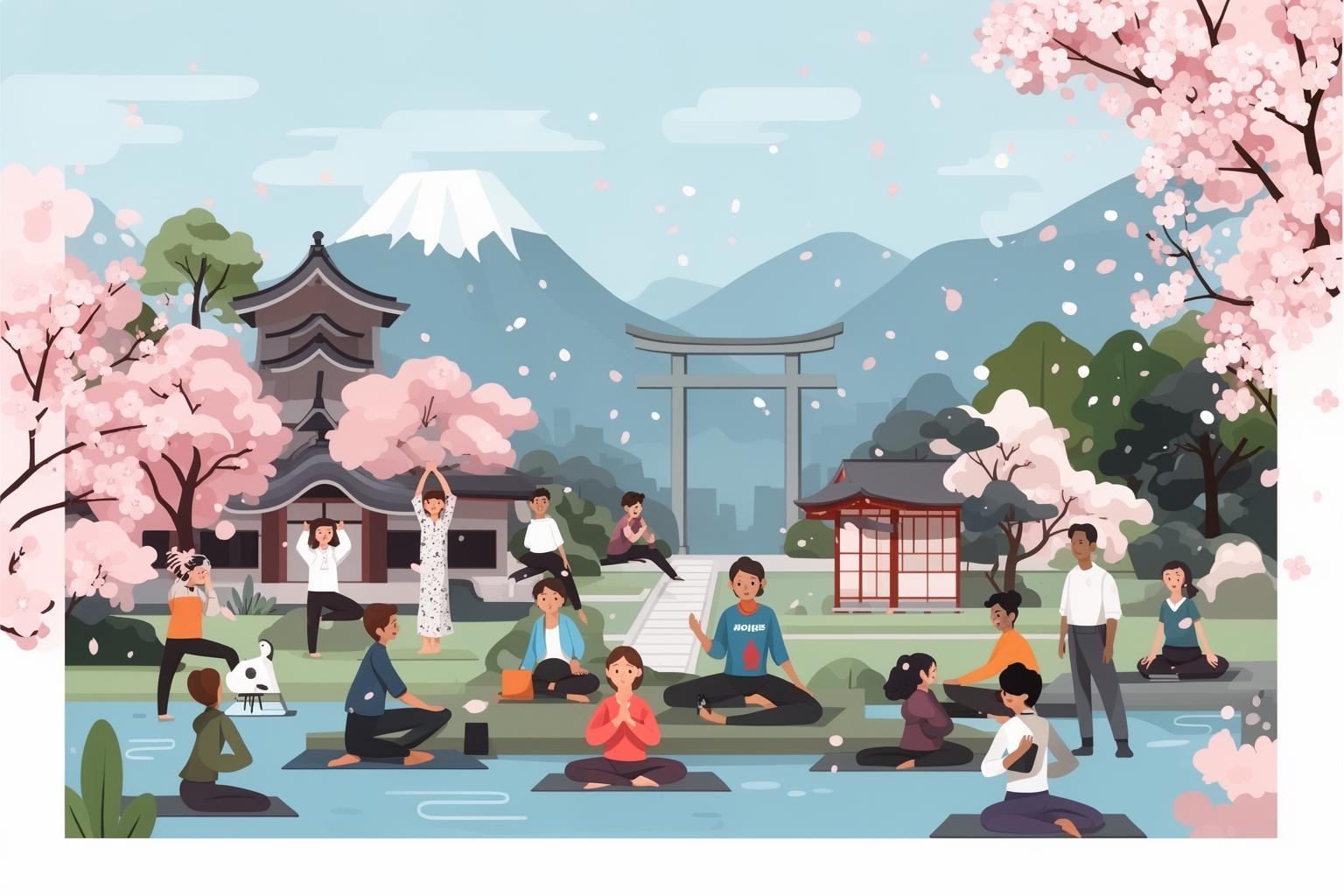
Today, shinrin-yoku is firmly established as a key aspect of the Japanese wellness scene. For some, this means visiting one of the officially certified forest therapy centers where you can participate in guided programs that may include slow walking, deep breathing exercises, and even tea ceremonies held in the woods. These centers frequently collaborate with local healthcare providers, and a doctor’s visit might conclude with a recommendation—or even a formal prescription—to spend time on a nearby therapy trail.
For most, however, shinrin-yoku is a more personal and informal practice. It’s the intentional choice to take a weekend train trip out of Tokyo to the mountains of Okutama or Hakone. It’s opting to spend a Saturday afternoon not in a shopping mall in Shinjuku, but wandering through the expansive woods around Meiji Jingu shrine, right in the city’s heart. It’s about finding a green space and consciously shifting one’s mindset from “doing” to “being.”
Even within the dense urban environment, the principle is applied. Numerous city parks are designed with shinrin-yoku in mind, featuring winding paths, quiet groves, and water elements that mask the sounds of the city. It speaks to the practice’s significance that even in one of the most densely populated metropolitan areas on earth, pockets of nature are fiercely preserved and used for their therapeutic benefits.
Shinrin-yoku, therefore, is a distinctly Japanese phenomenon. It is a modern health intervention born from a national crisis, grounded in ancient spiritual reverence for nature, and supported by rigorous scientific research. It is much more than a trend; it is a sophisticated, culturally meaningful response to the universal challenges of contemporary life. It stands as a powerful reminder that sometimes the most effective solutions are not discovered through new technologies or pharmaceuticals, but through deliberately and mindfully reconnecting with the natural world that shaped us.