You’ve spent the afternoon gliding through a Japanese department store. The upper floors are temples of serene commerce—perfectly folded cashmere, gleaming cosmetics, silent attendants who bow as you pass. It’s calm, orderly, almost reverent. Then, you take the escalator down. And down again, past the ground floor, into the basement. The air changes. The quiet hum of the store is replaced by a vibrant, energetic buzz. The lighting is brighter, the aromas are intoxicating, and the sheer density of people and product is staggering. You’ve just entered the depachika.
Welcome to the glorious, chaotic, and utterly delicious heart of the Japanese department store. The word itself is a simple portmanteau of depāto (department store) and chika (basement), but the reality is anything but simple. This is not some sad, forgotten food court with limp pizza and stale churros. A depachika is a sprawling, high-end gourmet food hall, a theater of culinary artistry, and a vital engine of daily life in urban Japan. It’s a place where meticulous craftsmanship meets the rush of the evening commute, where ancient traditions in pickling and confectionery share space with avant-garde French pastries. For the uninitiated, it can be an overwhelming sensory assault. For those in the know, it’s a paradise.
To truly understand Japan’s relationship with food—its obsession with quality, its reverence for seasonality, and its genius for packaging—you have to understand the depachika. It’s more than just a place to buy dinner. It’s a reflection of deep-seated cultural rituals around gifting, convenience, and the aesthetic appreciation of a meal. Forget the tourist traps and celebrity-chef restaurants for a moment. If you want to see how Japan really eats, lives, and celebrates, you need to go downstairs.
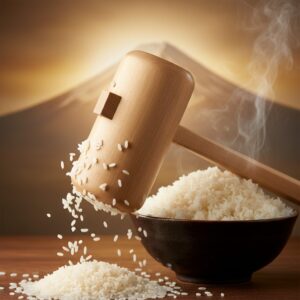
Delving deeper into Japan’s culinary landscape reveals that the vibrant depachika experience mirrors age-old customs like Japan’s rice mallet ritual, which celebrates a unique blend of tradition and modern energy.
A Symphony of Sensation: The Depachika Layout
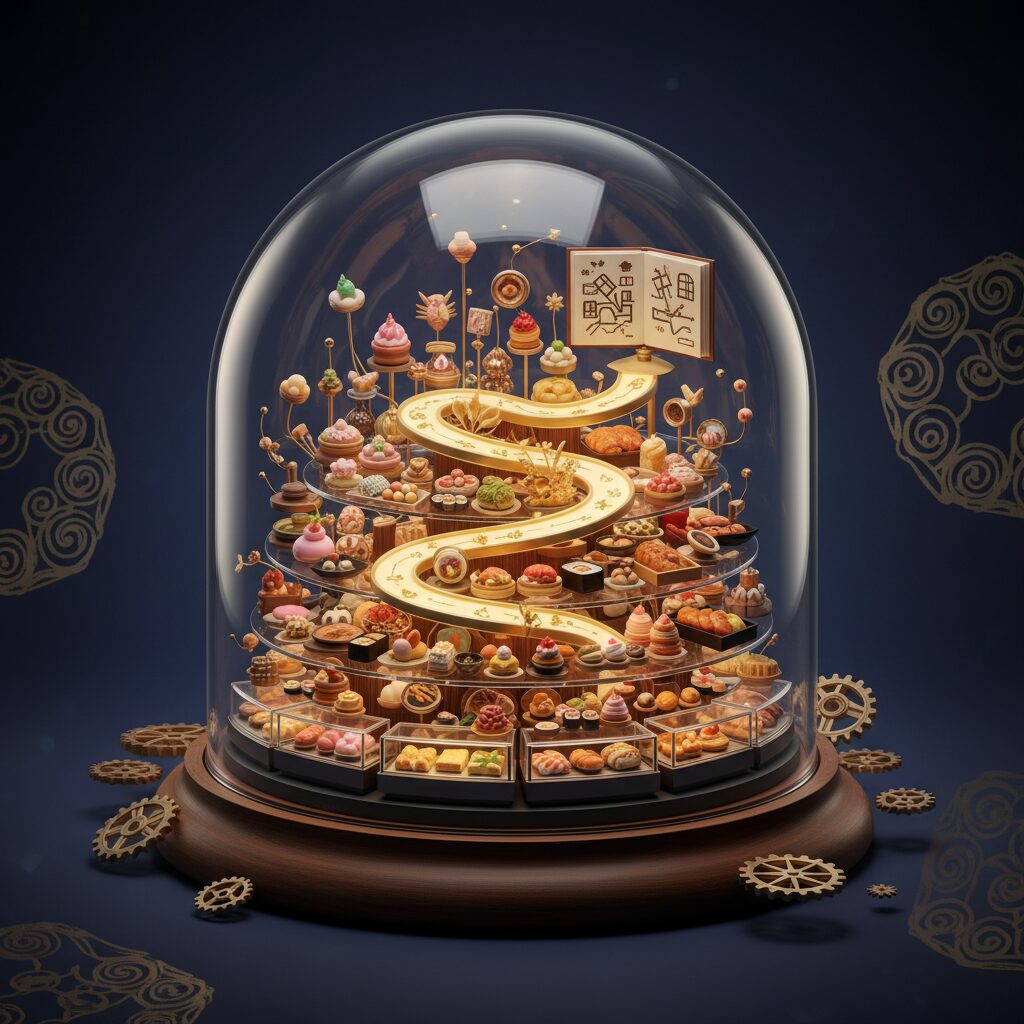
At first glance, a depachika seems like pure chaos. Hundreds of vendors cram into a sprawling space, shoppers bustling in every direction, and cheerful cries of “Irasshaimase!” (Welcome!) ringing out from every stall. Yet, there is a clear, unspoken logic to its layout—a design that leads you through a culinary journey. While each store has its own distinct setup, they generally follow a similar pattern, progressing from celebratory treats to everyday staples.
The Grand Entrances: Wagashi and Yōgashi
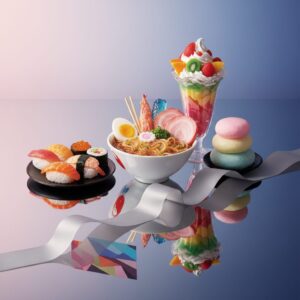
Located near the main escalator entrances, like graceful gatekeepers, are the confectionery counters. This prime location is well-earned. These counters don’t just sell sweets; they offer gifts, social currency, and edible art. This area is typically divided into two main categories: wagashi (traditional Japanese sweets) and yōgashi (Western-style sweets).
The wagashi stalls provide a glimpse into a deeply aesthetic world. You’ll find exquisite nerikiri—delicate sweets made from sweet bean paste and rice flour, shaped into seasonal motifs such as cherry blossoms in spring or maple leaves in autumn. Rows of mochi, soft rice cakes filled with red bean paste, and perfectly grilled dango skewers are also on display. The allure of wagashi lies in its subtlety, its seasonal connection, and its role in the tea ceremony. These are not sweets to consume hastily; they are meant to be admired before being enjoyed.
Across the aisle, the yōgashi counters present a different kind of perfection. Here you’ll find cakes sculpted with architectural precision, fruit tarts where each berry is meticulously placed, and mille-feuille with impossibly flaky layers. Renowned patissiers from Japan and France have shops here, their names displayed like luxury brands. The packaging holds as much importance as the pastry itself—sturdy, elegant boxes topped with beautiful ribbons, carefully placed into branded paper bags. Whether it’s a birthday cake or a simple thank-you gift for a colleague, purchasing here is an event.
The Savory Heart: Sōzai and Bentō
Venturing deeper into the depachika, you reach its daily operational core: the vast world of prepared foods, known as sōzai. This is where the depachika shifts from a place for special treats to a source for everyday meals. The variety is astonishing. You’ll find stalls devoted entirely to crispy tonkatsu (breaded pork cutlets), glistening yakitori skewers, complex simmered vegetables, fresh salads with Japanese-style dressings, and countless variations of fried chicken, or karaage.
This isn’t your typical deli counter. The quality is exceptional. Each dish is prepared throughout the day to ensure freshness. The sōzai section is a boon for busy professionals, families, and single dwellers who lack time or energy to cook but refuse to compromise on tasty, well-balanced meals. Items can be bought by weight, allowing you to create a personalized dinner plate of favorites.
Next to the sōzai stalls are the bentō boxes, the pinnacle of the Japanese packed lunch. These are far from simple sandwiches in a box. A depachika bentō offers a complete, beautifully arranged meal. A typical one might include a piece of grilled salmon, a fluffy mound of rice with a pickled plum, a small portion of tamagoyaki (rolled omelet), simmered burdock root, and a few precisely cut pieces of pickled radish, all nestled into separate compartments. There are bentō showcasing regional specialties, luxurious ones with wagyu beef, and healthy options bursting with vegetables. They are a masterclass in balance, color, and texture, transforming a simple lunch into a brief aesthetic delight.
The Specialists: From Tsukemono to Sake
One of the most captivating parts of the depachika is its collection of hyper-specialized vendors. These are often long-established businesses that have perfected a single craft over generations. You might discover a tsukemono (pickle) shop offering dozens of varieties of pickled vegetables, from crisp daikon radish to sour umeboshi plums, all fermenting in large wooden barrels. The staff can explain the origin and flavor profile of each with encyclopedic knowledge.
Nearby, a tea merchant might present a curated selection of green teas from various regions of Japan—from the grassy sencha of Shizuoka to the nutty, roasted hōjicha. Sampling is often available, filling the air with a calming aroma. Then there are seaweed specialists, tofu makers, sellers of kamaboko (cured fish paste), and vendors offering premium rice. And, of course, the liquor section holds a treasure trove of sake, shochu, and increasingly, world-class Japanese whiskies. These specialist stalls serve as living museums of Japanese culinary heritage, making artisan products accessible to everyday shoppers.
More Than a Meal: The Rituals of the Depachika
To view the depachika as merely a giant food market is to completely miss its significance. It serves as a stage where several important Japanese cultural rituals are enacted daily. Grasping these rituals is essential to truly appreciating the depachika’s role in Japanese society.
The Art of Gifting: Omiyage and Temiyage
As indicated by the prominence of confectionery and specialty food stalls, gifting forms a fundamental part of the depachika experience. Japan has a complex, deeply rooted gift-giving culture that helps build and maintain social and professional bonds. The depachika is the ultimate hub for this tradition.
Two key concepts to understand here are omiyage and temiyage. Omiyage refers to souvenirs brought back for friends, family, and colleagues after a trip. Depachika commonly feature sections dedicated to meibutsu, or famous regional specialties from across Japan, making them a one-stop shop for travelers returning to Tokyo from business trips. Temiyage is a gift brought when visiting someone’s home—a token of gratitude toward the host. A beautifully boxed cake or a selection of seasonal fruits from a depachika are perfect examples of temiyage.
Notice the intense focus on packaging. The product itself is only part of the story. The box, wrapping paper, ribbon, and bag all contribute to the presentation. This careful wrapping expresses respect and thoughtfulness toward the receiver. Depachika staff are experts in this craft, wrapping purchases with mesmerizing speed and precision.
The ‘Time Service’ Frenzy: Taimu Sēbisu
Visit any depachika around 7:00 or 7:30 PM, and you’ll observe a striking transformation. The calm, orderly browsing of the afternoon erupts into a bustle of activity. This is the taimu sēbisu (time service) or evening sale. Vendors loudly announce discounts on their remaining fresh food, ranging from sushi sets to sōzai packs and bentō boxes.
Groups of savvy shoppers, mostly commuters heading home from work, gather at their favorite stalls, waiting for prices to drop. It’s a fast-paced, lively ritual. Attendants hold up signs advertising reductions like 20% off, 30% off, or “two for one” deals. This practice isn’t just about hunting for bargains; it carries practical and cultural significance. It embodies the Japanese concept of mottainai, a strong aversion to waste. For vendors, it’s preferable to sell discounted items than to throw away perfectly good food. For shoppers, it’s an opportunity to enjoy high-quality, delicious meals for a fraction of the price. This win-win ritual unfolds every evening in cities across Japan.
Seasonal Worship: Celebrating the Shun (旬)
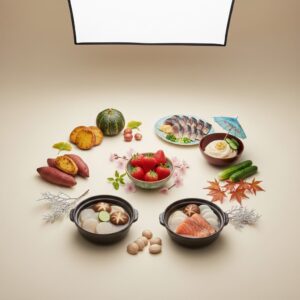
Japanese cuisine revolves around the concept of shun, the time when an ingredient is at the peak of flavor and freshness. The depachika acts as a living calendar of Japan’s seasons, a place where shun is revered. Offerings shift dramatically throughout the year, reflecting nature’s cycles with near-religious devotion.
In spring, stalls burst with pink and green hues. You’ll find sakura-flavored mochi, bentō boxes featuring bamboo shoots (takenoko), and strawberries that are extraordinarily sweet and fragrant. Summer presents sweets made with matcha or yuzu and displays of glistening freshwater eel (unagi). Autumn celebrates chestnuts (kuri), persimmons (kaki), and sweet potatoes, with patisseries showcasing stunning Mont Blanc cakes. Winter brings hearty root vegetables and exquisite boxes of mikan oranges. Walking through a depachika is to be reminded of the current season in the most delicious way. This emphasis on seasonality is a ritual of honoring the fleeting beauty of nature.
Reading Between the Aisles: What Depachika Reveal About Japan
Beyond the food and rituals, a depachika serves as a rich narrative revealing fundamental truths about modern Japanese society. It acts as a microcosm where core cultural values are visibly in practice.
The Pursuit of Perfection
The outstanding quality on display reflects a culture deeply committed to craftsmanship and meticulous attention to detail. Whether it’s the arrangement of fish atop rice, the precise cuts on a decorative carrot, or the flawless finish of a chocolate glaze, there is an unspoken dedication to perfection. Specialist stalls, in particular, embody the spirit of the shokunin, or master artisan, who devotes their life to refining a single craft. This pursuit of excellence is not confined to luxury items; it applies equally to a humble rice ball or a piece of pickled ginger.
Convenience Without Compromise
The depachika elegantly resolves a central challenge of modern urban living: balancing convenience with quality. In many parts of the world, convenience food often equates to fast food—cheap, unhealthy, and mass-produced. The depachika offers a strikingly different approach, providing busy city dwellers with quick, easy meal options that are wholesome, delicious, and visually appealing. This system is founded on the belief that a lack of time should never require sacrificing the enjoyment of a good meal. It reflects a society that values efficiency but places even greater importance on quality of life.
A Stage for Regional Pride
Although situated in major urban centers, depachika function as important platforms for regional food producers across the country. Many department stores regularly host food fairs (bussan-ten) that highlight the meibutsu (famous products) of particular prefectures, from Hokkaido’s seafood to Okinawa’s brown sugar. These events attract large crowds eager to experience tastes from different regions. These fairs, along with permanent stalls offering regional specialties, nurture a sense of national culinary identity and provide essential sales channels for smaller, rural producers. It’s a way to travel through Japan with your taste buds, all without leaving the basement.
Navigating Your First Depachika Expedition
Ready to dive in? A depachika adventure can offer one of the most rewarding culinary experiences in Japan. Here’s how to approach it.
Choosing Your Arena
Not all depachika are the same. Each has its own unique character. The depachika at Isetan in Shinjuku, Tokyo, is famous for its trend-setting, high-fashion approach to food, featuring world-renowned chefs and innovative brands. Mitsukoshi in Ginza or Nihonbashi provides a more traditional, refined experience, with many historic and prestigious vendors. In Osaka, the depachika at Hankyu Umeda is a vast, bustling powerhouse known for its incredible scale and variety. Choose one that sparks your curiosity, but rest assured, you really can’t go wrong.
The Art of Sampling: Shishoku
One of the great pleasures of the depachika is shishoku, or free samples. Many vendors, especially those selling pickles, sausages, sweets, and tea, offer small samples. This isn’t an all-you-can-eat buffet; there is a proper etiquette. It’s polite to accept a sample only if you’re genuinely interested in the product. Take one piece using the provided toothpick or tongs, give a slight nod or say a quiet “itadakimasu,” and savor it thoughtfully. If you don’t plan to buy, a simple “gochisōsama deshita” (thank you for the treat) is a courteous way to move on. It’s a fantastic way to discover new flavors without any commitment.
Assembling Your Perfect Meal
The ultimate depachika experience is crafting your own bespoke meal. Don’t feel obliged to buy everything from one stall. Embrace the variety. Start by selecting your main dish—perhaps a grilled fish fillet, a hearty croquette, or a few yakitori skewers. Then, head to a sōzai stall and pick up a couple of vegetable side dishes. Grab a small container of rice or a fresh roll from the bakery section. Finally, finish with a piece of fruit or a single, perfect pastry for dessert. You’ve just curated a meal that is uniquely yours, likely for a fraction of the cost of dining out.
Beyond the Food Hall
Once you’ve gathered your treasures, where do you eat them? Many Japanese take their haul home for dinner. But if you’re a traveler, look upwards. Many department stores have rooftop gardens or terraces. These are wonderful, often overlooked spots where you can unwrap your purchases and enjoy an impromptu picnic with views of the city skyline. It’s the perfect way to conclude your journey, bringing the delights of the basement kingdom up into the open air.
A depachika is much more than a food hall. It is the living, breathing, delicious heart of the Japanese city. It’s where tradition meets modernity, commerce transforms into art, and the simple act of choosing dinner becomes a celebration of culture. To explore one is to gain a deeper, more nuanced understanding of Japan itself. So next time you find yourself in a department store, resist the pull of the upper floors. Take the escalator down and prepare for a feast. The real magic happens in the basement.