Walk up to any major temple or shrine in Japan, and you’ll likely see it. Someone, often a young woman but just as easily a middle-aged man or a visiting couple, stands patiently at a small windowed office. They hand over a beautiful, brocade-covered book. Inside, a priest or a dedicated calligrapher takes a brush, dips it in glistening black ink, and with a focused grace, begins to write. Characters flow onto the page, bold and elegant. Then come the stamps—not one, but several, pressed with vermilion ink. The book is handed back, a small fee is exchanged, and the visitor leaves with something unique: a tangible piece of that sacred place, created just for them in that specific moment.
This is the world of goshuin collecting. It’s easy to mistake it for a simple souvenir hunt, a spiritual version of collecting stamps in a national park passport. But that’s missing the point entirely. Goshuin collecting is a modern pilgrimage, a quiet subculture that has blossomed from an ancient tradition into a nationwide phenomenon. It’s a meditative practice that marries calligraphy, religion, and the simple joy of the quest. It’s for art lovers, for spiritual seekers, for history buffs, and for anyone who wants to engage with Japan beyond the surface level. This isn’t about ticking boxes on a tourist map; it’s about creating a personal, sacred travelogue, one beautifully inscribed page at a time. It’s a way of slowing down, of paying attention, and of carrying a piece of a place’s spirit with you long after you’ve left.
Embracing the reflective spirit of goshuin collecting, many discover that taking a mindful pause to master the art of slowing down in a retro kissaten offers another path to connect with Japan’s enduring allure.
What Exactly Is a Goshuin?
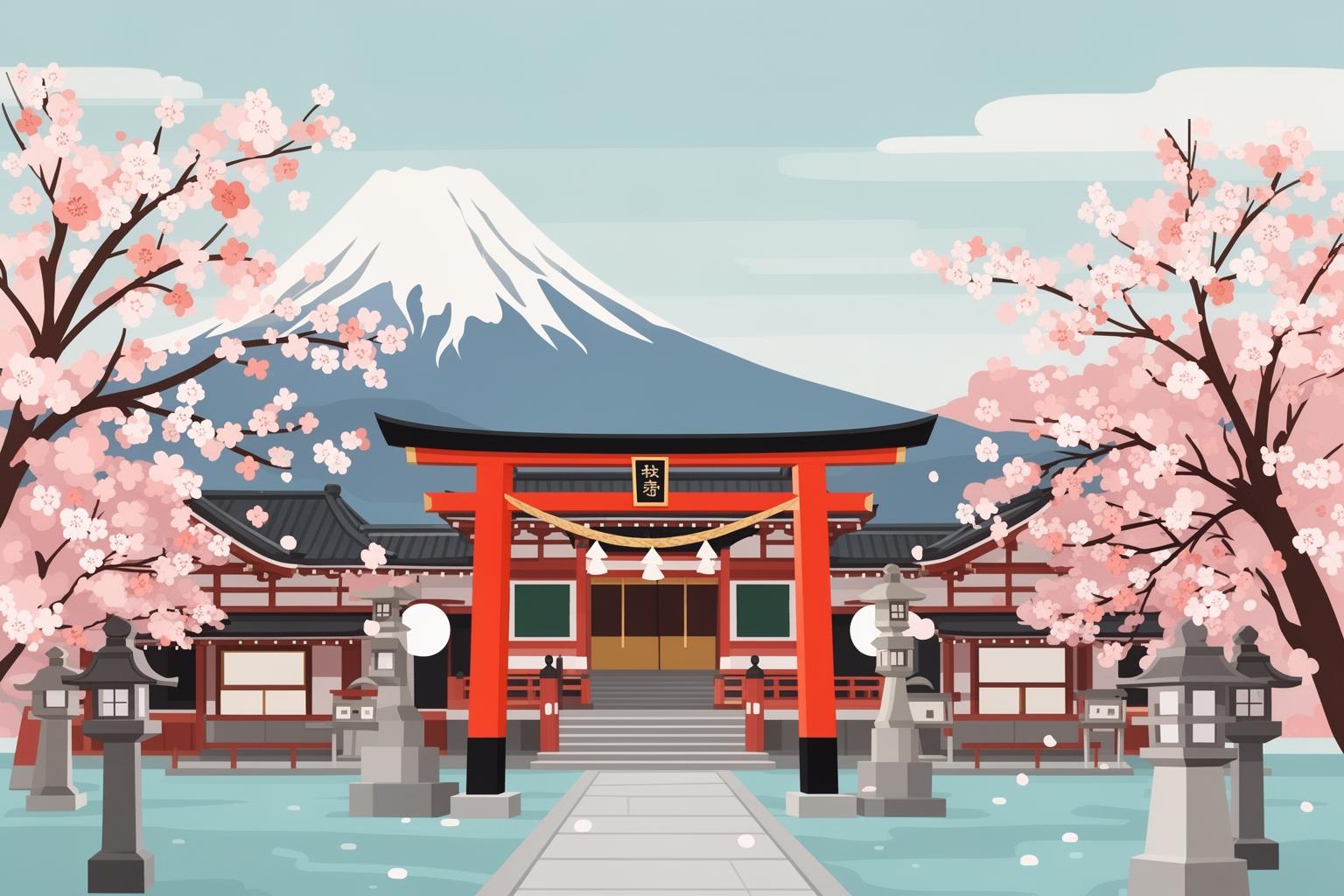
Before you begin, it’s important to understand exactly what you’re receiving. A goshuin (御朱印) is more than just a stamp. The term literally means “honorable red seal,” but it is a composite artwork, a form of calligraphy serving as proof that you have visited and paid respects at a specific Buddhist temple or Shinto shrine. Consider it less a souvenir and more a sacred certificate of pilgrimage. Each goshuin is a living document, connecting you with the enshrined deity and the centuries of history embodied within the site.
Here’s a breakdown of the typical elements you’ll find on a page:
The Calligraphy (Shomei)
This is the core of the goshuin. Rendered in flowing, often highly stylized script, the black ink calligraphy is created by a priest, monk, or a dedicated temple/shrine calligrapher. It is never printed. It almost always includes several key details:
- The Name of the Temple or Shrine: Usually the largest and most prominent calligraphy on the page. For example, you might see the characters for Sensō-ji (浅草寺) in Tokyo or Kinkaku-ji (金閣寺) in Kyoto.
- The Name of the Main Deity: Many goshuin feature the name of the principal Buddha, Bodhisattva, or Kami enshrined there. This could be “Kannon,” the Bodhisattva of mercy, or “Hachiman Daijin,” the god of war.
- The Date of Your Visit: Written along the side, this marks the specific day you made your pilgrimage. This turns the goshuin from a general keepsake into a personal timestamp of your experience.
The Seals (Shuin)
The vermilion red stamps give the goshuin both its name and its official status. These are not random decorations; each seal carries specific meaning and is applied intentionally.
- The Main Seal (Hōin): Typically the largest seal, often stamped over the calligraphy of the temple or deity’s name. It may feature a Sanskrit character (called bonji), a crest, or the full name of the shrine or temple, serving as the institution’s official mark.
- Secondary Seals: Smaller seals are often present as well, representing the particular hall where you obtained the goshuin, a secondary deity within the grounds, or the temple’s place within a broader pilgrimage route.
The blend of graceful, hand-brushed calligraphy and the sharp geometric impressions of the seals creates a unique and harmonious aesthetic. No two goshuin are exactly the same. The calligrapher’s handwriting, subtle variations in ink density, and the precise placement of the seals make each one a distinctive work of art.
The Goshuincho: Your Sacred Ledger
You cannot just show up with a Moleskine notebook and expect to receive a goshuin. This practice requires a specific, dedicated book called a goshuincho (御朱印帳). Using any other type of notebook is considered disrespectful, and you will be politely declined. The goshuincho itself is an item of beauty and significance.
Form and Function
Most goshuincho are made in a distinctive accordion-fold style, known as a jabara (蛇腹), which literally means “snake’s belly.” This design allows you to open the book and view your collection as an uninterrupted panorama of your travels. The pages are crafted from thick, high-quality paper, often layered, to prevent the rich black sumi ink from bleeding through to the other side.
A Universe of Designs
The designs of goshuincho covers are a major part of their appeal and a key attraction for many collectors. They are available at nearly any large temple or shrine, as well as in major stationery stores like Loft or Itoya.
- Traditional: Many showcase classic designs using Nishijin-ori silk brocade from Kyoto, elegant floral motifs, or simple, dignified covers embossed with the name of a famous temple in gold.
- Modern and Artistic: Some shrines and temples have embraced contemporary styles, offering goshuincho with covers made from laser-cut wood, denim, or featuring modern graphic art. You might find designs with cute animals associated with the shrine (such as foxes for Inari shrines or deer for Kasuga Taisha) or even collaborations with anime series at certain pop-culture-savvy shrines.
Selecting your first goshuincho is part of the experience. It will be your faithful companion on your journeys, and its pages will gradually fill with the memories and spiritual energy of the places you visit. It becomes a sacred item in its own right—not something to be tossed in a bag alongside your wallet and water bottle, but to be handled with care and respect.
The Ritual: How to Collect Goshuin with Respect
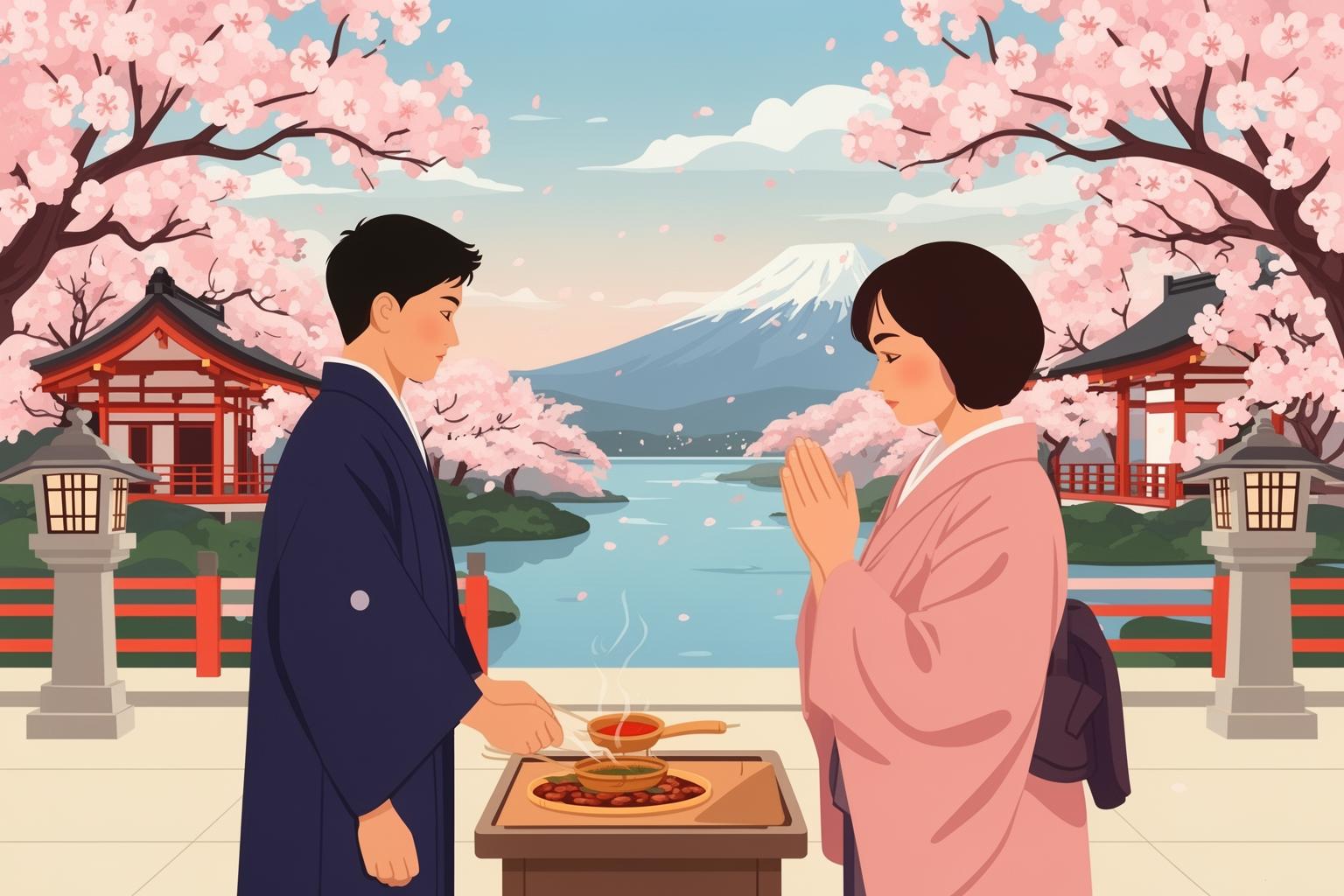
Now we come to the most important part. Collecting goshuin is not a mere transaction; it is participation in a ritual. There is a proper way to do things—an etiquette that distinguishes a mindful pilgrim from an unaware tourist. Following these steps is not about strictly adhering to rules, but about showing respect for the tradition you are engaging with.
Step 1: Worship First, Collect Second
This is the absolute, non-negotiable golden rule. A goshuin is evidence of worship. Heading straight to the goshuin office without first visiting the main hall to pray is considered very rude—like entering someone’s home and demanding a souvenir without even greeting them. Before you think about your book, perform the appropriate rites.
- At a Shinto Shrine: Bow once at the torii gate. Purify your hands and mouth at the temizuya water basin. At the main hall, bow twice, clap twice, offer your prayer, and bow once more.
- At a Buddhist Temple: You can often buy and light incense (osenko) to purify yourself and make an offering. Approach the main altar, place your hands together in the gassho prayer position, bow your head, and offer your prayer.
Only after paying your respects to the resident deity should you proceed to the goshuin office.
Step 2: Locate the Goshuin Office
The place where goshuin are issued is typically called the shuin-jo (朱印所), nōkyō-jo (納経所), or juyosho (授与所), the general office for amulets and other items. Look for signs with the character 朱印. It’s usually situated near the main hall or along the main visitor path. If you can’t find it, politely ask an attendant, “Goshuin wa doko desu ka?”
Step 3: The Approach and Request
When you find the office, prepare your goshuincho. Open it to the desired page; if it’s a new book, they will begin from the front. For a used book, open to the next blank page. Approach the window and hand over your open book with both hands. A simple, polite “Goshuin o onegaishimasu” (“A goshuin, please”) is sufficient. You may be given a number tag or asked to wait.
Step 4: Pay the Offering
The fee for a goshuin typically ranges from 300 to 500 yen, though some intricate or special ones may cost 1,000 yen or more. This payment is considered an offering or donation (hōnōryō), not a purchase price. Have your cash ready, preferably exact change, to keep the process smooth. Pay when requested, which might be when you hand over the book or when you receive it back.
Step 5: Watch, Wait, and Receive
This part is essential to the experience. If possible, watch the calligrapher at work. Notice the focus, the deliberate brush strokes, and the careful stamping. This is a moment of quiet creation, not for checking your phone or talking loudly. When your book is ready, it will be returned to you. Accept it with both hands, offer a slight bow, and say, “Arigatou gozaimasu” (“Thank you very much”). The ritual is complete.
The Appeal: Why Has This Subculture Boomed?
While the tradition of goshuin has existed for centuries, its popularity has surged dramatically in the past decade or two, particularly among younger Japanese people and international visitors. This is not merely nostalgia; it is a practice that perfectly aligns with a modern desire for authenticity, mindfulness, and aesthetic experiences.
The Art and Aesthetics
In an era dominated by digital overload, the raw, analog charm of a goshuin is highly appealing. Each page is a small masterpiece of calligraphy and graphic design. They are easily shareable on platforms like Instagram, where hashtags such as #御朱印巡り (goshuin-meguri, goshuin tour) showcase millions of images of beautifully completed books. This visual allure significantly drives the trend, transforming sacred art into a shareable cultural experience.
A Meditative Form of Travel
Collecting goshuin fundamentally alters how you travel. It encourages a slower, more intentional pace. Instead of hurrying from one major landmark to another, searching for a specific goshuin might lead you to a quiet, neighborhood shrine you might otherwise miss. It offers a simple, recurring ritual at each stop—pray, observe, receive—that anchors your journey and nurtures mindfulness. It turns sightseeing from a passive act of consumption into an active, engaged pilgrimage.
The Thrill of the Chase
There is an undeniable “gamification” element to goshuin collecting that appeals to the completist in all of us. Many shrines and temples offer limited-edition goshuin (gentei goshuin) only available during certain seasons (such as cherry blossom season or New Year’s), special festival days, or specific anniversaries. This creates a sense of rarity and excitement. People are willing to travel far and wait in long lines to acquire a special goshuin, turning their hobby into a genuine quest. There are also established pilgrimage routes, like the Shichifukujin Meguri (Seven Lucky Gods Pilgrimage), which involves visiting a set of seven temples or shrines to collect goshuin from each deity.
A Tangible Connection to History
A goshuin is more than just ink on paper; it represents a direct, physical link to a place and its history. The seals used are often ancient, passed down through generations. The calligraphy style may be unique to the temple. Holding your goshuincho means holding a collection of moments when you stood in places of immense historical and spiritual significance. It is a souvenir with soul, a personal record that tells a far deeper story than a photograph ever could.
Diving Deeper: The Nuances of the Goshuin World
Once you begin, you’ll start to recognize the deeper layers and unwritten customs within the goshuin community. Moving from a casual collector to a true enthusiast means grasping these nuances.
Limited and Artistic Goshuin
The typical goshuin features a classic blend of black ink and red seals, admired for its elegant simplicity. However, an increasing number of shrines and temples now provide highly artistic and colorful goshuin, which may include:
- Seasonal Stamps and Inks: Using colored inks (such as pink for spring or silver for winter festivals) or adding small stamps like maple leaves in autumn or zodiac animals for the New Year.
- Elaborate Illustrations: Some sites, often referred to as “art goshuin” (āto goshuin), are renowned for their beautiful, hand-drawn or stamped illustrations that complement the calligraphy. These can be detailed depictions of flowers, animals, or deities, transforming the entire page into a vivid work of art.
Kakioki: The Pre-Written Goshuin
At times, especially in very busy temples, smaller shrines without full-time calligraphers, or during special occasions, the goshuin won’t be written directly in your book. Instead, you will receive it pre-written on a separate sheet of high-quality paper, called kakioki (書き置き). This is not an inferior type of goshuin. You are meant to take it home and carefully paste it into your goshuincho. It’s simply a practical way to manage crowds and ensure everyone can receive one. Many collectors carry a small glue stick for this exact purpose.
Separating Shrines and Temples
Although not a strictly enforced rule, many dedicated collectors keep separate goshuincho for Shinto shrines and Buddhist temples. This is done out of respect for the two distinct religious traditions. While most temples and shrines won’t refuse to write in a mixed book, following this practice demonstrates a deeper appreciation and respect for the culture. If you plan to collect extensively, consider starting with two books—one for each.
A Journey Written in Ink
Collecting goshuin provides a unique and meaningful way to experience Japan. It elevates travel from a mere passage through space to a pilgrimage through time, art, and spirituality. Each page in your goshuincho tells a personal story, serving as a tangible reminder not only of the places you visited but also of the quiet moments you spent before something sacred, watching an artist at work, and receiving a piece of that place’s soul to carry with you.
This practice teaches patience, rewards curiosity, and cultivates a deep appreciation for the subtle beauty woven into everyday life in Japan. It’s a subculture founded on respect and a hobby rooted in mindfulness. So on your next trip, consider picking up a goshuincho. You’re not merely starting a collection; you’re beginning a conversation with the spiritual heart of Japan, one that you can revisit for years to come.