Walk into the Tokyo Big Sight exhibition centre during Comic Market, and the first thing that hits you isn’t a sight, but a sound. It’s a low, persistent roar, the sound of half a million people murmuring, shuffling, and page-turning in unison. This cavernous space, normally home to sterile trade shows, transforms into the beating heart of one of Japan’s most vibrant and misunderstood subcultures. Crammed into endless rows are thousands of small tables, each piled high with self-published manga, novels, and art books. This is the world of dojinshi, a universe built entirely on passion.
At its simplest, dojinshi are fan-made, self-published works. But that definition is like calling a library a room full of paper. It completely misses the point. Dojinshi culture is a sprawling, intricate ecosystem where fans of anime, manga, and video games take their love for a series and channel it into creating their own original stories set within that universe. It’s a place where side characters get their moment in the spotlight, where unresolved romantic tensions are explored, and where alternate endings are brought to life. It is the ultimate expression of fandom, a direct line from consumption to creation.
Understanding dojinshi means looking past the surface-level idea of ‘fan fiction’. It’s about unpacking the profound journey an individual takes, from being a devoted follower of a story to becoming a creator—a doujin-ka—in their own right. This isn’t about chasing fame or fortune; it’s about a deep, personal need to contribute to a world that has captured your imagination. We’re about to explore that journey, from the initial spark of inspiration to the nervous energy of selling your very first book to a fellow fan.
This journey into the passionate world of self-made art is only one thread in Japan’s rich cultural tapestry, and delving into the intricacies of Japanese company trips offers another fascinating perspective on how tradition and innovation intertwine.
The Spark of Fandom: More Than Just a Hobby
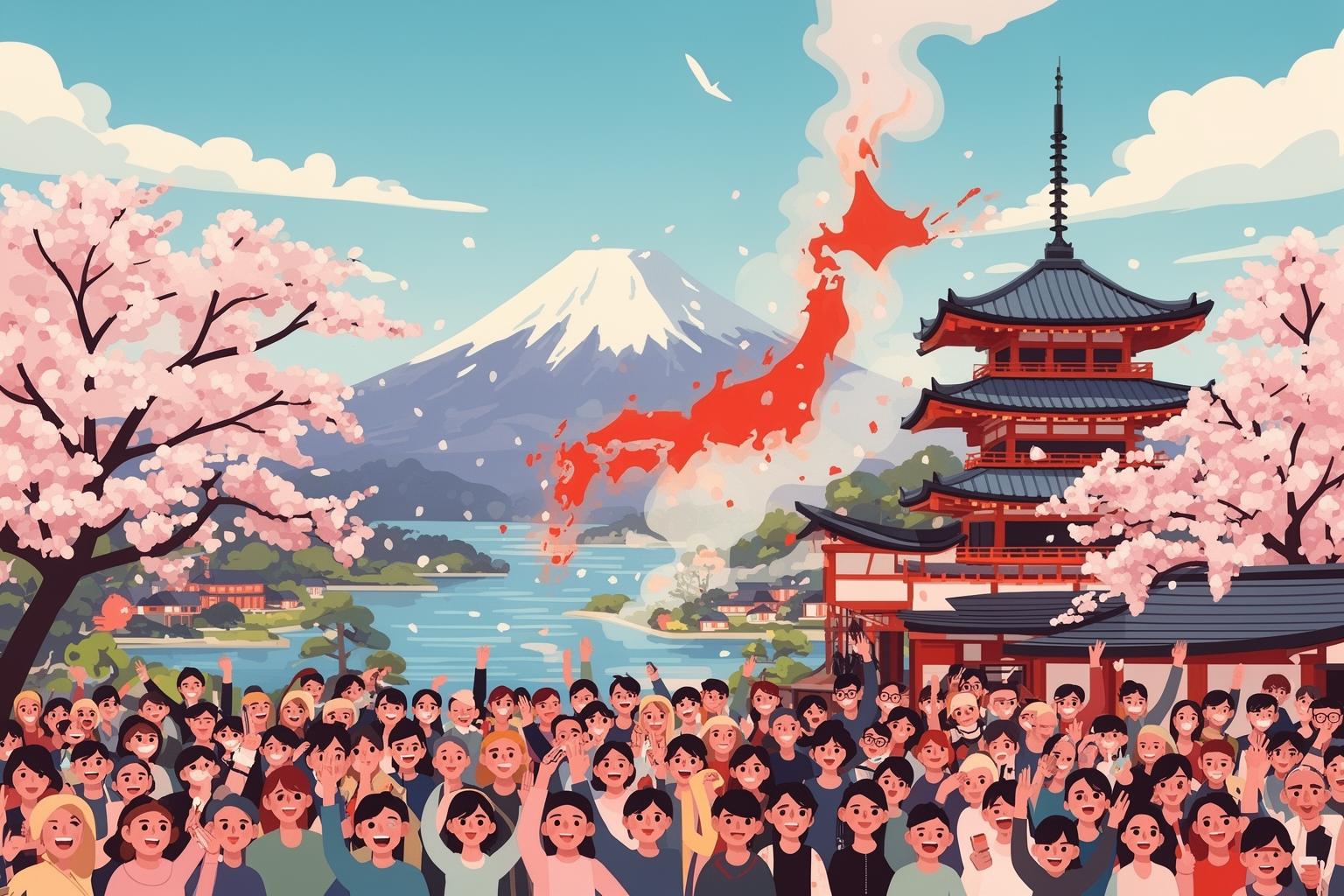
Before any doujinshi is created, before a single page is printed, it all starts with a passionate, unwavering love for a work of media. The foundation of this entire culture is not artistic ambition but pure, unfiltered fandom. In Japan, being a fan of a popular series is often an immersive experience. It’s not just about watching the weekly anime episode or purchasing the latest manga volume. It involves collecting merchandise, discussing theories online, and forming a genuine connection to the characters and their world.
This deep involvement fosters a strong intellectual and emotional investment. Fans don’t passively consume a story; they analyze it, break it down, and immerse themselves in its possibilities. This active approach plants the seeds for doujinshi. The official story, limited by plot constraints and broadcast schedules, can only reveal so much. What happens between the panels? What were other characters doing during a major event? What if two characters who hardly interacted developed a relationship?
These questions drive doujinshi. They reflect a desire to fill in the gaps and explore the narrative spaces left open by the original creator. It’s a form of creative curiosity that goes beyond mere appreciation. A fan might adore a character who only appears briefly. For the official creator, that character is minor. But for the fan, that unexplored backstory holds a universe of possibilities. Doujinshi provides a platform to bring that potential to life.
Crossing the Threshold: The Decision to Create
The shift from being a passionate fan to becoming an active creator is a profound one. It marks the point when the thought “I wish there were more stories about this” changes into “I will create the story myself.” This choice is seldom motivated by the belief that one can improve on the original author’s work. Rather, it arises from a wish to contribute and add a personal voice to a shared conversation.
What motivates someone to make this leap? Often, it is the discovery of a particular story they deeply want to read but cannot find. The dojinshi world is vast, but not limitless. If no one else has written that specific alternate-universe scenario or explored that niche character pairing, then the responsibility—and the opportunity—falls to you. This is creativity born out of necessity.
Another crucial factor is how accessible the scene is. You don’t need an agent or a publisher’s approval. The main barriers are your time, effort, and a modest financial outlay for printing. This freedom enables people who may not see themselves as professional artists to share their vision. The aim isn’t to produce a polished, commercial product but to convey an idea, an emotion, a story that resonates personally. The dojinshi community values passion and sincerity over technical perfection, fostering a welcoming space for aspiring creators to take their initial steps.
This shift transforms your identity within the fandom. You are no longer merely a consumer. You become a doujin-ka, a creator who adds to the rich tapestry of fan-made content. You join a community of practice, sharing in the collective effort and joy of bringing a creative vision to life.
The Craft of Creation: From Blank Page to Printed Book
Once the decision to create is made, the real work begins. Producing a dojinshi is a serious endeavor, a labor of love that requires skill, dedication, and an enormous amount of time. It is a process that parallels professional manga production, but on a smaller, more personal scale.
The Tools of the Trade: Digital vs. Traditional
The first step is crafting the story itself. This typically starts with a storyboard, or ne-mu (derived from the English word “name”), which is a rough draft of the comic outlining panel layouts, dialogue, and pacing. This serves as the blueprint for the entire book.
From there, the artist moves on to the detailed drawing work. For decades, this was done entirely through traditional methods, using specialized tools familiar to any manga fan. Drawing pens such as the G-pen for dynamic lines, maru-pen for fine details, and school-pen for uniform strokes were standard. Inking was a delicate task, followed by the meticulous application of screen tones—adhesive sheets with dot patterns used to create shading and texture. It was a tactile, demanding craft.
Today, digital tools have transformed the process. Software like Clip Studio Paint, designed specifically for manga and comic creation, has become the industry standard for both professionals and dojinshi artists. It replicates all traditional tools in digital form while adding conveniences like easy corrections, layers, and pre-made patterns that significantly accelerate the workflow. Although some artists still prefer the feel of pen on paper, the digital approach has made producing high-quality work at home easier than ever.
The Circle’s Embrace: Finding Your Crew
In the dojinshi world, creators work under a “circle” name (sākuruku), which functions as their brand or pen name for events. Despite the name, most circles are actually solo operations, with one person handling everything from writing and drawing to printing and sales. However, some circles are genuine collaborations between friends, such as a writer and artist working together.
The circle name appears in the event catalogue and is how fans locate their favorite creators within the complex halls of events like Comiket. Choosing a name and gradually building a reputation is an important part of participating in the community. It grants creators an identity separate from their everyday lives—a persona devoted to their fan work.
The Final Hurdle: Printing and Production
After countless hours of drawing, the last step before the event is printing. This isn’t just a matter of making copies at a local print shop. An entire cottage industry of printing companies exists specifically to serve the dojinshi community. These printers are highly specialized, offering particular paper sizes (such as the common B5), binding options, and cover finishes typical for dojinshi. They understand the tight deadlines creators face and often provide rush services in the final weeks before major events like Comiket. Creators upload their digital files, choose their specifications, and a few weeks later, boxes of freshly printed books arrive at their doorstep, ready for the big day. Holding that finished product is a moment of profound pride and relief—the tangible outcome of months of dedication.
The Grand Stage: Comiket and Beyond
If creating a dojinshi is a personal journey, then the dojinshi event transforms that journey into a shared experience. Across Japan, hundreds of smaller conventions (sokubaikai, or “spot sale events”) occur throughout the year, but the undisputed centerpiece is Comic Market, or Comiket.
Held twice annually in Tokyo, Comiket is a cultural phenomenon attracting over 500,000 attendees over several days. The main attraction isn’t corporate booths or celebrity guests; it’s the tens of thousands of dojinshi circles selling their work. The atmosphere is electric, blending focused intensity with collective joy. It’s a pilgrimage for both creators and fans.
Navigating the event is an art form. Popular circles can create queues winding through entire sections of the hall, with fans patiently waiting an hour or more to purchase a new book. For the creator behind the table, it’s a whirlwind of hectic, direct interaction. They serve as artist, cashier, and customer service all at once.
The Unspoken Rules of Engagement
This exchange is guided by a set of unspoken social protocols. Transactions are almost always cash-only, and providing exact change is a well-regarded courtesy that keeps the lines moving smoothly. The interaction is usually brief and polite: the fan approaches, indicates which book they want, pays, and receives the book with a quiet “thank you.”
Though brief, this moment culminates the entire process. It’s a direct connection between creator and audience. A fan might offer a small compliment, expressing how much they appreciated the creator’s previous work. For the doujin-ka, who has often worked in isolation for months, this direct, heartfelt feedback is deeply rewarding. It validates their effort and strengthens their bond with the fandom.
It’s Not About the Money: The Economics of Passion
One key aspect of dojinshi culture is that it isn’t a for-profit venture. While money is exchanged, financial gain is almost never the primary motivation. The price of a dojinshi—usually a few hundred yen, roughly equivalent to a few pounds—is generally set just high enough to cover printing costs. If a creator breaks even on a print run, that’s viewed as a success.
The true economy of the dojinshi world thrives on passion, appreciation, and social connection. The aim isn’t to get rich, but to share a story with people who will deeply understand and appreciate it. The payment acts as a token of gratitude for the artist’s labor and contributes to production costs, enabling them to continue creating. The real reward is seeing someone’s face light up when they pick up your book, knowing the story you felt compelled to tell has found a receptive home.
Navigating the Grey Zone: Copyright and Tacit Approval
An outsider looking in might reasonably question: isn’t this all just massive copyright infringement? The straightforward answer is yes, technically it is. Dojinshi are unauthorized derivative works, and under a strict interpretation of copyright law, they are illegal. However, this large industry flourishes openly. This is possible because dojinshi culture operates within a uniquely Japanese social framework often described as a “grey zone.”
In reality, most original copyright holders—the manga publishers, anime studios, and game developers—turn a blind eye to dojinshi activities. The unspoken agreement is that dojinshi are created by fans, for fans, and exist within a closed ecosystem. As long as this fan work doesn’t directly compete with official products or harm the reputation of the original property, it is tolerated.
Indeed, many creators and publishers implicitly endorse the dojinshi scene, seeing it as an effective form of free marketing. A vibrant dojinshi community keeps a series relevant and in the public eye long after an anime season concludes. It cultivates a deeply engaged, passionate fanbase more likely to purchase official merchandise, Blu-rays, and future installments of the original work. It’s a symbiotic relationship where the creative energy of the fan community helps maintain the commercial viability of the source material.
This delicate balance depends on unwritten rules. Dojinshi creators must not merely trace or copy official art; their work has to be transformative. Moreover, it is understood that this is a small-scale, passion-driven endeavor. If a circle becomes too successful and begins making significant profits, it risks attracting unwanted attention from copyright holders. The system functions because everyone involved respects these unspoken boundaries.
Why It Matters: The Soul of Dojinshi Culture
Dojinshi culture is much more than a quirky hobby or a legal gray area. It signifies a fundamental change in how people engage with media. It promotes the idea that fans are not merely passive recipients of a story but active participants with the right to interpret, remix, and expand the worlds they cherish.
This subculture serves as a strong catalyst for community. It unites people through a shared language of characters and plotlines, fostering friendships and collaborative relationships. Events like Comiket are more than just markets; they are vast gatherings of a tribe, a tangible expression of an online community where individuals connect over their niche interests.
Furthermore, the dojinshi scene has long acted as an unofficial training ground for the professional manga and illustration industries. Many well-known artists, from the creative team CLAMP to Love Hina‘s Ken Akamatsu, started their careers drawing dojinshi. It offers a low-risk space to refine one’s skills, experiment with storytelling, and build an audience before approaching a publisher. This highlights the talent and dedication thriving within the fandom.
Ultimately, the transition from fan to creator is a profound act of love. It’s about being so inspired by a story that you are compelled to pick up a pen and contribute your own small chapter to its legacy. It turns media consumption from a one-way experience into a dynamic dialogue. In a world dominated by polished, corporate-produced entertainment, the raw, passionate, and deeply personal realm of dojinshi serves as a powerful reminder that sometimes the most compelling stories are the ones we share with each other.