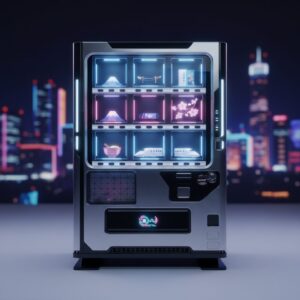
You’ve seen the pictures, I’m sure. A brightly lit vending machine standing sentinel on a quiet residential street, offering not just Coca-Cola and green tea, but steaming cans of corn soup and hot lemon honey. Maybe you’ve scrolled past a photo of a machine in Akihabara dispensing little figurines in plastic bubbles, or one out in the countryside selling fresh eggs laid that morning. The internet loves to showcase the weirdest ones: canned bread, flying fish dashi, even mystery boxes wrapped in brown paper. It’s a classic Japan trope, right up there with cherry blossoms and impossibly punctual trains.
But the question that follows is always the same: Why? Why are there over four million of these things scattered across the archipelago, one for roughly every 30 people? Why are they on desolate mountain passes, in the lobbies of serene temples, and clustered in batteries on every other city block? It seems like an obsession. The easy answers you hear are “convenience” and “low crime rates.” And while those are true, they’re lazy explanations. They’re the first layer of the onion, and they do nothing to explain the sheer, unadulterated variety and the deep integration of these machines into the very fabric of Japanese life. Saying they exist because Japan is safe is like saying restaurants exist because people get hungry. It misses the entire story.
To really understand the jihanki (the Japanese word for vending machine, a contraction of jidō hanbaiki), you have to look deeper. You have to see it not as a box that sells drinks, but as a quiet solution to a complex set of uniquely Japanese social and economic pressures. It’s a story about demographics, labor, real estate, social harmony, and a particular definition of public space. These silent salesmen aren’t just a quirky feature of the landscape; they are a mirror reflecting the core logic of modern Japanese society. Once you see it, you can’t unsee it. And every single machine, from the most mundane to the most bizarre, starts to make perfect sense.
Delving deeper into the interplay of traditional design and innovation, you might also explore how the cultural appreciation for Japanese plastic models reflects the aesthetic sensibilities that permeate even the most utilitarian corners of Japanese life.
The Bedrock: A High-Trust, Cash-Based Society
Before discussing hot ramen in a box or chilled sake in a can, we must first acknowledge the absolute, non-negotiable foundation upon which Japan’s entire vending machine empire is built: an exceptionally high level of public trust and an almost nonexistent rate of petty crime. This point cannot be emphasized enough. In many parts of the world, a glass box filled with merchandise and cash left unattended on a city street overnight would be seen as an open invitation to theft and vandalism, and it might last only a week at best. In Japan, however, it is simply part of the everyday landscape.
This is neither accidental nor due to heavy policing. It stems from a deeply ingrained cultural value system. There is a shared, unspoken understanding about public spaces and collective property. People typically do not deface, damage, or steal items that belong to the communal environment. A child’s toy left in a park will likely remain there the next day. An umbrella forgotten on a train almost always ends up in the lost-and-found. The same principle applies to vending machines, which are treated less like vulnerable private property and more like public utilities, as essential and respected as streetlights or mailboxes.
This societal trust fosters a low-risk, high-reward environment for businesses. Operators can install machines on quiet corners, stock them with thousands of yen worth of products and hundreds of coins, and reasonably expect they will remain untouched. The costs of insurance, security, and repairs—major deterrents elsewhere—are minimal. This fundamental safety is the fertile ground from which everything else grows.
Adding to this is Japan’s historically strong relationship with cash. While digital payments have made significant advances, Japan was, and in many ways still is, a cash-based society. People are comfortable carrying yen, and the 100-yen and 500-yen coins are staples of daily commerce. Vending machines were designed to seamlessly fit this cash culture, providing a quick, efficient way to use the change jingling in pockets. In the early days, there was no need for credit card infrastructure or digital payment systems, making the machines simple, reliable, and inexpensive to produce and operate. They were the original automated checkout, perfectly suited to the way people already handled money.
So, before even considering the contents of the machines, you have a perfect storm: a population that respects public property to an extraordinary degree, alongside a payment culture built around the very coins the machines are made to accept. Without this foundation, the entire phenomenon simply wouldn’t exist on the scale it does today.
The Labor Equation: Automation as a Necessity
If safety and cash formed the foundation, Japan’s distinctive demographic and economic conditions constructed the skyscraper. To grasp why automation is so widely embraced, one must understand the country’s persistent labor shortage. Japan faces an aging and shrinking population. This isn’t a future concern; it is a current reality impacting every aspect of the economy. Staffing convenience stores, kiosks, and cafés—especially for late-night or early-morning shifts—is extremely challenging and costly.
Here, the vending machine evolves from a simple convenience into an ingenious economic solution. Consider a vending machine as the ideal employee. It operates 24 hours a day, every day of the year. It never calls in sick, asks for a raise, or requires payroll taxes or health insurance. It carries out a straightforward, repetitive task—selling products—perfectly and efficiently. In a nation struggling with a shrinking workforce, this type of automation isn’t about replacing humans to reduce costs; it’s about filling a gap that people can no longer satisfy.
This efficiency is amplified by the high cost of real estate. Japan is densely populated, and commercial space in urban areas is incredibly expensive. A small kiosk or tiny storefront demands rent, utilities, and at least one employee. Although the space is limited, the overhead is substantial. A vending machine, in contrast, takes up about one square meter. Its energy usage is relatively low, and it only requires restocking by a single person servicing multiple machines on a route. The economic rationale is clear. A beverage company can deploy thousands of sales points nationwide for a fraction of what staffed stores would cost.
This pursuit of what the Japanese term kōritsuka (efficiency improvement) is a fundamental principle in Japanese business. Why pay someone to do a task that a machine can perform equally well, or better? This approach frees the scarce human workforce for jobs demanding subtlety, creativity, and interpersonal skills—the very areas machines cannot handle. Rather than a threat to human employment, the vending machine is viewed as an essential support system that enables society to operate smoothly despite demographic challenges. It’s a pragmatic solution to a national issue, cleverly disguised as a simple way to purchase a cold drink.
The Rhythm of Daily Life: Convenience as a Cornerstone
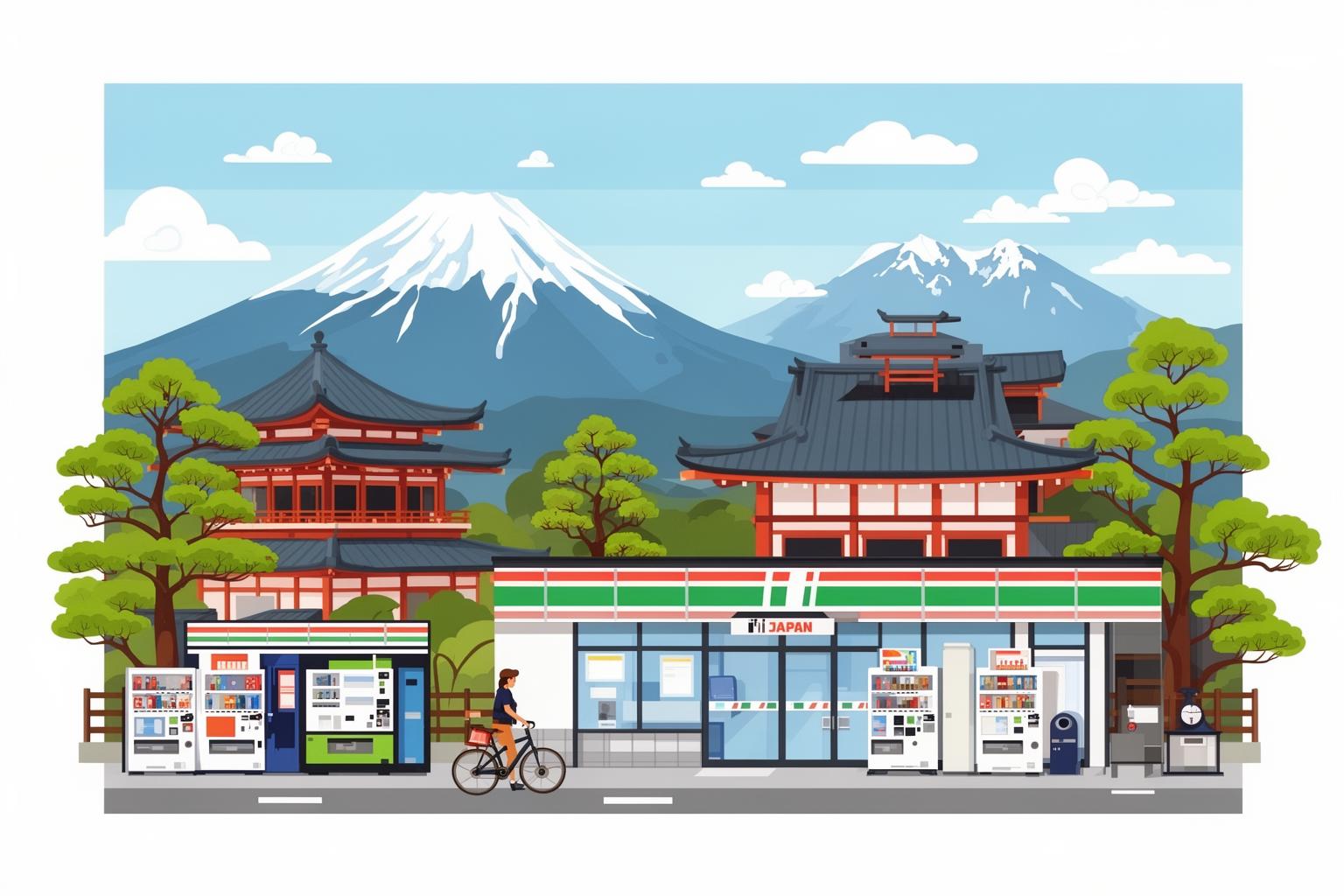
Now we arrive at the aspect everyone discusses: convenience. However, in Japan, convenience is not merely a luxury but a vital component that keeps the fast-paced, high-pressure machinery of modern urban life running smoothly. For millions, the daily routine includes long commutes, demanding work hours, and a schedule that often stretches from early morning until late at night. With limited downtime, minimizing friction is crucial.
Vending machines are designed to bridge these small gaps and reduce friction. They are strategically positioned at key transit and transition points. On every train platform, you’ll find a row of vending machines offering a hot can of coffee for the tired 6 AM commuter. Outside office buildings, they provide an energy drink for a quick mid-afternoon boost without needing to leave your desk. Near public baths (sento), they offer cold milk or fruit juice, a traditional refreshment after a soak. These machines are everywhere because they anticipate needs and meet them instantly, exactly when they arise.
This around-the-clock availability is essential. In a city that never truly sleeps, vending machines serve as a symbol of reliability. Even after the last train has left and local noodle shops have closed, vending machines remain accessible. They silently promise that, no matter the hour, you can always find a hot meal, cold drink, or quick snack. This elevates them beyond simple commercial outlets to vital social infrastructure, as dependable as public restrooms or mailboxes.
Moreover, this automated service reflects a distinctively Japanese standard of quality. It’s not just about the machines functioning properly, which they almost always do; it’s about the thoughtfulness behind the product. Drinks are not simply “cold” or “hot”—they are meticulously calibrated. Blue snowflake icons signify cold, while red flame icons denote hot. In winter, you might grab a piping hot can of corn pottage, perfect for warming your hands on the walk to the station. In summer, your green tea is perfectly chilled. The selection is carefully curated and frequently updated with seasonal specials. This embodies omotenashi—Japan’s renowned spirit of anticipatory hospitality—delivered through a machine. It represents an unspoken dedication to quality and service, even in the most impersonal exchanges.
Beyond Drinks: A Canvas for Commerce and Creativity
Once trust, economic necessity, and convenience formed the basic foundation, the vending machine evolved into a platform for endless creativity. With the core business model established, companies and individuals began pushing the boundaries of what could be sold from a box. This is where Japanese vending culture truly flourishes, dividing into two main branches: the highly practical and the delightfully niche.
The Hyper-Specific and the Utilitarian
This category focuses on offering practical solutions to specific, often urgent, needs. Here, the vending machine shines as an effective problem-solver. Caught unexpectedly in a rainstorm? There are machines dedicated solely to selling umbrellas. Need a disposable mask but the pharmacy is closed? Machines have you covered. These are not gimmicks; they function as extensions of the local convenience store, stocking items based on predictable demand.
This principle extends deeply into food offerings. Outside major urban centers, “retro” vending machines at roadside rest areas dispense full, hot meals like udon noodles, toasted sandwiches, and curry rice. Serving long-haul truck drivers and travelers during hours when no restaurant is open, these machines act as lifelines—providing hot, comforting food in remote locations.
Perhaps the clearest example is the dashi vending machine. Dashi, a savory broth made from ingredients such as bonito flakes and kelp, is the fundamental flavor base of many Japanese dishes. That artisanal dashi bottles can be purchased from a machine in a residential neighborhood speaks volumes. It illustrates that vending machines are not just for tourists or office workers but are deeply embedded in ordinary household routines. A home cook running out of dashi mid-recipe can simply head to a nearby machine, an integration rarely seen elsewhere.
Similarly, machines selling fresh local produce are common. Farmers may place a machine at their field’s edge to offer eggs, rice, or seasonal vegetables directly to customers. It’s a modern take on a farm stand: unstaffed, open 24/7, and delivering fresh, local goods with remarkable efficiency.
The Niche and the Novelty
Alongside the practical comes the playful. Vending machines also serve as low-risk retail spaces for niche products, marketing trials, and pure entertainment. This is where you find machines that go viral online.
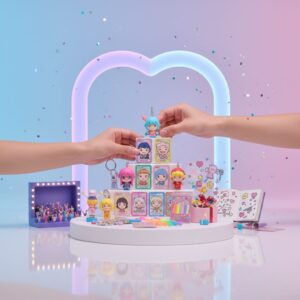
Gachapon machines, which dispense capsule toys, form a world of their own. They offer an astounding variety of miniature, detailed collectibles—from anime characters to tiny food replicas to bizarrely specific items like miniature Shinto shrines or construction pylons. They tap into the collector’s passion and the excitement of chance.
Other machines function as specialized, unmanned shops. In cities like Kyoto, you might discover machines selling local crafts or souvenirs. In sake-producing regions, machines offer tasting-sized bottles from local breweries. These often require a Japanese driver’s license for age verification, blending technology with regulation smoothly. Some vending machines sell upscale items like gourmet cakes or crêpes in a jar, enabling patisseries to extend sales hours without staffing a full store.
For larger businesses, vending machines can become marketing tools. They might launch a new beverage exclusively through vending machines to test market reactions before a wider release. The machine acts as a live focus group, delivering instant sales data without the costs of a major product launch. The novelty itself sparks buzz, transforming the purchase process into a memorable event.
A Personal Space in a Public World

There is one final, more nuanced reason behind the success of the vending machine, which touches on the core of Japanese social dynamics. In a society that highly values group harmony, politeness, and established social protocols, direct interaction can sometimes feel exhausting. There are etiquette rules to follow and pleasantries to exchange. While this fosters a remarkably polite and smoothly functioning society, it can also be draining.
The vending machine provides a moment of blissful, anonymous, and frictionless commerce. There’s no need for small talk. There’s no store clerk to engage with. You don’t have to worry about being polite enough or holding up the line. It’s a purely personal, private transaction occurring in a public space.
This resonates strongly with the cultural appreciation for doing things alone, a concept known as ohitorisama. It’s the freedom to navigate the world according to your own needs and schedule, free from social obligations. You can stand before a machine, calmly choose from ten different kinds of green tea, make your purchase, and enjoy your drink in peace. There is no judgment, no expectation, no social performance required.
In the dense, bustling environment of a Japanese city, these small moments of personal autonomy are invaluable. The vending machine offers a quiet, dependable service that demands nothing from you but the correct change. It is a moment of pure, unadulterated efficiency, a small island of personal choice in a vast collective sea.
Conclusion: The Vending Machine as a Cultural Mirror
So, why does Japan rely so heavily on vending machines? The answer is as intricate and layered as the society they serve. It’s not simply because Japan is safe, although that is a crucial starting point. It’s because the country’s distinct demographic challenges created a demand for automated labor. It’s because the relentless pace of city life requires maximum convenience. It’s because high real estate prices favor a compact footprint, and a cash-friendly culture made the technology a natural fit.
Beyond that, it’s because the jihanki aligns seamlessly with cultural values. It represents the pursuit of efficiency and quality. It offers a space for commercial innovation and hyper-local products. And it provides a moment of quiet, personal autonomy in a world that often feels overwhelmingly public.
To observe a Japanese vending machine is to glimpse a microcosm of the country itself. It is an engineering marvel, a response to labor shortages, a symbol of convenience, a platform for creativity, and a subtle acknowledgment of individual importance. It’s not merely a machine that sells you a drink—it’s a silent, brightly illuminated tribute to the complex, unseen logic that makes Japan function.