You’ve done it. You’ve been to Japan before. You saw the grand temples in Kyoto, felt the organised chaos of Shibuya Crossing, and ate ramen so good it felt like a religious experience. You’ve ticked the big boxes. But now you’re back, or planning to be, and a nagging question surfaces: what’s next? You’re craving something deeper, a connection to the country that isn’t listed on a top-ten travel blog. You want to understand the quiet currents that run beneath the dazzling, high-tech surface.
That’s when you need to start looking for the small wooden signs, the pots of herbs by a doorway, the gentle light spilling from a window down a quiet residential street. You need to find a zakka cafe.
This isn’t just about getting a good cup of coffee. This is about stepping into a complete, curated world. The term zakka (雑貨) translates literally to ‘miscellaneous goods’ or ‘sundries’, but that’s like calling a forest ‘a bunch of trees’. The word is imbued with a whole philosophy—one that champions the beauty of everyday objects, the charm of the handcrafted, and the quiet joy of a well-considered life. A zakka cafe, then, is the fusion of this aesthetic with cafe culture. It’s a space that is part shop, part gallery, part sanctuary, and entirely the vision of its owner. It’s a quiet rebellion against the mass-produced and the impersonal, served with a slice of homemade cake. This is your guide to understanding not just where to find them, but what they represent—a glimpse into a more intimate, soulful side of modern Japan.
To further explore Japan’s intimate cultural expression, check out the captivating story behind the gachapon machine, where even playful trinkets echo a deeper soul.
What Exactly is ‘Zakka’? The Soul of the Sundries
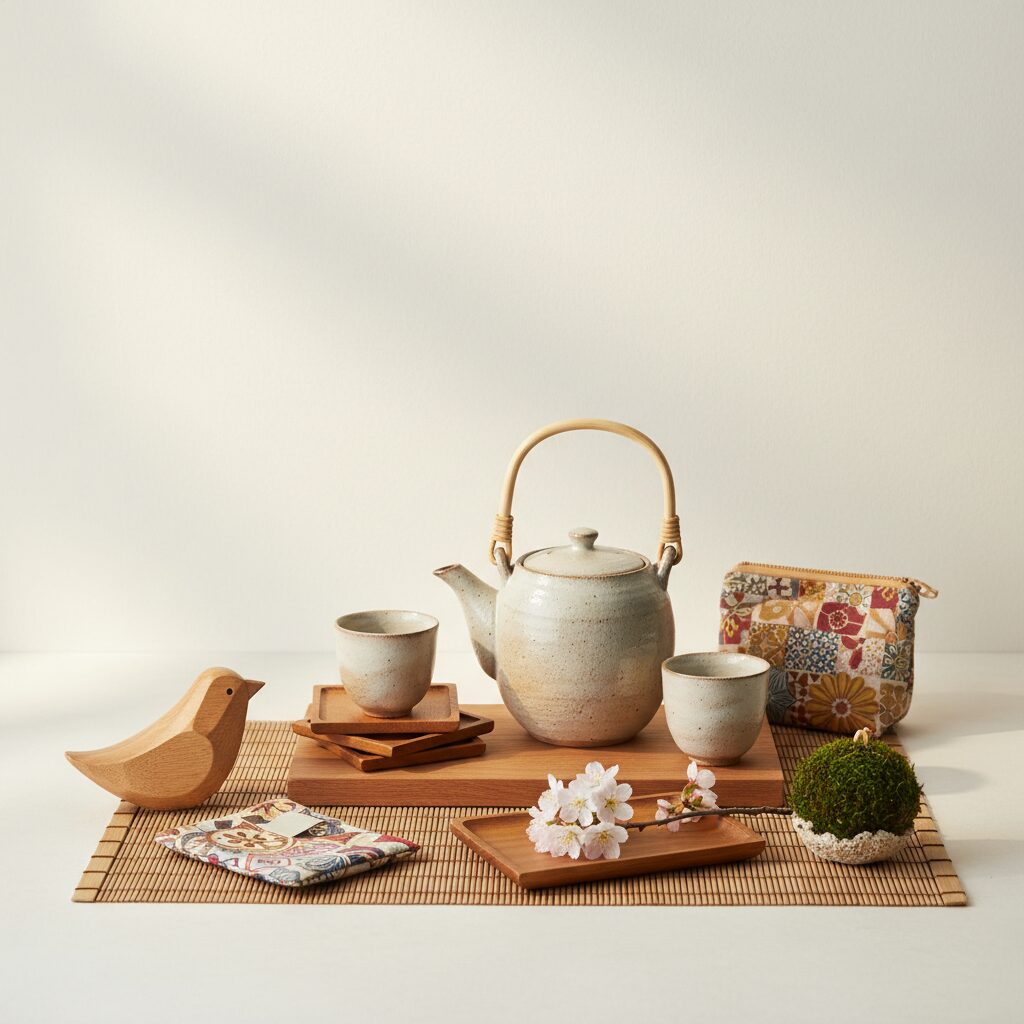
To truly appreciate a zakka cafe, you first need to grasp the spirit of zakka itself. The term has become a fundamental part of a particular Japanese lifestyle aesthetic, but its true meaning is more about feeling than strict definition. At its core, the zakka philosophy centers on elevating the ordinary. It embraces the idea that everyday objects—a ceramic mug, a linen tea towel, a simple wooden spoon—should bring a small measure of joy. These items ought to possess character, a sense of history, or the gentle touch of a human hand.
This aesthetic did not arise out of nowhere. It is a subtle blend of various influences, harmonized through a uniquely Japanese perspective. You’ll notice the clean lines and natural materials characteristic of Scandinavian design, the rustic, nostalgic charm of a French country kitchen, and the practical simplicity of vintage British household goods. All these elements are filtered through the Japanese reverence for craftsmanship (teshigoto, 手仕事) and the embrace of imperfection, reflecting the wabi-sabi philosophy.
Picture the items found in a shop devoted to zakka: hand-dyed cotton socks, artisanal soy sauce in an elegant bottle, subtly scented candles, notebooks with thick, creamy paper, and pottery that feels substantial and distinctive in your hands. Nothing is flashy or demanding attention. Instead, these objects quietly convey quality and care. The movement intentionally moves away from the disposable, plastic-wrapped world of the hundred-yen shop. It celebrates items you can live with, pieces that age gracefully.
This is not about minimalist austerity. A zakka-inspired space tends to be abundant, but it is a meaningful abundance. It involves thoughtfully curating your life, selecting objects with care, and creating a personal environment that feels warm and genuine. A zakka cafe embodies this philosophy in a public setting—offering an invitation to spend time in a thoughtfully arranged world for an hour or two.
The Anatomy of a Zakka Cafe: More Than Just Coffee and Cake
Step into a chain coffee shop in Tokyo and you know what to expect: efficient service, a standard menu, and reliable Wi-Fi. Enter a zakka cafe, however, and you step into a completely different world. Each one is unique, directly reflecting its owner’s passions, yet they share a common essence. They are composed of a recognizable set of elements that together create an atmosphere of handcrafted tranquility.
The Curated Clutter
Forget stark minimalism. The defining visual characteristic of a zakka cafe is its artfully arranged ‘clutter’. It’s a space filled with objects, but every single item feels deliberate. Shelves lining the walls might hold a mix of old books, vintage kitchen scales, and mismatched tins. Dried flower arrangements and bundles of herbs often hang from the ceiling or rest in simple glass jars. The tables and chairs are often wooden, sometimes mismatched, bearing the marks of time.
What you see tells a story. The collection of enamelware might reflect the owner’s love for camping. A display of French children’s books could hint at a year they spent abroad. The pottery serving your coffee might be crafted by a local artist—and is often for sale on a small shelf in the corner. This is what sets it apart from a themed restaurant. The theme here is personal taste. It’s an environment that feels less like a commercial space and more like an invitation into the stylish and cozy home of a creative friend.
The Sensory Experience
A great zakka cafe engages more than just your eyes. The entire sensory environment is designed to be calming. The soundtrack is a key element. You won’t hear chart-topping pop songs. Instead, the air is filled with the gentle strumming of an acoustic guitar, the melancholic tones of a French chanson, or sometimes just the quiet, ambient sounds of the room itself: the soft clink of a spoon against a ceramic cup, the low hum of the refrigerator, the creak of wooden floorboards. This soundscape invites you to lower your voice and relax.
The aromas are grounding and homely. The dominant scents are freshly brewed coffee, often carefully prepared using a pour-over method, and whatever is baking in the small kitchen. It might be scones, a simple pound cake, or a seasonal fruit tart. These scents mingle with the faint, pleasant aromas of old wood, paper, and dried lavender. It smells like a real place, not something scented by a corporate-approved air freshener.
Touch matters just as much. The mug you drink from won’t be a standard, featherlight piece of porcelain. It will likely be a sturdy, handmade ceramic cup that feels warm and substantial in your hands. The table might be rough-hewn wood; the napkin, a piece of soft linen. Every tangible interaction is a reminder of natural materials and human craftsmanship.
The Owner as Curator
At the heart of every zakka cafe is the owner, the tenchō (店長). They are not just the manager; they are the creator, curator, and soul of the space. These cafes are nearly always independent, owner-operated ventures, born from personal passion. The owner is the one who chose every item, designed the simple menu, created the playlist, and is often the person taking your order and carefully preparing your coffee.
This fosters a different kind of service. It’s typically quiet, reserved, and deeply hospitable. The owner may not engage in lengthy conversation, but there’s a palpable pride and care in their work. They are sharing their world with you, expecting you to respect it. This personal touch is the magic ingredient. You’re not just a customer consuming a product; you’re a guest welcomed into a private, lovingly crafted space.
Why This Niche Exists: A Quiet Protest in a Fast World
Zakka cafes represent more than just a delightful aesthetic trend. Their widespread appeal reflects deeper currents within Japanese society and provides a captivating insight into what people value in their personal lives. In their subtle way, they serve as a form of cultural resistance.
The Counterpoint to Convenience
Japan is a nation that excels in convenience. The train system runs with ruthless punctuality, vending machines offer everything from hot soup to neckties, and the ever-present konbini (convenience store) operates with remarkable 24/7 efficiency. Yet, living in such a fast-paced, optimised environment can be exhausting. Zakka cafes serve as the remedy. They deliberately embrace inefficiency. Coffee is brewed to order, one cup at a time. Food is simple and made in small quantities. The service moves at an unhurried pace.
These places provide a vital moment of respite. They serve as havens from the relentless demands of productivity and the impersonality of urban life. By choosing to spend time in a zakka cafe, visitors consciously decide to slow down, to value atmosphere over speed, and to support a small, personal business rather than a vast, faceless corporation.
A Space for the Individual
Although Japan is often seen as a group-centered society, there is also a growing appreciation for solitude, known as ohitorisama. Zakka cafes offer ideal retreats for the individual. Unlike busy family restaurants or pubs, they are predominantly quiet and serene, making them perfect places to visit alone. It’s common to see solo patrons reading, journaling, or simply sitting with their own thoughts.
The design and atmosphere are intended to make individuals feel at ease, not conspicuous. Small tables for one or two are typical, and the peaceful environment allows you to retreat into your own space without feeling rude or isolated. For many, these cafes are a cherished ‘third place’—neither home nor work—where they can unwind and reconnect with themselves.
The Rise of ‘Teinei na Kurashi’
The zakka cafe trend is closely tied to a broader lifestyle movement in Japan called Teinei na Kurashi (丁寧な暮らし), meaning ‘a carefully considered life’ or ‘living with care’. This philosophy resists throwaway culture and promotes a more mindful, intentional approach to everyday routines. It emphasizes taking time to cook a proper meal instead of grabbing something at the konbini, repairing a beloved piece of clothing rather than replacing it, or handwriting a letter instead of sending a text.
Zakka cafes embody Teinei na Kurashi. They are spaces where care is evident in every detail, from the selection of ingredients to the arrangement of flowers on the counter. Visiting one feels like an extension of that lifestyle—a small act of engaging in a more thoughtful, beautiful way of living, even if only for the duration of a cup of tea.
How to Find and Appreciate Your Own Zakka Haven
Part of the charm of zakka cafes lies in the fact that the best ones often feel like a personal discovery. They typically aren’t promoted with flashy neon signs. Finding them becomes part of the experience—a treasure hunt for tranquility.
Look Beyond the Main Streets
True zakka cafes rarely appear on the main commercial thoroughfares of large cities. They flourish in quieter locations. Seek them out in the backstreets of bohemian neighborhoods such as Shimokitazawa or Kichijoji in Tokyo, or tucked away in the residential districts of cities like Kamakura or Kyoto. Stroll down a shotengai—a traditional covered shopping street—and glance into the small side alleys branching off it. Often, they hide in plain view, on the second floor of an old building or behind a curtain of ivy.
Reading the Signs
Once you begin searching, you’ll notice the visual hints. The signage is a key indicator. It will almost certainly be understated: a small, hand-painted wooden plaque, modest lettering on a window, or a simple A-frame chalkboard on the sidewalk. The entrance offers more clues. Look for an abundance of green plants in terracotta pots, a vintage bicycle leaning against the wall, or a simple linen curtain (noren) hanging at the doorway. The overall vibe is humble, personal, and inviting—but in a subtle way. The cafe doesn’t shout for attention; it waits quietly to be found.
Cafe Etiquette for the Quiet Space
When you discover one, remember you are entering a space valued for its calm. The key is to respect the atmosphere. This is not the place for loud phone calls or energetic group conversations. Keep your voice low and gentle. It’s customary to order at least one item per person, usually a drink accompanied by a small sweet or savory snack. While some cafes welcome you to linger with a book, be mindful of the time, especially when it’s busy and others are waiting. And always ask permission before taking photos. Many owners take pride in their space but may prefer it not be widely documented online, and it’s important to respect the privacy of other guests seeking a peaceful retreat. By following these unspoken rules, you help preserve the very tranquility you came to enjoy.
A visit to a zakka cafe is far more than a simple caffeine stop. It’s an immersion in an aesthetic, a philosophy, and a quieter, more intimate aspect of Japanese culture. It serves as a reminder that in a world obsessed with speed and scale, there is deep beauty and comfort to be found in the small, the slow, and the thoughtfully chosen. The best zakka cafe you find won’t be one I can name for you in a guide. It will be the one you chance upon on a quiet afternoon—a perfect little world of wood, pottery, and calm waiting behind a simple wooden door.