So, you’ve heard the term. Maybe you stumbled upon a viral clip: an animated anime character with cat ears screaming in perfect English while playing a horror game. Or perhaps you saw a brightly colored avatar on a music chart, racking up millions of views on an original song. You asked what it was, and someone said, “That’s a VTuber.” And now you’re here, trying to understand what feels like a strange, massive, and uniquely Japanese corner of the internet. Good. You’ve come to the right place. Let’s get one thing straight from the start: VTubing is far more than just anime avatars playing video games. It’s a full-blown cultural phenomenon, a billion-dollar industry, and for millions of fans, a primary form of entertainment and community. It’s the digital evolution of Japan’s idol culture, a new frontier for self-expression, and a fascinating case study in how technology can create entirely new forms of human connection. To understand VTubers is to understand something essential about modern Japan and the future of online identity. Forget the surface-level weirdness for a moment. We’re going to unpack why this subculture exploded, who it’s for, and what makes it so compelling that people are building their entire social lives around it. This is the real story of the virtual rabbit hole.
By delving into how unconventional movements like the Yankii phenomenon have influenced modern Japanese culture, one gains a clearer perspective on the transformative rise of VTubers.
What Exactly Is a VTuber? Beyond the Motion-Capture Mask
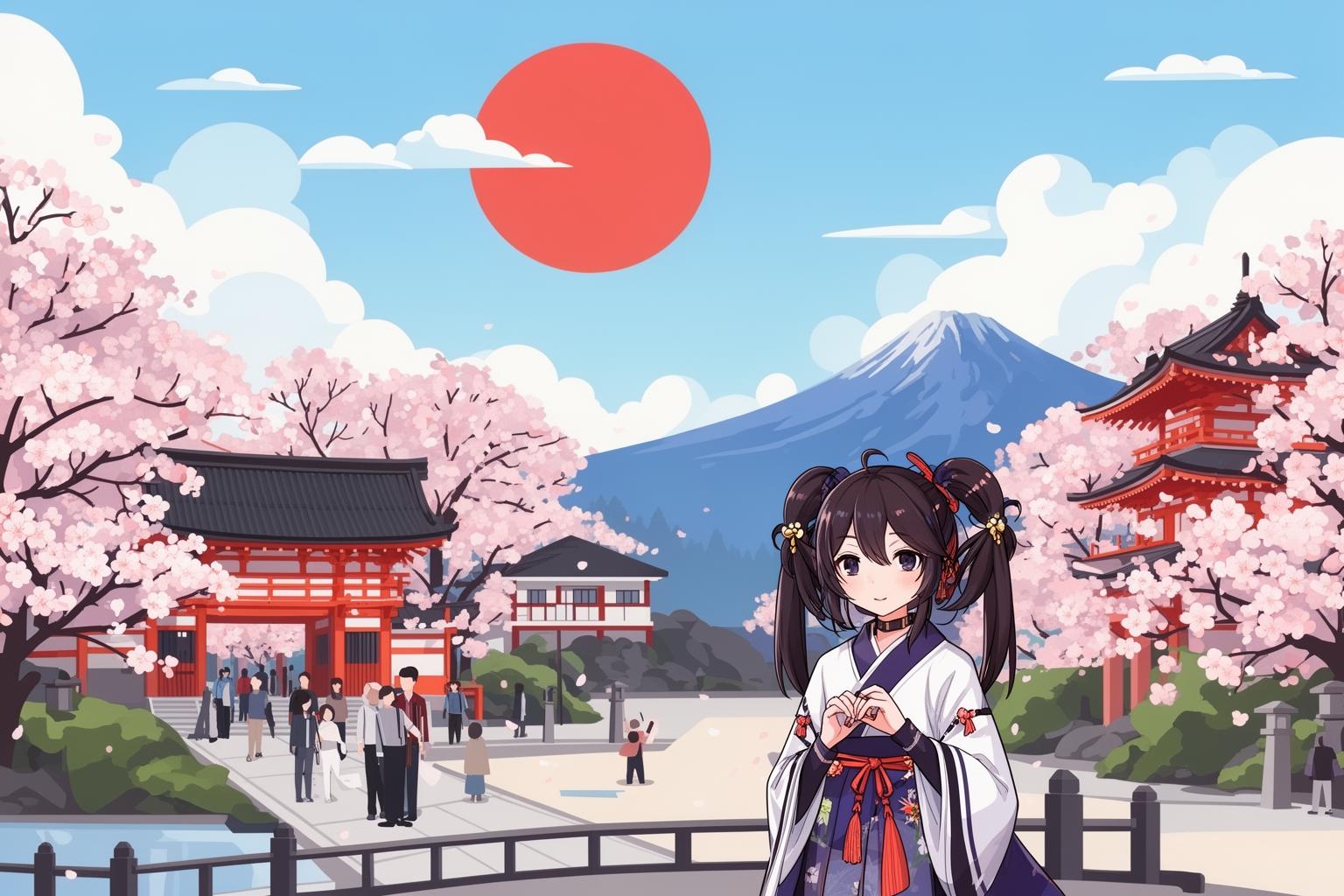
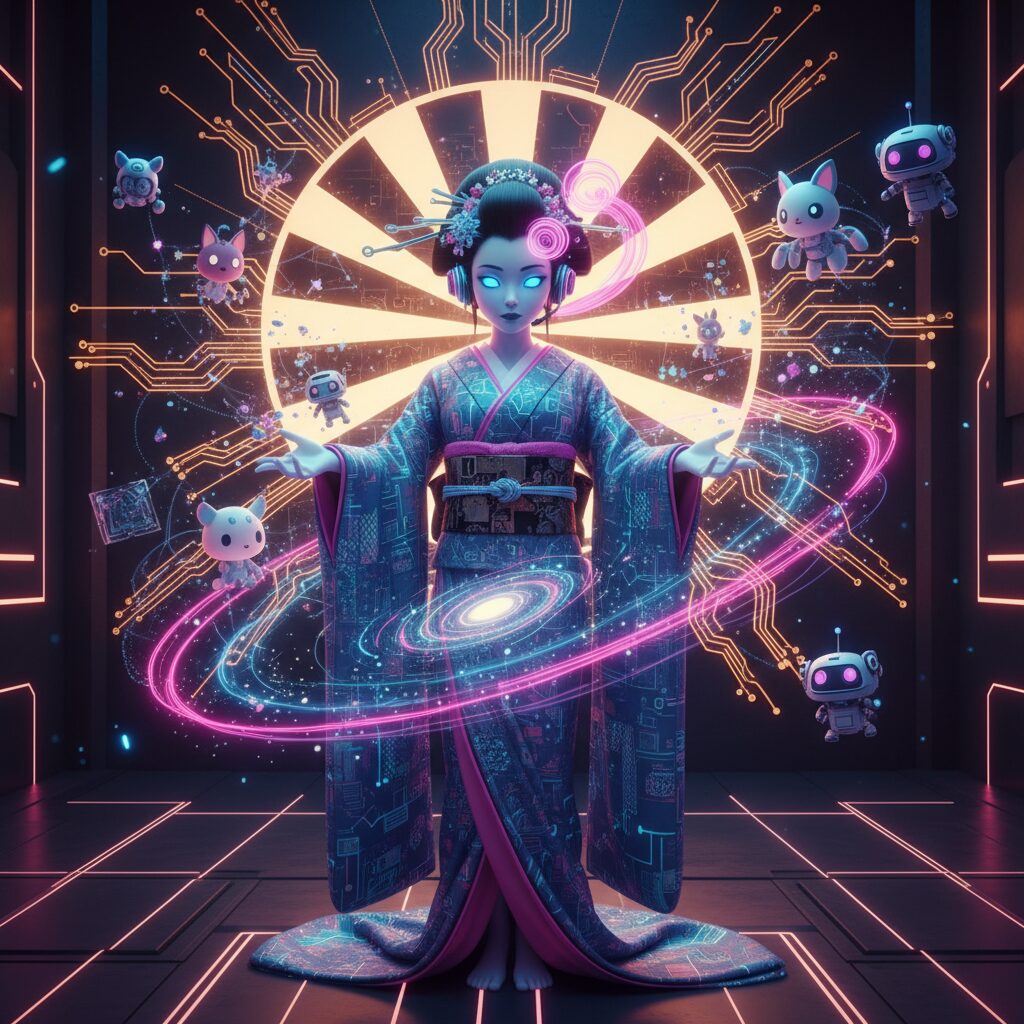
Let’s begin with the basics. The term “VTuber” is a blend of “Virtual YouTuber.” Essentially, a VTuber is an online entertainer, usually a livestreamer or content creator, who uses a digitally generated avatar instead of showing their real face. This avatar is frequently, though not always, designed in an anime style and is animated through motion-capture technology. The creator’s facial expressions, mouth movements, and sometimes even body gestures are tracked in real-time and applied to a 2D or 3D model. The individual behind the avatar—the talent, streamer, or “soul”—provides the voice, personality, and skills that make the stream captivating.
Understanding the fundamental distinction between the creator and the character is crucial. A VTuber is not merely a person wearing a digital mask; they are portraying a character. This character possesses a name, a backstory, a unique design, and a personality that might be entirely different from the person behind the screen. This element of performance art sets VTubing apart from simply being an anonymous streamer using a static PNG image. The avatar is dynamic, responsive, and enduring.
The Birth of a New Medium
Though hobbyists had been experimenting with virtual avatars for years, the idea surged into the mainstream in late 2016 with the emergence of Kizuna AI. She wasn’t the very first, but she was the one who defined the format. She branded herself as the world’s first “virtual YouTuber,” and her short, pre-edited, skit-style videos felt like a fresh form of television. Kizuna AI set the standard: a charismatic virtual persona inhabiting a digital space. However, the scene truly gained momentum when it transitioned from pre-recorded videos to livestreaming. This is where the true magic occurs. Livestreaming enables direct, real-time interaction between the VTuber and their audience. The chat scrolls rapidly, the VTuber reads comments, replies to questions, and shares a live experience with thousands simultaneously. It transformed a novelty into a community.
The Magnetic Appeal: Why Japan Embraced Virtual Personalities
To understand why VTubing took root so deeply in Japan, one must examine the cultural environment it emerged from. This was no random occurrence; rather, it was the natural culmination of several long-established Japanese social and entertainment trends.
The Digital Evolution of Idol Culture
Above all, VTubing is the spiritual heir to Japan’s vast idol industry. For decades, groups like AKB48 have dominated Japanese entertainment. Idols aren’t just singers; they are multi-faceted personalities nurtured by agencies to be aspirational, charming, and relatable. They perform concerts, appear on variety shows, engage with fans at handshake events, and sell merchandise. Their appeal is rooted in carefully crafted personas and a sense of attainable connection.
VTubers have taken this model and propelled it into the 21st century. They sing, hold 3D concerts with spectacular virtual stage productions, release original music, and sell voice packs and merchandise. However, they amplify interactivity. Rather than a monthly handshake event, fans can engage with their favorite VTuber almost daily through livestreams. This ongoing accessibility fosters a remarkably strong sense of connection and loyalty. The business model is similar, relying on a dedicated core of fans eager to financially support their favorite performer, or “oshi.” In VTubing, this support primarily comes through YouTube’s “Super Chats”—paid messages highlighted during live chats, allowing fans to directly back the creator and gain a moment of recognition.
The Comfort of Anonymity and the Freedom of Character
Japanese culture often maintains a clear divide between one’s public facade (tatemae) and private feelings (honne). There is a strong cultural emphasis on privacy and a certain reluctance to expose personal life publicly. The VTuber model fits perfectly with this mindset. It enables creators to be public entertainers—whether funny, outrageous, or heartfelt—without ever revealing their real names, faces, or personal histories. This shields them from the fear of being recognized on the street or having their private lives dissected by obsessive fans.
This anonymity is liberating. It allows individuals who might otherwise be too shy or reserved to become performers. They can craft a new self, a persona embodying the traits they wish to display. This identity might be cooler, cuter, or more confident than their real-life selves. The avatar acts as both shield and stage, offering a unique kind of expressive freedom.
The Power of “Gap Moe”
To truly grasp the appeal, one must understand moe. It’s a Japanese slang term that’s difficult to translate directly but describes a deep feeling of affection, adoration, and protectiveness toward a fictional character. VTubers are designed to evoke this emotion. The real secret, however, lies in “gap moe.” This charm arises from the contrast between a character’s appearance and their true personality. For instance:
- A VTuber designed as an ancient, all-powerful dragon goddess who, in reality, has a high-pitched voice, struggles with video games, and cries easily.
- A cool, punk-rock demon girl whose streams are unexpectedly wholesome, featuring cozy art sessions and gentle encouragement.
- A prim and proper angelic figure who surprisingly possesses a crude sense of humor and enjoys screaming at horror games.
This gap between the virtual exterior and the human soul inside is deeply endearing. It makes the character feel more real and multidimensional. The moments when the “real” person’s personality breaks through the character’s facade create legendary, clip-worthy moments and forge the strongest bonds with the audience.
The Corporate Machines: Hololive and Nijisanji
While the scene initially began with independents, it is now dominated by two corporate giants: Hololive Production (operated by Cover Corp) and Nijisanji (managed by Anycolor Inc.). These entities are more than just talent agencies; they function as tech companies, production studios, and merchandising powerhouses that have professionalized the entire industry.
Hololive: The Idol Stage
Hololive is arguably the most recognizable VTuber brand worldwide. Their approach heavily embraces the idol model. They recruit talents who can not only stream but also sing and perform. Hololive invests significantly in high-quality 3D models and produces spectacular virtual concerts that rival those of real-world pop stars. Their brand is built on group synergy. Talents are introduced in “generations” or waves, and the interactions and relationships between members of the same group are a core aspect of the entertainment. They’ve successfully expanded globally with branches like Hololive English and Hololive Indonesia, demonstrating that the model has international appeal.
Nijisanji: The Power of Personality
Nijisanji is the other giant, known for its vast and diverse roster of talents. With well over a hundred active VTubers in Japan alone, their philosophy centers on diversity and personality. While Hololive resembles a polished idol group, Nijisanji often feels like a chaotic, sprawling high school filled with wildly different characters. They were pioneers in using Live2D technology, a simpler form of 2D animation that offers a lower barrier to entry compared to full 3D modeling. This enabled them to scale up rapidly and prioritize recruiting interesting, funny, and unique personalities above all else. Nijisanji’s strength lies in the vast variety of its content and the unpredictable, often hilarious, collaborations that arise when many distinct personalities come together in one ecosystem.
Your Guide to Entering the Rabbit Hole
Feeling curious? Getting started can feel overwhelming, as there are literally thousands of active VTubers. Here’s a simple guide for newcomers.
Start with the Clips
The VTuber community thrives on translations. Since most content is in Japanese, a dedicated group of fan translators and clippers plays a vital role in bringing it to a global audience. These fans watch hours of long streams, pick out the funniest or most interesting moments, and translate them into short, easy-to-watch clips with English subtitles. Searching for “VTuber clips” or “Hololive clips” on YouTube is the best way to begin. It’s a low-commitment method to get a sense of different personalities without having to watch a four-hour stream.
Find Your “Oshi”
In idol and VTuber culture, an “oshi” is your favorite—the one you choose to support above all others. Finding your oshi is part of the fun. As you watch clips, you’ll naturally be drawn to certain personalities. Do you enjoy high-energy gamers? Chill, relaxing singers? Comedic storytellers? There’s a VTuber for virtually every niche.
Learn the Lingo
Like any subculture, the VTuber world has its own slang. Knowing a few key terms will help you understand what’s going on in the live chat:
- Kusa (草): The Japanese character for grass. Used online, it’s the equivalent of “lol” or “lmao.” It originates from how a string of ‘w’s (from warau, meaning to laugh) resembles blades of grass: wwwww.
- Superchat (Supacha): Paid messages on YouTube. A key revenue source and a way for fans to interact directly during a stream.
- Teetee (てぇてぇ): Derived from the word toutoi (尊い), which means precious, sacred, or noble. It’s used to describe moments of cute, wholesome, or heartwarming interaction between two or more VTubers. It’s the community’s way of expressing joy when their favorites get along.
- Graduation: The term for when a VTuber retires their character and stops streaming. It’s a formal, often emotional event, treated with the same gravity as a real-world retirement. The character is gone for good, and it’s a major event in the community.
- Zatsudan (雑談): A chatting stream where a VTuber talks with their audience, tells stories, and answers questions. It’s a great way to get to know their personality beyond gaming or other activities.
The Shadows in the Digital World

Naturally, it’s not all fun and games. The VTuber world has a darker side that cannot be ignored. The same anonymity that shields creators also empowers harassers. Doxxing—the act of exposing a creator’s real-life identity—remains a constant threat, prompting agencies to dedicate significant resources to legal teams for protecting their talent from stalking and defamation.
Burnout is another critical concern. The pressure to stream nonstop, stay “on” as your character, and engage with thousands of viewers is overwhelming. It’s a demanding role that can seriously impact mental health.
Lastly, the intense parasocial bonds between fans and VTubers can sometimes sour. While most fans are supportive, a vocal minority may become possessive or hostile if a creator breaks their illusion of the character. This is the inherent risk of an industry based on selling a persona—people can forget there’s a real person behind the screen.
Despite these difficulties, the VTuber phenomenon continues to expand rapidly. It marks a fundamental shift in how we view entertainment, identity, and community online. In this world, the lines between creator and character, as well as fan and friend, are beautifully and complexly blurred. Originating in Japan, its influence is now universal. So next time you see a cute anime avatar on your screen, don’t just dismiss it—you might be witnessing the future of entertainment.