You’ve seen it before. The modern supermarket, a brightly lit temple of perpetual abundance. Strawberries in December, asparagus in October, tuna from half a world away, available any day of the year. It’s a miracle of modern logistics, a testament to our ability to bend nature to our will. We have conquered seasonality. Or so we think.
In Japan, however, a different logic prevails. It’s a quiet but deeply ingrained cultural pulse that beats to a different rhythm. It’s a philosophy centered around a single, powerful concept: shun (旬). At its most basic, shun translates to “in season.” But that’s like saying a symphony is just “some notes.” The word barely scratches the surface of a profound and nuanced relationship with time, nature, and food. It’s the deep-seated belief that every ingredient—every fish, every vegetable, every fruit—has a fleeting window of absolute perfection. This is its shun. It’s a moment when flavor, nutrition, and even spiritual essence are at their peak. To eat something in its shun is to participate in a celebration of the present moment, to taste nature at its most vibrant and ephemeral.
This isn’t about a nostalgic preference for the farmer’s market; it’s a fundamental pillar of Japanese cuisine and a ritual that shapes daily life. It’s about more than freshness; it’s about appropriateness. Eating a cooling cucumber in the dead of winter feels, to the Japanese sensibility, fundamentally wrong—not just culinarily, but cosmically. It’s out of sync with the world. Understanding shun is understanding that a meal in Japan is never just sustenance. It’s a conversation with the season, a sensory calendar that tells you where you are in the slow, beautiful turning of the year.
The mindful celebration of shun finds a parallel in Japan’s tradition of sharing omiyage, where seasonal tokens help bind community and nature in a fleeting moment of perfection.
What ‘Shun’ Truly Means: Beyond the Farmer’s Market

To truly understand shun, you need to break it down into its three distinct stages. It’s not just a single, fixed “peak season.” Rather, it’s a narrative arc—a story that unfolds on the plate. The Japanese palate recognizes and celebrates the beginning, middle, and end of an ingredient’s journey, with each phase offering a unique kind of pleasure.
Hashiri: The First Taste of the Season
Hashiri (走り) means “running” and signifies the very first appearance of an ingredient at the start of its season. This is the new arrival, signaling what’s to come. Picture the first catch of bonito (hatsu-gatsuo) in spring or the first tender bamboo shoots (takenoko) pushing through the earth. These items are often exceptionally expensive, their price elevated by novelty and anticipation. Eating hashiri isn’t about peak flavor; the taste may still be delicate, even somewhat premature. Rather, it’s about the excitement of the new. It’s a symbolic gesture, a way of welcoming the upcoming season and embracing its fresh energy. In the Edo period, people believed that eating the first bonito of the season would add 75 days to your life. It was a luxury, a statement, and a ritual of hope—a taste of the future, right in the present.
Sakari: The Peak of Abundance
Sakari (盛り) represents the core moment. This is the true shun, the peak of perfection. The ingredient is now most abundant, fully flavorful, and reasonably priced. This is the bamboo shoot at its sweetest, the Pacific saury (sanma) at its fattiest, the tomato bursting with sun-kissed flavor. Sakari is the season at its fullest expression. During this time, the ingredient dominates menus everywhere, from upscale kaiseki restaurants to modest home kitchens. Supermarket shelves are stacked high, and the collective culinary focus centers on this singular, perfect product. It’s a time of celebration and indulgence in nature’s bounty without limit. This flavor defines the memory of that season for months to come.
Nagori: The Lingering Farewell
Nagori (名残) is perhaps the most distinctly Japanese phase. The term means “relic” or “vestige,” referring to the very end of an ingredient’s season. The feast is nearly over. The taste of a nagori ingredient differs from its peak. A fruit might be slightly overripe, its sweetness evolving into something more complex. A fish may have lost some fat, its flavor becoming leaner. Eating nagori is a deliberate act of farewell. It’s a wistful, somewhat melancholy pleasure, infused with the awareness that you won’t taste this again for another year. This deeply connects to the Japanese aesthetic of mono no aware—the gentle sadness felt towards passing things. It’s an appreciation of impermanence, a final, lingering flavor that honors the turning of the great wheel of seasons. You savor it precisely because it’s about to vanish.
The Calendar Written in Flavor: How Japan Eats the Year
In Japan, the Gregorian calendar is used for appointments and deadlines, but the true calendar that guides the senses is expressed through food. Each season introduces a new cast of ingredients to the table, their arrival anticipated with a fervor approaching the religious. The nation’s menu shifts in unison, reflecting a shared change in cravings and culinary traditions.
Spring’s Bitter Awakening
As the final traces of winter frost disappear, spring in Japan is characterized not by sweetness, but by bitterness. This season showcases sansai, or wild mountain vegetables, such as fukinoto (butterbur scape) and warabi (bracken fern), both known for their earthy bitterness. Traditional wisdom suggests this bitterness helps rouse the body from its winter sluggishness, cleansing it of the heaviness accumulated during the cold months. Then comes the king of spring vegetables, the takenoko (bamboo shoot), which must be harvested and prepared swiftly to preserve its delicate sweetness. Spring also brings the hatsu-gatsuo (first bonito), a lean, clean-tasting fish signaling the ocean’s awakening. And of course, strawberries—while now often grown in greenhouses—remain mentally tied to spring as symbols of fresh, bright beginnings.
Summer’s Cool Relief
Summer in Japan is hot and humid, prompting a culinary response that is both logical and deeply rooted: consume foods that cool you down. The season’s stars are the natsu yasai (summer vegetables), rich in water content. Juicy tomatoes, crisp cucumbers, and dark purple eggplants (nasu) are ubiquitous. Whether sliced, pickled, or grilled, they are essential for enduring the heat. The classic summer dish is cold somen noodles, often served flowing down a bamboo slide (nagashi-somen), a spectacle of edible engineering. For stamina, unagi (grilled freshwater eel) is traditionally eaten on the Day of the Ox to supply energy through the heat. The iconic summer fish is ayu (sweetfish), a river fish with a delicate, watermelon-like aroma, prized for its very brief shun and typically grilled whole over charcoal.
Autumn’s Rich Harvest
If summer is about relief, autumn is about indulgence. The Japanese say shokuyoku no aki, meaning “autumn, the season of appetite.” As the oppressive heat fades, cravings for richer, deeper flavors return. This is the season of the harvest moon and rice paddies glowing golden. On the table, it’s the time for kinoko (mushrooms), with the matsutake, a pine mushroom with a spicy, intoxicating aroma, reigning supreme and fetching high prices. The season also brings chestnuts (kuri), sweet potatoes (satsumaimo), and kabocha squash, adding a comforting sweetness to many dishes. The fish that defines autumn is sanma (Pacific saury), whose long, silver body fattens beautifully. It is traditionally grilled whole with salt and served with grated daikon and a squeeze of citrus. For many Japanese, the scent of grilling sanma is the quintessential fragrance of autumn.
Winter’s Deep Comfort
As days shorten and the air grows sharp, the Japanese kitchen turns inward toward warmth and nourishment. Attention shifts to root vegetables sweetened by frost, like daikon radish and gobo (burdock root). Bright, fragrant citrus such as yuzu and the easy-peel sweetness of mikan oranges offer a vital burst of sunshine. Seafood thrives in cold waters: oysters (kaki) become plump and creamy, while buri (yellowtail) accumulates a thick, prized layer of fat—so much so that the fish’s name changes as it grows and fattens. Winter is also the season of nabe, the communal hot pot. A simmering pot is placed at the center of the table where family or friends cook a mix of seasonal vegetables, tofu, and fish or meat together. It is more than just a meal; it is a ritual of warmth and togetherness, a way to fortify both body and spirit against the cold.
More Than a Meal: Shun as a Cultural Practice
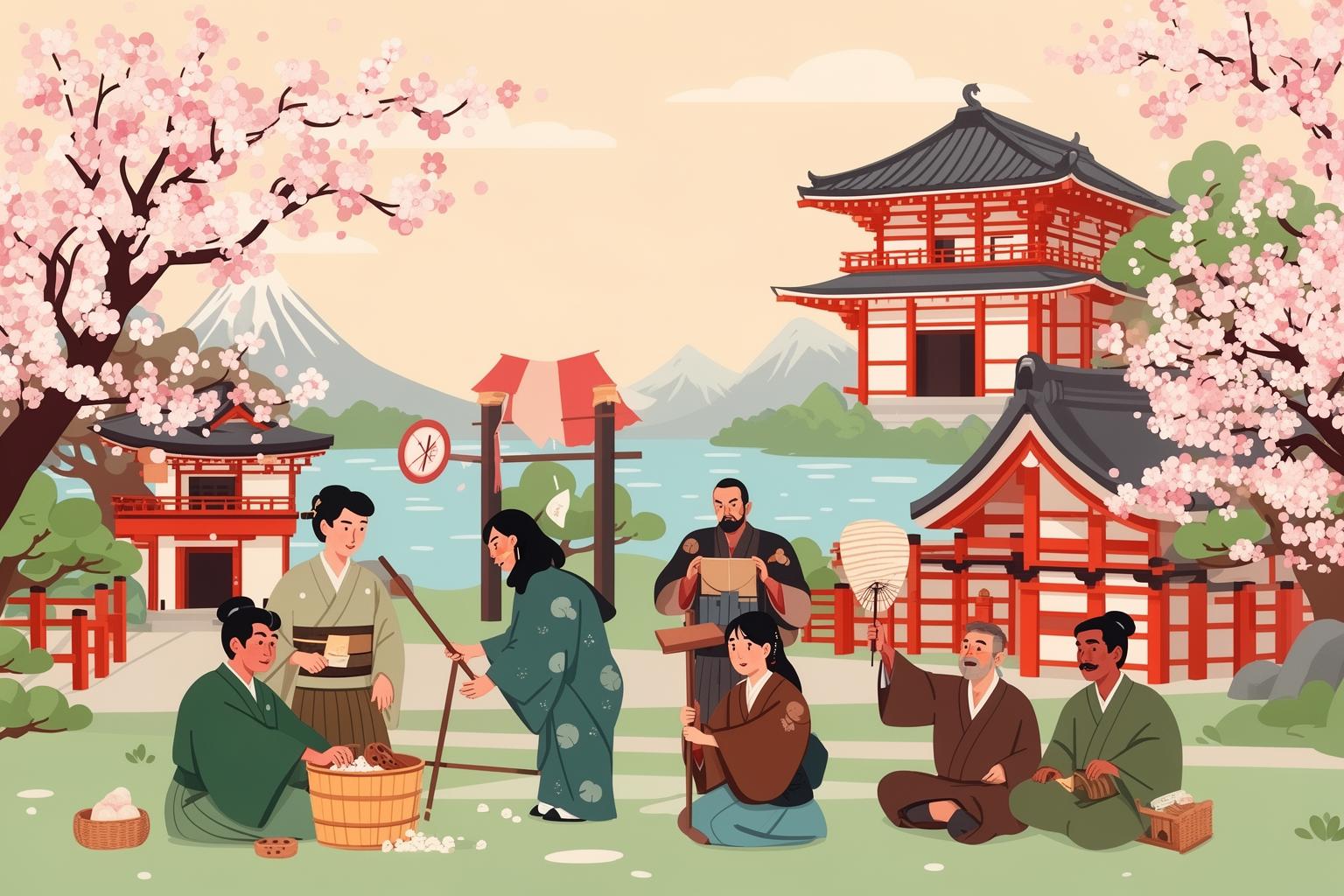
This careful attention to seasonality extends well beyond mere gastronomy. Shun is deeply embedded in Japan’s cultural fabric, embodying profound aesthetic and philosophical values. It is a practice that links the dining experience to the broader cosmos.
A Connection to Time and Nature
In a highly modernized, urban society, shun acts as a strong, tangible connection to the natural world. For a Tokyo office worker, spotting fresh fukinoto in a depachika (department store food hall) signals the arrival of spring more vividly than a date on the calendar. It grounds daily life in nature’s cycles rather than the abstract framework of the workweek. This approach cultivates mindfulness—a state of being attentive and present. It encourages noticing subtle environmental changes because they are directly reflected on your plate. This way of living resists the disorienting placelessness characteristic of the global food system.
The Aesthetics of Impermanence
The essence of shun is rooted in appreciating impermanence. The delight in eating a perfect white peach in August is intensified by the awareness that this experience is fleeting. In just a few weeks, it will be gone. This aligns with central Japanese aesthetic ideals such as wabi-sabi (finding beauty in imperfection and transience) and mono no aware. The ingredient’s beauty is inseparable from its short-lived availability. That is why the hashiri (first taste) and nagori (last taste) stages hold as much significance as the sakari (peak). They represent the beginning and the end of a precious, ephemeral gift from nature.
Ritual in the Kitchen and at the Table
For Japanese chefs, shun serves as the ultimate guiding principle. The menu in an upscale restaurant is not a fixed list; it is a living poem that evolves daily, or at least weekly, depending on what is at its peak in the market. The highest expression of this is kaiseki ryori, the traditional multi-course haute cuisine. A kaiseki meal offers a journey through the current season, with each dish carefully crafted to highlight a particular shun ingredient. Even at home, choosing ingredients for the daily meal is a small ritual honoring the season. Deciding what to cook often begins with a simple walk through the grocery store to discover what nature presents that day.
The Modern Challenge to a Timeless Idea
Naturally, Japan is not exempt from the influences of modernity. Step into any large supermarket, and you will find Chilean grapes and Mexican asparagus alongside local produce. Thanks to greenhouses and advanced farming methods, many vegetables are, in fact, available year-round. The once clear and strict boundaries of seasonality have started to blur.
This situation creates a tension. On one side, there is the undeniable convenience of a global food supply. On the other, there is a strong cultural desire to uphold the philosophy of shun. Many Japanese people manage this by making a deliberate choice. They might purchase a tomato in winter for a specific dish, but they won’t celebrate it. The celebration—the true enjoyment—is reserved for the summer tomato, the one that tastes just as it should. The concept has evolved from a physical necessity into a conscious cultural practice. Places like depachika and local specialty shops have become modern curators of shun, skillfully showcasing the season’s finest and guiding consumers on what to celebrate at the moment.
Why It Matters: A Final Thought on Tasting Time

So, why does this all matter? Because shun imparts a profound lesson that feels increasingly relevant today. It teaches us that not everything should be available all the time, reminding us that anticipation is a vital ingredient in pleasure and that scarcity can enhance the value of an experience.
In a world fixated on instant gratification and endless options, shun stands as a quiet act of rebellion. It embodies a philosophy that finds joy not in having everything immediately, but in savoring one perfect thing at its perfect moment. It represents a deep respect for the natural rhythms and a way to engage with them, rather than attempting to control them. To eat with an awareness of shun is to do more than just eat—it is to taste time itself: its arrival, its exquisite peak, and its poignant, lingering farewell.