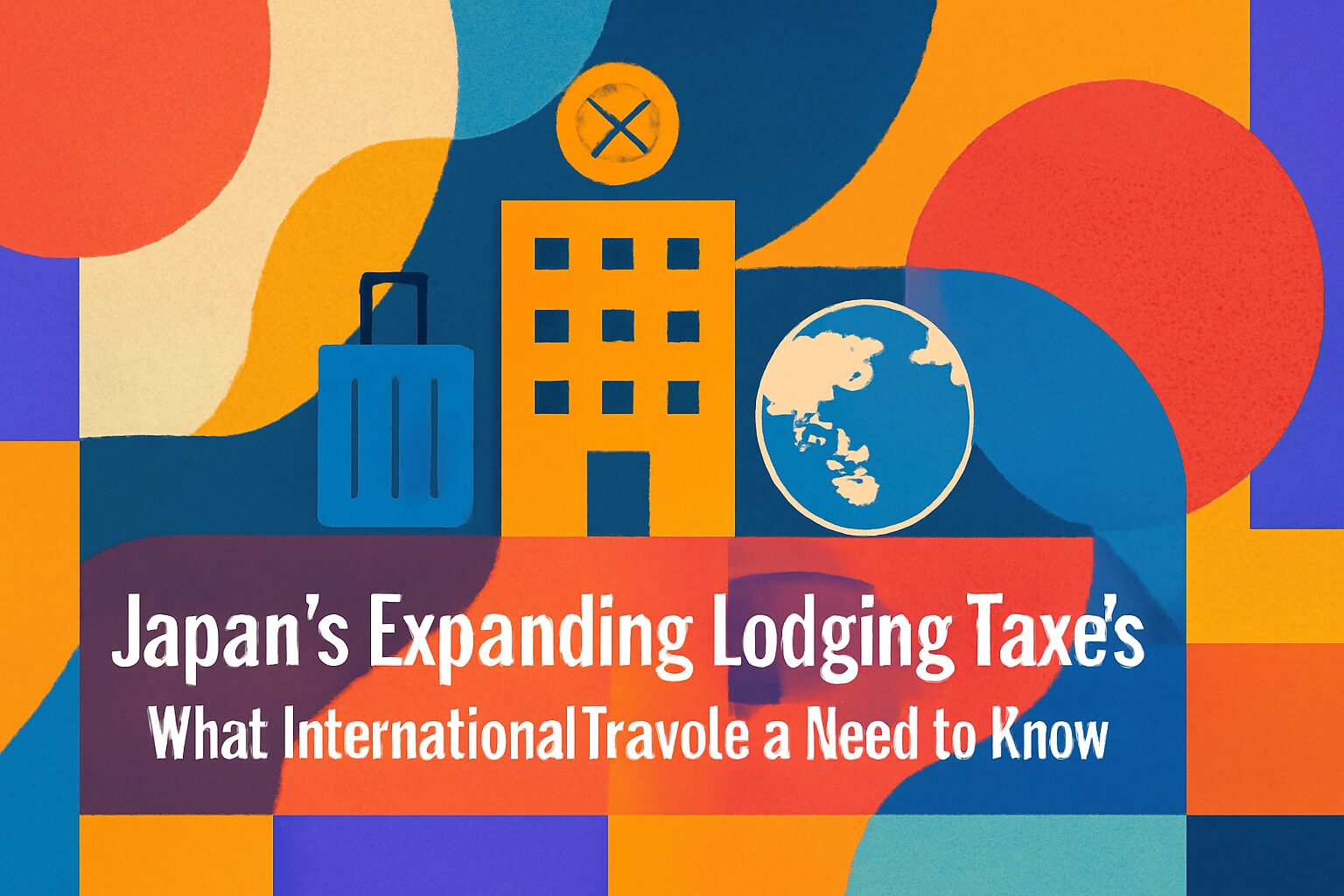
As Japan continues to welcome a record-breaking number of international visitors, several prefectures are set to introduce new lodging taxes, a move that will slightly increase the cost of travel. Starting from April 2026, popular destinations including Hokkaido and Kanagawa will implement these new levies to better manage the impacts of tourism and enhance local infrastructure.
For travelers planning their future trips to Japan, understanding these new costs is essential. Here’s a detailed look at the changes, the background behind them, and what to expect.
The Push for New Taxes: A Response to Overtourism
Japan has experienced a dramatic rebound in tourism since reopening its borders. According to the Japan National Tourism Organization (JNTO), the country welcomed over 25 million visitors in 2023. This trend has accelerated in 2024, with March seeing a record-breaking 3.08 million arrivals in a single month, surpassing pre-pandemic levels for the first time.
While this boom is a significant boost to the economy, it has also placed a heavy strain on public services and infrastructure in popular tourist spots, a phenomenon often referred to as “overtourism.” Issues like crowded public transport, waste management challenges, and wear and tear on cultural sites have prompted local governments to seek new revenue streams dedicated to sustainable tourism.
The new lodging taxes are designed to directly address these challenges. The funds collected will be allocated to projects such as:
- Improving and expanding public transportation.
- Enhancing multilingual support and signage for visitors.
- Maintaining the cleanliness and beauty of tourist areas.
- Preserving historical and cultural assets.
Where Are Lodging Taxes Being Introduced?
This is not an entirely new concept in Japan. Major cities like Tokyo, Osaka, and Kyoto have had a lodging tax in place for years. For instance:
- Tokyo: A tax of ¥100-¥200 per person per night, depending on the accommodation rate.
- Kyoto: A tiered tax ranging from ¥200 to ¥1,000 per person per night.
- Osaka: A tax of ¥100-¥300 per person per night.
The upcoming changes represent a nationwide expansion of this policy. Key regions set to introduce new taxes include:
Hokkaido
Japan’s northern island, famous for its ski resorts and natural landscapes, is planning a prefectural-wide lodging tax. While the exact rate is still under discussion, it is expected to be a modest flat fee per night. This is in addition to local taxes, such as the one being introduced in the world-renowned ski resort of Niseko (Kutchan Town), where a tax of up to ¥2,000 per night will be implemented from November 2024, based on the accommodation price.
Kanagawa Prefecture
Home to popular destinations like Hakone and Kamakura, Kanagawa is also finalizing its plans for a new visitor tax. The goal is to secure funding to improve the visitor experience in these heavily frequented areas just a short trip from Tokyo.
Other regions, including Okinawa, are also actively considering similar measures, signaling a broader trend across the country.
What This Means for Your Travel Budget
The direct impact on travelers will be a moderate increase in accommodation costs. The tax is typically charged per person, per night, and is collected by the hotel or lodging provider at the time of payment.
While the exact amounts for the new prefectures are yet to be finalized, we can estimate the potential cost based on existing models. A tax of ¥200 per night, for example, would add ¥1,400 (approximately $9 USD) to the cost of a one-week stay for a solo traveler. For a family of four, this could amount to an additional ¥5,600 (approximately $36 USD) over a week.
While this may not be a significant expense for most, it’s an important factor to include in your budget planning, especially for long-term stays or group travel.
The Future of Tourism in Japan: A Sustainable Path Forward
The introduction of these lodging taxes marks a strategic shift by local governments towards ensuring the long-term sustainability of tourism. By reinvesting the revenue directly into the tourism sector, Japan aims to strike a balance between economic growth and preserving the very attractions that draw visitors from around the world.
For travelers, this means that while your next trip might cost a little more, the additional fee is a contribution to a better and more sustainable travel experience. In the long run, this could lead to less congested public transport, better-maintained attractions, and a higher quality overall visit.
As you plan your journey to Japan for 2026 and beyond, be sure to check the specific tax regulations for your destination prefectures and factor these small but important costs into your travel budget.