The Connected Traveler’s New Reality in Japan
As international travel to Japan continues its robust recovery, a new blueprint for the perfect trip is emerging, one where technology is no longer just a convenience but a core component of the experience. For creators, influencers, and digital nomads planning a trip to Tokyo in 2026, packing the right gear is as crucial as planning the itinerary. This guide delves into the essential tech that will define a connected and seamless journey through one of the world’s most futuristic cities.
Background: Japan’s Resurgence and the Tech-Reliant Tourist
Japan has seen a phenomenal rebound in tourism since reopening its borders. In 2023, the country welcomed over 25 million international visitors, recovering to nearly 80% of pre-pandemic levels. This surge brings a new generation of travelers who rely heavily on digital tools for navigation, communication, and content creation.
Furthermore, while Japan is a tech-forward nation, its infrastructure has unique characteristics. The prevalence of Type A power outlets, the sometimes-inconsistent nature of public Wi-Fi, and the rapid adoption of cashless payments mean that foreign visitors must come prepared. The modern tourist’s smartphone is their map, translator, wallet, and camera, leading to significant battery drain throughout a long day of sightseeing.
Must-Have Gadgets for the Connected Traveler in 2026
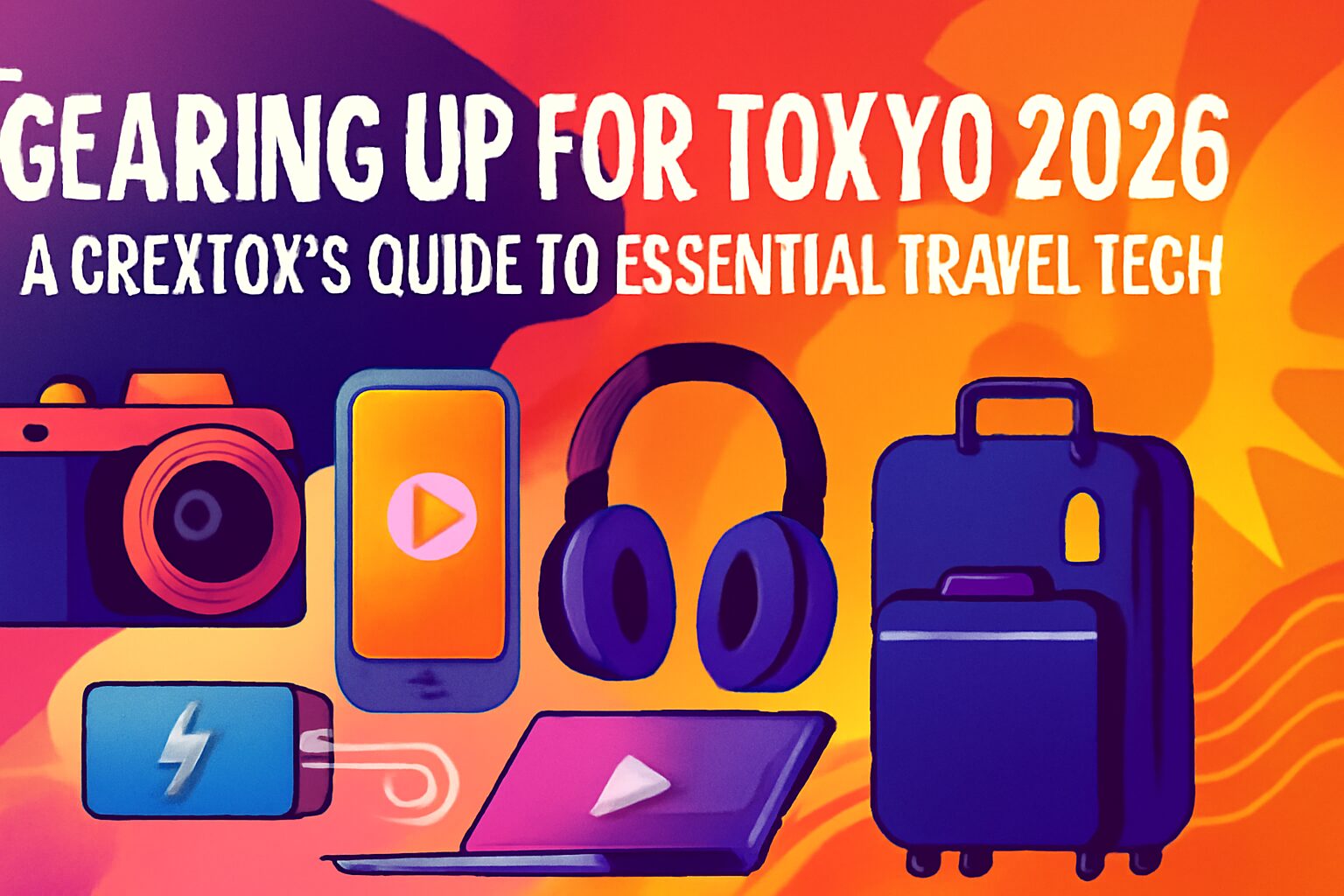
To navigate Tokyo’s dynamic landscape, a few key pieces of technology are non-negotiable. These essentials are designed to tackle the challenges of power, connectivity, and comfort.
High-Capacity Portable Power Bank
A day in Tokyo can start with an early morning visit to Tsukiji Market and end with late-night views from the Shibuya Sky. This extensive exploration demands a reliable power source. A high-capacity portable power bank, preferably 20,000mAh or more, is essential. This ensures that your smartphone, camera, and other devices remain charged, allowing you to use navigation apps, digital transit passes like Suica or Pasmo on your phone, and translation tools without anxiety.
Versatile Universal Travel Adapter
Japan exclusively uses Type A electrical outlets. A simple adapter is not enough for the modern traveler juggling multiple devices. A universal travel adapter with multiple USB-A and USB-C ports is a must. Look for models incorporating Gallium Nitride (GaN) technology, which allows for smaller, more efficient chargers capable of powering everything from your laptop to your headphones simultaneously.
Advanced Noise-Canceling Headphones
The flight to Japan is long for most international travelers. High-quality noise-canceling headphones are vital for arriving rested and ready to explore. They are also indispensable for enjoying content or finding a moment of quiet on Tokyo’s bustling and efficient, yet crowded, public transportation system.
For the Content Creator: Capturing Tokyo’s Essence
For those documenting their journey, the quality of their content is paramount. While high-end cameras are a given, audio often separates amateur content from professional productions.
The Rise of Compact, High-Quality Microphones
The recently released DJI Mic Mini 2 is highlighted as a game-changer for creators on the move. Its compact size and superior audio quality make it perfect for capturing clear commentary and ambient sounds, even in noisy environments like street markets or train stations. Interestingly, the news report notes that the device was acquired locally in Tokyo. This points to a savvy travel strategy: purchasing the latest gadgets in Japan.
Major electronics retailers like Yodobashi Camera and Bic Camera are treasure troves of the newest technology, often available tax-free for tourists. In 2023, spending on shopping constituted 26.7% of all tourist expenditures in Japan, underscoring the country’s appeal as a retail destination for tech enthusiasts.
The Future of Travel Tech and its Impact on Japan Tourism
Looking ahead to 2026, the technology landscape for travelers will continue to evolve. The reliance on physical SIM cards is rapidly diminishing in favor of eSIMs, which offer the convenience of instant activation upon arrival without the need to find a physical store. This trend will make staying connected easier than ever.
We also anticipate the proliferation of more sophisticated AI-powered real-time translation devices, moving beyond smartphone apps to dedicated hardware that further breaks down language barriers. This will empower travelers to engage in deeper, more meaningful interactions and explore off-the-beaten-path destinations with greater confidence.
This technological empowerment will have a profound impact on tourism in Japan. As visitors become more self-sufficient, they are more likely to venture beyond the traditional “Golden Route” of Tokyo-Kyoto-Osaka. This shift will encourage the dispersal of tourism to rural and lesser-known regions, distributing economic benefits more widely and offering travelers a more diverse and authentic experience of Japan. For a successful trip in 2026, a well-packed tech kit will be the key that unlocks it all.