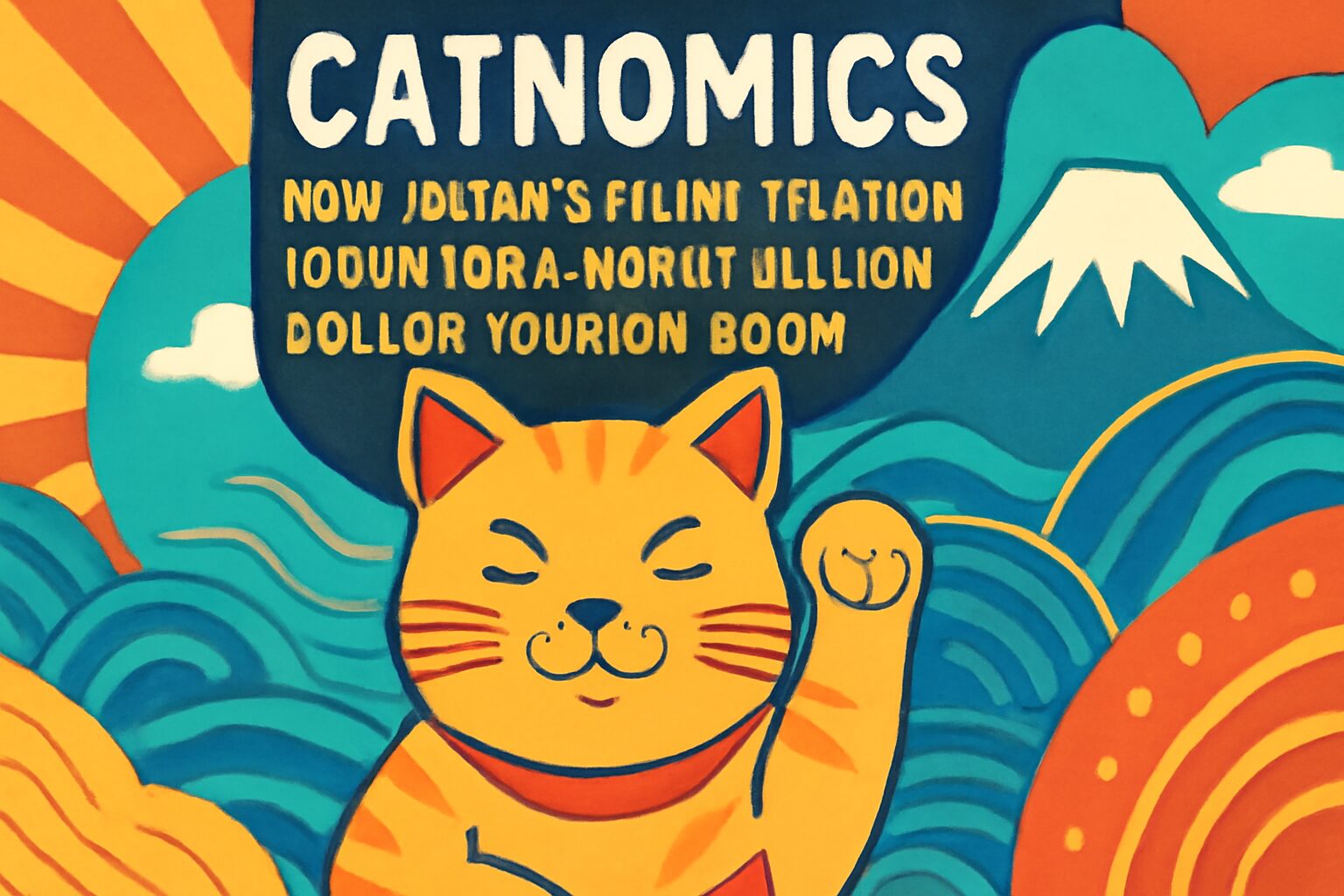
The Purr-fect Economic Engine
In the quiet, nostalgic neighborhood of Yanaka Ginza in north-east Tokyo, a unique economic phenomenon is unfolding. The area, with its Showa-era charm, has become a bustling hub for international tourists. The main attraction? Cats. This growing fascination, dubbed ‘Catnomics’ (a portmanteau of ‘neko,’ the Japanese word for cat, and ‘economics’), is not just a local trend; it’s a powerful economic force expected to generate an astonishing ¥3 trillion ($18.8 billion) for the Japanese economy this year alone. For travelers seeking an authentic and charming slice of modern Japanese culture, this feline-fueled boom offers a fascinating glimpse into how deep-rooted affection can reshape local economies.
A Cultural Backstory: Why Cats Reign Supreme in Japan
Japan’s love affair with cats is anything but new. It’s a bond woven deep into the nation’s cultural and historical fabric. From the iconic Maneki-neko (beckoning cat) figurines believed to bring good fortune, to their frequent appearance in classic ukiyo-e woodblock prints, cats have long been symbols of luck, protection, and companionship.
This cultural reverence has translated into modern-day pet ownership trends. In a country facing a declining population and an increasing number of single-person households, cats have become the pet of choice. According to the Japan Pet Food Association’s 2023 survey, the number of pet cats in Japan has surpassed dogs, with many citing their independent nature and suitability for apartment living as key reasons. This widespread affection forms the bedrock of the ‘Catnomics’ phenomenon, creating a massive consumer base for everything from cat-themed cafes to high-end pet products.
Yanaka Ginza: A Living Case Study
Yanaka Ginza serves as a perfect microcosm of ‘Catnomics’ in action. Visitors strolling down its main shopping street are greeted by a delightful feline theme at every turn. Local shops sell cat-shaped senbei (rice crackers) and taiyaki (fish-shaped cakes), while boutiques offer handcrafted feline-themed accessories. Sculptures of cats adorn rooftops, and, of course, the neighborhood’s friendly stray and resident cats are often seen lounging in the sun, happy to be admired by tourists.
This organic, community-driven attraction has turned a once-quiet residential area into a must-visit destination for international travelers. The boom provides a vital lifeline for small, family-run businesses, allowing them to thrive by catering to a global audience drawn by the universal appeal of cats.
The Future and Impact of Cat-Fueled Tourism
As Japan continues to welcome back international tourists, ‘Catnomics’ is poised to become an even more significant driver of the travel industry. The success of places like Yanaka Ginza and dedicated “cat islands” such as Aoshima and Tashirojima highlights a growing demand for niche, culturally-specific travel experiences.
What This Means for Travelers and Japan
This trend suggests a future where more travelers will seek out unique local experiences beyond the well-trodden paths of Tokyo and Kyoto. We can anticipate the emergence of new cat-themed attractions, tours, and merchandise across the country, as other regions look to replicate this success. For Japan’s economy, particularly in rural or aging communities, ‘Catnomics’ offers a sustainable model for revitalization by leveraging a beloved cultural asset.
However, the rapid growth also brings challenges, such as ensuring the welfare of the animals and managing the impacts of over-tourism in small neighborhoods. Responsible tourism will be key to ensuring this charming trend remains a positive force for both the local communities and their feline residents.
For now, the message is clear: Japan’s deep-rooted love for cats is not just a cultural quirk but a formidable economic powerhouse, turning quiet corners of the country into global hotspots and proving that sometimes, the softest power comes on four paws.