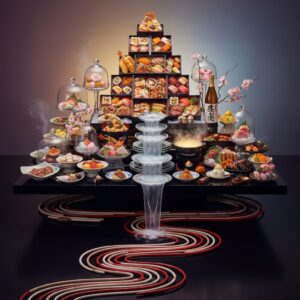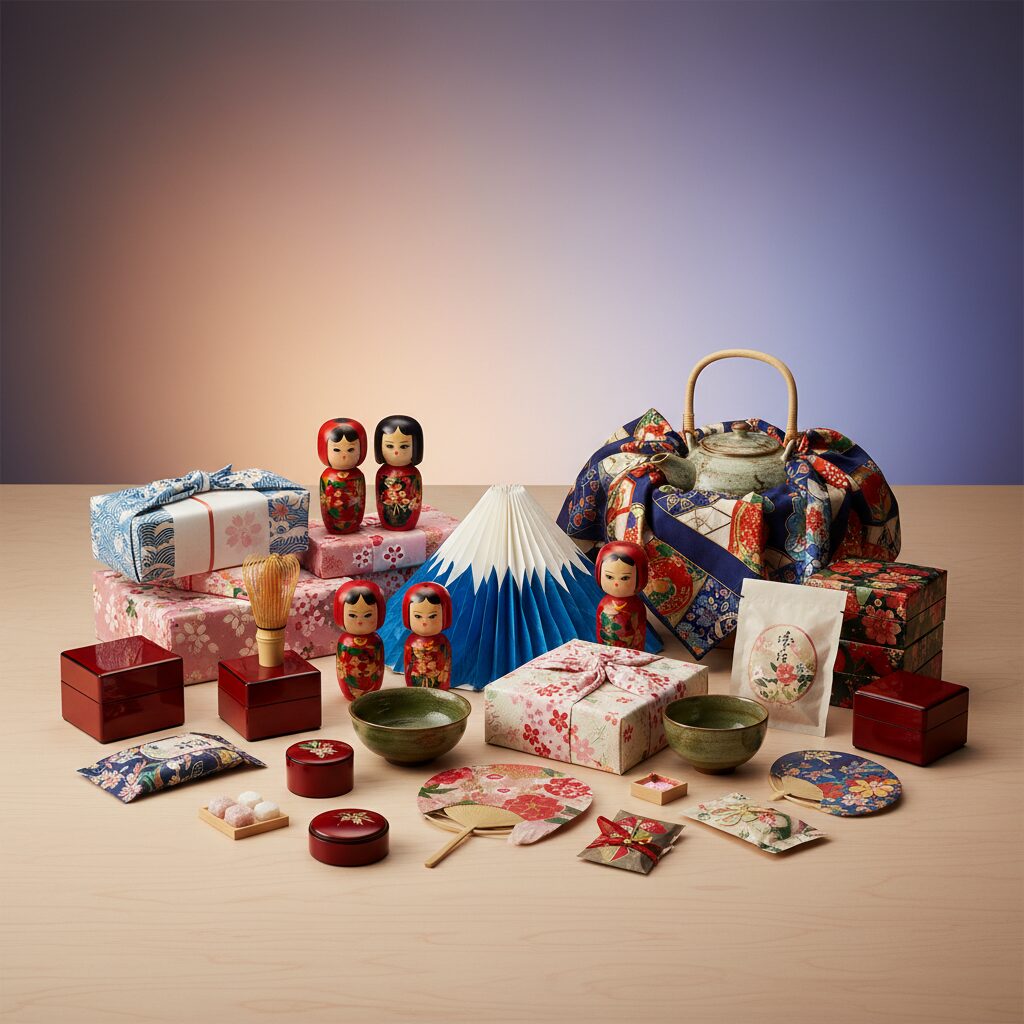
Walk into any Japanese office on a Monday morning, and you’re likely to witness a quiet, unassuming ritual. A colleague who was away on vacation or a business trip will approach their team, offering a beautifully designed box. Inside, you won’t find a single, grand souvenir, but rather a dozen or more individually wrapped cookies, cakes, or rice crackers. Everyone takes one, murmurs a word of thanks, and the day continues. To an outsider, it looks like a simple, kind gesture. A bit of workplace pleasantry. But this act, known as giving omiyage, is anything but simple. It’s a deeply ingrained social obligation, a powerful piece of cultural code that says far more than “I brought you a snack.”
This isn’t about bringing back a souvenir. A souvenir is for you—a magnet for your fridge, a t-shirt for your closet. It’s a selfish act of memory-making, a tangible proof that says, “I was here.” Omiyage, on the other hand, is entirely for others. It’s a gift that says, “I was thinking of you while I was away.” It’s an apology for your absence, a token of gratitude for those who held down the fort, and a crucial lubricant for the gears of Japanese social harmony. It’s a small, edible reaffirmation of your place within the group. Understanding omiyage means understanding the invisible threads of duty, gratitude, and mutual consideration that bind Japanese society together. It’s a story told not with words, but with a box of perfectly packaged local sweets.
This profound attention to presentation in omiyage is mirrored in other Japanese customs, such as the intricate art of straw wrapping ancient trees and rocks, which further reflects the nation’s commitment to aesthetics and tradition.
More Than a Memento: The Fundamental Difference
The distinction between a souvenir and omiyage is the first and most essential lesson. The English term “souvenir,” derived from the French word meaning “to remember,” focuses on the self. You purchase it to preserve your own memories of a place. The item’s value is personal and connected to your experience. In contrast, an omiyage is selected with the recipient clearly in mind. Its purpose is relational rather than nostalgic.
The word itself tells a story. It is written with the characters 土産, which literally mean “local product.” The honorific prefix “o” is added to elevate its status, indicating its significance. This isn’t just any product; it’s a special gift from another region, chosen thoughtfully. The primary role of omiyage is to share your travel experiences with your community. Since you can’t physically bring your colleagues to the hot springs of Hakone or the temples of Kyoto, you bring them a taste of the place instead. This gesture symbolically reunites you with the group after your temporary absence. It serves as a way of saying, “Although I was away, I remain part of this circle, and here is the proof.” It smooths over any disruption your absence may have caused, effectively serving as a preemptive apology and a thank you, all in one.
Consider it like this: a souvenir is a monologue about your past, whereas an omiyage is a dialogue about your present relationship with others. One is a trophy; the other, a bridge.
The Unspoken Rules of the Omiyage Game
Like many aspects of life in Japan, the practice of omiyage is governed by a complex set of unspoken rules. Mastering this social custom is a sign of cultural understanding. It’s not merely about purchasing a gift; it’s about selecting the right gift for the right people in the right manner.
Who Gets What? The Circle of Obligation
First, omiyage isn’t given to everyone you know. The obligation is reserved for your primary social circles, where harmony and mutual support are essential. The most important recipients are usually your workplace associates. Your colleagues, and especially your boss, rank highest because they are most affected by your absence, often taking on extra tasks or covering your duties.
Beyond the office, the circle widens to include close family members. Then, perhaps, a neighbor who cared for your cat or a close friend you frequently see. This system aligns perfectly with the Japanese concept of uchi-soto (inside vs. outside). Omiyage is given to your uchi groups—the people “inside” your core social network. Offering omiyage to a casual acquaintance (soto) is seen as unusual and even burdensome, as it may impose an unwanted reciprocal obligation.
This explains why the traditional omiyage is a large box containing individually wrapped items. It’s an ingenious solution for group gifting, allowing one elegant gift to be equally and easily divided among a dozen people without anyone feeling overlooked or singled out. It’s democratic, efficient, and avoids any discomfort.
The Art of Choosing the Right Gift
Selecting the omiyage itself is a nuanced art. The aim isn’t to impress with extravagance but to demonstrate thoughtfulness and care. Several key criteria define a perfect omiyage.
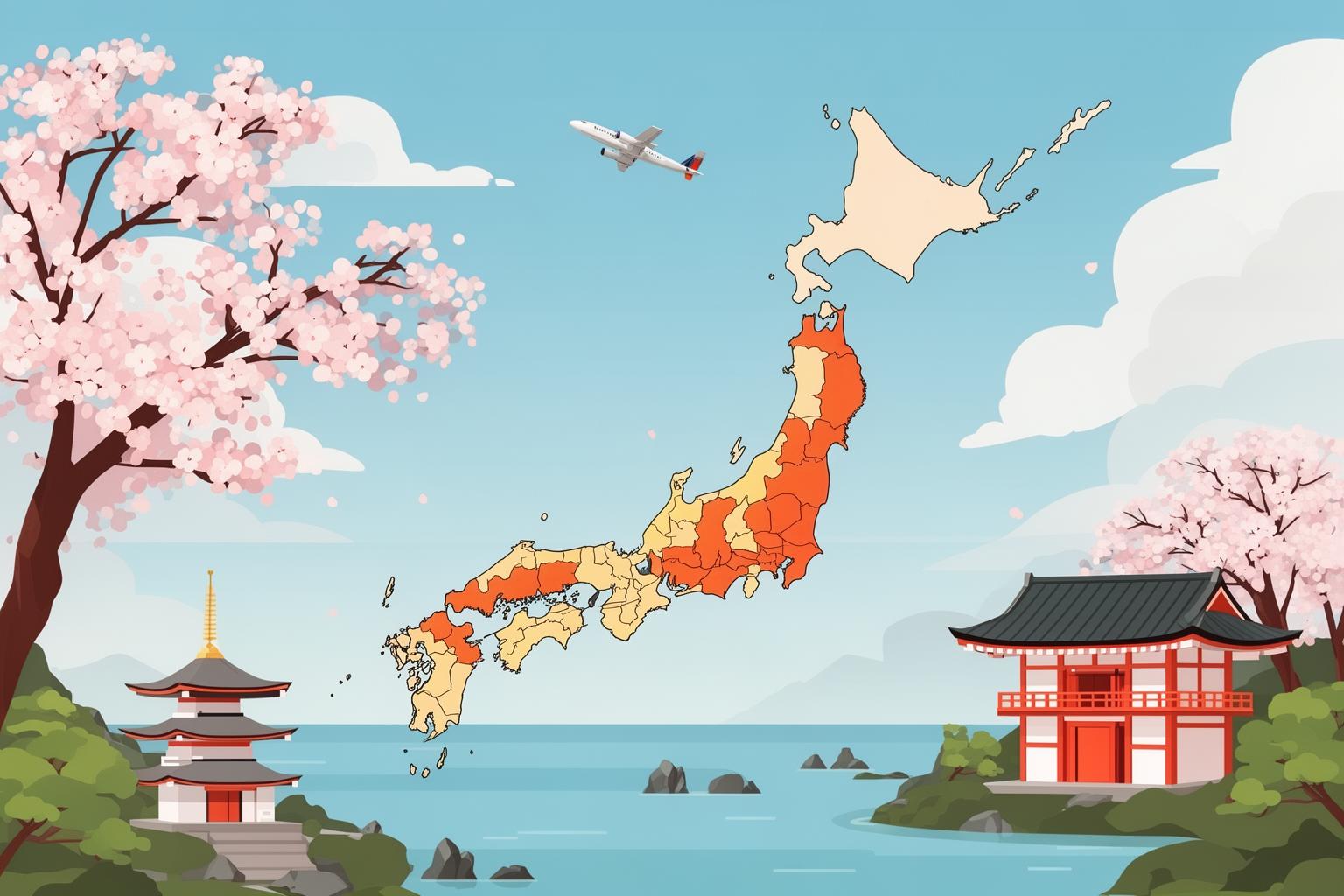
First and foremost, it must be a local specialty, a meibutsu (名物). The gift should clearly represent the place you visited. From Hokkaido? It’s got to be Shiroi Koibito cookies. From Tokyo? Tokyo Banana sponge cakes are the go-to. From Kyoto? Something with matcha, like Yatsuhashi crackers, is the standard. Giving something generic that could be bought anywhere defeats the purpose entirely. It signals laziness and a lack of engagement with the spirit of the tradition.
Second, it should almost always be consumable, preferably food. This is crucial. Non-consumable gifts, like keychains or trinkets, create clutter and place a burden on the recipient who must find a place for it, display it, and maintain it. Such permanent items create lasting, low-level obligations. Food, by contrast, is a temporary delight—it is enjoyed and gone, completing the social exchange without fuss or clutter.
Third, as noted, it must be individually wrapped. This is essential for office omiyage. Individual wrapping is practical for sharing, hygienic, and allows people to take a portion to their desk for later. A single large cake that requires cutting and serving becomes a logistical headache and social misstep.
Finally, presentation is crucial. The quality of the packaging (hōsō) is often as important as what’s inside. Omiyage boxes are beautifully crafted—often wrapped in elegant paper and adorned with decorative ribbons. This attention to aesthetics conveys respect and sincerity, with the care put into wrapping reflecting the care invested in the relationship.
Historical Roots: From Shrine Offerings to Office Snacks

This seemingly contemporary corporate custom actually has surprisingly deep historical and religious origins. The practice of omiyage can be traced back centuries to the tradition of religious pilgrimages. In a time when long-distance travel was difficult and uncommon, trips to sacred sites such as the Ise Grand Shrine were significant life events.
Villages would often pool their resources to send a single representative on their behalf. This pilgrim traveled not just for themselves, but for their entire community. Upon returning, they were expected to bring back proof of their journey along with a share of the blessings from the shrine. These early omiyage were not snacks but religious charms (omamori), blessed rice paper (ofuda), or other sacred items from the shrine. They were regarded as gifts from the gods, distributed among the villagers to share the divine protection and merit of the pilgrimage.
This established the essential pattern: a person travels as a representative of a group left behind and brings back a tangible item from their destination to share. As travel became more accessible during the Edo period (1603–1868) with the development of major highways, the practice evolved. Travelers on routes like the Tōkaidō began bringing back not just religious talismans but also famous local products—meibutsu—from various post towns along the way. Each region developed a reputation for a particular craft or food item, which became the preferred gifts for travelers.
The modern form of omiyage was truly solidified in the post-war era with the rise of the “salaryman” and the boom in domestic tourism enabled by the Shinkansen bullet train. The office became the new village, and business trips or family vacations replaced religious pilgrimages. The core social principle, however, remained unchanged: travel, return, and reaffirm your connection to the group with a local gift.
The Omiyage Economy: A Billion-Yen Industry
Make no mistake, omiyage is not merely a charming cultural tradition; it’s a massive industry. Every train station, airport, and tourist spot in Japan is anchored by expansive, brightly lit omiyage shops. These stores are not incidental; they form a primary and vital part of the travel infrastructure.
Step into the main concourse of Tokyo Station, and you’ll be greeted by a dazzling, almost overwhelming, variety of omiyage options. Dozens of vendors compete for your attention, their stalls stacked high with pristine boxes of every imaginable confection. Staff call out greetings, offering free samples on toothpicks. The products are crafted with meticulous precision to satisfy every omiyage need. They are region-specific, available in various sizes to suit different office groups, impeccably packaged, and have a reasonably long shelf life.
These shops are a traveler’s saving grace, catering specifically to the last-minute panic every Japanese person experiences at the end of a trip: “Shimatta! Omiyage wasureta!” (“Oh no! I forgot the omiyage!”). Forgetting is a serious social faux pas, and these stores provide a convenient, one-stop solution to fulfill one’s social obligation before returning home. The sheer scale of this market illustrates just how deeply ingrained the omiyage expectation is. It’s not a voluntary act of kindness; it’s a social and economic imperative.
The Psychology of Giving and Receiving
To fully understand the significance of omiyage, it is essential to examine the cultural psychology that underpins it. This practice perfectly embodies several important Japanese social concepts.
The first is giri (義理), commonly translated as “duty” or “social obligation.” Giri refers to the intricate network of reciprocal responsibilities that shape relationships in Japan. Giving omiyage after a trip is an expression of giri. It is the expected and proper action to maintain good relations with colleagues or neighbors. The absence creates a debt, and the omiyage serves as the repayment. Ignoring this obligation signals a lack of respect for the relationship and disrupts group harmony.
Closely related is kikubari (気配り), the skill of anticipatory consideration. Kikubari involves understanding a situation and acting thoughtfully without being prompted. Selecting a suitable omiyage—one that is easily shared, represents the destination, and is attractively packaged—is a strong demonstration of kikubari. It reflects your awareness of the recipients’ needs and feelings, enhancing your image as a thoughtful and socially perceptive individual.
Lastly, the exchange of giving and receiving completes an important social cycle. The giver meets their obligation, and the receiver accepts with gratitude, often accompanied by a slight bow and a phrase such as “Osore-irimasu” (a polite expression implying, “You shouldn’t have”). The emphasis lies not on the gift’s monetary worth, but on the sentiment and the successful enactment of the social ritual. This reaffirmation preserves harmony and stabilizes the group dynamic. In a culture that highly values smooth interpersonal relationships and collective well-being, the humble omiyage carries significance far beyond the contents of the box.
So, the next time you see that box circulated in a Japanese office, you’ll understand its true meaning. It isn’t merely a snack. It is a thoughtfully chosen symbol, a historical reminder of ancient pilgrimages, an important part of the national economy, and a deeply meaningful act of social upkeep. It quietly and deliciously confirms that a traveler has returned and that their place within the group is once more secure.