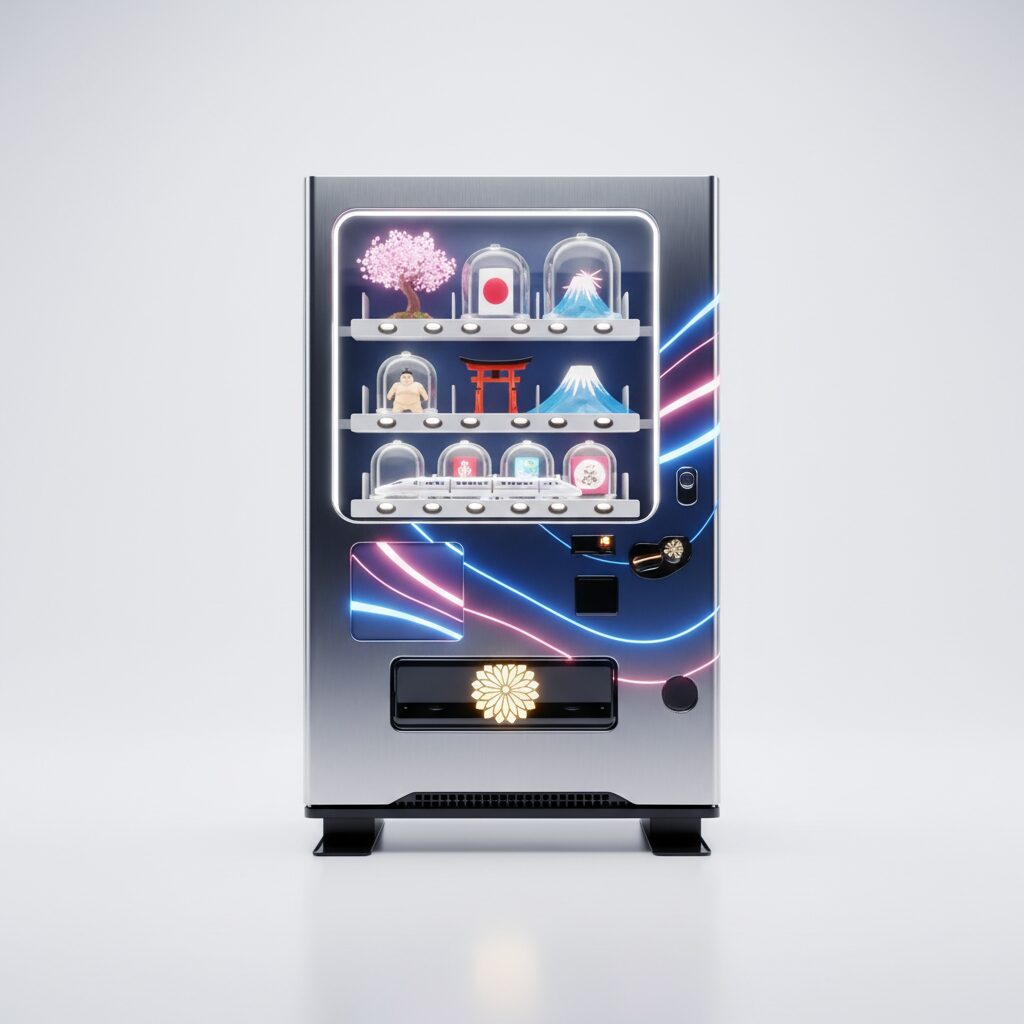
You see them everywhere, and at first, it’s just a novelty. A glowing beacon of convenience on a quiet street corner. Then, the novelty gives way to genuine surprise at their sheer numbers. They stand in disciplined rows in train stations, huddled together in dedicated urban alcoves. They pop up, solitary and surreal, next to rural shrines, in the middle of bamboo groves, and on desolate mountain passes where you haven’t seen another person for an hour. I’m talking about Japan’s vending machines, the jihanki (自動販売機).
It’s easy to dismiss them as a simple quirk, another tick on the list of things that make Japan seem futuristic or eccentric. Many visitors fixate on the oddball items you can occasionally find—canned bread, novelty toys, hot ramen—and file it away under the broad, unhelpful category of “Weird Japan.” But that misses the point entirely. The most remarkable thing about Japan’s vending machines isn’t what they sell, but where they are, and the simple, profound fact that they are left completely untouched. These silent, humming salesmen are more than just a convenience; they are a physical manifestation of the country’s social fabric. They are monuments to a level of public safety and social trust that can feel almost utopian to an outsider. To understand them is to understand a core pillar of modern Japanese society.
This quiet attention to balance in everyday infrastructure is echoed in the reflective aesthetics of zen gardens, which offer another window into Japan’s deep-rooted cultural harmony.
The Unblinking Eye of Ubiquity

Let’s begin with the scale, as it’s difficult to overemphasize. Although the number is gradually declining due to the growth of convenience stores, millions of vending machines still exist throughout the archipelago. This translates to an incredible density, roughly one machine for every 30 to 40 people. They are so deeply embedded in the environment that they blend into the everyday background, as familiar as postboxes or traffic lights.
Consider where they are located. Not only in brightly lit, busy areas but also in spots that would be considered risky anywhere else. I’ve purchased a hot coffee from a machine in a dimly lit, ungated parking garage late at night. I’ve noticed them standing alone at the end of a residential alleyway, their lights casting a soft glow on the sleeping homes nearby. In my home country of Canada, or the United States, a box stocked with merchandise and cash, left unattended in such a place, would only last a few hours, not decades. It would quickly be broken into, smashed, or vandalized.
In Japan, this almost never occurs. The machines remain spotless. The glass is clear, the buttons respond smoothly, and the coin slots aren’t clogged with foreign objects. They are maintained with quiet efficiency by neatly uniformed workers who restock, clean, and collect the money—all in full view. This isn’t because the machines are built like safes. It’s because there is a deeply rooted, unspoken social agreement not to tamper with them. They belong to the public commons, and the respect shown toward them directly reflects the low rates of petty crime and vandalism that make Japan one of the safest countries in the world.
A Universe of Choice, Hot and Cold
While the primary purpose of the jihanki is social, the astonishing variety of its offerings provides a masterclass in Japanese consumer culture. The most common machines, naturally, dispense drinks. Yet even these represent a small miracle of engineering and market insight. A single machine offers both hot and cold beverages, clearly indicated with red and blue labels. In the depths of winter, nothing is more comforting than grabbing a steaming can of sweet milk coffee or corn potage soup to warm your hands before facing the cold. During the sweltering, humid summer, an ice-cold green tea or sports drink feels like a lifesaver.
The selection is vast. You’ll find dozens of tea varieties, from traditional green and barley to oolong and jasmine. There’s an entire spectrum of coffee, from black coffee to creamy lattes and espresso shots. Fruit juices, sodas, and vitamin-enriched energy drinks fill out the remainder of the space. It’s a liquid landscape designed to cater to every taste and need.
But it goes beyond drinks. Machines selling ice cream are a welcome sight on hot days. In some train stations, fresh fruit, such as sliced apples in a bag, promotes a healthy snack option. Others offer dashi, the essential soup stock of Japanese cuisine, in elegant glass bottles. In more rural or specialized areas, you might find machines dispensing fresh eggs from local farms, bags of rice, or even hot food like french fries, takoyaki, or noodles. And yes, some machines sell beer and sake, though these are becoming less common and often shut down late at night to discourage underage drinking.
The point isn’t novelty. It’s the assumption that someone might need any of these items at any time, and that an automated system can be trusted to supply them. This unwavering commitment to meeting any potential need is the driving force behind Japanese convenience culture.
The Bedrock of Social Trust
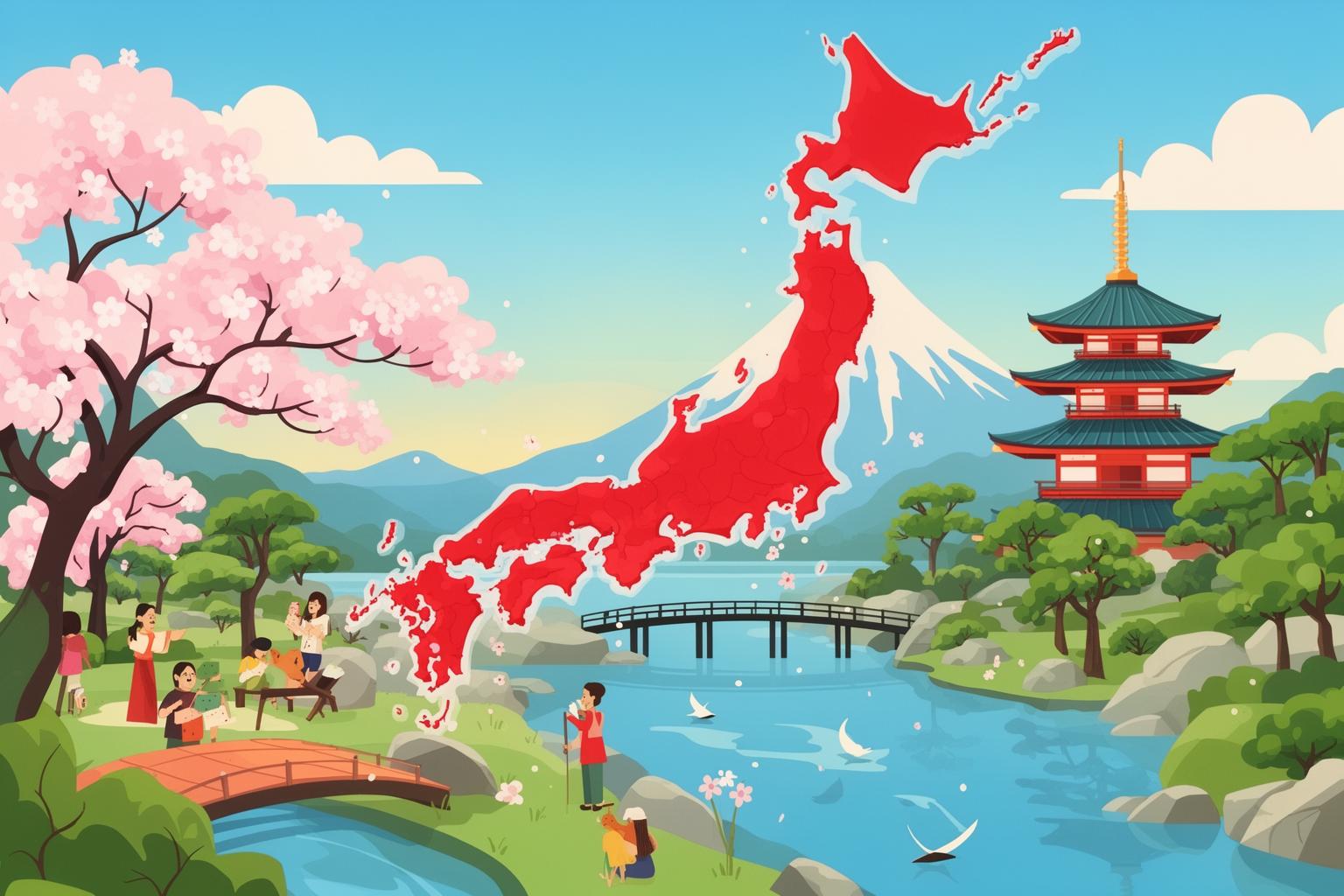
So, why does this system function so effectively here? It’s not solely due to low crime rates. It’s rooted in a deeper idea: social trust. The entire vending machine ecosystem relies on a network of implicit trusts.
First, the consumer trusts the machine. They believe the product shown will be the one dispensed. They trust the drink will be at the right temperature, the food will be fresh, and the machine will correctly return their change. This trust is well-deserved; Japanese vending machines are exceptionally reliable. The frustration of losing money to a machine is a rare event.
Second, the business owner trusts the public. They place valuable equipment and inventory on a public street, fully expecting it to remain intact the following day. They trust that people will use it properly and not attempt to break into it. This represents a significant leap of faith in many parts of the world, but in Japan, it is simply a routine business decision.
Lastly, there is trust among members of the public. People wait their turn without pushing or cutting in line. If a machine malfunctions and someone struggles, it’s common for a stranger to stop and assist. The area around the machine is kept clean. Piles of empty cans and bottles rarely accumulate because people either take their trash with them or use the nearby recycling bins. It reflects a small-scale example of how public space is collectively cared for.
This network of trust creates a smooth, frictionless experience that makes life slightly easier. It’s a system that can only thrive in a society with strong social cohesion and a shared sense of responsibility for the communal environment.
More Than Just Machines: Economic and Cultural Drivers
The vending machine’s prominence is not solely cultural; it also stems from particular economic and geographic factors. Japan’s high population density, especially in urban areas, ensures there is always a customer nearby. With real estate being costly, vending machines provide a clever way to generate income from tiny, otherwise unusable patches of land. You frequently find them squeezed into narrow gaps between buildings, producing passive revenue from a space no larger than a closet.
Additionally, Japan has traditionally faced high labor expenses. A vending machine is an ideal worker: it operates around the clock, needs no wages or benefits, and never takes sick days. It embodies the pinnacle of automation and efficiency, values that have propelled much of Japan’s post-war economic growth.
Beyond the economic rationale, the jihanki fulfills a more nuanced, almost emotional function in both urban and rural settings. On a dark night, the warm glow of a vending machine offers comfort, a small beacon of light and civilization. It serves as a landmark, a rendezvous point. For locals, its familiar hum is part of the neighborhood’s auditory backdrop. It stands as a quiet guardian, reassuring you that even during the stillest hours, a small comfort is close at hand.
The Future of Convenience
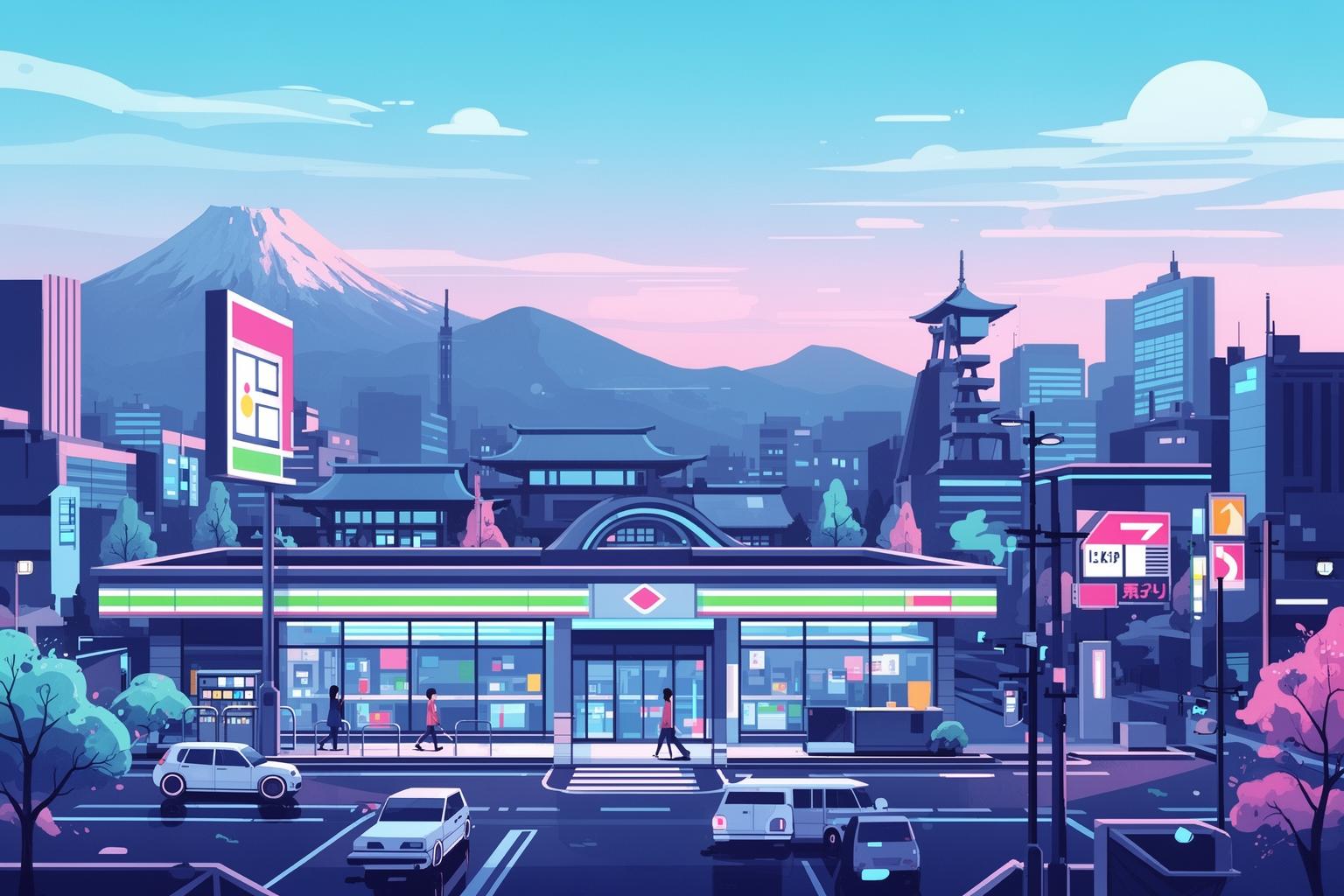
The golden age of the vending machine might be gradually fading. The unmatched convenience of the Japanese konbini—the 24-hour convenience store—poses a significant challenge. A konbini provides not only drinks and snacks but also hot meals, banking services, bill payments, and clean restrooms. The human touch, combined with a much wider variety of products, is a strong attraction.
However, it would be wrong to predict the end of the jihanki. They are evolving. Many now include large digital screens displaying animated advertisements. The use of cashless payments with transit cards like Suica or Pasmo has made transactions even quicker. Specialized machines, tailored to niche preferences or specific locations, continue to appear. They will probably endure because they serve a niche that even the powerful konbini cannot: instant, hyper-localized access. There will always be a need for a cold drink right on the train platform, or a hot coffee just outside the office door.
In the end, the Japanese vending machine is a cultural symbol. It tells a story far greater than its contents. It reflects a society that values convenience, yes, but one that has built that convenience on a foundation of safety, mutual respect, and an unspoken pact to care for the shared spaces we all occupy. The next time you stand before one, take a moment. Observe the quiet alley, the empty platform, the sleeping neighborhood. The fact that this machine is here, functioning perfectly, stocked with goods and money, is no coincidence. It is a quiet, profound testament to the society that created it.