Most of the world operates on a four-season clock. Spring, summer, autumn, winter. It’s a familiar, reliable rhythm. We know what to expect. Spring is for renewal, summer for heat, autumn for color, winter for cold. But in Japan, this broad-strokes approach feels almost comically imprecise, like trying to paint a detailed portrait with a house-painting roller. The Japanese cultural calendar is tuned to a much finer frequency, one that divides the year not into four, but into seventy-two distinct periods. Yes, seventy-two.
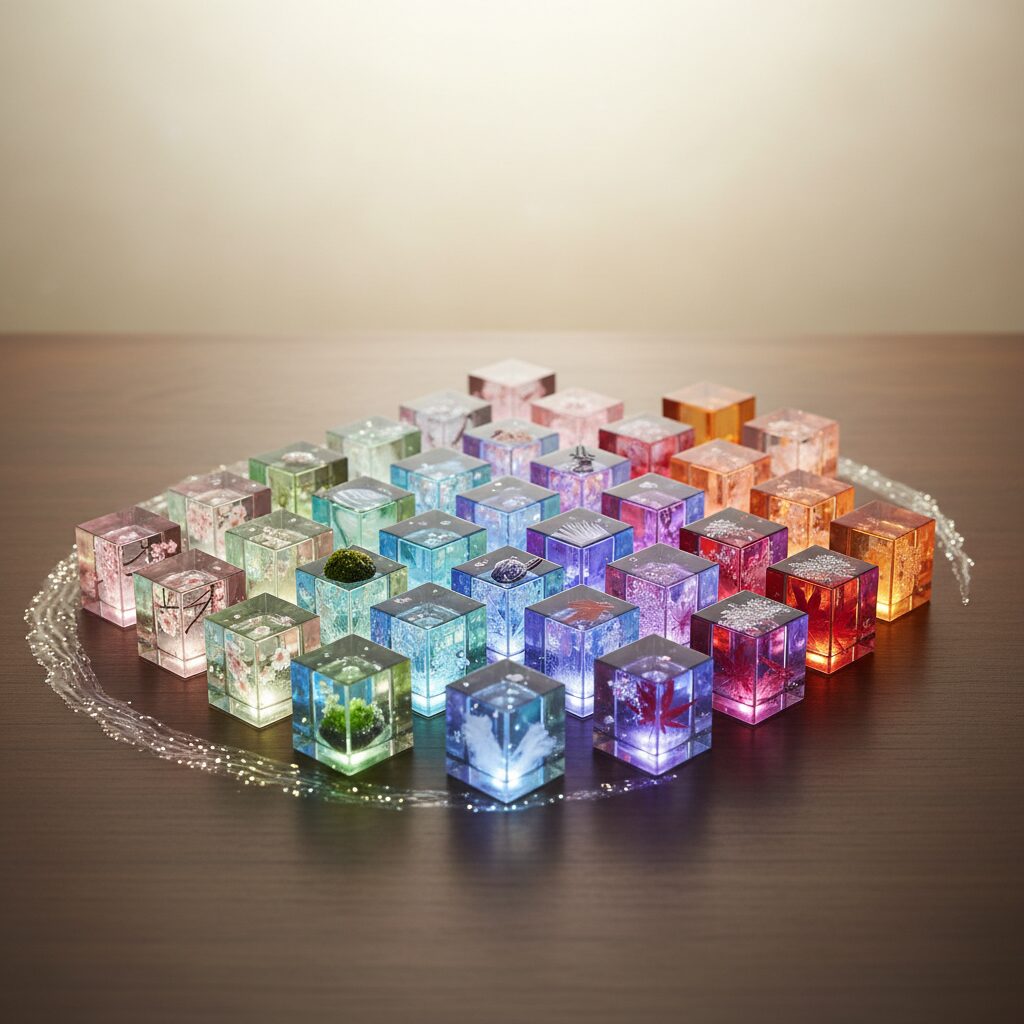
This isn’t just a quirky historical artifact. It’s a living framework for perception known as the shichijūni kō (七十二候), or the 72 micro-seasons. Each lasts about five days and has a name that describes the specific, observable change happening in the natural world at that very moment: “East Wind Melts the Ice,” “First Peach Blossoms,” “Crickets Start Chirping in the Walls.”
When people first hear this, the reaction is often a mix of fascination and bewilderment. Why this obsession with detail? Why track the year in five-day increments? The answer gets to the very heart of the Japanese mindset, a concept called kisetsukan (季節感). This isn’t just “seasonal awareness”; it’s a deep, intuitive, and almost spiritual sense of the season that permeates every aspect of life, from food and art to conversation and commerce. Understanding this granular approach to time isn’t just about learning a new calendar; it’s about discovering a profoundly different way of paying attention to the world. It’s the secret code that, once deciphered, makes so much about Japanese culture suddenly click into place.
This deep cultural sensitivity toward nature intriguingly contrasts with Japan’s modern work environment, where excessive commitment sometimes results in profound personal costs.
The Calendar of Noticing
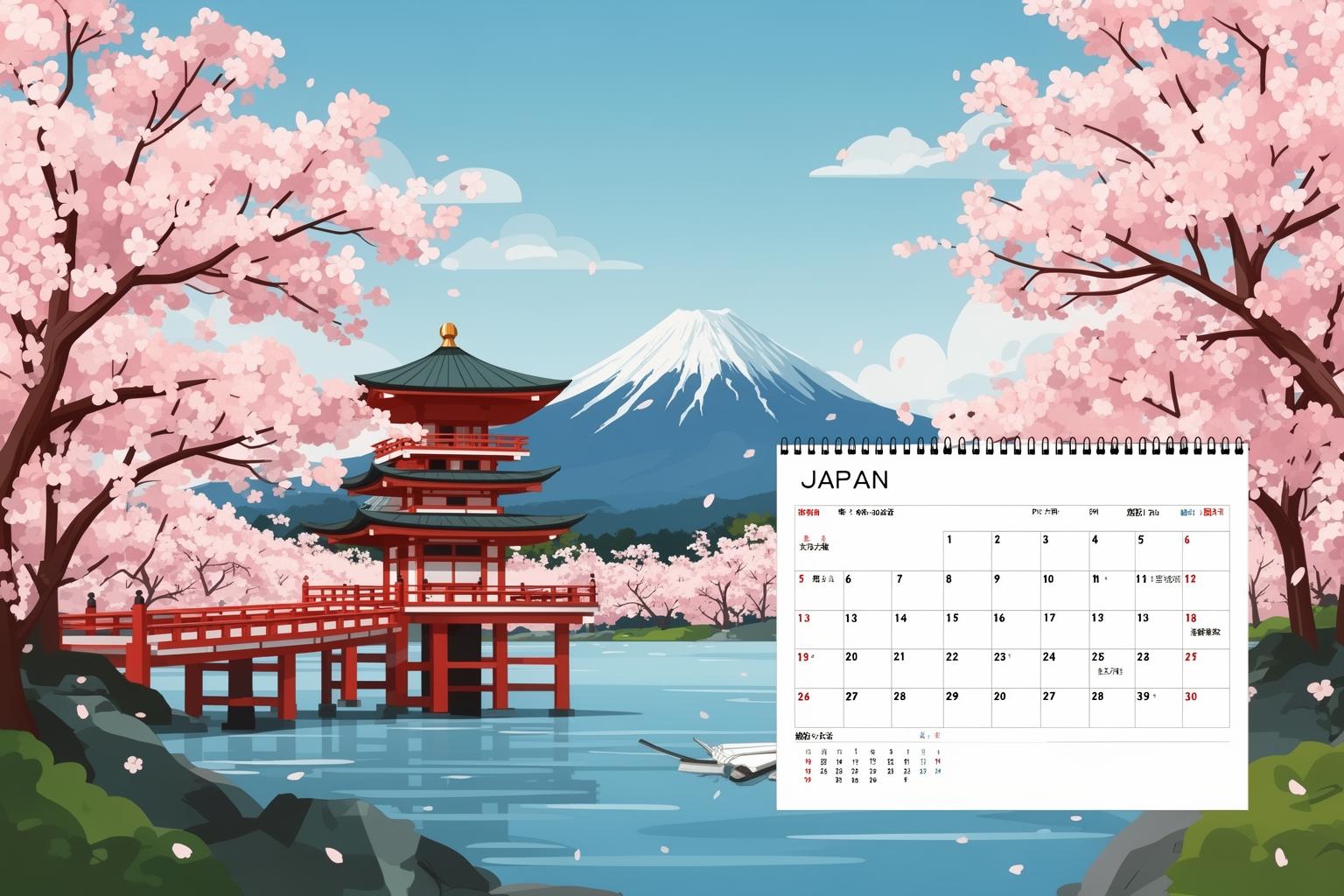
Let’s clarify the basics. This system isn’t some random invention; it’s a refined and elegant creation. The 72 micro-seasons are embedded within a broader structure of 24 major solar terms, or sekki (二十四節気), originally brought over from ancient China. This framework marks key points in the solar year, such as the equinoxes and solstices. But while China had its own set of micro-seasons, Japan adapted the concept and completely reimagined it to suit its distinct climate and natural surroundings. The outcome is a poetic yet practical guide to the subtle changes across the Japanese archipelago.
The year is divided into 24 solar terms, each further split into three five-day phases, creating the 72 kō. What gives them their power is their descriptive, phenomenological quality. They aren’t abstract astrological concepts; rather, they are direct observations.
Take the shift from winter to spring as an example. Instead of a single vague starting point for “spring,” the calendar offers a gradual, unfolding story:
- Around February 4th: Harukaze kōri o toku (東風解凍) – The East Wind Melts the Ice. This is more than a poetic phrase; it marks the arrival of gentle spring winds from the Pacific, literally beginning to thaw the land.
- Around February 19th: Tsuchi no shō uruoi okoru (土脉潤起) – Rain Moistens the Soil. The frozen earth softens enough to receive the first spring rains, preparing it for new life.
- Around March 5th: Sugomori mushi to o hiraku (蟄虫啓戸) – Hibernating Insects Emerge. A clear, tangible event: the ground has warmed enough for hidden insects to start stirring.
Each name acts as a prompt, inviting you to look around and observe. It’s a calendar that asks, “Have you noticed this yet?” This continues throughout the entire year. You move from “First Cherry Blossoms” to “Rainbows First Appear,” from “Great Rains Sometimes Fall” to “Cotton Flowers Begin to Bloom.” It tracks the arrival of particular birds, the budding of specific plants, and the behavior of fish. In essence, it serves as a national curriculum in mindfulness.
Kisetsukan: A Sixth Sense for Time
The 72 micro-seasons represent the pinnacle of kisetsukan, yet it is the feeling itself that truly holds significance. Kisetsukan is the cultural tapestry woven from these delicate seasonal strands. It’s the shared intuition that allows a simple mention of the “scent of daphne” in a letter to instantly evoke late winter, or lets a chef recognize that the subtle bitterness of a mountain vegetable perfectly awakens the palate after a long, cold season.
This seasonal sensitivity is most poignantly expressed in two primary realms: food and art.
The Religion of Shun
Within Japanese cuisine, one concept holds supreme importance: shun (旬). Shun denotes the peak season of a particular ingredient, the precise moment when it is at its fullest flavor and nutritional value. Consuming shun is more than a culinary choice; it’s a communion with nature. It involves harmonizing your body with the rhythm of the year.
This concept extends well beyond simply eating strawberries in summer. Japanese cuisine further breaks down the peak season into three phases:
- Hashiri: The initial appearance of an ingredient, often celebrated for its novelty and the excitement it brings. The flavor may be a bit sharp or underdeveloped, but it carries the thrill of the new season.
- Shun (or Sakari): The core of the season, when the ingredient is plentiful, affordable, and at its absolute flavor peak. This is when its true essence emerges.
- Nagori: The lingering end of the season. Consuming an ingredient in its nagori phase is a bittersweet experience—a final chance to savor its taste before bidding it farewell for another year.
This attention to detail is pervasive. A high-end sushi chef knows the exact few weeks in autumn when the fat content of sanma (Pacific saury) is ideal for grilling. Supermarkets proudly display the first takenoko (bamboo shoots) of spring, their earthy aroma signaling the definitive end of winter. The 72-season calendar serves as a high-resolution guide on this culinary voyage, marking when the smelt begin to swim or the first salmon return to the rivers.
Art That Breathes with the Seasons
This profound seasonal consciousness also drives traditional Japanese art, most famously the haiku. A haiku is not merely a 5-7-5 syllable poem; it must include a kigo (季語), or “season word,” which anchors the poem in a specific time of year.
A word like hotaru (firefly) instantly conjures a humid, late summer evening by the water. Kōrogi (cricket) evokes the crisp, lengthening nights of early autumn. The kigo serves as a powerful cultural shorthand, effective because readers share the same rich reserve of seasonal associations. It doesn’t simply mean “summer”; it means “that particular part of summer.” The names of the 72 seasons themselves read like a catalog of potential kigo.
This principle extends beyond poetry. The motifs on kimono, the decorations in a tea ceremony room, the imagery on a scroll painting—all are carefully selected to reflect the current season, often down to the specific five-day period. Displaying an image of plum blossoms while cherry blossoms are in bloom would be considered a jarring error, revealing a lack of kisetsukan—a failure to be attuned to the present moment.
The Roots of Hyper-Awareness
So, why did this intense attention to nature’s subtle changes become so deeply embedded in Japanese culture? The reasons lie in a blend of geography, religion, and necessity.
First, Japan’s geography makes the changing seasons impossible to overlook. It is a long archipelago stretching from the subarctic north of Hokkaido to the subtropical south of Okinawa. The four primary seasons are sharply distinct and often arrive with dramatic intensity. There is a sweltering, humid summer marked by typhoons, a winter with heavy snow in the north and west, and a gentle but brief spring and autumn. This climatic variability demanded close attention. For centuries, survival depended on accurately interpreting nature’s signals.
Second, the indigenous Japanese religion of Shinto provides the spiritual foundation. Shintoism is a form of animism that sees divinity, or kami, in all natural things—from mountains and rivers to ancient trees and even the wind. Nature is not merely a resource to be used; it is a living, breathing presence inhabited by spirits. The subtle changes of the landscape—a flower blooming, a bird returning—are not ordinary occurrences. They are expressions of the kami, manifestations of the divine. Observing them closely is a form of worship. In this context, the 72-season calendar is a devotional text, a guide to honoring the steady, quiet work of the gods.
Finally, and perhaps most practically, Japan was traditionally an agrarian society focused on the highly time-sensitive cultivation of rice. For farmers, knowing the precise moment to plant, transplant, flood, and harvest was a matter of life and death. The traditional calendar was an essential tool. Knowing when the “frost first falls” or when the “rains moisten the soil” was not poetry; it was vital agricultural knowledge. This practical necessity, repeated across generations, ingrained a habit of careful observation deep into the collective consciousness.
The Micro-Seasons in a Mega-City
It’s easy to understand how this system functions in a rural, agricultural environment. But what about in modern, hyper-urban Japan? Has kisetsukan been covered over by concrete and convenience stores?
Not at all. It has simply evolved. The 72 micro-seasons may not be observed daily by the average Tokyo office worker, but the underlying essence of kisetsukan remains as strong as ever.
It is evident in the continuous cycle of seasonal-limited products. Step into any convenience store, and you’ll find cherry blossom-flavored items in March, sweet potato and chestnut treats in October, and yuzu-citrus snacks in December. Starbucks Japan is renowned for its seasonal Frappuccinos, which spark nationwide excitement and long queues. This isn’t merely marketing; it’s tapping into a deep cultural yearning to savor and experience the present moment.
It can be seen in the careful changing of displays in department stores, which transition from one seasonal theme to another with almost ceremonial precision. It’s heard in conversations where people eagerly discuss the arrival of the first katsuo (bonito) of the season or mourn the final days of a beloved summer noodle dish.
In some ways, the intensity of modern urban life makes this connection to the seasons even more essential. It acts as a psychological anchor, a quiet counter-rhythm to the city’s frantic pace. Noticing that the ginkgo trees lining the street have turned a perfect, brilliant yellow is not just an aesthetic delight; it’s a moment of grounding. It reminds us that even in the core of the world’s largest metropolis, a much older and more powerful clock continues to tick.
An Invitation to See
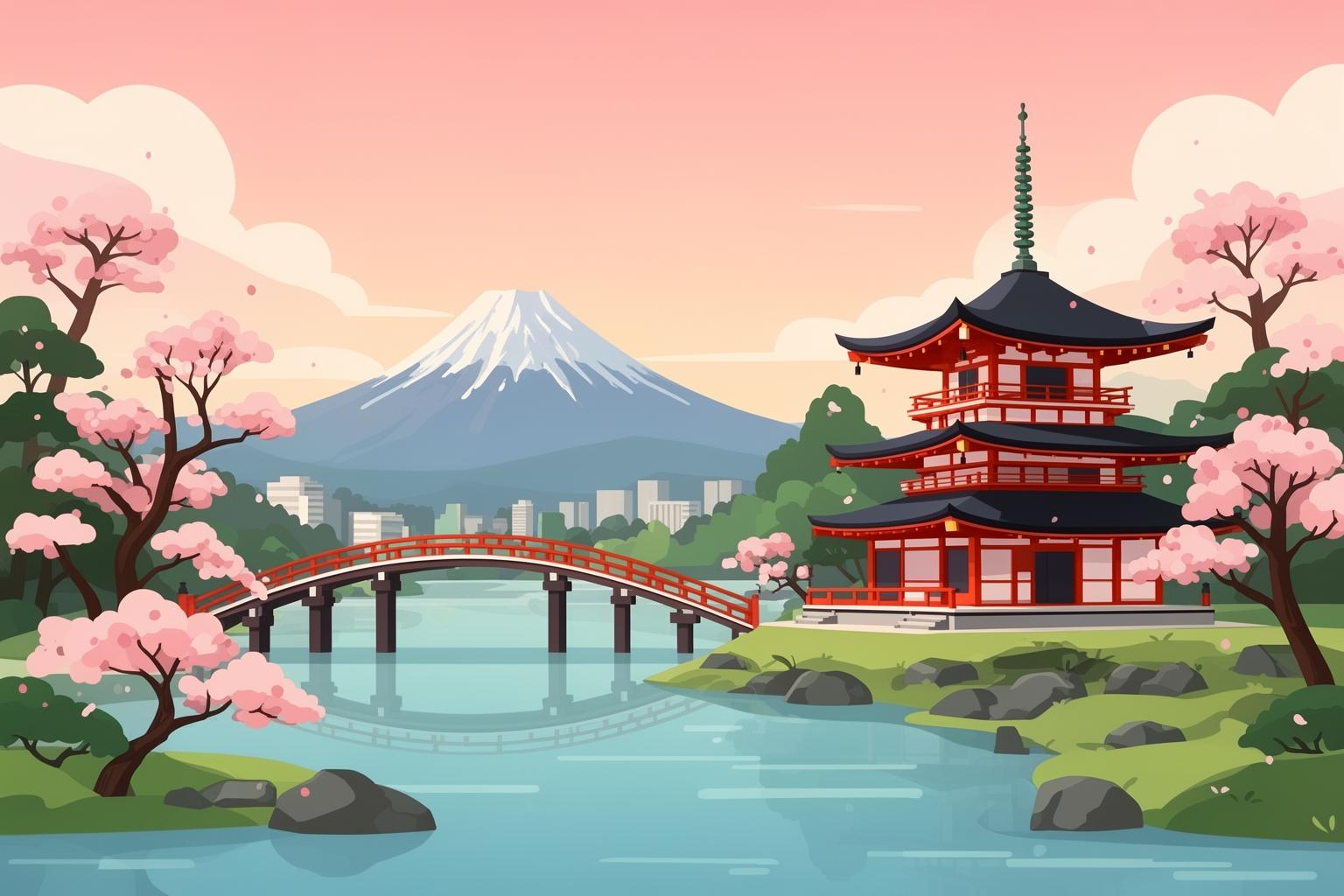
The true lesson of the 72 micro-seasons isn’t about memorizing 72 obscure names. Rather, it’s about what the existence of such a calendar reveals about a culture’s values. It emphasizes subtlety over spectacle. It cherishes the fleeting moment. It holds that the profound can be discovered in the ordinary, if only we pay close enough attention.
It’s the difference between seeing “a bird” and noticing “a bush warbler beginning to sing in the mountains.” It’s the distinction between feeling “warm” and sensing the specific warmth when the “earth is damp and the air is humid.” It trains both the eye and the soul to recognize the small, gradual changes that shape the grand arc of a year.
You don’t need to live in Japan to embrace this mindset. The calendar serves as a guide for a universal human ability: the capacity to notice. It invites you to discover the 72 seasons in your own backyard, your own city block. It encourages you to pause and observe the world not as a static backdrop, but as a living entity in continual, graceful flux. It offers you seventy-two opportunities each year to look around and experience a small, quiet, and deeply transformative “aha” moment.