Someone once asked me to describe the most quintessentially Japanese space I could think of. My mind didn’t jump to a neon-drenched Tokyo crossing or a serene Kyoto temple. It went somewhere much quieter, somewhere humbler. I thought of a simple, polished strip of wood, warmed by the afternoon sun, running along the edge of a house. I pictured a place to sit with a cup of tea, feet dangling just above the garden soil, listening to the drone of cicadas in the summer heat. This place, this architectural feature, is called an engawa.
At first glance, you might be tempted to call it a porch or a veranda, and you wouldn’t be entirely wrong. But to leave it at that would be like calling a haiku just a short poem. The engawa is a far more nuanced concept, a physical space that embodies a deeply ingrained Japanese philosophy about the relationship between humans, their homes, and the natural world. It’s not quite inside, but it’s not quite outside either. It is a threshold, a transition, a deliberate blurring of boundaries. In a culture that often operates on the clear distinction between uchi (inside) and soto (outside), the engawa exists as a beautiful, functional paradox. It is the architectural equivalent of a deep, calming breath—a space designed not for doing, but for being. To understand the engawa is to understand a fundamental aspect of how traditional Japan saw its place in the world, a view that feels both timeless and, in our hyper-connected, indoor-oriented age, more relevant than ever.
This seamless blending of indoor and outdoor living finds a modern echo in rooftop playgrounds where urban spaces are transformed into vibrant, skyward retreats.
What Exactly Is an Engawa?
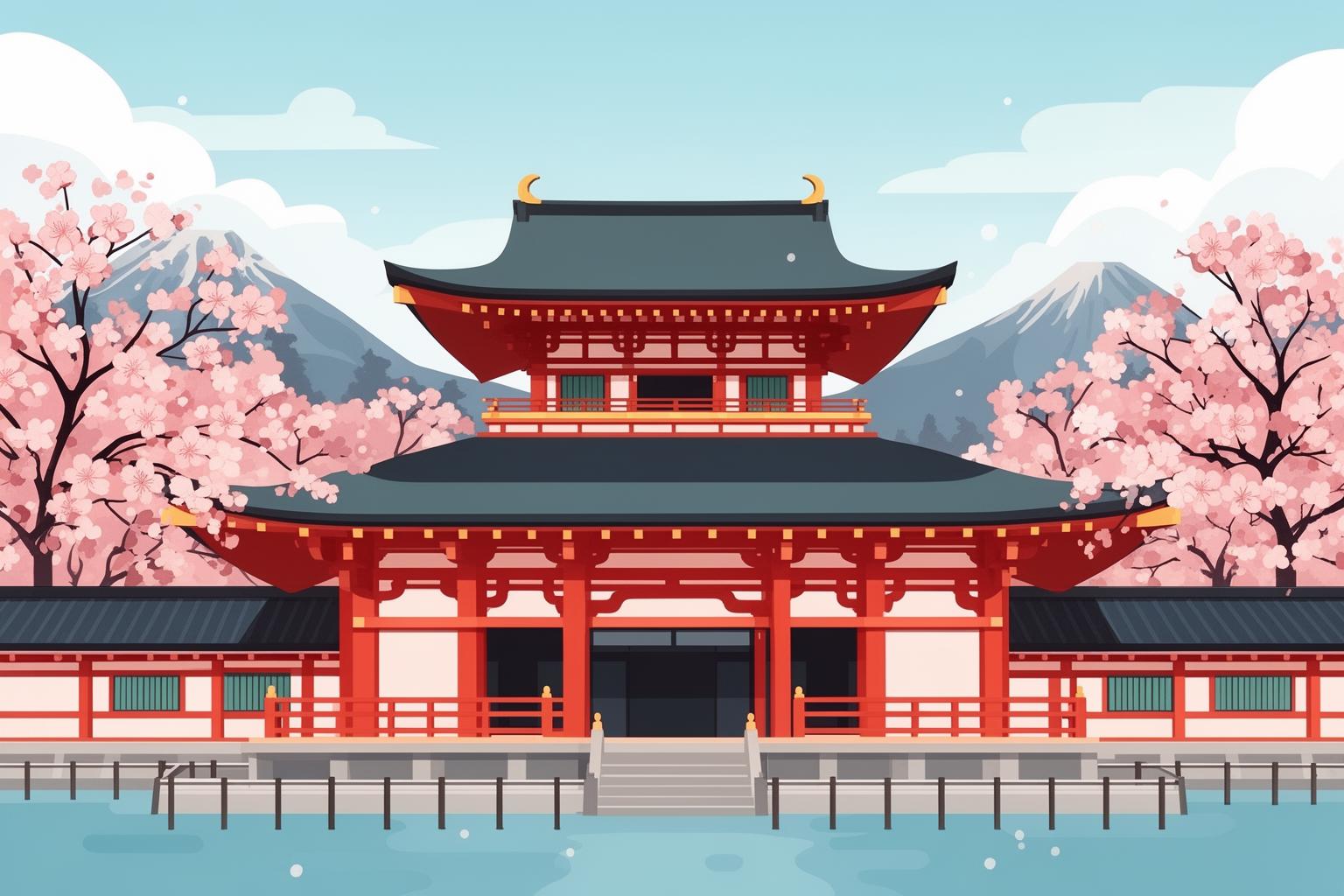
To understand its importance, we first need a clear idea of what an engawa physically is. Picture a traditional Japanese house with a dark wooden frame and walls made of paper and plaster. The rooms are often separated by sliding screens called fusuma, and the outer wall isn’t solid brick and glass but a series of sliding paper screens (shōji) and sometimes wooden storm shutters (amado). The engawa is a strip of wooden flooring, usually crafted from durable cedar or cypress, running along the outside of these screens, sheltered beneath the overhanging roof eave.
This is not merely a deck attached to the side of the house; it is an integral part of the architectural design. When the shōji screens slide open, the living space doesn’t simply look out onto the engawa—it merges with it. The tatami mat room flows seamlessly onto the wooden planks, which in turn guide the eye directly into the garden. The boundary between inside and outside fades away, creating one expansive, airy, semi-open space. This is its main function: to serve as a transitional zone between the protected human habitat and the untamed, yet thoughtfully arranged, natural garden.
Types of Engawa: A Subtle Distinction
As with many things in Japan, subtle variations carry different meanings. The two primary types are nure-en and kure-en.
Nure-en (濡れ縁): Literally meaning “wet veranda,” this type is the most familiar image. It is positioned outside the storm shutters, fully exposed to the elements. Because it can be wetted by rain, it is generally made from wood that resists rot and water damage. It is truly an outdoor space—a sun deck connected to the house.
Kure-en (くれ縁): This is a more sheltered variant. The term is somewhat archaic, but the structure is distinctive. The kure-en lies within the storm shutters. When the amado are closed at night or during storms, the kure-en becomes part of the interior, acting like an enclosed hallway. When the shutters are open, it functions much like a nure-en. This design adds extra insulation and security, forming a buffer between the fragile shōji screens and harsh weather.
Whether wet or dry, the purpose is consistent: to create a smooth, transitional space. It belongs to both house and garden, yet fully to neither. It is on this simple wooden platform that much of Japanese domestic life and its connection with nature has unfolded.
A Stage for Life’s Small Moments
The engawa is not a place for grand occasions but rather a setting for the quiet, everyday moments that make up life. Its design fosters a mindful pause, inviting gentle observation of the world passing by. Here, you might find an elderly couple sitting side by side, not necessarily speaking, but simply sharing the silence and the view of the garden they’ve cared for over decades. It’s where a child might sit after a bath on a summer evening, cooling off in the breeze while a paper fan flutters in their hand.
This space is intimately tied to domestic rituals. In autumn, persimmons or daikon radishes may be hung from the eaves above the engawa to dry in the sun. On a hot summer day, a watermelon, chilled in a bucket of well water, would be sliced and eaten on the engawa, its sweet red juice dripping onto the wooden planks, wiped away without a second thought. It’s a spot for mending clothes, reading a book, or taking an afternoon nap, lulled by the sound of wind rustling through bamboo leaves.
One of the most iconic scenes associated with the engawa is tsukimi, or moon-viewing. During the autumn harvest moon, families gather on the engawa to admire the full moon’s beauty. They set out offerings of pampas grass and round rice dumplings (tsukimi dango) that resemble the moon’s shape. The engawa transforms into a private viewing platform for this celestial event—a front-row seat to a spectacle that connects the family to ancient agricultural cycles and the vastness of the cosmos. It turns a simple architectural element into a space of poetic and spiritual significance.
The Garden’s Embrace: Framing Nature
You cannot discuss the engawa without mentioning the Japanese garden. The two are inseparable, existing in a mutually supportive relationship. The engawa doesn’t merely face the garden; it frames it. Sitting on the engawa is like sitting in a theater, where the garden is the ever-evolving performance.
The Japanese garden is not a wilderness but a carefully designed landscape—an idealized and often miniaturized representation of nature. Every rock, shrub, and trickle of water is deliberately placed. The garden is meant to be seen from specific viewpoints, with the engawa serving as the primary vantage point. From its elevated, sheltered position, one can fully appreciate the garden’s composition as a work of art.
Yet the connection goes beyond the visual. It is a complete sensory experience, and the engawa serves as its receiver.
Sound: From the engawa, you hear the crisp, rhythmic shishi-odoshi (a bamboo fountain designed to scare deer) as it fills with water and clacks against a rock. You hear the chirping of crickets in the evening, the buzz of bees hovering over azalea bushes, and the gentle hiss of rain falling on mossy stones.
Smell: You can sense the fragrance of daphne in spring or the sweet scent of gardenias in summer. After rainfall, the rich, earthy aroma of damp soil rises to meet you.
Touch: You feel the warmth of sun-baked wood beneath you and the cool evening breeze on your skin. You might even run your fingers through a nearby maple branch, feeling the texture of its leaves.
This essence defines the engawa’s purpose. It removes the barrier between human life and the natural world. In the West, homes are often built to block nature out, sealing us away from the weather and wilderness. The traditional Japanese house, through the engawa, invites nature inside. It embraces the changing seasons not as obstacles to overcome but as vital elements of life’s rhythm to be observed, appreciated, and lived alongside.
Architectural Genius: A Climate-Control System
While the engawa is undoubtedly poetic, it is also an ingenious example of practical, climate-responsive design. It serves as a passive system that enhances home comfort long before air conditioning or central heating existed. Its effectiveness stems from a profound understanding of the local climate and the sun’s path.
The Summer Strategy
Japan’s summers are notoriously hot and humid. The engawa plays a crucial role in alleviating the oppressive heat. The deep roof eaves are carefully angled to block the high summer sun. During the hottest part of the day, the engawa may be illuminated by sunlight, yet it functions as a buffer, preventing harsh rays from entering the interior of the house. While the wooden planks warm up, the space inside, behind the paper shōji, remains relatively cool and shaded.
Additionally, by opening the entire side of the house, the engawa encourages cross-ventilation. Any prevailing breeze is captured and directed through the home, creating natural cooling. The traditional house’s raised structure also allows air to flow beneath the floorboards, further aiding in cooling the entire building. The engawa serves as the gateway for this cooling airflow.
The Winter Strategy
In winter, the sun sits much lower in the sky. The same eaves that block the high summer sun are angled to let the low winter sun shine beneath them. Sunlight pours in, warming the wooden planks of the engawa. This stored solar heat then radiates into the house, providing natural warmth. The engawa essentially acts as a passive solar collector. On a clear winter day, one could sit on the engawa, sheltered from the wind, and enjoy the sun’s gentle warmth. At night, the wooden storm shutters (amado) would be closed, trapping the day’s warmth inside and offering essential insulation against the cold.
This elegant, straightforward design, which adjusts to the seasons without any moving parts or energy use, embodies a philosophy of harmonizing with nature’s cycles rather than opposing them. It represents sustainable architecture shaped by centuries of observation and refinement.
The Social Interface: A Casual Meeting Point
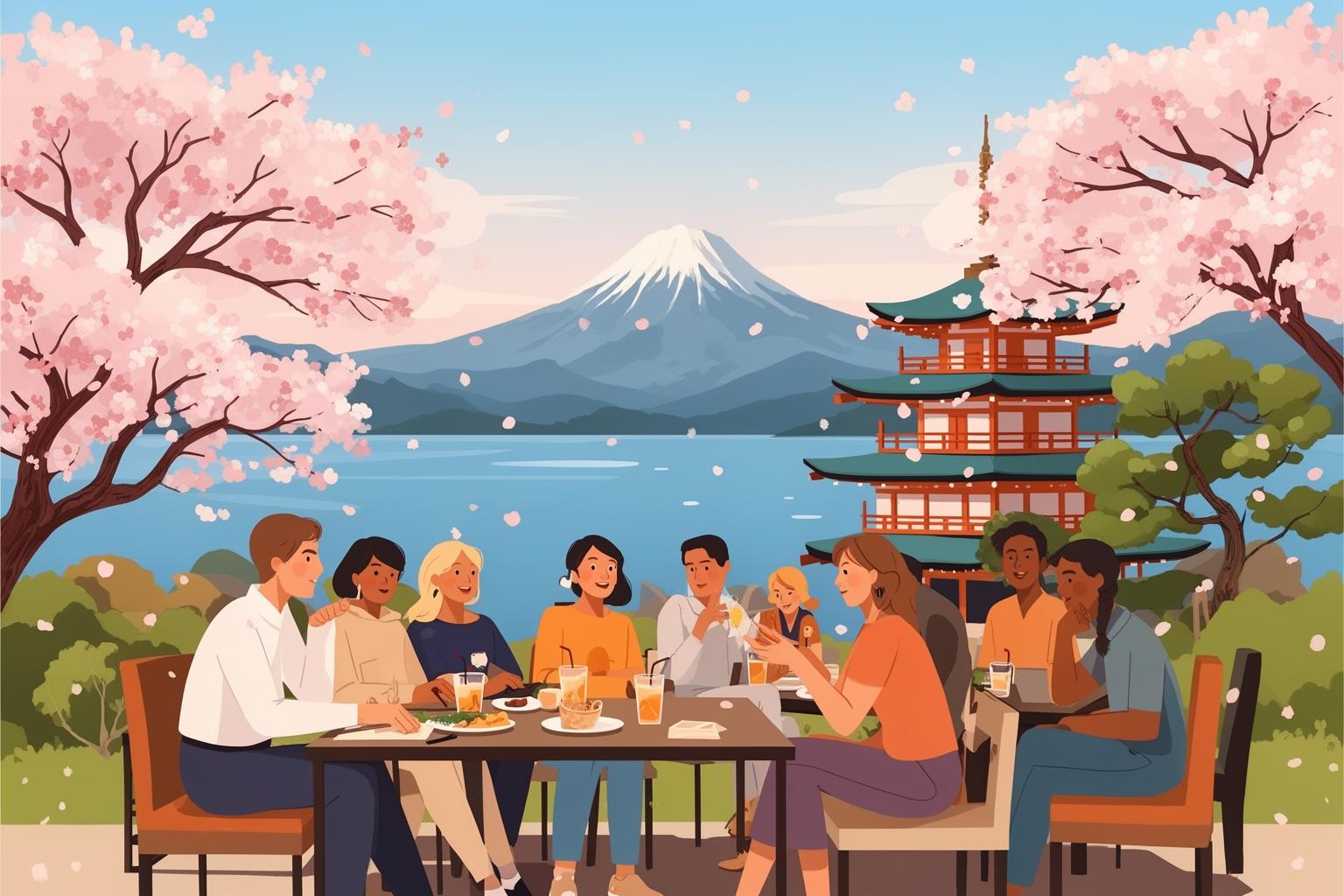
Beyond its link to nature and climatic role, the engawa also served an important social function. It acted as a semi-public space, a relaxed boundary between the private family sphere and the public neighborhood.
The formal entrance to a Japanese home is the genkan, a sunken foyer where shoes are removed. Being invited into the genkan signifies a formal welcome as a guest. In contrast, the engawa provided a more casual, informal option. A neighbor could stop by and sit on the edge of the engawa to chat briefly without the formality of being fully invited inside. A delivery person could leave their goods there. It was a space for easy, everyday interaction that helped build community.
It was also a safe, transitional space for children. They could play in the garden while a parent or grandparent sat on the engawa, keeping watch without the children wandering too far from home, yet still enjoying the outdoors. The engawa was an ideal balance of sanctuary and openness, blending the home with the wider world. This social role has largely disappeared in modern Japanese cities, where apartment buildings with shared hallways and secure entrances have replaced houses with open verandas, increasing privacy but also, perhaps, fostering social isolation.
The Engawa’s Slow Fade and Modern Echoes
Today, the traditional engawa is seldom seen in Japan’s major cities. Post-war modernization, Western architectural influences, and the economic pressures of urban land prices have all worked against it. Houses are built on smaller plots, often right up to the property boundaries, leaving no space for a garden, much less a transitional area like an engawa. The rise of concrete and steel apartment buildings (manshon) as the dominant housing style has rendered it functionally obsolete for millions.
Yet, even as it physically fades away, the engawa has grown stronger as a cultural symbol. It has been immortalized in film and literature as the epitome of a simpler, more harmonious era. In the beloved Studio Ghibli film My Neighbor Totoro, the engawa of the family’s rustic home serves as a key setting. It’s where the sisters Satsuki and Mei first encounter the magical creatures in their garden, a literal threshold between the human world and the spirit realm. The films of director Yasujirō Ozu often depict long, quiet scenes of characters sitting on an engawa, the stillness of the space mirroring their inner emotions.
This nostalgia has inspired a subtle revival. Modern architects, appreciating its value, are integrating engawa-like features into contemporary designs. They may create a wood-decked balcony that opens into the living room or an interior courtyard with a covered walkway serving a similar purpose. Cafes, restaurants, and traditional inns (ryokan) frequently highlight their engawa as a focal point, inviting guests to sit and enjoy that distinctive sense of tranquil connection. They offer not just coffee or lodging, but a taste of a treasured, slow-paced way of life.
More Than a Porch, A Way of Being
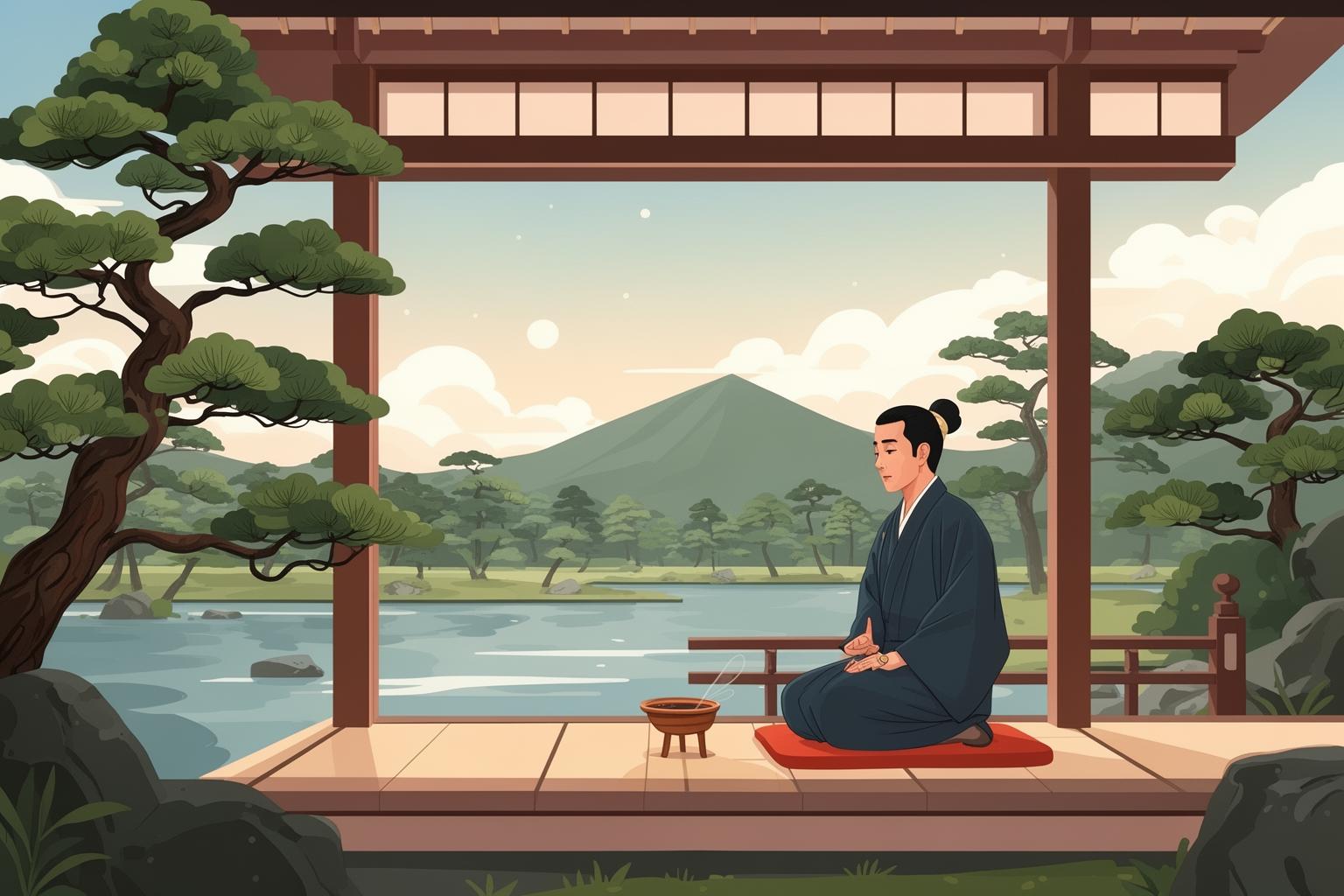
The engawa is far more than just a plank of wood attached to the side of a house. It embodies a worldview that blurs the boundaries between inside and outside, between human and nature. It is an architecture of acceptance, welcoming the summer heat, the winter chill, the sound of rain, and the presence of a neighbor.
It imparts a lesson in the beauty of the in-between. In a world that often insists we be one thing or another, the engawa exists as a space of ambiguity. It is both and yet neither. It offers a place for quiet reflection, passive observation, and being fully present. To sit on an engawa is to realize that home is not a fortress against the world, but a porous membrane allowing the sights, sounds, and sensations of life to pass through. And though these structures may be disappearing, the concept they embody—living gently and thoughtfully in harmony with our environment—remains a deeply meaningful and beautiful ideal.