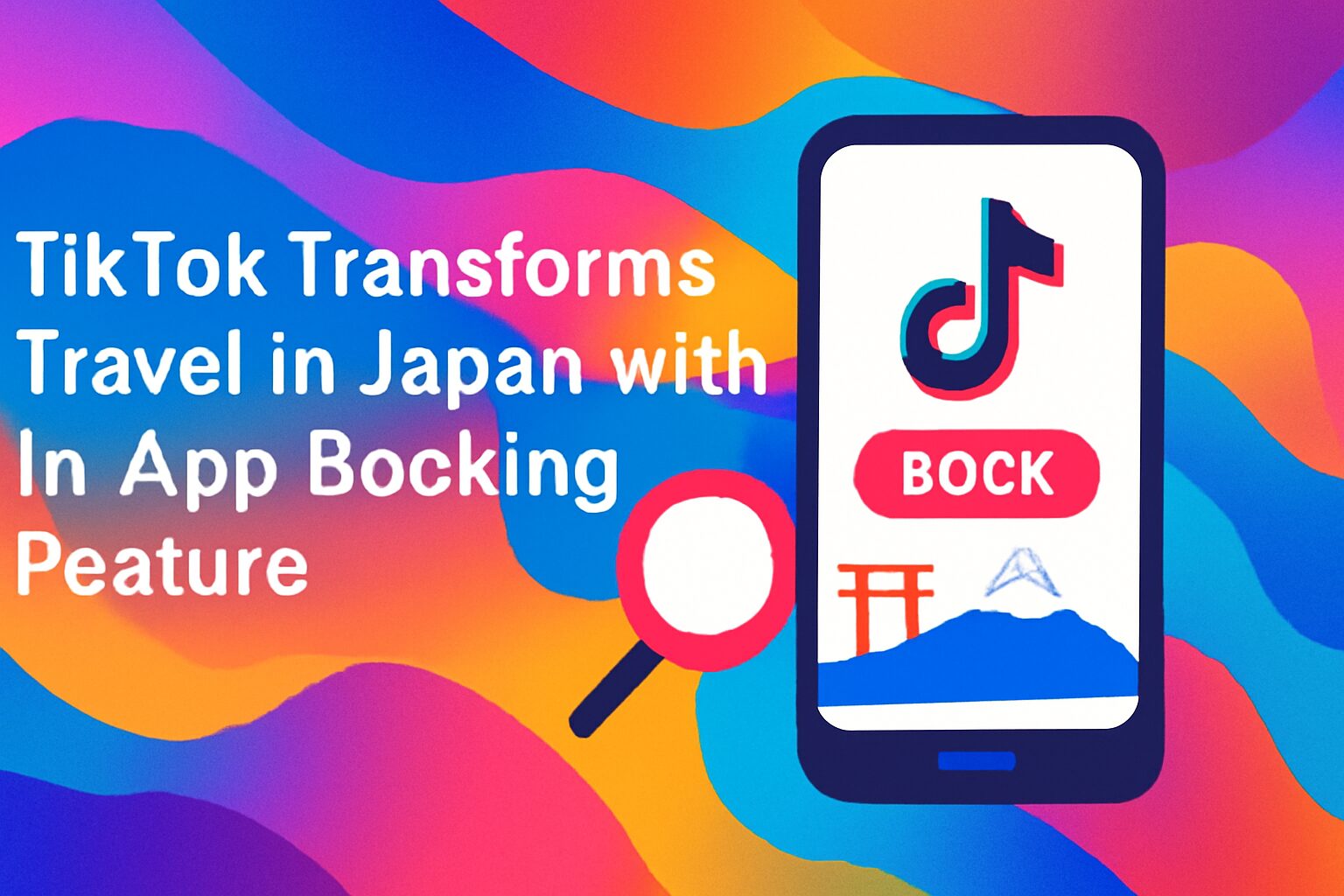
TikTok Japan has launched a revolutionary in-app feature that allows users to book hotels and tourist attractions directly from videos, signaling a major transformation in how travel is discovered and consumed. This seamless integration of content and commerce is poised to reshape Japan’s tourism landscape, making it easier than ever for users to turn inspiration into reality.
The New Era of “See, Tap, Book”
The new function embeds booking links directly within travel-related videos. As users scroll through captivating footage of a serene onsen ryokan, a bustling Tokyo attraction, or a scenic hiking trail, they can now tap a link to book their stay or purchase tickets without ever leaving the app. This removes the friction of traditional booking processes, which often require switching between multiple apps and websites. By streamlining the journey from discovery to purchase, TikTok is tapping into the powerful trend of impulse-driven e-commerce and applying it to the travel sector.
Why Now? The Context Behind the Move
This strategic move comes as Japan’s tourism industry is experiencing a remarkable resurgence. The country’s post-pandemic recovery has been swift and strong. According to the Japan National Tourism Organization (JNTO), Japan welcomed over 25 million international visitors in 2023, and the momentum continues in 2024. Inbound tourism spending reached a record-breaking 5.3 trillion yen (approximately $34 billion USD) in 2023, surpassing pre-pandemic levels.
Simultaneously, the role of social media in travel planning has become undeniable, especially among younger demographics. A significant portion of Millennial and Gen Z travelers now use platforms like TikTok as their primary search engine for travel ideas, trusting authentic, user-generated content over traditional advertising. TikTok’s algorithm has proven incredibly effective at showcasing lesser-known destinations, creating viral interest in places that were previously off the beaten path. This new feature capitalizes on that existing user behavior, converting passive viewing into active booking.
Predicted Impacts on Japan’s Travel Industry
Opportunities for Local and Small Businesses
This feature could be a game-changer for smaller, independent tourism operators. Local hotels, family-run tour companies, and regional attractions that lack large marketing budgets can now potentially reach a global audience of millions. A single viral video could drive a significant volume of direct bookings, leveling the playing field against larger, established travel corporations. It offers a powerful new channel for promoting regional tourism and dispersing visitors beyond the “golden route” of Tokyo, Kyoto, and Osaka.
A New Battlefield for Travel Agencies
The move positions TikTok as a formidable new player in the online travel agency (OTA) space, directly challenging established platforms like Booking.com, Expedia, and local giants like Rakuten Travel. These traditional OTAs may need to reconsider their marketing strategies, potentially collaborating with TikTok creators or developing more engaging short-form video content themselves to stay competitive.
The Rise of Spontaneous Travel
The immediacy of in-app booking is expected to fuel a rise in spontaneous or “impulse” travel bookings. A compelling 30-second video of a weekend festival or a limited-time seasonal dish could trigger an immediate decision to book a trip. This changes the dynamic of travel planning from a weeks-long research process to a spur-of-the-moment decision, driven by visual appeal and emotional connection.
The Future of Social Commerce in Travel
TikTok’s initiative in Japan is a clear indicator of the future trajectory of travel marketing. We can expect to see this trend of integrated social commerce expand across other platforms and regions. The next evolution may involve even deeper personalization, where AI-powered algorithms not only show users content they’ll love but also present them with tailored travel packages and dynamic pricing directly within their video feed.
While this innovation presents immense opportunities, it also raises considerations about sustainable tourism. The power to make a location go viral overnight carries the responsibility to manage potential overtourism. However, if harnessed correctly, this same power can be used to shine a light on underserved regions, encouraging a more balanced and sustainable distribution of tourism across Japan.
In conclusion, TikTok’s new booking feature is more than a simple app update; it represents a fundamental shift in the travel industry. It merges inspiration and transaction, creating a fluid and engaging experience that will redefine how a new generation of travelers explores and books their adventures in Japan.