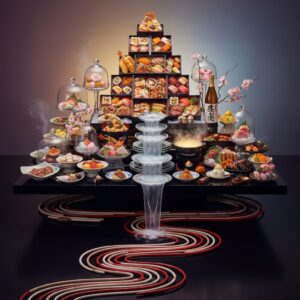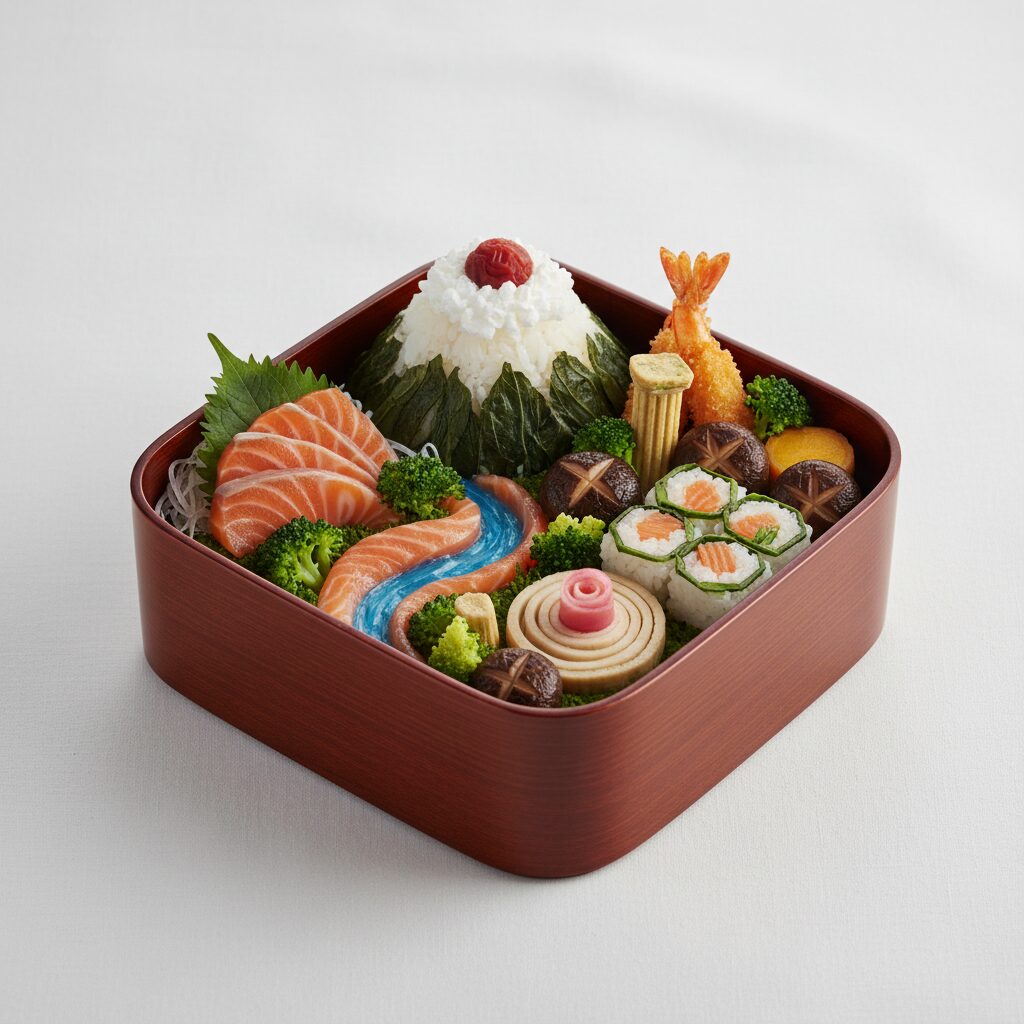
To most of us who grew up outside Japan, a packed lunch was a purely functional affair. It was a sandwich, maybe some fruit, a packet of something crunchy, all tossed into a box or a brown paper bag. Its purpose was simple: to stave off hunger between morning classes and the final bell. The primary emotion it evoked was, perhaps, mild disappointment that it wasn’t pizza day in the cafeteria. But here in Japan, the humble packed lunch, the bento, operates on an entirely different plane of existence. It’s not just food; it’s a medium. It’s a form of non-verbal communication, a daily ritual of care, and a miniature, edible work of art. To understand the bento is to get a fascinating glimpse into the Japanese emphasis on thoughtfulness, balance, and the beauty found in small, everyday acts. It’s a conversation conducted in rice, vegetables, and protein, a message of love packed into a neat little box.
Embracing the thoughtfulness behind each bento, one can also witness a similar spirited creativity in Tokyo’s iconic Takeshita Street, where urban energy and culinary artistry intersect.
More Than a Meal: The Bento as a Message
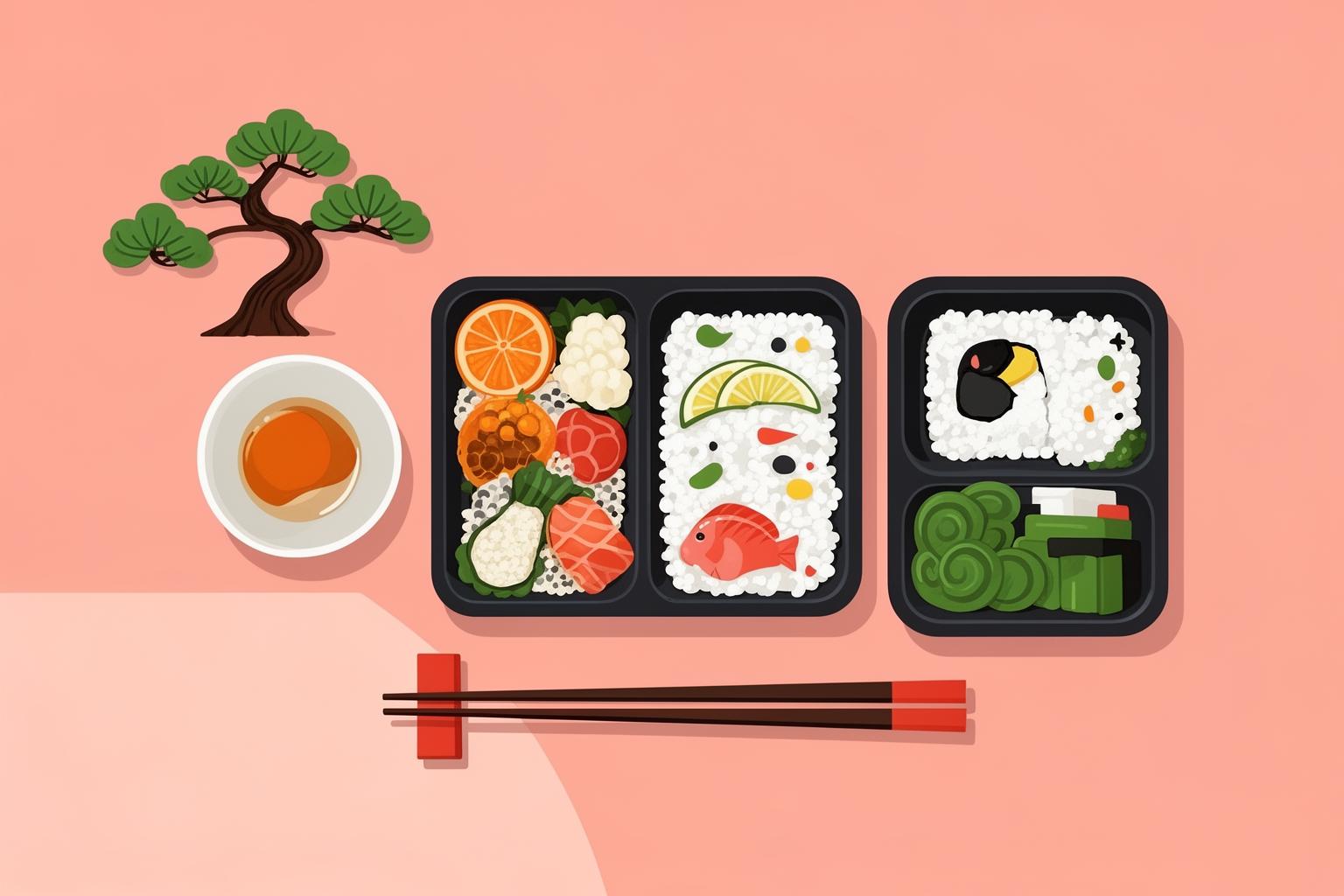
The first thing to understand is that a bento is rarely, if ever, just a random mix of leftovers. It is a carefully curated, thoughtfully arranged package. At its core, the daily bento, especially one made for a child or spouse, is an expression of aijo, or love and affection. A Japanese mother meticulously preparing a bento for her child heading off to kindergarten isn’t only focused on calories and nutrition. She is thinking about what will bring them joy when they open the lid. She is sending a piece of home with them—a tangible reminder that they are loved and cared for, even when apart.
This isn’t some abstract, poetic idea; it’s a lived experience. The food is cut into manageable, bite-sized pieces. Flavors are balanced so nothing overwhelms. Items that might become soggy are kept separate. A small, sweet treat might be tucked into a corner as a surprise. These are all micro-acts of thoughtfulness, or o-kizukai—a sensitivity to the needs and happiness of another person. The bento conveys, “I thought about you this morning. I considered what you would enjoy, what would make you smile, and what will give you energy for the day. I am cheering for you.”
There’s also a subtle social aspect. In a kindergarten or elementary school, lunchtime is a communal event. Children sit together and open their bento boxes at the same time. A lovingly prepared bento becomes a quiet source of pride. It’s not about competition or showing off but about engaging in a shared cultural practice. An appealing bento can even serve as an icebreaker, a conversation starter for a shy child. It signals to teachers and other parents that the child comes from a home where care is prioritized. The effort invested in the box reflects the care given to the child’s well-being.
The Five-Color Rule: A Philosophy of Balance
Pass by a bento shop in a train station or a department store basement, and the first thing that will catch your eye is the stunning visual harmony. This is no coincidence. Bento makers, from home cooks to professional chefs, frequently follow an informal guideline called the five-color rule, or go-shiki.
The idea is to include something red, yellow, green, white, and black (or dark purple/brown). While this certainly enhances the meal’s appeal, it is not just about aesthetics. The five-color philosophy serves as an intuitive and brilliant guide to nutritional balance. By aiming for a colorful box, you naturally incorporate a variety of food groups and nutrients without needing to reference a chart.
The Palette of Flavors
Here’s a breakdown of the palette:
Red or Orange: This adds vibrancy and often comes from ingredients rich in vitamins. Examples include cherry tomatoes, a slice of salmon, a sliver of red bell pepper, carrots cut into flower shapes, or the iconic umeboshi (pickled plum) proudly placed in the center of a bed of white rice, resembling the Japanese flag.
Yellow: Yellow is commonly represented by tamagoyaki, the slightly sweet rolled omelet that is a bento staple. Corn, sweet potato, or a slice of kabocha squash also work perfectly. This color adds brightness and a comforting, gentle flavor.
Green: Symbolizing freshness and vitality, green is often shown through blanched broccoli florets—which are easy for little hands to pick up—boiled spinach with sesame dressing (goma-ae), green beans, edamame pods, or a simple piece of lettuce separating one food item from another.
White: The foundation of most bentos is, of course, rice, serving as the canvas for the rest of the meal. White can also be found in slices of kamaboko (fish cake), daikon radish, or potatoes.
Black or Dark Colors: This adds depth and contrast to the visual arrangement. Black sesame seeds, a sheet of crisp nori (seaweed) over the rice, hijiki seaweed salad, or simmered shiitake mushrooms provide this essential dark element. These ingredients also contribute unique, often umami-rich, flavors to the meal.
By following this simple rule, packing a lunch transforms from a chore into a creative endeavor. It encourages variety and ensures that the person eating it receives a well-balanced meal guided by a principle that is both beautiful and highly practical.
The Art of the Pack: Techniques and Tools of the Trade

Creating a bento is as much an act of architecture as it is of cooking. The aim is a box that remains just as neat and attractive when opened at noon as it was when packed at dawn. Achieving this calls for a specific set of techniques and a delightful collection of specialized tools.
The fundamental rule of packing is to pack tightly. Gaps are the enemy, as they allow food to shift and tumble during the morning commute, causing a messy chaos. The process begins with a solid base of rice, which is allowed to cool slightly before arranging the other items on and around it. Heavier, sturdier items are placed first, while lighter, more delicate items are nestled in last.
To create this compact artistry, the bento maker relies on a variety of tools:
The Box Itself: Bento boxes, or bento-bako, come in countless shapes, sizes, and materials. From simple, utilitarian plastic boxes with snap-on lids and internal dividers to multi-tiered boxes for larger meals, thermal jars to keep soup hot, and slender boxes designed to fit neatly into a briefcase. Then there are traditional, elegant boxes made from cedar or lacquered wood, which are themselves works of art.
Dividers and Cups: Dividers are essential to prevent flavors and textures from mingling. Silicone cups, reusable and brightly colored, are ideal for holding small salads or fruit. Even a simple folded piece of lettuce, called baran, can serve as a natural, edible partition.
Picks and Skewers: Small, decorative plastic picks, known as pikku, are highly practical. They can spear a couple of meatballs or cherry tomatoes for easy eating and add a playful splash of color. They come in every imaginable design, from animal faces to musical notes.
Cutters and Molds: This is where creativity shines. Vegetable cutters, or nuigata, can shape carrots, cucumbers, or cheese into flowers, stars, and animals. Rice molds can form rice into perfect triangles (onigiri), bears, or cars. These tools turn ordinary ingredients into something special and fun, especially for children.
Nori Punches: Similar to craft punches but for seaweed, these cut out tiny, intricate shapes—such as smiling faces, paws, or flowers—to decorate rice balls. It’s a simple way to add a great deal of personality with minimal effort.
These tools are not mere gadgets; they are instruments of care, designed to keep the food organized, easier to eat, and more joyful to behold.
From Kyaraben to Eki-ben: The Bento for Every Occasion
While the daily bento for school or work is the most common type, the concept extends into many other facets of Japanese life, adapting its form and function for various occasions.
Perhaps the most renowned evolution is the kyaraben, or character bento. This is where the bento maker’s creativity truly shines. Using food as their medium, they craft intricate, edible portraits of beloved characters from anime, manga, and video games—from Totoro and Pikachu to Hello Kitty. A kyaraben is often created to encourage picky eaters to try new foods or to mark a special event, like a school sports festival. It embodies the bento-as-message idea in its most literal and visually striking form. The time and dedication required are remarkable, and it has grown into a vast subculture, supported by countless blogs, books, and social media accounts sharing tips and designs.
At the other end of the spectrum is the eki-ben, or station bento. This is the traveler’s bento, sold at train stations throughout Japan. The eki-ben is a tribute to regional cuisine. Each major station, and many smaller ones, offers its own distinctive version featuring local specialties. A trip to Hokkaido might include an eki-ben filled with fresh crab and salmon roe. In Sendai, it might be grilled beef tongue. Traveling by shinkansen (bullet train) is nearly incomplete without the tradition of picking up an eki-ben before boarding, settling into your seat, and savoring a taste of the region you’re passing through, all carefully presented in a disposable box.
There are also seasonal bentos, like the hanami-ben prepared for cherry blossom viewing parties. These are often larger, intended for sharing with friends and family, and filled with foods that celebrate spring, such as bamboo shoots and strawberries. In this context, the bento is more than just a meal—it is an essential part of a seasonal ritual, enriching the collective experience of appreciating nature’s beauty.
The Silent Conversation
When I first began making bento for my own children here in Japan, I admit I felt a bit intimidated. My childhood lunches were simply a sandwich wrapped in cling film and an apple. The thought of preparing a balanced, five-colored meal before 7 a.m. felt overwhelming. My initial attempts were awkward. I had trouble with the rice molds, and my vegetable flowers ended up looking like abstract blobs.
However, I soon realized it wasn’t about achieving perfection. It was about the effort. It was about placing a few broccoli “trees” beside some octopus-shaped sausages—a simple trick done with a few knife cuts before pan-frying. It was about using a cute pick to hold some grapes together. My kids didn’t care if it was a masterpiece; they were just excited to find a smiling face on their rice ball.
The most rewarding part of the day became seeing their empty bento boxes in their school bags that afternoon. An empty box is the other half of the conversation. It’s the response. It says, “Thank you. I noticed your effort. I ate it all. I received your love.” In a culture that often values indirect communication and unspoken understanding, the bento is a powerful, daily exchange. It is nourishment, yes, but it is also a story, a wish for a good day, and a hug in a box.