Imagine going to your doctor feeling stressed, overworked, and perpetually wired. You’re expecting a prescription for medication, maybe a referral to a therapist, or at the very least, a stern lecture about work-life balance. Instead, the doctor looks at you, smiles gently, and writes on their prescription pad: “Spend two hours in a forest. Walk slowly. Breathe.” In most Western countries, you might think you’d stumbled into a new-age wellness clinic by mistake. In Japan, this is a perfectly legitimate, science-backed form of preventative medicine. This is Shinrin-yoku, or “forest bathing,” and it’s a concept that reveals so much about how this country views the intricate connection between human health and the natural world.
It’s a term that’s gained a lot of traction globally, often presented with a dreamy, almost mystical filter. But to understand Shinrin-yoku is to look beyond the Instagram-friendly aesthetics of sunlight filtering through cedar trees. It’s about grasping a fundamental pillar of Japanese public health: the belief that purposeful, sensory immersion in nature is not just a pleasant pastime, but a crucial antidote to the ailments of modern life. This isn’t just about encouraging people to get some fresh air. It’s a structured, government-endorsed practice rooted in both ancient cultural reverence and modern scientific research. So, how did a simple walk in the woods become a recognized therapeutic tool, something a doctor might actually prescribe to lower your blood pressure or boost your immune system? The answer lies at the intersection of Shinto beliefs, Buddhist philosophy, and a surprisingly pragmatic response to a public health crisis.
This immersive practice not only highlights nature’s healing power but also echoes Japan’s cultural embrace of natural beauty, as seen in the appreciation of cherished cherry blossoms that transform transient moments into profound experiences.
More Than Just a Feeling: The Science of Being Among Trees
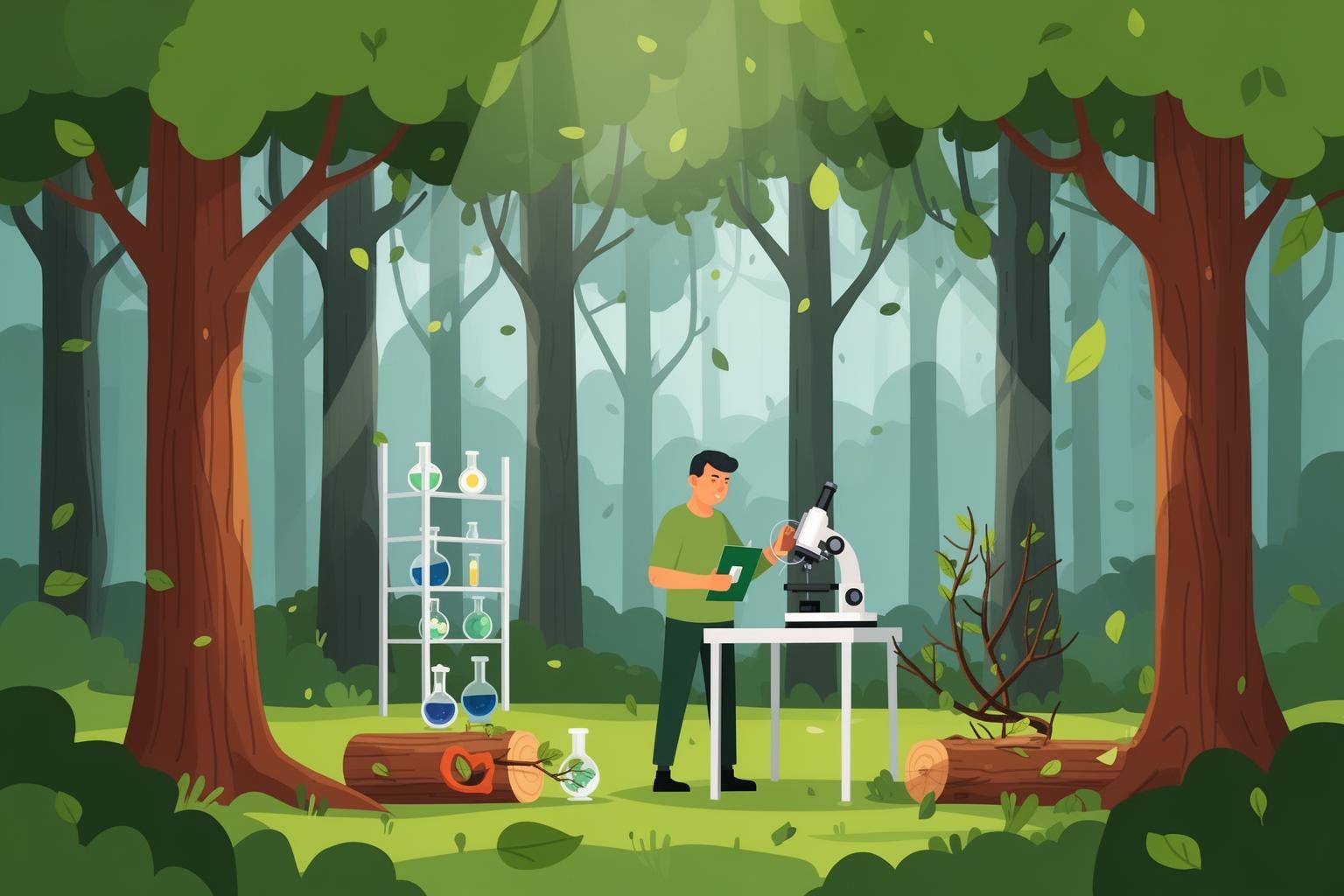
For the Japanese approach to health, intuition and tradition hold value, but they also rely heavily on data to support their practices. The nation’s adoption of Shinrin-yoku is not based on vague assumptions that nature is simply “good for you.” Instead, it is founded on decades of rigorous scientific research, much of which was pioneered in Japan. The transition from folk wisdom to medical evidence began earnestly in the 1980s, with the most compelling contributions coming from researchers such as Dr. Qing Li of the Nippon Medical School in Tokyo.
Dr. Li and his team were intrigued by the specific physiological mechanisms behind the sense of well-being people experience in forests. They performed numerous studies, sending participants into woodland settings and carefully measuring how their bodies responded. Their findings were extraordinary.
The Chemical Language of Trees
Among the most important discoveries was related to “phytoncides,” the term for airborne, aromatic antimicrobial compounds that plants, especially trees, release to protect themselves from insects and rot. When we walk through a forest, we inhale these compounds. Japanese forests are abundant with trees like the hinoki (Japanese cypress), cedar, and pine, all of which emit strong phytoncides.
Dr. Li’s research showed that inhaling these molecules has a profound impact on the human immune system. In particular, it significantly boosts the number and activity of Natural Killer (NK) cells, a type of white blood cell crucial for the body’s first line of defense, targeting and destroying tumors and virus-infected cells. Studies found that just a few days of forest bathing could increase participants’ NK cell activity by as much as fifty percent, with these elevated levels lasting up to a month. In other words, the forest’s immune response helps strengthen our own.
Deactivating the Stress Response
Beyond immune benefits, the research provided solid evidence of nature’s ability to calm the body. The modern lifestyle keeps the sympathetic nervous system—our “fight or flight” response—chronically activated, resulting in high levels of the stress hormone cortisol, elevated blood pressure, and increased heart rate. Shinrin-yoku acts as a powerful switch, turning off this system and activating the parasympathetic nervous system, which governs “rest and digest.”
Numerous studies confirmed these effects. Participants spending time in a forest environment, as opposed to an urban one, exhibited significant decreases in cortisol levels. Their heart rates slowed, and blood pressure dropped. They experienced physiological calm, not just mental relaxation. The forest setting signaled their bodies that it was safe to relax and heal.
Clearing the Mind
The positive effects also extend to mental health. Time spent in nature has been shown to reduce symptoms of anxiety, depression, and rumination—the repetitive, obsessive thought patterns that are difficult to break. The concept of “soft fascination” helps explain this. Urban settings are filled with “hard fascination”—bright lights, loud noises, and traffic—that demand our focused attention and lead to mental exhaustion. In contrast, natural landscapes engage our attention effortlessly. Watching a branch sway or a stream flow requires no cognitive effort, allowing the mind to wander, rest, and restore its ability to concentrate. This explains why a brief walk in a park can leave you feeling more refreshed and clear-headed than spending the same time scrolling on your phone.
The Cultural Roots: Why Japan Was Ready to Listen
The science behind Shinrin-yoku is convincing, but it only clarifies how it works. It does not explain why Japanese culture was uniquely positioned to embrace and formalize this concept. The scientific validation was built upon a long-standing cultural foundation that has honored nature for thousands of years. In Japan, nature has never been regarded as separate from humanity or merely a resource to be exploited. Instead, it is viewed as a sacred, living entity.
Shinto: The Way of the Gods
This worldview is deeply rooted in Shinto, Japan’s native religion. Shintoism is animistic, meaning it holds that kami—gods, deities, or sacred spirits—reside in all things, particularly elements of the natural world. A towering mountain, a roaring waterfall, or a twisted, ancient tree are not just natural landmarks; they are dwellings of the divine. This explains why massive, centuries-old trees (shinboku, or sacred trees) are often found on Shinto shrine grounds, marked by thick, braided ropes called shimenawa. These ropes denote a sacred space, a tangible representation of a kami. To stand before such a tree is to enter a place of spiritual power. This profound belief has made entering a forest a spiritual experience for many people over centuries—a way to connect with something greater than oneself.
Zen and the Art of Observation
Buddhism, introduced to Japan in the 6th century, added another dimension to this reverence. Zen Buddhism, especially, highlights mindfulness, direct experience, and achieving enlightenment through present-moment awareness. The careful design of a Zen temple garden, whether a moss garden or a dry landscape rock garden (karesansui), serves more than aesthetic purposes. It functions as a meditation aid, a natural microcosm crafted to calm the mind and foster deep observation. This practice cultivated a cultural mindset attuned to discovering profound meaning and serenity in nature’s details—the texture of moss, the patterns formed by raked sand, the shape of a solitary maple leaf. This philosophical foundation offers the ideal mindset for Shinrin-yoku, which centers on mindful, sensory immersion in nature.
From Ancient Belief to Modern Policy
The official recognition of Shinrin-yoku occurred in 1982. The term was introduced by the Forest Agency of Japan. This was not merely a poetic branding effort; it was a practical public health initiative with several objectives. Japan, then experiencing its post-war economic boom, was confronted with new societal challenges. Stress levels were soaring, and the phenomenon of karoshi, or death from overwork, was emerging as a significant social problem. Simultaneously, the country aimed to promote appreciation and use of its extensive forest resources—nearly seventy percent of Japan’s landmass is covered by forests.
Shinrin-yoku provided the ideal solution. It positioned forests not only as sources of timber or recreational spots but as an essential national asset for public health. It named and structured an intuitive practice, medicalizing it just enough for it to be taken seriously within a modern, science-focused society.
This resulted in the creation of certified “Forest Therapy Bases” and “Forest Therapy Roads.” These are not merely scenic paths. To receive certification, a forest trail must pass a scientific assessment demonstrating its therapeutic benefits. Researchers evaluate factors ranging from the concentration of phytoncides in the air to the quality of light and sound. The aim is to develop environments optimized for both physiological and psychological healing.
Additionally, a system of certified guides was established. These guides are unlike typical hiking leaders who focus on distance and elevation. They are trained to facilitate a slow, meditative experience, encouraging participants to fully engage their senses and reconnect deeply with nature. They might lead breathing exercises, highlight subtle details, or simply foster a space for quiet reflection.
How It’s Actually Done: The Art of Doing Nothing
For many outsiders, the most perplexing aspect of Shinrin-yoku is that it lacks a clear objective in the conventional Western sense. It isn’t about fitness, reaching a summit, or hitting a specific step count. In fact, a typical two-to-three-hour session may cover only a few kilometers. The focus is not on the destination, but on immersion.
The practice serves as an exercise in awakening the senses, something often dulled in everyday life.
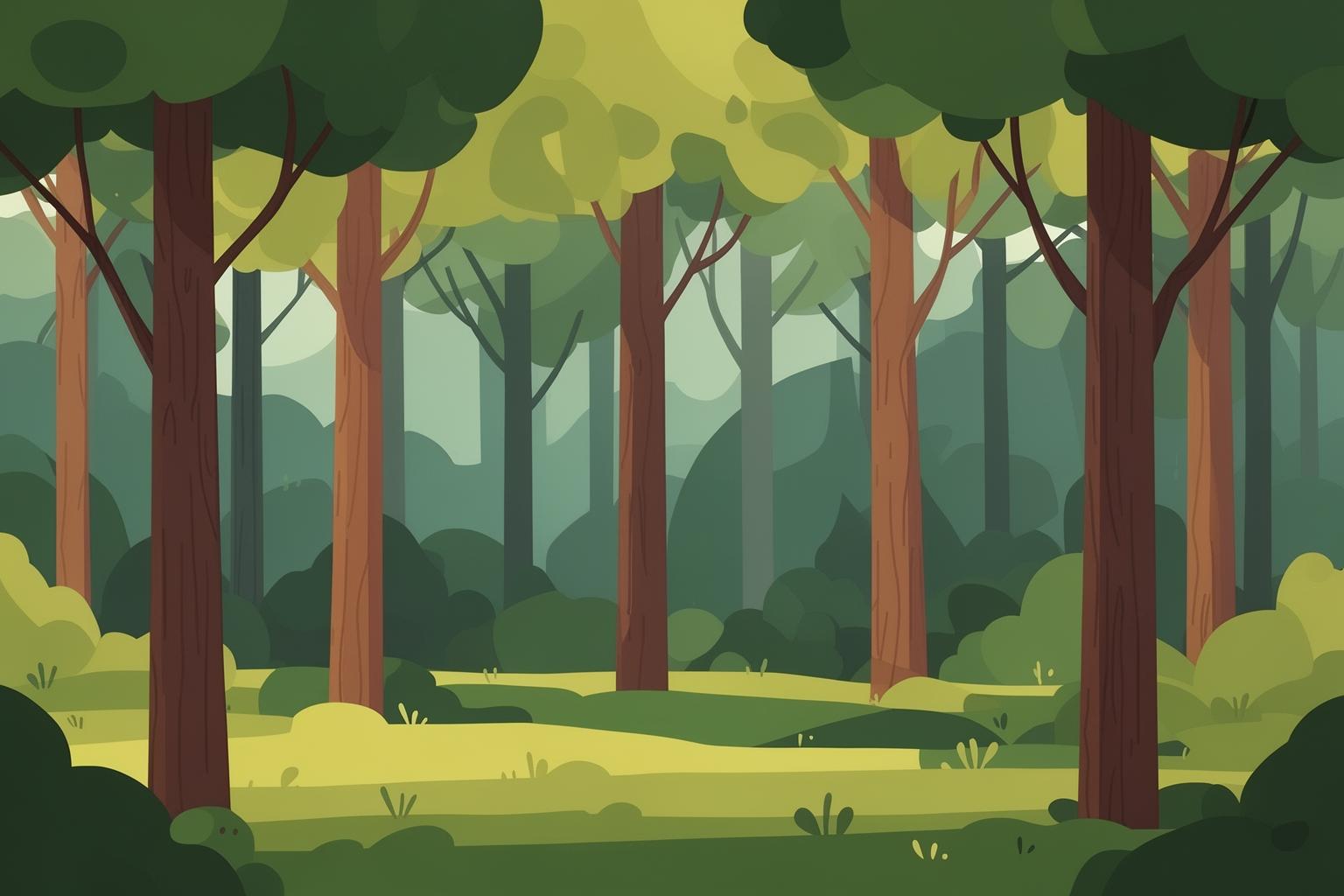
Sight: You are encouraged to look with soft eyes. Observe the endless shades of green, the way sunlight filters through the canopy (komorebi, a uniquely Japanese term for this sight), the intricate patterns of moss on a rock, and the texture of tree bark.
Sound: The goal is to listen beyond the noise in your own mind. Hear the distinct calls of various birds, the rustling of leaves in the wind, the gurgling of a distant stream, and perhaps most importantly, the profound silence beneath it all.
Smell: This is central to the experience. You consciously inhale the air, attempting to identify the different scents—the damp, rich aroma of earth, the sharp, clean fragrance of pine or cypress, the subtle perfume of wildflowers.
Touch: You might be invited to run your hands over the rough bark of a cedar, feel the cool, velvety texture of moss, or dip your fingers into a cold, clear stream. It’s about re-establishing a physical connection with the environment.
Taste: Occasionally, a guide may conclude the session with tea brewed from local forest herbs, bringing the taste of the forest into the body.
This slow, deliberate, sensory-focused approach is the exact opposite of a goal-oriented power hike. It is a mindful act of slowing down, being present, and simply receiving the restorative benefits the forest has to offer.
A Necessary Antidote to Urban Existence
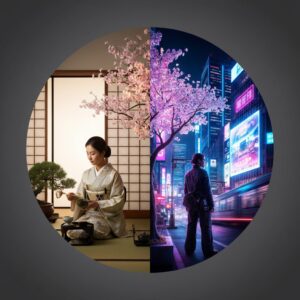
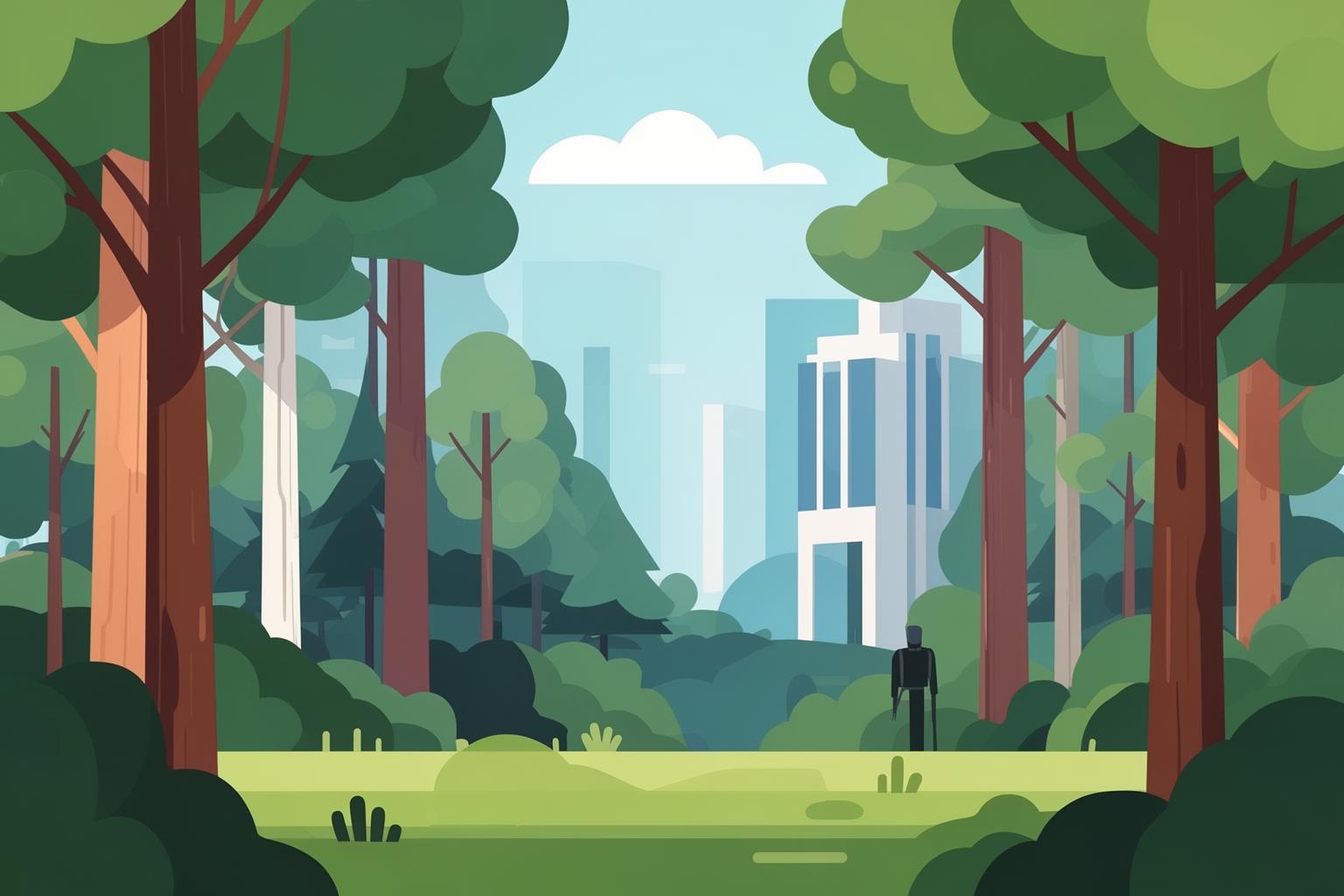
To truly grasp the significance of Shinrin-yoku in Japan, one must consider the context of its highly urbanized society. The Greater Tokyo Area alone houses nearly forty million people, making it the most densely populated metropolitan region on Earth. Life in such crowded urban centers is a constant barrage of concrete, steel, artificial light, and perpetual noise. The demands to conform, stay productive, and navigate complex social structures are overwhelming.
Within this setting, Shinrin-yoku is neither a quaint pastime nor a luxury getaway. It serves as a crucial, intentional escape—a sanctioned and encouraged means to disconnect from the relentless pressures of the artificial world and reconnect with the natural biological systems we evolved alongside. It acknowledges that humans are biophilic, possessing an inherent need to bond with nature, and that neglecting this need results in tangible, adverse health effects.
More and more, Japanese companies are adopting forest bathing in their corporate wellness initiatives to combat employee burnout and enhance creativity. It is viewed as a prudent investment in human capital, offering a far more effective and sustainable solution than simply providing additional coffee and a more inviting breakroom.
A Prescription for Living
When a Japanese doctor recommends a walk in the woods, they are not avoiding their medical responsibilities. Instead, they are prescribing a powerful, low-cost preventative treatment with many well-documented benefits and virtually no adverse side effects. This prescription embodies a holistic view of health, recognizing that a person’s environment is just as vital as their diet or exercise routines.
Shinrin-yoku perfectly captures a distinctive element of the Japanese mindset: a harmonious fusion of the ancient and the ultra-modern. It honors a timeless, spiritual respect for nature, supports it with modern scientific validation, and implements it as a practical approach to managing the pressures of 21st-century life. It serves as a subtle reminder that sometimes the most effective medicine isn’t found in a pill bottle, but in the simple act of walking among the trees and reconnecting with the natural world.