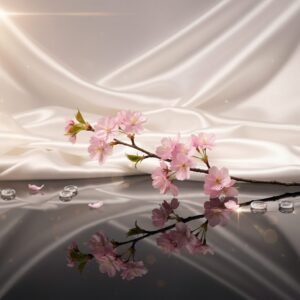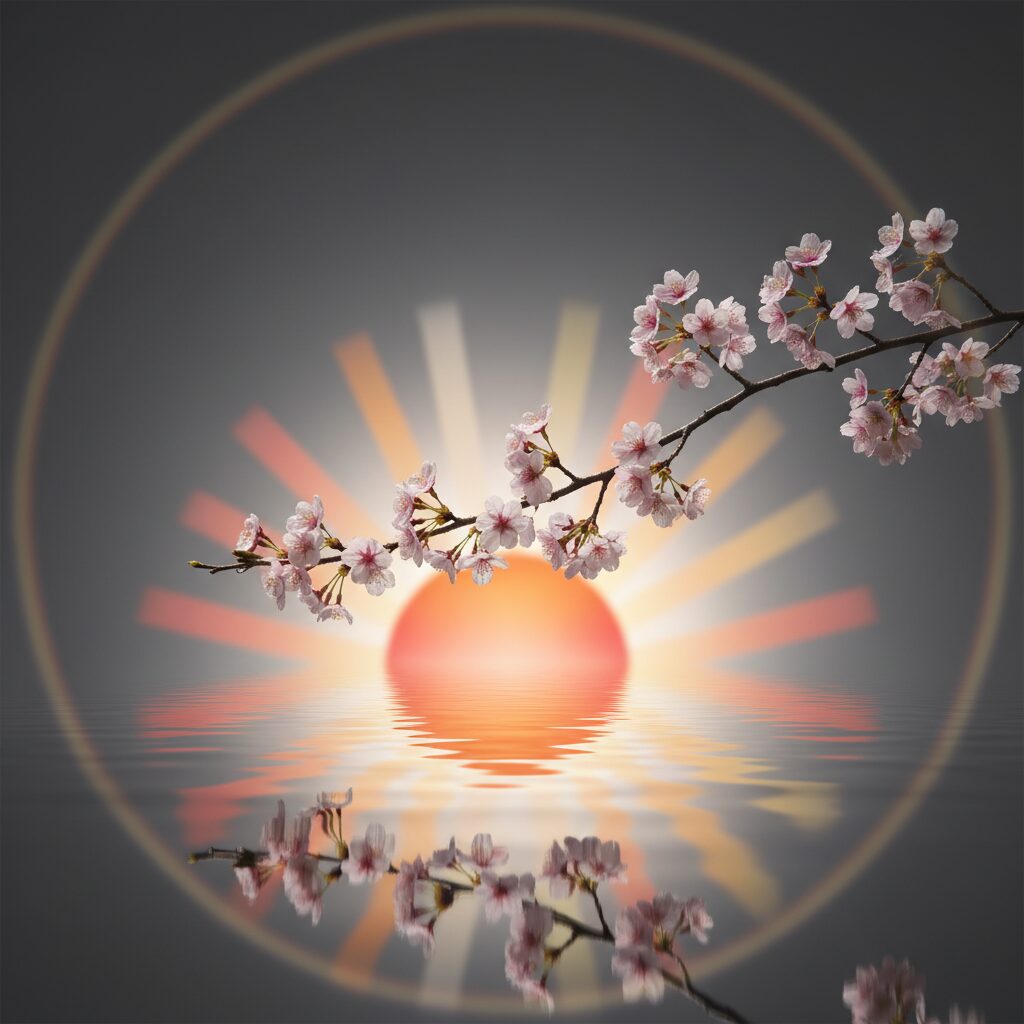
You’ve seen the pictures. Every spring, Japan seems to dissolve into a soft-focus dream of pink and white. Instagram feeds fill with canals lined with blooming trees, castles framed by delicate petals, and parks blanketed with picnickers. It’s called hanami, the act of viewing cherry blossoms, and it looks like the world’s most beautiful spring festival. But here’s what the photos don’t show you: this isn’t just a casual appreciation of some pretty flowers. It’s a deep, nationwide cultural obsession, a ritual that is woven into the very fabric of Japanese life. It’s a collective pause button that the entire country presses, from corporate giants to elementary schools. And the reason for this annual floral fever goes far beyond simple aesthetics. Hanami is, at its heart, a profound meditation on a concept the Japanese understand intimately: the beautiful, heartbreaking fleetingness of life itself. It’s a party, yes, but it’s also a philosophy lesson, delivered by a tree.
To really get it, you have to look past the pink bento boxes and cans of Asahi beer. You have to understand that for two weeks, these blossoms are a mirror reflecting some of the culture’s most cherished and somber ideals. They represent purity and new beginnings, but also the fragility of existence. Their spectacular, all-at-once bloom and their sudden, inevitable fall are a metaphor for human life—brilliant, beautiful, and tragically short. This is not a sad thing, necessarily. It’s just… true. And in Japan, there is a deep cultural reverence for acknowledging this truth, for finding beauty not in permanence, but in the graceful acceptance of impermanence. That’s what’s really going on under those trees. It’s a celebration of life, sharpened by the silent, looming presence of its end.
The fleeting beauty of cherry blossoms finds a quiet echo in the subtle art of Japanese bowing, where every gesture carries the weight of profound cultural meaning.
From Imperial Poems to Public Parks
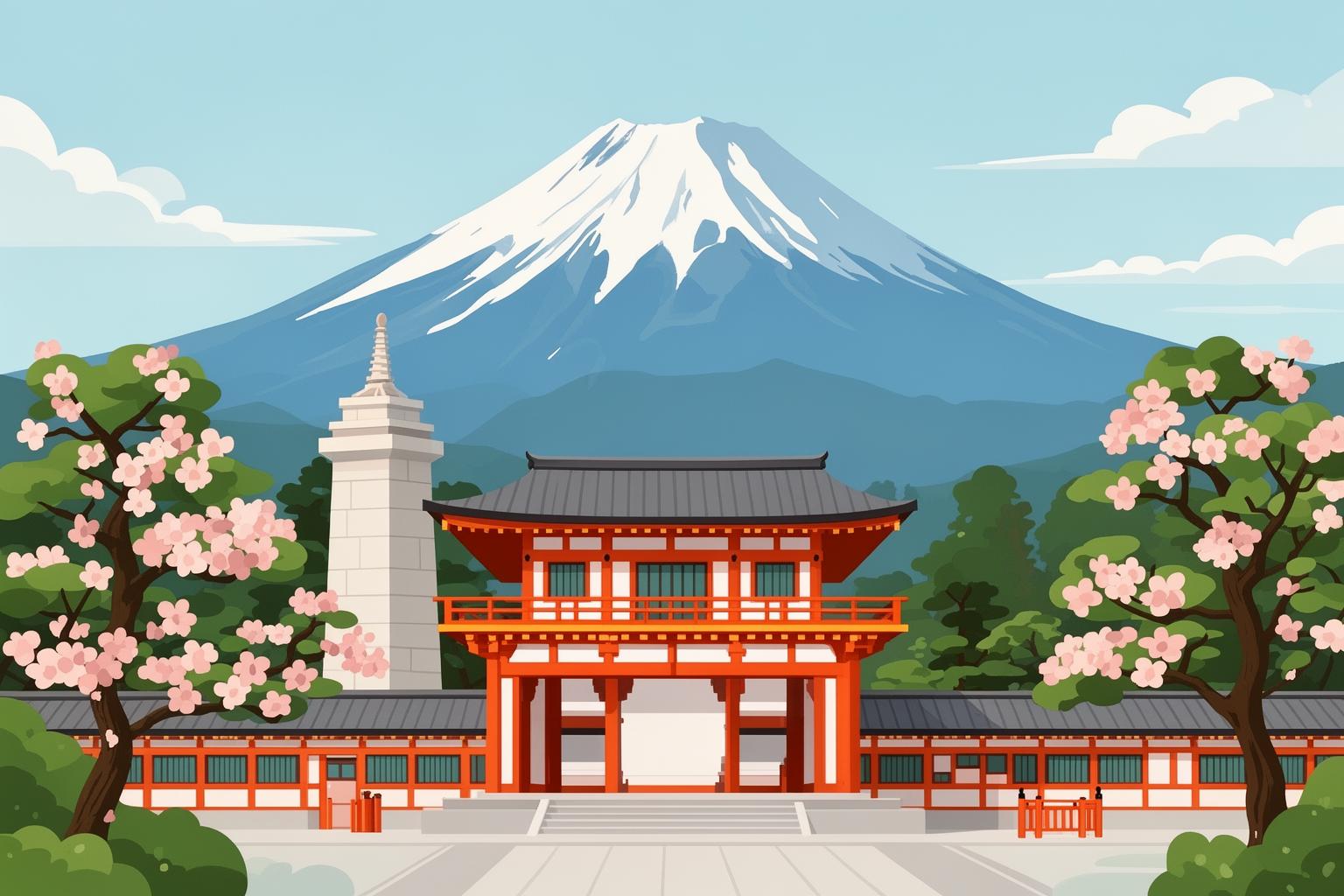
Like many quintessential Japanese traditions, hanami did not begin as a lively picnic on a blue tarp. Its origins are much more refined and, interestingly, did not even start with cherry blossoms. During the Nara period in the 8th century, the Japanese aristocracy, deeply influenced by the cultural powerhouse of Tang Dynasty China, admired plum blossoms, or ume. In China, the plum tree was revered for its resilience, blooming bravely in the cold late winter and symbolizing perseverance and fortitude. The Japanese court embraced this symbolism, hosting elegant gatherings to compose poetry celebrating the fragrant, hardy plum blossoms.
However, in the subsequent Heian period (794-1185), a subtle yet important cultural shift took place. As Japan began to establish its own distinct aesthetic identity, separate from its continental neighbor, courtiers and poets turned their focus to a native flower: the sakura, the Japanese cherry blossom. Unlike the robust plum, the sakura was delicate, its bloom brief and spectacular. Rather than symbolizing endurance through winter, it embodied the fragile, overwhelming beauty of spring itself. This transition is eloquently recorded in classical literature like The Tale of Genji, where falling cherry petals serve as a moving backdrop for romantic scenes and reflections on life and love’s fleeting nature. Hanami became a pastime of the elite—an elegant affair of composing poetry, playing music, and sipping sake beneath blooming branches, all within the exclusive gardens of the imperial palace or aristocratic residences.
The Shogun’s Gift: Hanami for the People
For centuries, hanami remained the privilege of the upper classes. It was not until the Edo period (1603-1868), an era of relative peace and growing urban culture, that hanami evolved into the public celebration we recognize today. This transformation was largely thanks to the Tokugawa shoguns. In a savvy act of public works and urban planning, shoguns like Tokugawa Yoshimune commissioned the planting of extensive cherry tree groves in public spaces. They lined the banks of the Sumida River in Edo (modern-day Tokyo) and established parks such as Ueno, making the once-exclusive sakura beauty accessible to all.
This act fully democratized hanami. Merchants, artisans, and farmers could now enjoy the same beauty once reserved for emperors and court poets. The focus shifted from quiet poetry composition to lively celebration. It became a time for communities to gather, eat and drink together, sing, and dance. While the philosophical roots remained, they formed the basis for a vast, nationwide folk festival. The blue tarps of today are direct descendants of this Edo-period transformation, when hanami shifted from quiet contemplation to the joyful, communal celebration of a shared, fleeting moment.
The Philosophy Written in Petals
To grasp why a flower inspires such devotion, you need to understand a fundamental Japanese aesthetic concept: mono no aware. This phrase is difficult to translate directly, but it roughly means “the pathos of things” or a “gentle sadness” about the impermanence of the world. It’s not about depression or despair; rather, it’s a deep, empathetic awareness that everything—a season, a relationship, life itself—is transient. Within that temporality lies a profound, bittersweet beauty. The cherry blossom perfectly embodies mono no aware.
It arrives with an overwhelming, almost fierce beauty, blanketing the landscape in an impossible cloud of color. However, its peak, called mankai, lasts only a few days. Then, almost as suddenly as it appeared, a breeze sweeps through, and the petals fall like a snowstorm of pink and white, known as sakurafubuki, or “cherry blossom blizzard.” The Japanese do not view this as a sorrowful end. Instead, the falling petals are regarded as equally beautiful as the bloom. The sakura’s beauty is inseparable from its brevity. It is beautiful because it doesn’t endure. This concept, heavily influenced by Buddhist thought, fosters an appreciation for the present moment. You cherish the full bloom because you are keenly aware it will vanish tomorrow. It’s a lesson in mindfulness, imparted annually by millions of trees.
Yozakura: The Blossoms in a Different Light
The hanami experience changes dramatically after sunset. This is yozakura, or “night sakura.” Many well-known hanami spots hang paper lanterns (chōchin) from the branches, bathing the pale blossoms in a warm, ethereal glow. The lively daytime crowds often disperse, replaced by a more contemplative or romantic mood. The flowers, stripped of their daytime pink, seem to float against the dark sky, appearing ghostly and luminous. The experience feels entirely different—less a communal celebration and more a private, almost mystical communion with the trees. Yozakura emphasizes another facet of Japanese aesthetics: an appreciation for shadows and subtlety. The blossoms, devoid of their vivid color and lit artificially, reveal a different kind of beauty—one that is quieter, more mysterious, and perhaps even deeper.
The Modern Ritual: A Season of Renewal and Release
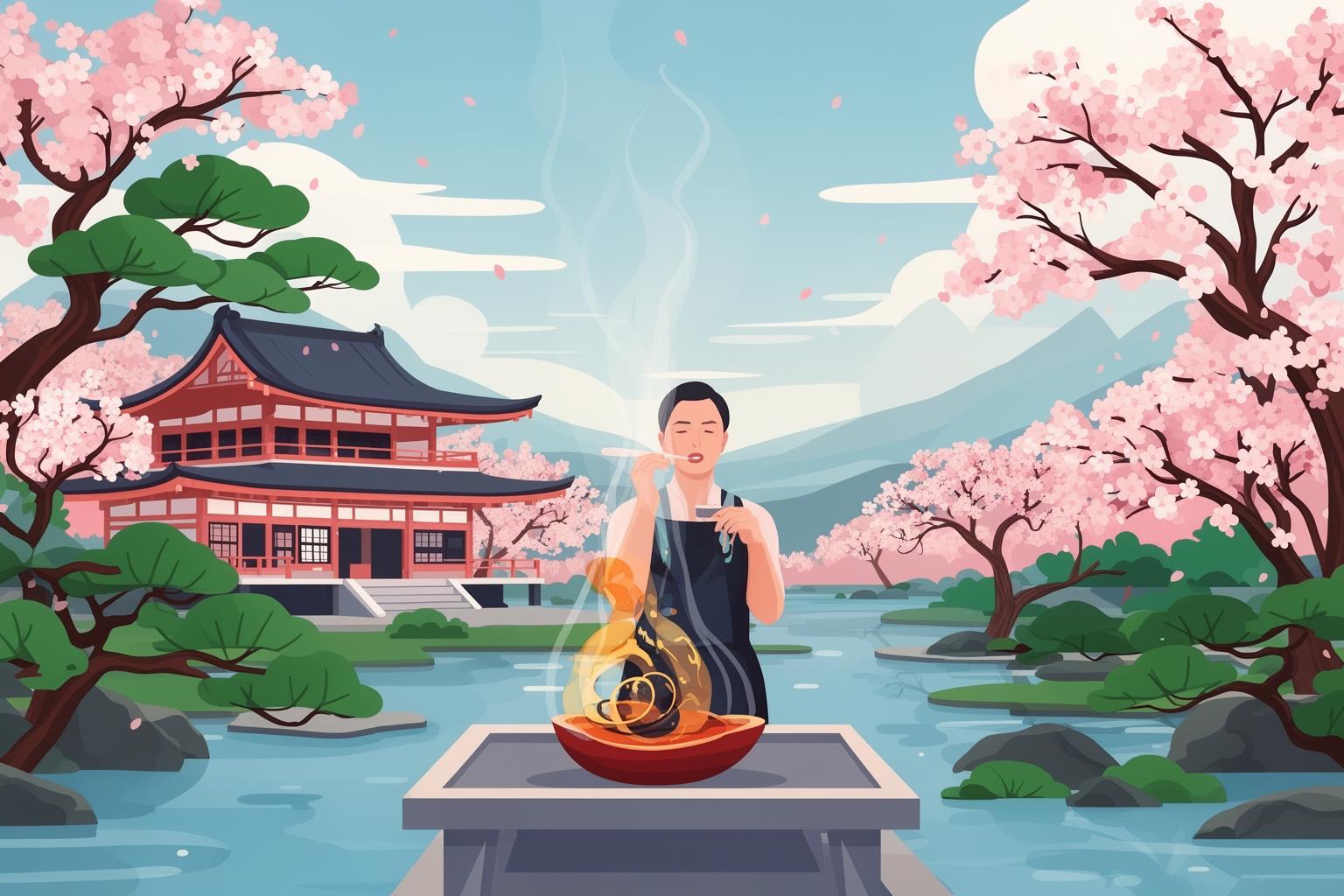
It’s no accident that cherry blossom season coincides exactly with the start of the Japanese fiscal and academic year on April 1st. The blooming sakura stands as a powerful national symbol of renewal, new beginnings, and hope. It forms the backdrop for school entrance ceremonies, where new students in crisp uniforms pose for photos with their parents beneath the trees. It also sets the scene for welcome parties for new company recruits, marking their transition into the workforce. These blossoms are deeply connected to such significant life milestones, their fresh, delicate beauty symbolizing the promise of a new start.
This makes hanami an essential social ritual. The office hanami party perfectly illustrates this. It is one of the few occasions when Japan’s strict social hierarchy loosens. The youngest employee, the kōhai, might be tasked with arriving early to secure a prime spot with a company-branded tarp. Later, the boss, or buchō, arrives to share sake with subordinates. Fueled by food and drink beneath the liberating sakura canopy, colleagues can speak more openly, laugh louder, and bond in ways impossible within the office’s formal setting. It serves as a vital, socially sanctioned pressure-release, a moment of collective catharsis before the new year’s hard work begins.
An East Asian Perspective
Coming from a Chinese cultural background, Japan’s intense focus on the sakura is especially intriguing. In China, the plum blossom holds greater prominence in classical art and poetry. As noted, it is celebrated for its strength and perseverance—blooming in the harshness of winter, it symbolizes enduring hardship with grace and dignity. The admiration is for its resilience.
Japan’s embrace of the sakura reveals a subtle yet profound philosophical difference. It reflects a cultural mindset that values graceful acceptance of fate over stoic endurance. The sakura doesn’t struggle against the wind; it lets go. This isn’t viewed as weakness but as wisdom. The intense focus on a single, fleeting natural event expresses a broader East Asian reverence for nature and seasonal change. While other cultures observe spring’s arrival, Japan elevates it to a national spiritual and social occasion—a two-week period where the entire country realigns its sense of time and beauty.
So when you see photos of cherry blossoms, remember you’re looking at more than just a pretty scene. You’re witnessing the physical embodiment of a worldview. You’re seeing a culture that embraces joy not despite life’s impermanence, but because of it. Hanami is Japan’s annual reminder to pay attention and appreciate the present moment, for like the cherry blossoms, the most beautiful moments are often the most fleeting.