A Picture-Perfect View Leads to a Painful Decision
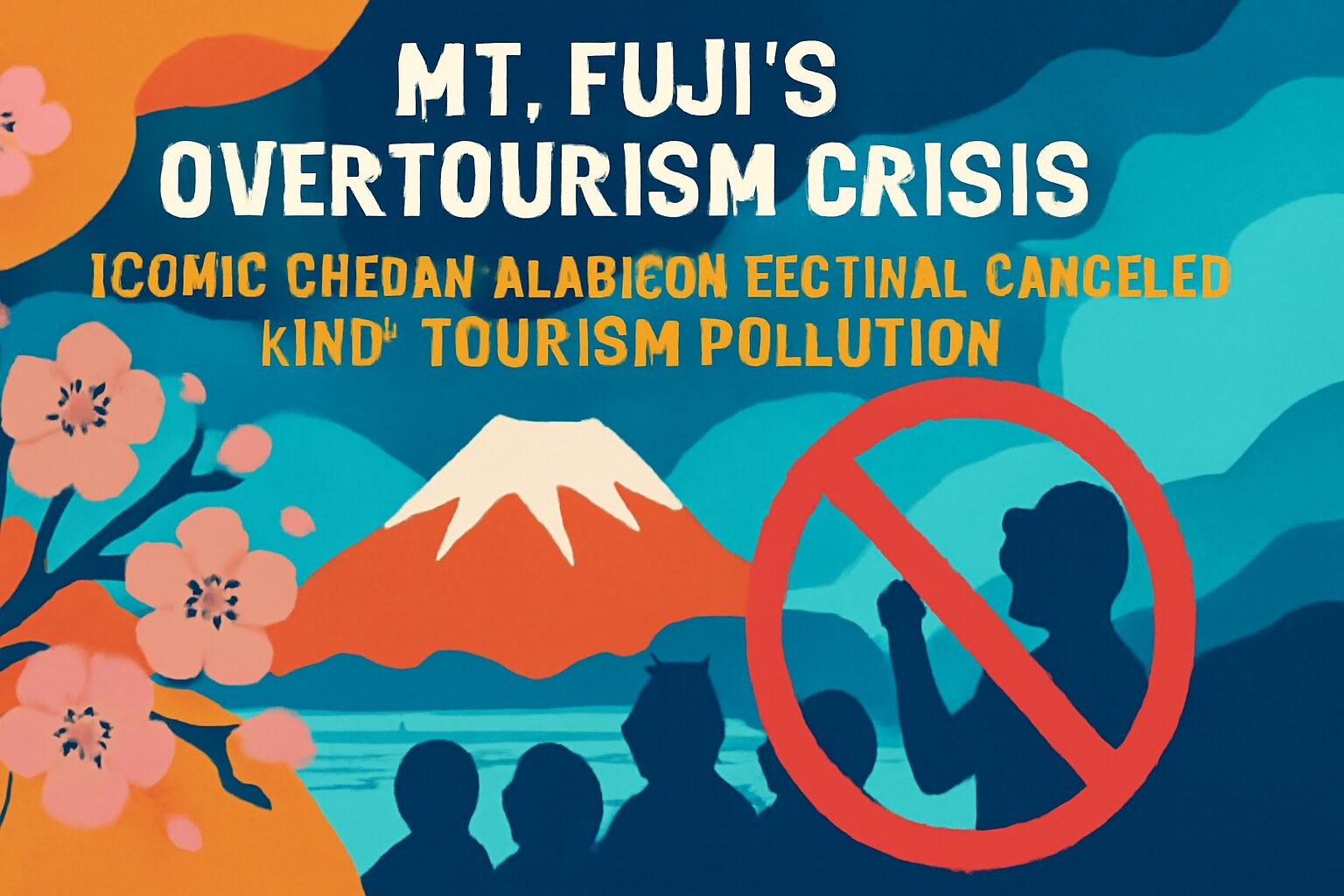
The town of Fujiyoshida, a small community in Yamanashi Prefecture, has made the difficult decision to cancel its annual Sakura (Cherry Blossom) Festival. The event, held at the Arakurayama Sengen Park, is globally famous for offering what many consider the quintessential view of Japan: the majestic Mt. Fuji, a vibrant red Chureito Pagoda, and a sea of delicate cherry blossoms. This picture-perfect scene, however, has become a victim of its own success.
The cancellation is a direct response to what local officials and residents are calling “tourism pollution”—a severe case of overtourism fueled by viral social media posts. The overwhelming influx of international visitors has pushed the town’s infrastructure to its breaking point, forcing a choice between a celebrated festival and the well-being of the local community.
The Viral Effect: From Hidden Gem to Crowded Hotspot
For years, the view from Arakurayama Sengen Park was a relatively well-kept secret among photographers. But with the rise of platforms like Instagram, the location exploded in popularity. Images of the pagoda and Mt. Fuji became a must-have shot for tourists visiting Japan, leading to an unprecedented surge in visitor numbers.
This surge is part of a larger, nationwide trend. Propelled by a weak yen and relaxed border controls, Japan has seen a dramatic rebound in inbound tourism. In March 2024, the country welcomed over 3 million foreign visitors, a record high for a single month. While the Japanese government aims to attract 60 million tourists annually by 2030, small towns like Fujiyoshida are grappling with the immediate consequences.
The consequences for the residential community have been severe:
- Gridlock and Traffic Chaos: Narrow local roads have become paralyzed by tour buses and rental cars, causing daily disruptions for residents.
- Litter and Environmental Strain: An increase in trash left behind by visitors has strained local sanitation services.
- Trespassing and Disrespect: In their quest for the perfect photo, some tourists have reportedly trespassed on private property, ignored traffic rules, and shown a lack of respect for local customs.
This situation echoes a similar issue just a short distance away, where authorities recently began constructing a large black screen to block a popular view of Mt. Fuji from in front of a Lawson convenience store, another spot made famous by social media that had attracted unruly crowds.
Japan’s Broader Struggle with Overtourism
Fujiyoshida’s dilemma is not an isolated incident. Across Japan, popular destinations are facing similar challenges. The historic streets of Kyoto are overwhelmed, the Great Buddha of Kamakura is surrounded by crowds, and the fragile ecosystem of the UNESCO World Heritage site Shirakawa-go is under pressure.
These situations highlight a growing tension between the national strategy of boosting the economy through tourism—which generated an estimated 5.3 trillion yen in 2023—and the capacity of local communities to absorb the impact. The focus on attracting sheer numbers of visitors is now forcing a difficult conversation about the sustainability of this model.
Future Implications: A Search for Sustainable Tourism
The cancellation of the Fujiyoshida Sakura Festival serves as a stark warning to other tourist destinations in Japan. It signals that some communities are reaching a tipping point where the negative impacts of tourism outweigh the economic benefits.
We may see more municipalities taking drastic measures to protect their environment and residents’ quality of life. Potential solutions being discussed and implemented across the country include:
- Introduction of Tourist Taxes: Miyajima Island in Hiroshima has already implemented a visitor tax to fund infrastructure and conservation.
- Access and Crowd Control: Implementing reservation systems, timed entry, or capping the number of daily visitors to sensitive areas.
- Promoting Dispersal: Encouraging tourists to explore lesser-known destinations to alleviate pressure on major hotspots.
- Enhanced Education: Better communication about local rules and cultural etiquette for international visitors.
The decision in Fujiyoshida is more than just the cancellation of one event. It represents a critical moment for Japan’s tourism industry. The challenge ahead is to pivot from a strategy focused on quantity to one that prioritizes quality and sustainability, ensuring that Japan’s incredible beauty can be enjoyed by future generations of visitors and, most importantly, preserved for the people who call these places home.