You pour a glass of Japanese single malt. The liquid is a deep, burnished amber, clinging to the side of the glass with a slow, deliberate viscosity. You raise it to your nose, and before the scent of alcohol even registers, there are other, more elusive notes: a hint of sandalwood, the sweetness of ripe persimmon, a whisper of incense that feels ancient and calming. The first sip is complex, a carefully constructed harmony of flavors that unfolds across the palate—not a riot, but a procession. It’s clean, precise, and resonant. You’re not just tasting whisky. You’re tasting a philosophy.
To understand what’s in that glass, you need to understand two essential Japanese concepts: shokunin and kodawari. A shokunin (職人) is far more than just a craftsperson or an artisan. It’s a way of being. It’s someone who has dedicated their life to mastering a single craft, pursuing its perfection not just as a job, but as a spiritual and moral obligation. The shokunin is an artist, an engineer, and a philosopher rolled into one, their identity inextricably linked to their work. Closely tied to this is kodawari (こだわり), a word that lacks a perfect English equivalent. It’s often translated as ‘fastidiousness’ or ‘attention to detail,’ but that’s too sterile. Kodawari is the relentless, often obsessive, personal standard that the shokunin holds themselves to. It’s the unwavering commitment to a specific, self-imposed set of ideals, even if nobody else would notice the difference. It’s the private pursuit of perfection for its own sake.
This is the invisible ingredient in that glass of whisky. The modern world of Japanese single malt is perhaps one of the most accessible windows into this deeply ingrained cultural mindset. It’s a world built not on ancient tradition—Japanese whisky is barely a century old—but on the application of an ancient work ethic to a foreign craft. By looking at how Japanese distillers approach every single step of the process, from the water source to the shape of the still to the wood of the cask, we can see the shokunin spirit in action. This isn’t about just making a good product; it’s about manifesting a worldview. It’s a subculture built for those who appreciate not just the result, but the soul-baring effort poured into its creation.
The immersive dedication of the shokunin in every artisanal detail invites a reflection on the transient beauty of life, as captured in mono no aware, which deepens our understanding of the spirit behind Japanese whisky.
More Than a Drink: Whisky as a Philosophical Statement
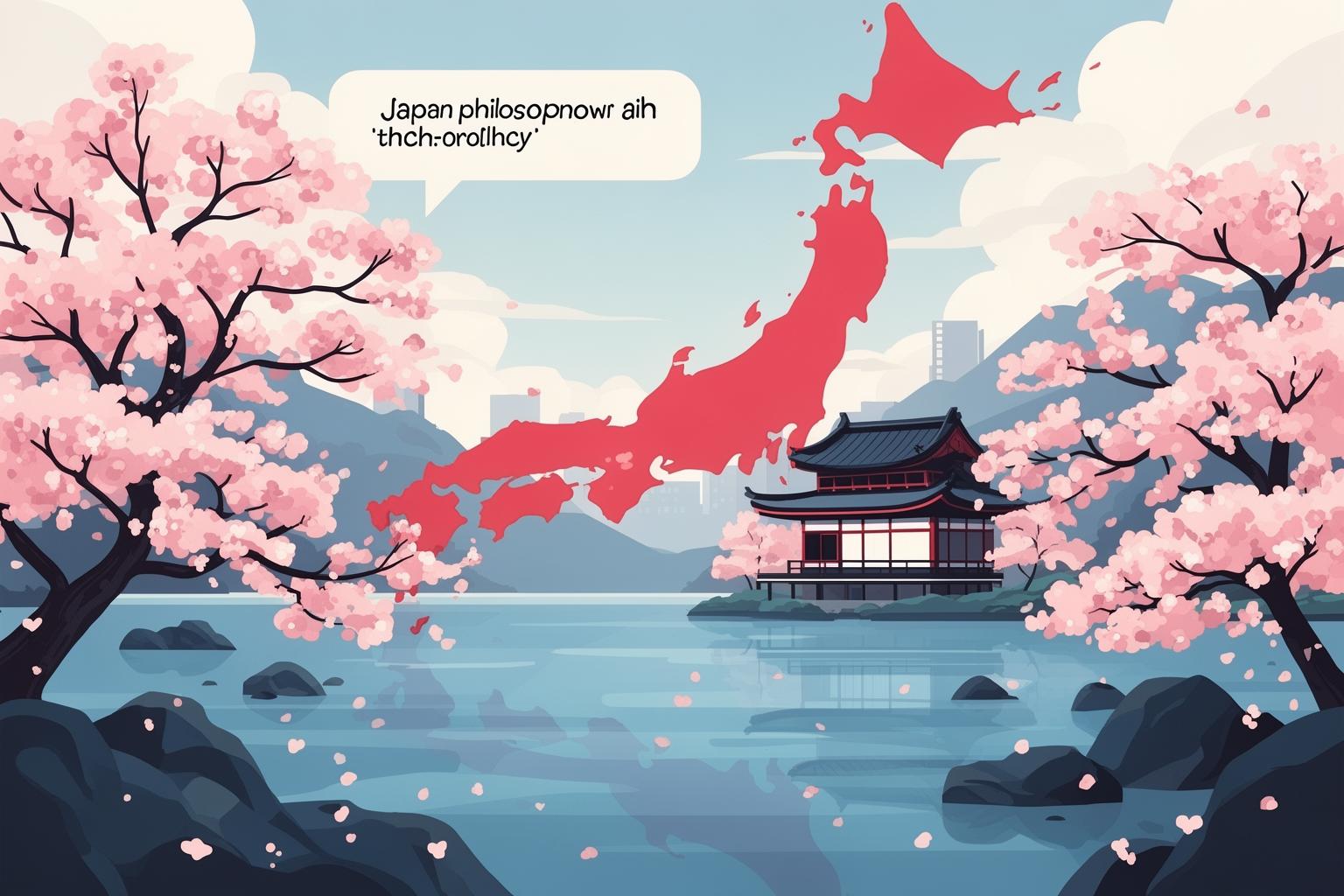
The story of Japanese whisky is not one of imitation, but of reinterpretation. When pioneers like Masataka Taketsuru and Shinjiro Torii embarked on creating Japan’s first whiskies in the early 20th century, their aim was not merely to copy Scotch. Taketsuru, who studied organic chemistry in Glasgow and apprenticed at several Scottish distilleries, returned with technical expertise. Yet what he and Torii, founder of Suntory, crafted with that knowledge was distinctly Japanese. They endeavored to produce a whisky that suited the Japanese palate and climate—a spirit that complemented the nation’s delicate cuisine and refined aesthetic sensibilities. Their intention was not to create a Japanese imitation of Scotch but to craft whisky in a Japanese way.
This distinction is vital. It raised the endeavor from simple commerce to a mission. Taketsuru was committed to finding the ideal location, ultimately choosing Yoichi in Hokkaido because its climate—the cold, moist air and proximity to the sea—closely mirrored that of the Scottish Highlands he admired. Torii, meanwhile, selected Yamazaki, a misty valley between Kyoto and Osaka, noted for its legendary soft water, the same water revered by the tea master Sen no Rikyū. These were not merely business choices but foundational philosophical decisions, early manifestations of kodawari. They recognized that the environment, the terroir, was not just an ingredient but a living collaborator in the creative process.
For the true shokunin, their work is a dō (道), a ‘path’ or ‘way,’ akin to chadō (the way of tea) or kendō (the way of the sword). The daily, repetitive tasks of their craft are not drudgery but a form of meditation, a means of self-cultivation. The aim is to refine one’s spirit through creation. The final product—the perfectly balanced whisky, the flawless pottery, the impeccably sharp blade—is almost a secondary outcome. The primary accomplishment is the refinement of the self through the mastery of the process. This is why a Japanese master may dedicate years, even decades, to perfecting a single, seemingly minor element of their craft. It is not about climbing a corporate ladder but about delving deeper into the essence of the work. This philosophy permeates the top-tier distilleries of Japan, where efficiency often yields to an unwavering pursuit of a specific, nuanced ideal.
Deconstructing Kodawari: The Unseen Details in Every Drop
The essence of Japanese whisky lies in the accumulation of countless small, deliberate, and often painstaking decisions. It is the tangible expression of kodawari. To the untrained eye, the process may appear similar to that of any other distillery worldwide. However, beneath the surface, at every stage, there is a layer of obsessive refinement that shapes the final product. By exploring the key elements of its creation, we can begin to appreciate the depth of this dedication.
The Water of Life (Mizu)
In Japan, water is never merely water. It is the lifeblood of the land, infused with purity and a unique character. The Japanese phrase for the spirits industry, mizu shōbai (水商売), literally means ‘the water trade,’ highlighting its fundamental significance. For a whisky distiller, choosing the water is the most crucial decision, the foundation upon which everything else is built. Japan’s geology provides exceptionally soft water, low in minerals, offering a clean, adaptable canvas for the distiller to craft flavors.
Suntory’s Yamazaki distillery exemplifies this water-centric philosophy. Its location was selected specifically for the region’s waters, long celebrated as the purest source for the tea ceremony. This was no marketing afterthought but the core founding principle. The softness of the water allows for more efficient flavor extraction from the malt and a smoother fermentation process, resulting in a spirit that is clean and delicate. Likewise, the Hakushu distillery, situated in the forests of the Southern Japanese Alps, draws water from snowmelt filtered through ancient granite. Distillers believe this water, with its exceptionally low mineral content, imparts a uniquely crisp and vibrant character to their whisky.
This is kodawari at its purest. It reflects the understanding that to create something extraordinary, one must start with an extraordinary foundation. The distiller does not view water as a simple ingredient tapped from the faucet; they regard it as the soul of the spirit, a gift from nature to be revered. They build their distillation temples in remote, often inconvenient locations—not for practicality, but in humble pilgrimage to the perfect source. This reverence for raw materials epitomizes the shokunin mindset.
The Art of Fermentation and Distillation (Hakko & Joryu)
After the malted barley is mashed with this precious water, fermentation begins. Once more, the Japanese approach reveals profound meticulousness. Whereas many distilleries globally use a single, standardized yeast strain for consistency, Japanese distillers often cultivate and maintain a diverse yeast library. They know different yeasts produce varied esters and flavor compounds, offering a wider palette of aromas—from fruity and floral to rich and funky. Different strains might be used for separate batches, creating a variety of new-make spirits destined for blending.
This complexity continues into distillation. The pot still, the large copper vessel where alcohol concentration occurs, is the distiller’s primary tool. Its size and shape deeply influence the final spirit. A tall still with a slender neck produces a lighter, more refined spirit, while a short, bulbous still yields a richer, more robust one. Instead of committing to a single design, some Japanese distilleries, notably Yamazaki, operate a remarkable assortment of stills of various shapes and sizes simultaneously under one roof. Different heating methods are employed—some stills are directly fired, generating a richer, toastier character, while others are indirectly heated to produce a cleaner profile.
This method is highly inefficient. It would be simpler and more cost-effective to produce a single style. Yet, the goal is not efficiency but complexity. By crafting a broad spectrum of spirits—light, heavy, fruity, smoky, clean, rich—the master blender gains an almost limitless range of notes for composition. The head distiller, often honored with the title tōji (borrowed from master sake brewers), relies not on computerized data alone but on sensory intuition—smell, sight, even sound—to guide distillation. They develop an intimate rapport with the stills, understanding their unique quirks. This is the shokunin’s profound dialogue with their tools, a human-copper conversation essential to their craft.
The Soul of the Cask (Taru)
If water is the whisky’s soul and distillation its heart, then the cask is its body and character. Years aging in wood transform a harsh, clear spirit into the complex, colored liquid known as whisky. It is in the art of cooperage and cask management that Japanese whisky truly sets itself apart.
Japanese distillers use various casks, including American bourbon barrels and Spanish sherry butts, but their most iconic contribution is the Mizunara oak cask. Mizunara (水楢), or ‘water oak,’ native to Japan, is a cooper’s challenge. It grows crooked, is notoriously porous and prone to leaks, and requires at least 200 years of growth before harvesting for cask-making. It is difficult, costly, and extremely rare, making it a rational choice to avoid.
Yet Japanese distillers persevere. This is the essence of kodawari. They endure Mizunara’s immense challenges because it imparts an utterly unique, deeply Japanese flavor profile. Whiskies aged in Mizunara develop remarkable notes of sandalwood, agarwood (kyara incense), coconut, and oriental spices. These scents resonate within Japanese culture, evoking the calm of a temple or the refined elegance of a traditional ceremony. Choosing to master this difficult wood was an artistic decision driven by a wish to craft a whisky with an authentic Japanese voice—not a commercial one.
Beyond Mizunara, mastery over casks is profound. Coopers at distilleries are shokunin in their own right, meticulously building, repairing, and charring barrels to precise standards. The master blender and team oversee tens of thousands of individual casks, knowing each is a living, breathing ecosystem with its own personality and maturation path. They understand a cask’s warehouse location—warmer higher shelves or cooler lower spots—impacts development. Their role isn’t passive waiting but active stewardship, guided by nearly a sixth sense for when a cask is ready.
The Harmony of Blending (Chogo)
The final creative act is blending, or chogo (調合). Even single malt whisky is not from a single cask; it is a blend of many casks from the same distillery, each with different ages, types, and maturation profiles. The master blender’s job is to unite these diverse elements into a seamless, harmonious whole. This art demands prodigious memory, an extraordinarily sensitive palate, and the vision to foresee how flavors will meld and evolve not only in bottle but over time.
In the West, blending primarily aims for consistency—ensuring this year’s 12-year-old matches last year’s exactly. In Japan, while consistency is valued, the greater aspiration is absolute balance and harmony, or wa (和). The Japanese master blender functions like a conductor of a vast orchestra, each cask a different instrument. Their task is to select the precise mix of casks that creates a perfect symphony of flavor. They might add a smoky Yoichi bourbon barrel for a bass note, a fruity Miyagikyo sherry butt for the melody, and a whisper of Yamazaki Mizunara cask to bring complex, spicy harmony.
This process is painstaking. A chief blender and team may sample hundreds of whiskies daily, taking careful notes and mentally constructing future blends. They do more than merge flavors; they tell a story, crafting an experience with a beginning, middle, and long, lingering finish. The final blend stands as a testament to their profound knowledge of the spirit library and unwavering dedication to perfection. It is the culmination of all kodawari — from the water to the still, to the cask—brought together in a final, sublime expression of balance.
The Shokunin Vibe: Who is This For?
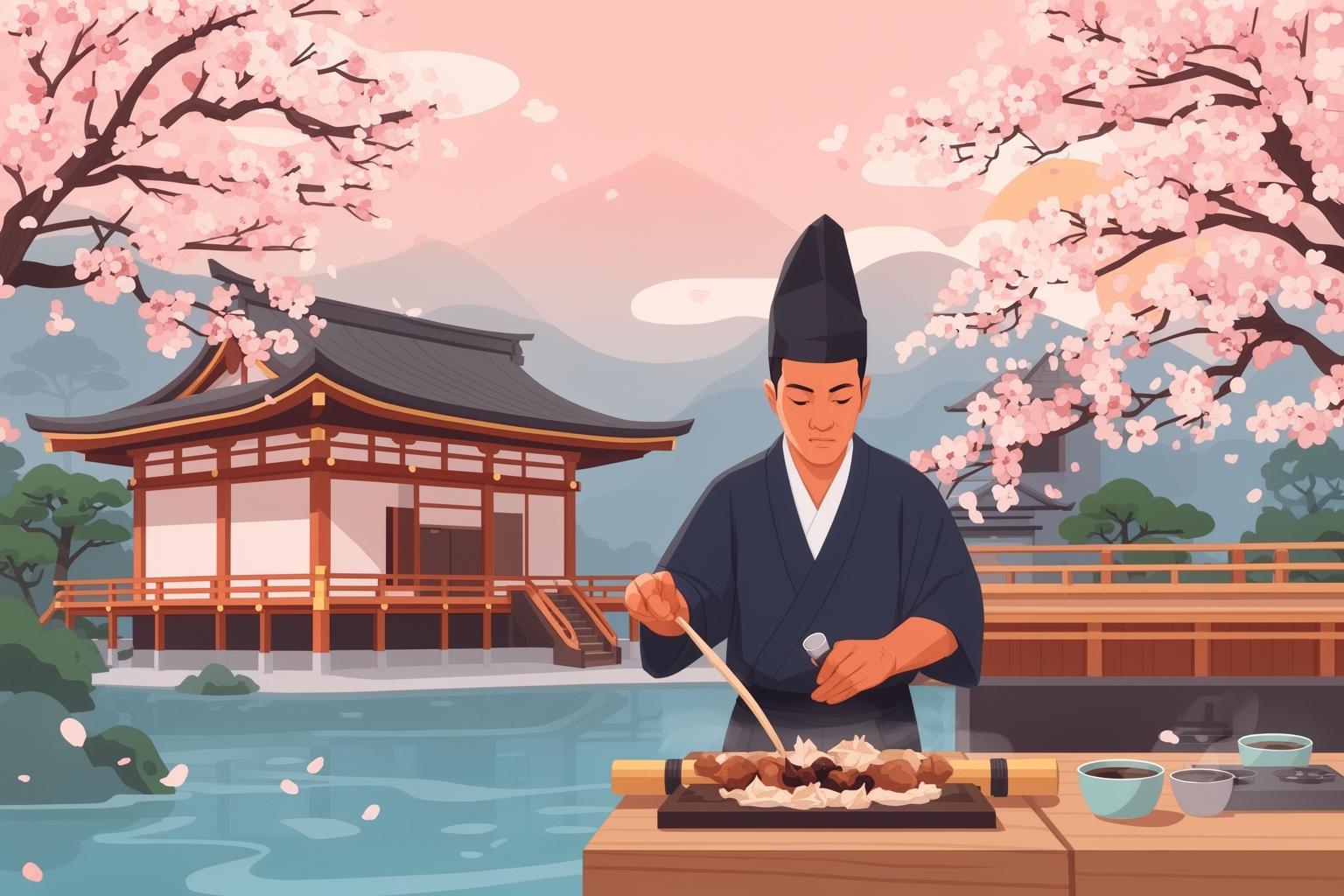
So, who exactly is the audience for this obsessive craftsmanship? Why does a bottle of Yamazaki 18 or Hibiki 21 command such reverence and a premium price? It’s not merely about rarity or media buzz. The subculture surrounding Japanese whisky is rooted in an appreciation for the philosophy behind the spirit. It appeals to those weary of the disposable, the mass-produced, and the soulless. It is for individuals who seek depth and a story.
The person pursuing a top-tier Japanese single malt often embraces a form of ‘slow consumption.’ They are not just purchasing a brand; they are embracing an ethos. They want to understand the water source, the shape of the pot stills, and the origin of the Mizunara oak. The story carries equal weight to the taste because it gives the flavor its meaning. Drinking the whisky becomes an act of joining the shokunin’s journey—a moment of quiet reflection and a connection to the immense time and effort sealed within the bottle.
This is why the ritual of drinking holds such significance. You won’t find people doing shots of Hakushu 25. The experience is approached with a certain reverence. It may involve a specially designed, delicate glass that concentrates the aromas. If ice is added, it’s typically a single, perfectly clear, hand-carved sphere that melts slowly, chilling the drink without diluting it too fast. The setting is often calm, allowing the drinker to fully focus on the complex sensory experience. This ritual isn’t pretentiousness; it is respect. It is the consumer’s way of honoring the kodawari of the creator. By taking the time to savor the whisky properly, the drinker completes the circle of intention that began decades ago when a distiller chose a specific land for its water.
This subculture acts as a counterbalance to the modern world’s relentless pursuit of more, faster, and cheaper. The shokunin presents an alternative path: better, slower, and more meaningful. In an era of fleeting digital content and passing trends, a bottle of finely crafted whisky stands for something tangible, enduring, and rich with narrative. It is for anyone who believes some things are worth waiting for and that true quality stems from unwavering, passionate dedication.
Beyond the Bottle: Kodawari in Modern Japan
The spirit of the shokunin extends far beyond distilleries. Japanese whisky stands as a striking and internationally acclaimed example of a mindset deeply embedded in the pinnacle of craftsmanship throughout Japan. Once you grasp the ideas of shokunin and kodawari, you begin to recognize them everywhere in the country.
You see this in the sushi master who, like the renowned Jiro Ono, requires apprentices to spend a full decade mastering the preparation of rice and eggs before they are permitted to handle any fish. Their kodawari lies in the precise temperature of the rice, the exact pressure used to shape the nigiri, and the delicate application of wasabi that best complements each particular cut of fish.
You see it in the bladesmiths of Sakai or Seki, whose families have forged knives for generations. A master sharpener will run their fingers along a blade’s edge, not only to assess its sharpness but to sense its spirit and balance. They dedicate days to perfecting a single knife, using a succession of grinding wheels with progressively finer grits until the edge becomes a flawless, microscopic mirror.
You even find it in seemingly modest professions. The barista in a small Tokyo kissaten who performs a pour-over coffee ritual with the focused elegance of a tea ceremony. The station master on the Shinkansen platform, pointing with crisp, intentional gestures that embody a commitment to safety and precision. The bamboo weaver who spends a lifetime working with one material, understanding its tensions, flexibility, and very essence to craft baskets of extraordinary lightness and strength.
These are all shokunin. They share a profound dedication to their chosen ‘path.’ Their work defines their identity. This cultural ethos offers a meaningful counterpoint to the Western ‘gig economy’ and the notion of constantly switching careers. The shokunin ideal values depth over breadth and mastery over multitasking. It honors the dignity of labor and the quiet, internal fulfillment derived from excelling at one thing.
So, the next time you have the chance to savor a truly exceptional Japanese single malt, pause before you drink. Reflect on the journey that liquid has undergone. It began as mountain rain seeping through ancient rock. It was nurtured by brewers who regarded yeast as a living partner. It was sculpted by the fiery breath of a copper still, steered by a master attuned to its voice. It rested for years, sometimes decades, in a cask crafted from a stubborn, sacred tree, absorbing its mysteries. Finally, it was chosen from thousands by a blender who recognized its place in perfect harmony.
What you hold is not merely aged grain and water. It is a liquid testament to a philosophy. It is the flavor of patience, relentless dedication, and the belief that true excellence is a life worth pursuing. You are tasting the quiet, unwavering, and profoundly resonant soul of the shokunin.