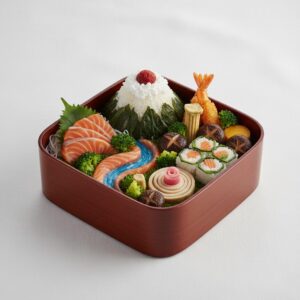
It’s easy to dismiss the bento box as just a packed lunch. In the West, that phrase conjures images of a crushed sandwich in a brown paper bag, maybe a bruised apple and a bag of chips. It’s fuel, assembled with minimal effort to get you through the workday. Functional, but rarely beautiful. Forgettable, by design. I thought I understood the concept until my first long-term stay in Japan, when I saw what a packed lunch could truly be. It was at a small park, watching a young mother unwrap a cloth bundle for her toddler. Inside wasn’t a mishmash of items, but a miniature, edible landscape. Rice shaped like a rabbit, tiny octopus-shaped sausages with hand-cut seaweed eyes, broccoli florets like little trees, and slices of bright orange carrot cut into flowers. The child’s face lit up, not just with hunger, but with pure delight. It wasn’t just lunch; it was a gift. That small, profound moment completely reframed my understanding. The Japanese bento box is not merely a container for food. It is a canvas for culinary art, a vessel for unspoken affection, a lesson in nutritional philosophy, and a daily ritual that connects millions. It’s a quiet, powerful expression of care that says, “I’m thinking of you,” “Eat well,” and “Enjoy this little moment of beauty.” To understand the bento is to look past the ingredients and see the intention, the history, and the intricate cultural grammar packed tightly into every corner.
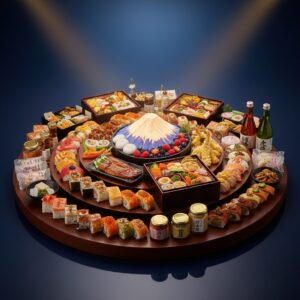
This intimate culinary artistry not only elevates the humble bento but also reflects Japan’s broader food narrative, as seen in the vibrant depachika food theaters, where gastronomic displays transform everyday meals into dramatic art forms.
A Box of History: From Samurai Rations to Everyday Ritual
The bento we know today, with its vibrant colors and careful arrangements, is the result of a long and intriguing evolution. Its origins date back over a thousand years, deeply connected to the practical needs and aesthetic values of Japanese society through the ages. It didn’t simply appear fully formed; it was shaped by warlords, travelers, theater attendees, and eventually, the everyday office worker and schoolchild.
Humble Origins
The idea of a portable meal in Japan is ancient. As early as the Heian period (794-1185), people carried onigiri—simple rice balls—while working in the fields or traveling, serving as practical nourishment. However, the true forerunner of the bento box can be traced to the Kamakura period (1185–1333) with the creation of hoshi-ii, or dried rice. This could be carried in a small bag and eaten as is or rehydrated with hot or cold water, making it a perfect ration for samurai on the move. It was the epitome of functional, portable food.
The bento began evolving from pure practicality into an object of refinement during the Azuchi-Momoyama period (1568-1600). This era of unification and cultural opulence saw wealthy nobles and samurai bringing elaborate, beautifully lacquered boxes filled with delicacies on outings for hanami (cherry blossom viewing) or outdoor tea ceremonies. The food was part of the aesthetic experience, as much as the surrounding scenery or ceremony itself. The box became a statement piece, reflecting the host’s taste and status. This period established the key connection between portable food and refined leisure, a bond central to the bento’s identity.
The Edo Period Elevation
During the long and peaceful Edo period (1603-1868), bento culture truly flourished and became accessible to a broader segment of society. With domestic travel booming and popular arts like Kabuki and Noh theater thriving, the demand for convenient, high-quality portable meals increased sharply. This led to the rise of the koshibentō, or “waist bento,” a simple box often containing a few onigiri, which travelers and laborers could tuck into the sash of their kimono.
More notably, this period saw the creation of the makunouchi bento, meaning “between acts bento.” Originally developed for theatergoers to eat during intermissions, these were more elaborate. They included a variety of small, tasty dishes alongside rice, all arranged artfully in a rectangular box. The components were chosen to taste good even when cold and be easy to eat with chopsticks in crowded theaters. The makunouchi bento established a format—a balanced assortment of rice, meat or fish, and assorted vegetable side dishes—that remains one of the most classic bento styles today.
Modernization and the Rise of the Kyaraben
The Meiji Restoration in 1868 propelled Japan into rapid industrialization and modernization. As railways spread across the country, a new style of bento emerged: the ekiben, or “station bento.” The first is said to have been sold at Utsunomiya station in 1885, consisting of just two onigiri and some pickled daikon radish wrapped in bamboo. From these modest beginnings, ekiben grew into a nationwide culinary sensation, with each region creating its own unique version featuring local specialties. Ekiben transformed train travel from a mere necessity into a gastronomic adventure.
In the 20th century, the bento became an essential part of school and work life. Mothers began preparing bentos for their children to take to school and for their husbands to bring to the office, solidifying the bento’s role as a fundamental expression of domestic care. The post-war economic boom introduced the aluminum bento box, a sturdy and modern container that became an icon of the era. More recently, this tradition has blossomed into the spectacular and often competitive art of kyaraben (character bento). Motivated by a desire to make food more appealing to picky eaters and amplified by social media, parents now create intricate bentos featuring characters from anime, manga, and video games. This modern evolution is a testament to the bento’s remarkable adaptability, showing that this ancient tradition is very much alive and continually evolving.
The Unspoken Rules: Anatomy of a Perfect Bento
Creating a bento is much more than simply placing leftovers into a box. It is a thoughtful and deliberate process guided by aesthetic and nutritional principles that have been honed over centuries. These principles are not strict rules but rather a philosophy designed to craft a meal that is balanced, visually appealing, and enjoyable for all the senses. Central to this philosophy is the concept of washoku, traditional Japanese cuisine, which values balance, seasonality, and harmony.
The Philosophy of Five: Goshiki, Gomi, Goho
This set of principles is the key to making an outstanding bento. It represents a holistic approach that ensures the meal is nutritionally sound while also being visually attractive and delicious. Achieving this balance is the mark of an experienced bento maker.
Goshiki (Five Colors)
The first feature that stands out in a well-prepared bento is its vibrant color scheme. This is intentional. The principle of goshiki calls for five essential colors: red, green, yellow, white, and black (or dark colors such as purple and brown). Red might come from cherry tomatoes, pickled plums (umeboshi), or bell peppers. Green is commonly provided by blanched spinach, broccoli, or edamame. Yellow is typically represented by tamagoyaki (a sweet rolled omelet) or corn. White is the base, typically from rice. Black or dark tones might be added through black sesame seeds, sheets of nori seaweed, simmered shiitake mushrooms, or hijiki seaweed salad. The purpose is not only aesthetic but also a straightforward way to ensure a variety of vitamins and minerals. A colorful meal is almost always a nutritious one.
Gomi (Five Flavors)
Beyond color, a bento should delight the palate with a complex balance of flavors. The principle of gomi encourages including the five fundamental tastes: sweet, sour, salty, bitter, and umami. Sweetness may come from tamagoyaki or simmered pumpkin. Sourness is often provided by pickles (tsukemono), which also refresh the palate. Saltiness can be found in grilled fish marinated in soy sauce or salted plums. Bitterness might be added through certain greens or a sprinkle of goma (sesame) dressing. Umami, the savory fifth taste, is present in ingredients such as dashi, mushrooms, and soy sauce. A meal that incorporates all five flavors feels complete, satisfying, and nourishing.
Goho (Five Cooking Methods)
Finally, textural variety is achieved by goho, which involves using five different cooking techniques. An ideal bento contains something raw (nama), simmered (niru), grilled (yaku), steamed (musu), and fried (ageru). For example, a single bento might include fresh tomato slices (raw), chicken simmered in a sweet soy broth (simmered), a small fillet of salted salmon (grilled), a steamed shumai dumpling (steamed), and vegetable tempura (fried). This diversity not only makes the meal more engaging to eat but also highlights the maker’s skill and care. It prevents monotony and ensures each bite offers a new experience.
The Principle of Balance and Separation
Beyond the philosophy of fives, the physical arrangement inside the box is crucial. A key objective is to prevent the meal from becoming disorganized during transport. This means packing everything snugly with no empty spaces. Each component is arranged thoughtfully to complement the others.
Separation is equally vital. In Japanese cuisine, flavors are typically meant to be enjoyed individually rather than blending together. To achieve this, bento makers use various tools. Traditionally, baran—green, jagged plastic dividers designed to resemble Aspidistra leaves used historically—serve this purpose. Silicone cups in different shapes and colors have become common for holding small, saucy side dishes. Even lettuce leaves can create natural, edible compartments. The aim is to keep the delicate flavor of a simmered vegetable from being overwhelmed by the dressing of a nearby salad. This careful separation reflects a wider cultural appreciation for purity and clarity of taste.
A common, though informal, guideline for packing is the 4:3:2:1 ratio. This suggests four parts rice, three parts main protein (such as fish, meat, or tofu), two parts vegetables, and one part pickles or dessert. It’s a simple rule of thumb that helps create a meal that is nutritionally balanced and visually harmonious, ensuring that no one element dominates the others.
A Message in a Meal: Bento as a Form of Communication
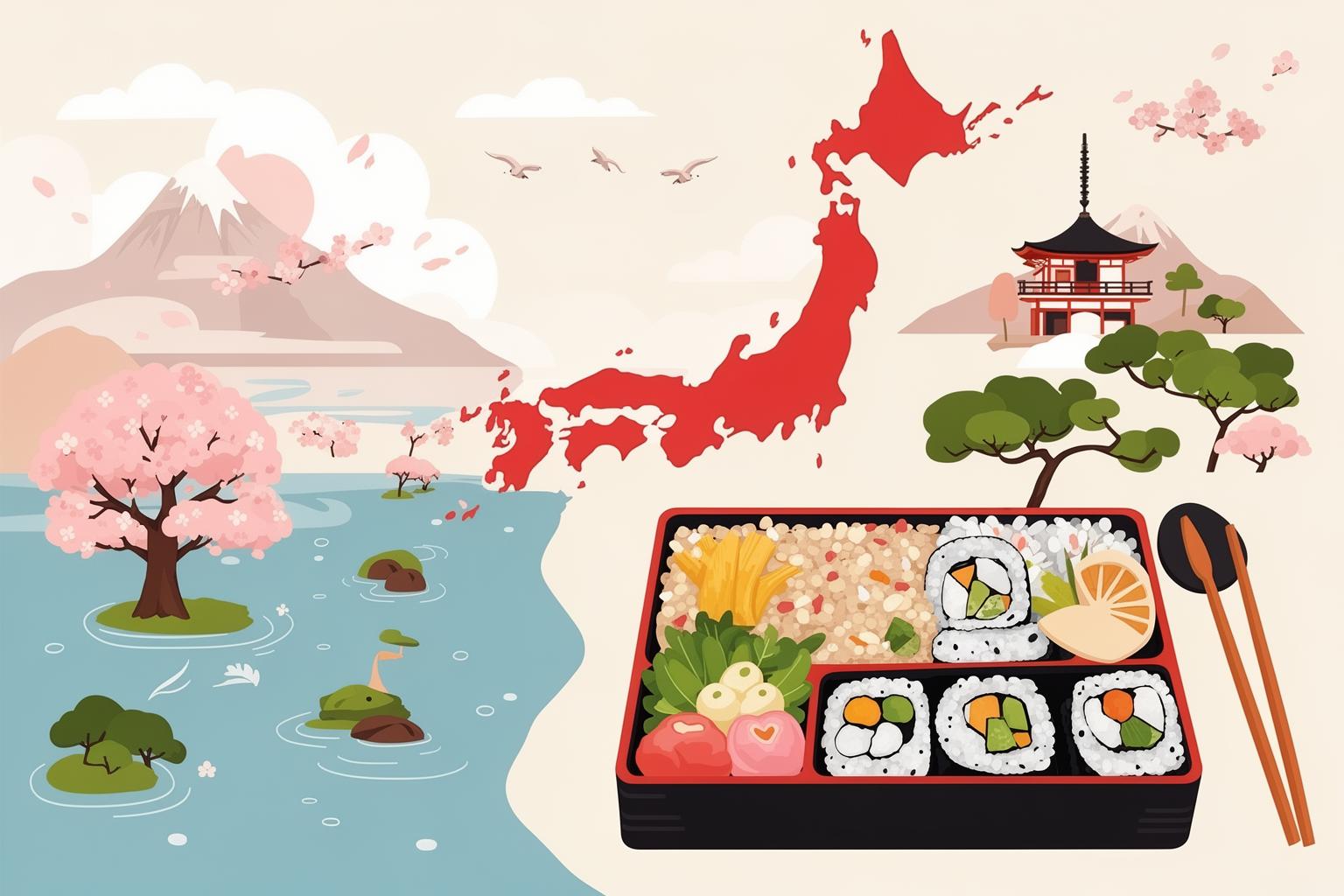
Perhaps the most profound aspect of the bento lies in its function as a medium for nonverbal communication. It serves as a tangible expression of emotions, relationships, and social roles. The time, effort, and care poured into preparing a bento convey a message understood without a single word. In its own way, it is a language of love.
The Labor of Love: Okaa-san’s Bento
This is most evident in the tradition of mothers (okaa-san) making bento for their young children. For a child in kindergarten or elementary school, opening their bento at lunchtime offers a moment of connection to home. It’s a reminder of their mother’s presence and affection during a long day. The food is thoughtfully chosen not only for nutrition but also for visual appeal. Sausages are famously carved into little octopuses, apple slices shaped like bunnies, and rice balls formed into pandas. This isn’t just playful—it’s a deliberate effort to encourage the child to eat a healthy, balanced meal.
However, this tradition can also bring considerable social pressure. In certain school settings, the quality of a child’s bento is viewed as a direct reflection of their mother’s dedication. An elaborate, beautiful bento signals a devoted, caring mother, while a simple or store-bought one may invite unspoken judgment. This has sparked a form of “bento one-upmanship” and even special classes where mothers learn advanced kyaraben techniques. Though rooted in love, this tradition underscores the heavy expectations placed on mothers in Japanese society.
Aisai Bento (Beloved Wife Bento)
The bento as a symbol of love also extends to spousal relationships. The aisai bento, or “beloved wife bento,” is the lunch a wife prepares for her husband. Traditionally, it represents wifely devotion and the stability of a happy household. For the husband, bringing a homemade bento to work is a source of pride—a subtle message to his colleagues that he is well cared for. It’s a lunch packed with the warmth and comfort of home, providing a welcome break during a stressful day.
In recent years, as more women work outside the home and gender roles evolve, the aisai bento has become less automatic. Some men even take pride in making their own bento, a trend known as otoko no bento. Still, the ideal of the aisai bento remains a powerful cultural symbol, often romanticized in media as the ultimate expression of marital affection.
When Bentos Go Bad: The Shikaeshi Bento (Revenge Bento)
If a bento can express love, it can also convey anger. The darkly humorous counterpart to the loving bento is the shikaeshi bento, or “revenge bento.” When a wife is upset with her husband, she may channel her frustration into his lunchbox, creating a passive-aggressive masterpiece. The tactics are ingeniously creative. A revenge bento might contain nothing but uncooked rice with a single sour umeboshi in the center, or seaweed arranged to spell an insult like 「バカ」 (baka/idiot). Another classic is a character bento purposely designed to look ugly or unsettling. Or perhaps most cuttingly, a bento filled with a single hated ingredient. The husband then faces a dilemma at work: go hungry or expose his domestic troubles to colleagues. This proves the communicative power of the bento, capable of turning a daily act of care into a silent, potent argument.
The Bento Ecosystem: More Than Just a Home-Packed Lunch
While homemade bento holds a special place in Japanese culture, it represents just one facet of a vast and diverse bento ecosystem. Commercially available bento play an essential role in everyday life in Japan, catering to every taste, budget, and occasion. From train platforms to the gleaming basements of department stores, these ready-made meals provide convenience without sacrificing the fundamental principles of balance and quality.
Ekiben: A Culinary Journey by Rail
For anyone traveling through Japan by train, the ekiben is an unforgettable part of the journey. These station bento are much more than simple travel food; they celebrate regional culinary identity. Each region, and often every major station, features its own signature ekiben, carefully crafted to highlight local ingredients and specialties. In Hokkaido, you might encounter a bento brimming with fresh crab, salmon roe, and sea urchin. In Gunma’s mountainous region, the famous Toge no Kamameshi bento is served in a reusable ceramic pot, with chicken and vegetables cooked alongside rice. In Toyama, the masu-zushi bento offers beautifully pressed trout sashimi over vinegared rice, wrapped in bamboo leaves.
The ritual of choosing an ekiben adds to the pleasure of train travel. Vendors on the platform and shops within the station showcase dozens of varieties, each with distinctive, often elegant packaging that hints at the delights inside. Eating an ekiben on the Shinkansen as the Japanese countryside rushes by is a quintessential travel experience—a way to literally taste the landscape passing beneath you. It elevates a simple meal into a memorable part of the journey.
Konbini Bento: The Everyday Lifesaver
At the other end of the spectrum is the modest konbini (convenience store) bento. For visitors from countries where convenience store food is often a last resort, the quality and variety of Japanese konbini bento can be eye-opening. Stores like 7-Eleven, FamilyMart, and Lawson offer an astonishing range of options—from classic makunouchi bento to curry rice, pasta, and noodle dishes. These meals are surprisingly fresh, nutritionally balanced, and very affordable.
The konbini bento is the backbone of the bento world. It’s the preferred lunch for millions of office workers, students, and singles who may lack the time or desire to prepare their own. It represents a modern evolution of the bento concept, fulfilling the promise of a satisfying, well-rounded meal in a convenient, accessible form. Far from being a poor substitute for a homemade meal, the konbini bento is a dependable and often delicious answer to the demands of fast-paced urban life.
Depachika Deluxe: The Gourmet Experience
For a truly indulgent bento experience, one must explore the basement of a Japanese department store. These extensive food halls, known as depachika, are a haven for food enthusiasts, with bento selections that are unmatched. Here, you will find bento created by renowned restaurants and prestigious culinary brands, often costing several times more than a konbini bento.
The ingredients are premium: top-grade wagyu beef, fatty tuna, and seasonal vegetables sourced from specific farms. The preparation is flawless, and the presentation exquisite, often served in elegant, multi-tiered lacquer boxes. A depachika bento is not meant for everyday dining; it is chosen for special occasions—a picnic in a scenic garden, a family celebration, or simply an indulgent personal treat. It represents the zenith of the bento art form, where convenience merges seamlessly with haute cuisine.
Crafting Your Own: A Beginner’s Mindset

After experiencing and tasting the incredible variety of bento in Japan, it’s natural to feel inspired to create your own. Approaching this doesn’t mean you need to become a master chef overnight. It’s about adopting a mindset of thoughtfulness and care, starting with a few basic principles and essential tools. As someone who spends a lot of time outdoors, I value a meal that’s not only nourishing but also sturdy enough to travel well, and the bento philosophy has taught me a great deal.
Essential Tools of the Trade
You don’t need a kitchen full of gadgets, but a few key items make the process easier and more enjoyable. The first, of course, is the bento box itself. They come in various shapes, sizes, and materials—from traditional cedar or cypress wood (which has natural antibacterial properties and a lovely fragrance) to modern BPA-free plastics that are microwave and dishwasher safe, as well as durable stainless steel. Choose one that suits your portion needs.
Inside the box, dividers are invaluable. These can be adjustable partitions included with the box, or silicone baking cups used to hold wet ingredients. Small, leak-proof containers for sauces are also essential. For adding a touch of artistry, simple cookie cutters can shape vegetables or sandwiches, and nori punches create intricate seaweed faces and patterns with little effort.
Building Blocks for a Balanced Box
The key to a stress-free bento is having a repertoire of simple, packable staples. You don’t need to prepare a five-course meal from scratch each morning. Many components can be made ahead of time.
- Tamagoyaki: The Japanese rolled omelet is a bento favorite. It’s delicious cold, adds a bright splash of yellow, and can be prepared the night before.
- Mini Sausages: A kid’s delight, but secretly enjoyed by adults too. Making a small slit at the end before pan-frying causes them to curl up like octopuses.
- Blanched Vegetables: Broccoli, green beans, and spinach work perfectly. A quick blanch in salted water makes them vibrant green and tender-crisp. Be sure to squeeze out all excess water afterward.
- Karaage: Japanese fried chicken is crafted to taste great even at room temperature, making it an ideal protein choice.
- Onigiri: Rice balls are the ultimate portable snack. They can be plain or filled with anything from salted plum to tuna mayo, shaped into a variety of forms.
- Pickles (Tsukemono): A small portion of pickles adds a crunchy, acidic contrast and helps with digestion.
Cooling is Crucial
This is the single most important rule in bento making and a non-negotiable step for food safety and quality. Every component—the rice, protein, and vegetables—must be cooled to room temperature before packing and sealing the box. Packing warm food causes condensation inside the container, creating moisture that breeds bacteria and speeds spoilage, especially if the bento will sit for several hours before being eaten. It also makes everything soggy. This step is fundamental to the ritual. The time taken to let food cool is a moment of pause, a final invisible act of care to ensure the meal is both safe and delicious when opened.
At its heart, the bento box is a microcosm of Japanese culture. It reflects the aesthetic principle of beauty in miniaturization, nutritional wisdom in balance, the social importance of nonverbal communication, and the profound ability to transform an everyday necessity into an artful expression of love. This tradition has endured for centuries, evolving with the times while holding firmly to its core values.
The next time you come across a bento, whether it’s an elaborate kyaraben on social media or a simple box at a local Japanese restaurant, take a moment to observe closely. Notice the deliberate arrangement of each ingredient, the harmony of colors and shapes, and the thoughtful separation of flavors. Understand that you’re not just looking at a packed lunch—you’re seeing a story: a story of history, place, and, above all, the quiet, deliberate care of one person for another, all sealed within a box.