You’ve seen the pictures. A narrow, lantern-lit alley, steam billowing from a food stall, the low murmur of conversations spilling out from behind a sliding door. It’s the quintessential image of nightlife in Japan, a world away from the gleaming skyscrapers and serene temples. This is the yokocho, the side alley, the arterial network of Japan’s urban soul. And within these alleys exists a ritual, a specific art of moving through the night: hashigo-zake.
Directly translated, it means “ladder sake,” or “ladder drinking.” The name itself paints a picture: you’re climbing a ladder, rung by rung, from one establishment to the next. This isn’t the chaotic pub crawl of Western cities, a mad dash toward oblivion. Hashigo-zake is a more deliberate, more flavorful journey. It’s a progressive dinner in liquid form, a curated exploration of tastes, atmospheres, and conversations. It’s about sampling the unique character of several small, specialized places in a single evening, rather than committing to one.
To truly understand hashigo-zake, we need to look through the eyes of its original master: the mid-century Japanese salaryman. In the booming, high-pressure decades after the war, particularly the 1960s and 70s, work life was all-consuming. The yokocho became a vital escape valve, a third space between the rigid hierarchy of the office and the obligations of home. It was here, in these cramped, smoky corridors, that men in identical suits could shed their corporate skin, bond with colleagues, and find a moment of unscripted humanity. Their method of unwinding wasn’t just drinking; it was this nomadic ritual of hashigo-zake, a practice that turned a simple night out into an adventure. Learning its rhythm isn’t just about ordering drinks; it’s about tapping into a core piece of Japanese social history that still echoes in the alleys today.
The captivating energy of Japan’s urban nightlife continues to evolve, inviting readers to further immerse themselves in the unconventional allure of chika idols, which reveals yet another vibrant layer of the nation’s after-hours culture.
The Soul of the Yokocho: Japan’s Living Rooms
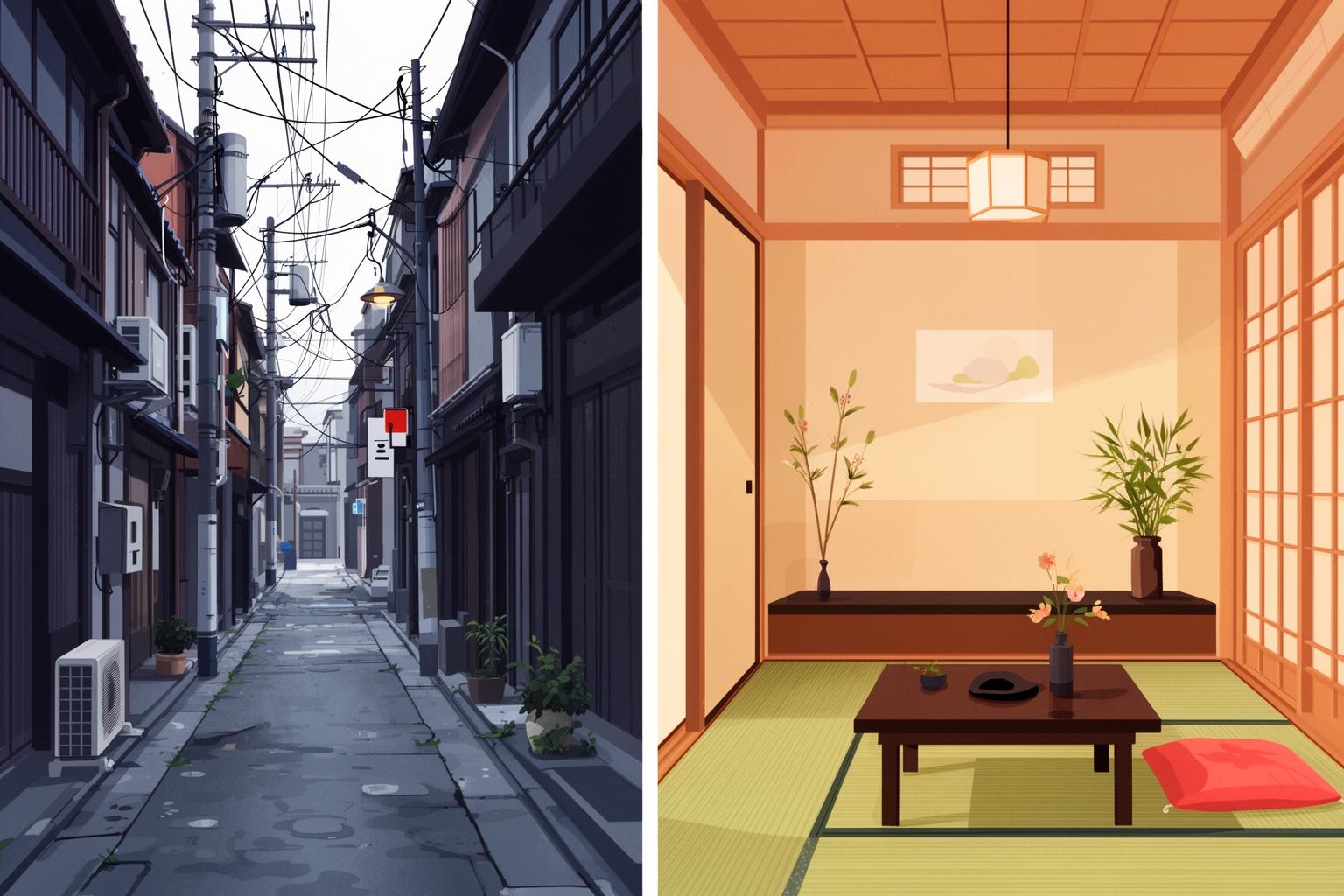
Before you take your first step onto the ladder, it’s important to understand the arena. Yokocho are not modern inventions created for tourists. Most are living relics, emerging from the black markets and makeshift stalls that appeared amid the rubble of post-WWII Japan. They arose out of necessity, built on a human scale, tucked into forgotten spaces between railway tracks and new buildings. This origin is evident in their very design: they are cramped, informal, and deeply communal.
A typical yokocho venue might have only six seats, all arranged at a worn wooden counter. There is little to no personal space. You’ll be sitting elbow-to-elbow with strangers, coats hanging on a shared hook behind you. The air is thick with the scent of grilled meat, dashi broth, and aged wood. This isn’t a design flaw—it’s intentional. The close quarters break down social barriers. In a society that values reserve and clearly defined roles, the yokocho counter acts as a great equalizer. Inside, the company president and the junior clerk are simply two patrons sharing a plate of yakitori.
The historical context of the salaryman is essential here. For decades, a man’s life revolved around his company. The concept of nomikai—company drinking parties—wasn’t just a social gathering; it extended the workday. But hashigo-zake was different. Though it often began with colleagues, it frequently evolved into a more personal experience. It offered a way to unwind after the formal drinking party, a space where the strict uchi-soto (inside/outside) social dynamics could soften. The yokocho was the salaryman’s living room, his confession booth, his stage. Understanding this shifts your perspective of the space from a simple collection of bars to a crucial piece of social infrastructure.
Decoding Hashigo-zake: The Unwritten Rules of the Ladder
Hashigo-zake is guided by an unspoken philosophy—a dance of moderation and variety. The aim is not to get drunk at one spot, but to savor a series of moments. Each stop on the ladder should offer something unique—a new flavor, a new drink, a new conversation. Lingering too long or ordering too much in one place breaks the rhythm and reveals a lack of sophistication. The true hashigo-zake connoisseur is a wanderer, always curious about what lies beyond the next curtain.
There are three fundamental principles to this art.
The first is specialization. Yokocho thrive on it. One small shop perfects grilled chicken skin, while the neighbor is run by an elderly woman who only serves oden. The bar across the street boasts a curated selection of rare sake. Hashigo-zake grants you the freedom to sample the best of each. You don’t go to a yakitori master’s grill and order ramen—you have a couple of skewers and a beer, thank the master, and move on. This honors the craft of every establishment.
The second is pacing. A typical hashigo-zake outing involves three to four stops, called ikkengen-me (first house), nikengen-me (second house), etc. Each has its role. You begin light, move to something heartier, and finish with a particular closing dish. It’s a narrative arc. Rushing or getting stuck at the second stop means missing the satisfying conclusion.
The third is social grace. Because these spaces are intimate, your behavior matters. You are, for a brief moment, a guest in someone’s home. Acknowledge the owner, the taisho (master), or mama-san with a nod. Avoid loud phone conversations. If you sit beside a regular, a simple greeting is fitting. The magic of the yokocho lies in these brief connections—the shared experience of gathering together against the night. Going with the flow and contributing to it, rather than disrupting it, marks someone who truly understands.
The Salaryman’s Playbook: A Step-by-Step Guide to the Night
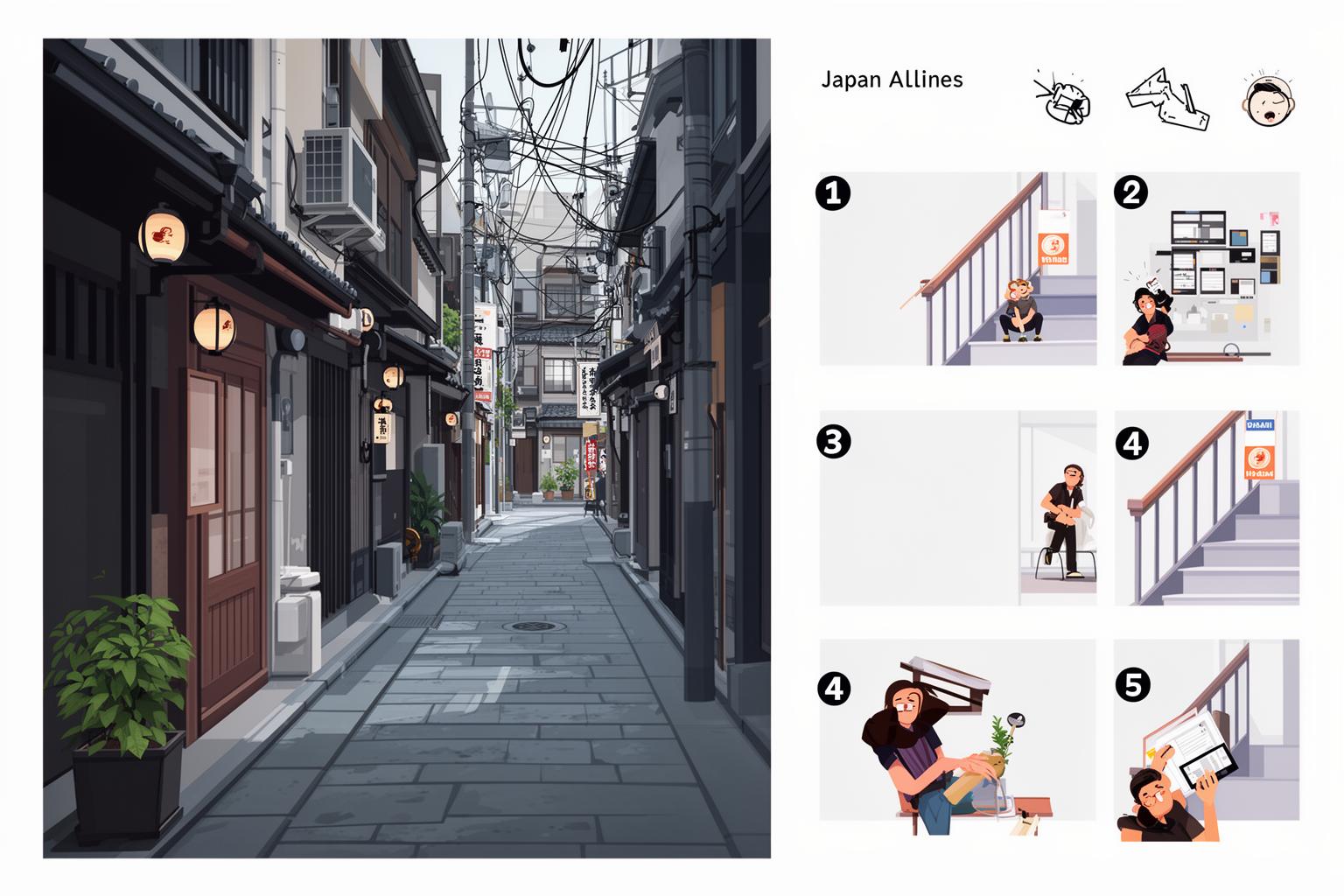
Imagine you’ve just wrapped up a long day. You find yourself in Shinjuku, or Yurakucho, or any of Tokyo’s office districts. The sun has set, neon signs are flickering to life, and the call of the yokocho is irresistible. Here’s how a classic hashigo-zake night typically unfolds, following the footsteps of a 1970s salaryman ghost.
The First Stop (Ikkengen-me): The Warm-Up
The evening kicks off at an izakaya, a traditional Japanese pub. This lays the foundation for the night. The aim here isn’t to get full, but to whet your appetite and spark conversation. The first order is almost automatic: “Toriaezu, biru.” (“For now, beer.”) It’s the universal signal to start the night. The beer is crisp and cold, washing away the day’s fatigue.
With the beer, you order a few simple, quick appetizers, or otsumami. Think edamame, hiyakko (cold tofu), or light pickles. These accompany the drink rather than serve as a meal. This first stop sets the tone. You linger for about 45 minutes to an hour, have one or two drinks, pay your bill (often leaving cash neatly on a small tray), give a slight bow to the staff, and step back out into the alley. The night is young, and the ladder awaits.
The Second Stop (Nikengen-me): The Main Event
Now you’re ready for the heart of the evening. The second stop invites you to indulge in something more specific and substantial. It’s the moment to seek out a specialty spot. Craving yakitori? Find a place filled with the smoky haze of binchotan charcoal. Or maybe it’s a chilly night, and the inviting scent of an oden-ya draws you in. Perhaps it’s a shop famed for its motsu-nabe (offal hotpot).
Here, the drink may change. You might switch to sake to complement the food, or opt for a shochu highball (chuhai), a refreshing and popular choice. Food orders become more intentional. You’re not just snacking; you’re savoring the shop’s specialty. At the yakitori-ya, you might order skewers of chicken thigh, heart, and gizzard, watching the chef expertly salt and turn them over the coals. At the oden stand, you’d point to simmering daikon radish, fish cakes, and hard-boiled eggs, all bathed in savory dashi.
This stop lasts the longest. It’s where deeper conversations unfold. The initial reserve has melted away, and the combination of excellent food and a second or third drink fosters a comfortable intimacy. Still, you don’t overstay your welcome. When satisfied, it’s time to think about the next rung.
The Third Stop (Sangen-me): The Specialist or the Wind-Down
The third stop presents a choice: deepen the specialization or start to wind down. If you choose specialization, you might find a tiny bar with a counter and four seats serving only rare Japanese whisky, or a sake bar where the owner guides you through regional varieties. This is for the connoisseur, a chance to appreciate true craftsmanship.
Alternatively, you may prefer a more relaxed, casual vibe. A tachinomi (standing bar) fits perfectly. The energy here is different—transient and lively. People come and go. You stand at a high counter or around a barrel, enjoy a quick drink and a snack, and maybe strike up a conversation with a stranger. Tachinomi bars are wonderfully democratic spaces, preventing you from getting too settled and maintaining the nomadic spirit of hashigo-zake.
The Final Stop (Shime): The Closing Ritual
This often misunderstood but crucial final step is not another bar. The shime means “to close” or “to tie up.” It provides a final, satisfying punctuation to the night. After an evening of drinking, the Japanese palate longs for a comforting, warm, carbohydrate-rich dish.
The undisputed king of shime is ramen. A hot bowl of noodles in a rich, fatty broth is seen as perfect to absorb alcohol and settle the stomach. Ducking into a brightly lit ramen shop after hours is a rite of passage. But ramen isn’t the only option. Ochazuke—rice with toppings over which hot green tea or dashi is poured—is a lighter, comforting choice. A simple onigiri (rice ball) from a late-night stall can also do the trick.
The shime isn’t about extending the party; it’s a deliberate act of closure. It signals the end of the adventure. It’s a moment of quiet satisfaction, a final shared meal before everyone disperses to catch the last train home. To skip the shime is to leave the story incomplete.
Yokocho Archetypes: Know Your Arena
Navigating a yokocho becomes easier when you can recognize the key participants. These alleys function as ecosystems of small, interdependent businesses, each with its own role and atmosphere. Here are some of the main archetypes you’re likely to encounter.
The Classic Izakaya
The all-rounder. An izakaya serves a diverse menu of food and drinks, ranging from sashimi and grilled fish to fried chicken and salads. They make the perfect starting point for a hashigo-zake evening because of their versatility. The atmosphere is usually lively and informal. They are the backbone of the yokocho.
The Yakitori-ya
The grill specialist. These establishments focus on skewered, grilled chicken, using every part of the bird from breast to cartilage. Sitting at the counter offers the best vantage point, providing a front-row view of the chef’s careful craftsmanship. The air is smoky, the flavors bold, making it a quintessential yokocho experience.
The Oden Stand
Typically a simple stall or small restaurant, an oden-ya is a source of warmth, especially during colder months. A large, segmented pot holds various ingredients simmering in a delicate dashi broth. Patrons point to what they want—radish, tofu, fish cakes, octopus—and it’s served with a dab of sharp karashi mustard. It’s comfort food in its purest form.
The Tachinomi
The standing bar. These fast-paced, high-turnover spots are perfect for a quick, inexpensive drink. With no seats available, there’s little incentive to linger for long, creating a fluid, social atmosphere where it’s easy to strike up a conversation with neighbors. They’re ideal for a third or fourth stop when you want to keep the night lively.
The Snack Bar (Sunakku)
This is an advanced-level stop and a genuine throwback to the Showa era. A sunakku is not a place you simply stumble upon. It’s a small, intimate bar run by a woman known as the mama-san. Often, there’s a cover charge, and the business model centers on conversation. You buy drinks for yourself and the mama-san, and you chat. There might be a karaoke machine. These are neighborhood institutions built on relationships with regulars. For a foreigner, entering one usually requires either an invitation or considerable social grace and a willingness to engage. But for a glimpse into a truly unique facet of Japanese nightlife culture, they are unmatched.
The Unspoken Language of the Counter
The counter is the heart of the yokocho. It’s more than just a place to eat; it serves as a social stage. Understanding how to conduct yourself at the counter is essential for an enjoyable hashigo-zake experience.
The taisho (master) stands at the center of this world. They are not only a cook but also a host and conductor. Greet them when you arrive and acknowledge them when you leave. Pay attention to their rhythm. If they are busy, keep your order simple. If there’s a quiet moment, that may be your chance for a brief conversation. Complimenting the food is always appreciated.
Your neighbors at the counter are temporary members of your tribe. You don’t have to become best friends, but being open to brief exchanges can enhance the experience. The salaryman next to you might have been visiting this very spot for twenty years. He has stories to share. A simple “Oishii desu ne?” (“This is delicious, isn’t it?”) can be enough to break the ice. This shared experience is what regulars, or joren, value.
Reading the room is an important skill. Is the atmosphere quiet and reflective? Keep your voice low. Is it lively and festive? Feel free to join in the laughter. The golden rule is to be additive, not disruptive. You are stepping into an established community, even if only for an hour. Your aim is to blend in and become part of the warm, fleeting tableau of the yokocho night.
When it’s time to leave, don’t vanish without notice. Catch the owner’s eye and say “O-kaikei onegaishimasu” (The bill, please). As you depart, a simple “Gochisousama deshita” (Thank you for the meal) is the customary, respectful closing. It acknowledges their hard work and your gratitude.
A Final Thought on the Ladder
Hashigo-zake is more than just a drinking technique; it’s a mindset. It’s a way of experiencing a city that values depth over breadth and quality over quantity. It encourages you to appreciate specialists and honor the craftsmanship behind a single perfect dish or a well-poured drink. It draws you into intimate settings and fosters brief, genuine connections.
The world of the 1970s salaryman may feel like a distant, black-and-white snapshot of the past. Yet, the yokocho he frequented remain vibrant and alive today. They have endured economic booms and busts, earthquakes, and pandemics. They persist because they offer something vital: a space for sincere human connection on a small, manageable scale. By embracing the rhythm of hashigo-zake, you’re not merely enjoying a night out; you’re engaging with a living piece of history, ascending a ladder that links the past to the present, one delicious step at a time.