If you spend enough time in Japan, you start to notice the calendar isn’t just marked by months and holidays. It’s marked by taste. There’s the earthy bitterness of the first mountain vegetables in spring, a signal that the snows have finally melted. There’s the clean, almost watermelon-like flavor of sweetfish pulled from the river in the thick of summer. There’s the rich, oily smokiness of Pacific saury grilled over charcoal as the autumn air turns crisp. And there’s the deep, oceanic sweetness of crab pulled from the icy winter sea. This is not just seasonal eating. This is shun (旬), and it’s one of the most fundamental, and rewarding, concepts in Japanese cuisine and culture.
At its simplest, shun refers to the peak season of any given ingredient. It’s that perfect, fleeting window—sometimes lasting only a few weeks—when a fruit, vegetable, or fish is at its most flavorful, most nutritious, and most abundant. It’s a simple idea, but in Japan, it’s elevated to a national obsession, a philosophy that shapes everything from high-end kaiseki menus to the offerings at the local supermarket.
In a world of global logistics, where you can buy strawberries in December and asparagus in October, the concept of shun feels almost radical. It’s a conscious turning away from the idea that we can have anything we want, anytime we want. Instead, it’s a deep and joyful surrender to nature’s rhythm. It’s a way of understanding that the greatest luxury isn’t year-round availability, but the perfect taste of something enjoyed in its rightful moment. This isn’t about deprivation; it’s about anticipation. The longing for summer’s first sweet corn makes it taste infinitely better when it finally arrives. The knowledge that the season for plump, juicy oysters is short makes each one a treasure.
This guide is for the traveler who wants to get beneath the surface, to understand Japan not just through its sights but through its flavors. We’ll go beyond the obvious lists of seasonal foods and explore the mindset behind shun, the language used to describe it, and the unique experiences that let you taste the very essence of a Japanese season. This is about learning to read the culinary landscape, to find the hidden gems, and to understand how a simple meal can tell you everything you need to know about a specific time and place.
Discover how the concept of shun transcends mere dining by exploring sacred ramen rituals that capture the seasonal soul of Japan in every bowl.
The Deeper Meaning: Why Shun is More Than Just Flavor
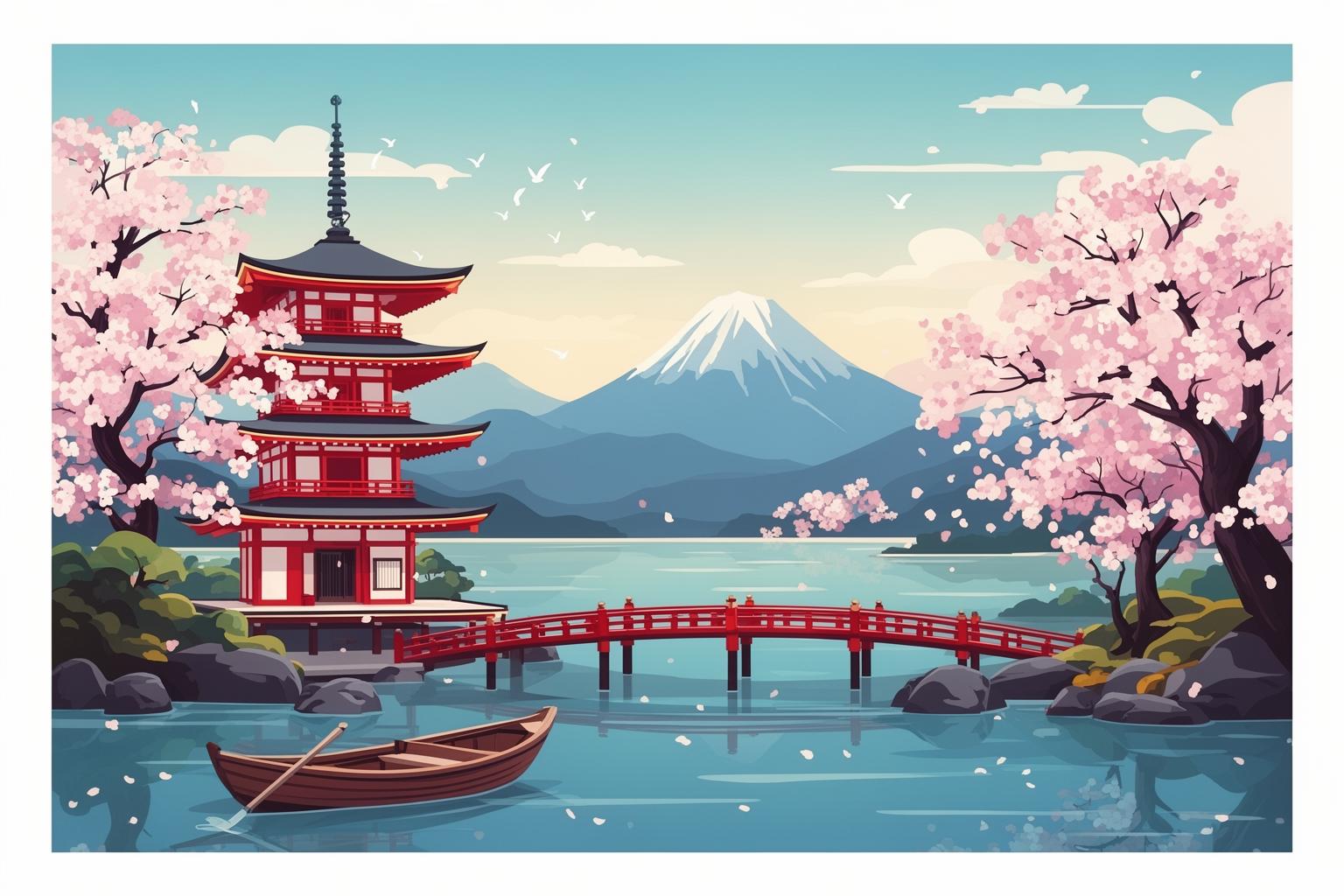
To grasp the concept of shun, one must first understand the landscape from which it emerged. Japan is an archipelago stretching extensively from north to south, blessed (and sometimes challenged) with four strikingly distinct seasons. For centuries, before refrigeration and modern agriculture, living in tune with these seasons wasn’t a choice but a necessity for survival. The diet depended entirely on what the mountains, fields, and seas provided at any given moment. This profound natural rhythm is deeply embedded in the cultural DNA.
A Connection to Nature’s Clock
At its essence, shun is a form of mindfulness—a deliberate way of paying attention. It transforms eating into an act of communion with the natural world. In a culture deeply influenced by Shinto and Buddhist beliefs, where nature is regarded as sacred, consuming an ingredient at its peak is a way of honoring the life within it and the environment that nurtured it. The first bamboo shoot of spring, tender and sweet, is not merely a vegetable; it symbolizes resilience and new life emerging from the earth after a long winter. Its flavor is inseparable from its narrative.
Shun also serves as a living calendar. Long before digital alerts, the arrival of certain foods signaled the passage of time. The appearance of fukinoto (butterbur buds) heralded the approach of deep spring. The aroma of grilled eel on the Day of the Ox in summer was a ritual to boost stamina against the heat. The arrival of shinmai, or newly harvested rice, in autumn was a moment of celebration, a taste of the year’s hard work. Shun intimately connects the Japanese people to the annual cycles in a deeply personal and tangible way.
The Beauty of Impermanence
Shun carries a powerful aesthetic and philosophical dimension that aligns with other Japanese concepts, especially mono no aware (物の哀れ). Often translated as “the pathos of things,” it evokes a gentle sadness at life’s transience. It’s the feeling awakened by watching cherry blossoms fall, beautiful because their bloom is fleeting. Shun is the culinary expression of this sentiment. The exquisite flavor of a perfectly ripe white peach comes from its heartbreakingly brief season. Its delicate aroma and honeyed juice are treasured precisely because in a few weeks, it will be only a memory, something to anticipate next year.
This celebration of ephemerality contrasts sharply with the Western ideal of permanence and consistency. A Michelin-starred restaurant in Paris or New York prides itself on delivering a signature dish that tastes exactly the same in January as in July. However, a top-tier Japanese chef would view this as a lack of creativity. Their skill lies in responding to subtle shifts in nature, showcasing what is at its best right now. The menu is not rigid; it is a living poem reflecting the present moment.
Eating for the Season
Traditional Japanese thought also associates shun with health. Drawing parallels with traditional Chinese medicine, it suggests the body has varying needs throughout the seasons, and nature graciously provides the right ingredients to fulfill those needs. Summer vegetables like cucumber and tomato, rich in water, are believed to have a cooling effect on the body. Winter brings robust root vegetables such as daikon radish and burdock root, which are warming and nourishing. Eating shun is about more than peak flavor; it is about harmonizing your body with the season, a holistic wellness practice that precedes modern health trends by centuries.
Beyond the Four Seasons: Japan’s 72 Micro-Seasons
To truly grasp the depth of Japan’s fascination with seasonality, you must look beyond the familiar four seasons of spring, summer, autumn, and winter. An ancient calendar, originally from China, divides the year more finely into 24 solar terms (Nijushi Sekki), each of which is further split into three parts, creating a total of 72 micro-seasons (Shichijūni Kō). Each period, lasting around five days, is poetically named to capture the subtle transformations occurring in nature.
These are not just abstract meteorological concepts; they are delicate, evocative observations. For instance, early spring is not simply “March.” It consists of a series of distinct moments:
- Around February 4-8: Harukaze kōri o toku (東風解凍) – The east wind melts the ice.
- Around February 9-13: Kōchō-uguisu naku (黄鶯睍睆) – The bush warbler begins to sing.
- Around February 14-18: Uo kōri o izuru (魚上氷) – Fish swim up from beneath the ice.
This detailed perception of time fosters a keen sensitivity to change. You notice not just that the trees are budding, but the exact moment the first peach blossoms bloom (Momo hajimete saku, around March 10-14). You become aware of the day the praying mantis hatches (Kamairi sunawachi shōzu, around June 5-9) or when the autumn rains start to fall (Kosame tokidoki furu, around August 28-September 1).
This heightened awareness extends directly into the culinary realm. A true connoisseur doesn’t merely know that bonito appears in spring and autumn; they recognize the difference between the lighter, cleaner flavor of the first spring bonito and the richer, fattier taste of the returning autumn fish. They anticipate the arrival of fukinoto, the bitter butterbur shoots that signal one of the earliest edible signs of life after winter, lasting only a few weeks. For them, it’s not just “spring vegetables”; it’s the precise week when bracken ferns (warabi) are perfectly coiled and tender. This is shun at its finest, a level of detail that transforms the entire year into a continuous, unfolding culinary narrative.
The Language of the Menu: How to Spot Shun in the Wild

One of the pleasures of exploring Japanese cuisine is discovering that the menu itself tells a story about the season. By learning to recognize a few key terms, you can unlock a deeper level of dining and begin to appreciate the subtle nuances that chefs and food enthusiasts celebrate. These words describe not only what is in season but also where it stands in its seasonal cycle.
Hatsumono (初物): The First of the Season
Hatsumono refers to the very first harvest of an ingredient for the year and is surrounded by great cultural excitement. Consuming hatsumono is considered auspicious, believed to absorb new life force and, according to folklore, extend one’s life. In the Edo period, the first bonito of the season (hatsu-gatsuo) was so highly prized that people would pawn their belongings just to taste it. While the flavor of a hatsumono ingredient might not yet be at its absolute peak, its significance lies in its novelty and the promise of abundance ahead. It’s a celebration of beginnings. This term is often used for fruits, vegetables, and certain fish, which usually command premium prices.
Hashiri (走り): The Beginning
Hashiri, meaning “running,” refers to the early part of an ingredient’s season, just after the hatsumono phase. The flavors tend to be delicate, fresh, and vibrant. Picture early-season strawberries that are slightly tarter and brighter, or young bamboo shoots that are incredibly tender. The hashiri experience is one of fresh anticipation. Chefs often prepare these ingredients in ways that emphasize their crispness and subtle flavors.
Sakari (盛り): The Peak
Sakari represents the heart of the season, the absolute peak. This is when the ingredient is most abundant, its price is reasonable, and its flavor is at its fullest and most balanced. Strawberries become richly sweet and aromatic. Tomatoes grow juicy and flavorful. Fish reach their ideal fat content. This is shun in its most classic form. The flavor is so perfect it often needs little embellishment—a perfectly grilled fish or a lightly blanched vegetable. It’s the essence of pure, unadulterated perfection.
Nagori (名残り): The Lingering Farewell
Nagori is perhaps the most poetic and uniquely Japanese of these concepts. It means “lingering” or “remains” and denotes the very end of an ingredient’s season. There is a certain bittersweetness to nagori. You’re tasting the last echoes of the season, a final farewell. The flavors often deepen, become more complex, or sometimes rougher. A late-season cucumber might have tougher skin but a more concentrated taste. A returning bonito in autumn—technically a nagori of its spring journey—is fatty and rich, contrasting with its lean, clean hashiri self. Eating nagori is an act of nostalgia, a final taste that carries the memory of the season just passed. It is a moment of reflection before your palate turns toward the hashiri of the upcoming season.
An Explorer’s Calendar: Unique Shun Experiences by Season
Now for the most exciting part: how to truly experience shun beyond merely reading a restaurant menu. This involves seeking out the rituals, locations, and distinctive flavors that embody each season for the locals. Forget the usual tourist suggestions; this is a calendar designed for the inquisitive.
Spring (Haru): The Taste of Awakening
Spring in Japan is about more than cherry blossoms. It signifies the mountains coming back to life. The signature taste is a gentle bitterness (nigami), believed to cleanse the body from the winter’s stagnation.
The Experience: Foraging for Sansai
Sansai (山菜) are wild mountain vegetables central to spring cuisine. These include fukinoto (butterbur buds), tara no me (angelica tree shoots), warabi (bracken fern), and kogomi (ostrich fern). The ultimate experience is staying at a rural ryokan or minshuku (guesthouse) in mountain regions like Nagano, Yamagata, or Gifu, where hosts often forage ingredients themselves. The classic preparation is tempura, which crisps the exterior while preserving the vegetable’s unique texture and characteristic bitterness. The flavor is complex, green, and wildly fresh—a direct gift from the thawing earth.
The Experience: Digging for Bamboo Shoots
Freshly dug bamboo shoots (takenoko) differ vastly from the canned variety. They are crisp, tender, and subtly sweet. Across Japan, notably in bamboo-rich areas like western Kyoto, you can find opportunities to dig your own. The labor is tougher than expected, but the reward is great. You learn to recognize the slight soil disturbance indicating a shoot just beneath the surface. Afterwards, they are typically prepared simply—grilled over charcoal with soy sauce or boiled and served with a sprinkle of kinome (prickly ash leaf), another iconic spring scent.
Summer (Natsu): The Taste of Cool Relief
Japanese summers are infamously hot and humid. The cuisine adjusts by emphasizing flavors and experiences that are cooling, refreshing, and light.
The Experience: Catching Flowing Noodles
Nagashi somen (流しそうめん) is quintessential summer entertainment. Thin white wheat noodles slide down a long bamboo flume filled with ice-cold water. You wait with chopsticks to catch a portion as it passes by, then dip it in a savory, chilled broth. It’s a playful, communal, and refreshing meal, often arranged outdoors by a river or in a shady garden. The focus is less on the noodles themselves and more on the entire cooling, theatrical ritual.
The Experience: Riverside Grilled Ayu
Ayu (鮎), or sweetfish, is the perfect summer fish. It inhabits only the purest freshwater streams, and its flesh is said to carry the clean, mossy flavor of its environment—often described as subtly tasting of cucumber or watermelon. The best way to enjoy it is grilled fresh over charcoal with just a sprinkle of salt (shioyaki), usually skewered to mimic the fish’s swimming posture. Seek out a yana, a combined weir and restaurant built right on a river, where you can eat fish that were swimming moments earlier. The taste is delicate, pristine, and inseparable from the sound of flowing water nearby.
Autumn (Aki): The Taste of Harvest
Autumn is called shokuyoku no aki (食欲の秋)—the season of hearty appetites. The air cools, and the food deepens, becoming richer, more robust, and savory. It is Japan’s most celebrated culinary season.
The Experience: The Aroma of Grilled Sanma
Nothing evokes autumn in Japan like the smell of sanma (Pacific saury) grilling over charcoal. This long, silver fish becomes exceptionally fatty and flavorful in the fall. It is a humble, everyday fish, but perfectly in season, it becomes a delicacy. Typically grilled whole, guts included (the slight bitterness of the innards is part of its charm), it’s served with grated daikon radish, a splash of soy sauce, and a wedge of sudachi or kabosu, two tart and fragrant autumn citrus fruits. Visit a local izakaya or a neighborhood festival in September or October, and you’ll find sanma on the grill. It’s the taste of Japanese nostalgia.
The Experience: The Hunt for Matsutake
At the other extreme is the matsutake (松茸), the pine mushroom. This is the king of autumn ingredients, prized for its distinctive spicy-earthy aroma. A single perfect mushroom can sell for hundreds of dollars. They are notoriously difficult to cultivate and must be foraged wild beneath specific red pine trees. While you probably won’t forage yourself, experiencing them is essential. Because aroma is paramount, preparations remain simple: steamed in savory custard (chawanmushi), cooked with rice (matsutake gohan), or simmered in a clear broth (dobin mushi). It’s an intoxicating, unforgettable flavor, deeply autumnal.
Winter (Fuyu): The Taste of Umami and Warmth
Winter’s cold seas yield seafood of unmatched richness and depth. The food turns inward, focusing on umami-rich broths, hearty vegetables, and fatty fish that provide warmth and strength.
The Experience: All-You-Can-Eat Oysters at a Kakigoya
Japanese oysters (kaki) are plump and creamy at their peak in winter months—the ‘r’ months, just as in the West. In oyster-producing regions like Hiroshima, Miyagi, and the Mie coast, you’ll find kakigoya (牡蠣小屋), or oyster huts. These rustic, no-frills sheds sit right by the water, where you receive a bucket of fresh oysters, gloves, a shucking knife, and a spot at a large charcoal grill. You grill them yourself, prying them open as they steam and sizzle. The taste is briny, sweet, and intensely oceanic. It’s a lively, messy, and supremely satisfying winter feast.
The Experience: The Power of Winter Yellowtail
Many fish improve in winter, but few change as dramatically as buri, the Japanese amberjack or yellowtail. As the Sea of Japan’s waters turn icy, the fish accumulates fat to insulate itself. This winter-caught fish, called kan-buri (寒ブリ), is a completely different experience from its leaner summer form. The flesh is marbled with so much fat that it almost melts in your mouth, offering a rich, buttery flavor that epitomizes umami. The best place to enjoy it is in the Hokuriku region (Toyama, Ishikawa, Fukui), where it’s served as decadent sashimi, sushi, or in a hot pot with daikon radish (buri-daikon).
Finding Your Own Shun: A Practical Guide for the Curious Traveler

Understanding shun is one thing, but actively pursuing it is where the real adventure truly begins. You don’t need reservations at a three-star restaurant; in fact, some of the finest shun experiences are found in the humblest of places.
Explore the Depachika
The basement food halls of Japan’s major department stores, called depachika, are dazzling temples of gastronomy and living museums of shun. Forget the food court stereotype; these are upscale marketplaces. Stroll through the produce section and you’ll see a showcase of the season’s best. The displays change almost weekly, reflecting the progression from hashiri to sakari to nagori. Notice the beautifully packed strawberries, the early appearance of white asparagus, or the heaps of chestnuts. The prepared food sections reveal just as much. Seasonal bentos, salads, and tempura perfectly mirror what is at its peak.
Stop at a Michi no Eki
When traveling through rural Japan by car, your best ally is the michi no eki (道の駅), or roadside station. These are more than just rest stops; they serve as community hubs and direct markets for local farmers. Here you’ll find hyper-local shun—vegetables you don’t recognize, citrus varieties unique to one valley, homemade pickles from a local grandmother, and fish caught just that morning in the nearby sea. This is shun at its most honest and unpretentious. Pick up some fruit for a snack or unusual vegetables if you have access to a kitchen. It’s the most straightforward way to taste a place.
Trust the Chef
The best way to experience shun is to entrust yourself to a professional. Seek out a small counter-style restaurant—a quality sushi bar, a traditional kappo restaurant, or a top-notch izakaya. Sit at the counter and rather than ordering from the menu, ask a simple question: “Kyou no osusume wa nan desu ka?” (今日のおすすめは何ですか?) — “What do you recommend today?” Any capable chef will light up. Their suggestion will almost always be the item at its absolute peak shun—the fish that arrived from the market that morning or vegetables freshly delivered by a local farmer. This phrase opens a door, showing respect and curiosity, and it nearly always leads you to the most memorable bite of your trip.
Ultimately, shun is more than a culinary concept; it’s a worldview. It invites you to slow down, observe the world around you, and find deep joy in the present moment. It teaches that some of life’s best things are fleeting, and their impermanence is what makes them precious. To understand shun is to grasp a fundamental part of the Japanese spirit. It’s a sensory journey that transforms every meal into a discovery and every bite into a taste of time itself.