Push open a heavy wooden door, the kind with a small brass bell that announces your arrival with a gentle, unobtrusive jingle. The first thing that hits you isn’t a sight, but a smell—a complex, layered aroma of dark roast coffee, the faint, sweet perfume of stale cigarette smoke clinging to velvet upholstery, and something savory cooking on a griddle. The light is low and warm, filtered through amber-colored lampshades or dusty stained-glass panels. Your eyes adjust to take in the scene: worn vinyl or velvet booths, dark wood paneling, and a long counter where a dignified figure, the “Master,” presides over his domain of syphon brewers and polished glassware. This is the world of the kissaten, Japan’s traditional coffeehouse. It is, however, so much more than a place to get a caffeine fix. It’s a living room for the neighborhood, a quiet office for the freelance writer, a sanctuary for the contemplative soul, and a time machine to the mid-20th century.
While the meticulously brewed coffee and the classical or jazz music drifting from vintage speakers are central to the experience, the true, beating heart of the Showa-era kissaten is often found on its food menu. It’s here that you’ll discover a unique, delicious, and deeply nostalgic category of food known as yoshoku, or Western-style Japanese cuisine. This is not a clumsy, literal imitation of Western food. It’s a thoughtful, creative, and ultimately loving adaptation—a culinary conversation between Japan and the outside world that has been happening for over a century. To eat in a kissaten is to taste history. It’s to understand how a nation, in a period of immense social and economic change, processed foreign influences, digested them, and created something entirely new, something comforting and distinctly its own. This is the story of that food: a tale of ketchup-slathered spaghetti, golden omelets blanketing fried rice, perfectly constructed pork cutlet sandwiches, and jewel-toned soda floats that are far more meaningful than their whimsical appearance might suggest.
The enduring allure of Japan’s cultural traditions extends beyond the intimate ambiance of its kissaten, with the captivating energy of primal fire festivals offering an equally vibrant chapter in the nation’s storied past.
A Taste of the Past: The Birth of Kissaten Cuisine
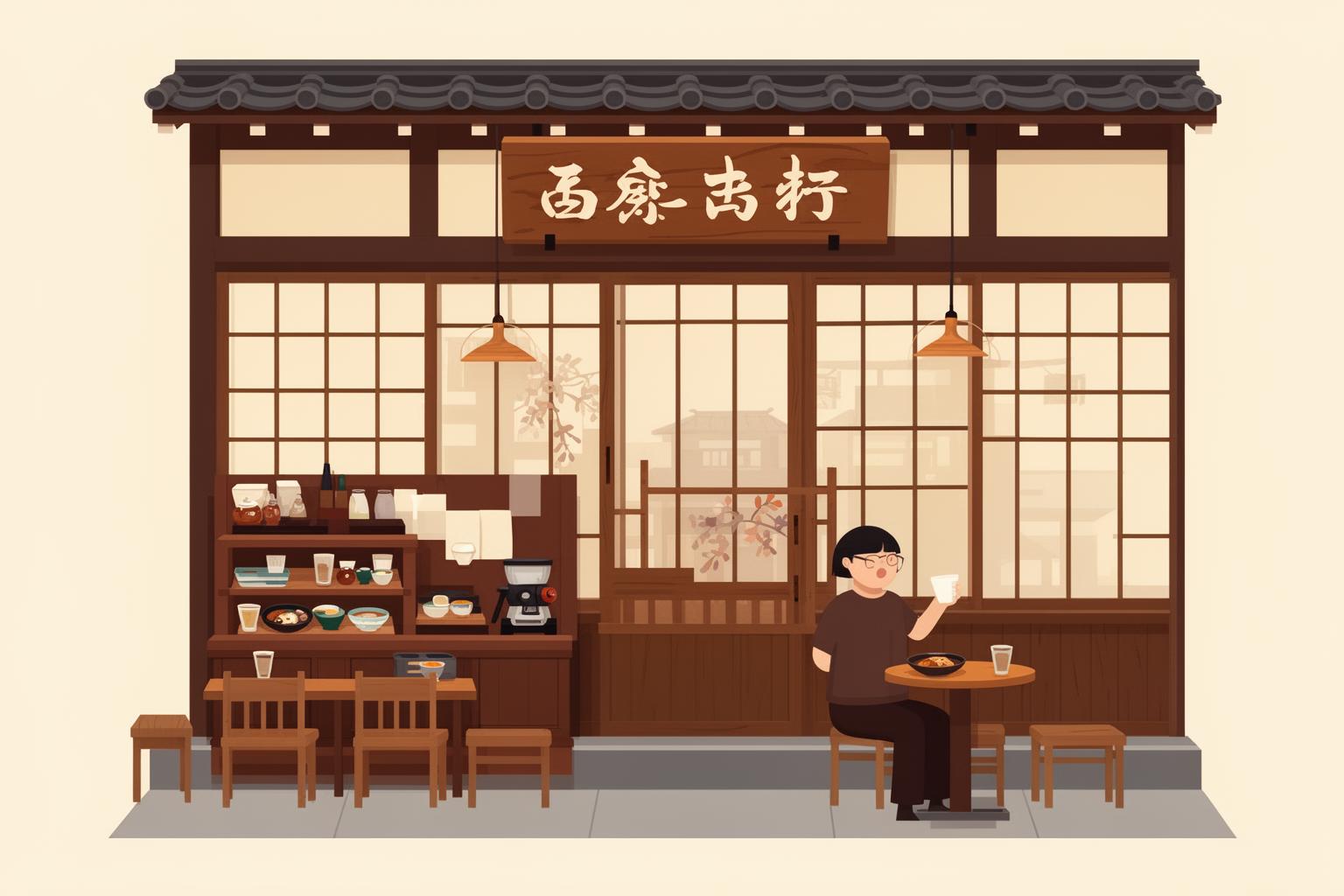
The story of kissaten cuisine is deeply intertwined with Japan’s intricate relationship with the West. While the first coffeehouses emerged during the late Meiji and Taisho periods (late 19th to early 20th century) as refined gathering spots for artists, writers, and intellectuals to discuss Western art and philosophy over a cup of exotic, bitter coffee, their menus were initially quite limited. The true culinary revolution occurred later, during the Showa era, especially in the decades after World War II.
From Coffee to Cutlets: A Post-War Culinary Shift
The post-war era was a period of profound change. Under American occupation and throughout the subsequent years of recovery and rapid economic growth, Western culture flowed into Japan more freely than ever before. This included food. Ingredients once considered rare luxuries—such as butter, milk, cheese, wheat flour, and plentiful meat—became increasingly accessible. American G.I.s introduced their own food culture, bringing items like spaghetti with tomato sauce, hot dogs, and sandwiches.
However, the Japanese approach was never mere imitation. Instead, chefs and home cooks embarked on a process of culinary adaptation. This marked the rise of yoshoku as a mainstream trend. The aim was not to replicate a dish perfectly from Naples or Paris; rather, it was to create Western-style dishes that would suit the Japanese palate and complement Japanese rice. Flavors were adjusted to be slightly sweeter or enriched with savory notes from soy sauce or mirin. Textures were softened. The outcome was a new category of comfort food that felt both exotic and familiar. The kissaten, already seen as a gateway to Western culture, naturally became the home for this new cuisine. It was the ideal spot for a salaryman to enjoy a hearty, modern lunch or for families to savor a special weekend meal.
The Kitchen as a Cultural Crossroads
Step behind the counter of a classic kissaten, and you won’t find a large, specialized kitchen. Instead, you’ll see a small, impeccably organized galley, often run by a single person—the Master or his wife. This space exemplifies Japanese efficiency. Equipped with just a few gas burners, a griddle, and perhaps a deep fryer, it produces an entire menu of these beloved yoshoku favorites.
The guiding principle is simple: consistency and comfort. The ingredients are modest. The recipes have remained unchanged for decades. This isn’t about seasonal dishes or culinary experimentation; it’s about perfecting a limited menu that delivers a dependable, satisfying experience every time. The target audience shaped the food. It needed to be filling yet affordable for students, quick and substantial for office workers on tight lunch breaks, and charmingly novel for families eager to taste modern life. The kissaten meal became a small, approachable symbol of the new, prosperous Japan taking shape all around them. It was the taste of progress, served on a plate.
The Unforgettable Canon: Iconic Kissaten Dishes
While every kissaten boasts its own subtle nuances, a core set of dishes defines the genre. These are the foundational menu items—the timeless classics that have nourished and comforted countless generations. To truly understand kissaten cuisine is to know these dishes intimately.
Napolitan: The Ketchup-Embraced Pasta of Post-War Japan
Let’s begin with the undisputed king of kissaten pasta: Napolitan. If you’re anticipating a delicate Italian napoletana sauce with San Marzano tomatoes and fresh basil, prepare to be surprised. Napolitan is a vibrant, unapologetically Japanese creation. The base is spaghetti, cooked well beyond al dente until soft and supple. It’s then pan-fried with a colorful mix of ingredients: sliced onions, green bell peppers, and either wieners (the small, red-skinned Japanese type) or thick-cut ham. This combination is then drenched in its star ingredient: ketchup. Not tomato sauce, but sweet, tangy, bright red ketchup.
Its origin dates back to the post-war occupation. Shigetada Irie, head chef at Yokohama’s New Grand Hotel, was inspired by the simple pasta dish eaten by American G.I.s, made from spaghetti and ketchup. He crafted a more refined version for his hotel guests by adding bacon, mushrooms, and authentic tomato sauce. As the dish filtered down to casual eateries and kissaten, the recipe was simplified back to its ketchup-based roots, which were more affordable and accessible.
Texture is key. The soft, slightly chewy noodles are essential; they soak up the sauce beautifully. Often served on a blazing cast-iron skillet (teppan), it stays piping hot, crisping the noodles at the bottom slightly. Sometimes a raw egg is cracked on top, cooking slowly in the residual heat. Sprinkled with powdered parmesan cheese and a few dashes of Tabasco, it is the ultimate salaryman lunch—quick, filling, savory, sweet, and deeply satisfying.
Omurice: The Golden Embrace of Comfort
If Napolitan is the hearty workhorse, Omurice (a blend of omelet and rice) is its elegant, soothing counterpart. At its core, it’s a simple dish: chicken fried rice seasoned with ketchup, wrapped in a thin, exquisitely cooked omelet. The finished dish often takes the shape of an American football and is adorned with a final decorative swirl of ketchup or, in more upscale versions, a rich demi-glace sauce.
This dish speaks of care and technique. The magic resides wholly in the omelet. In a classic kissaten, it’s not a fluffy, folded French omelet but a paper-thin, delicate egg crepe—strong enough to hold the rice yet tender enough to melt in your mouth. The skill to cook this perfect golden blanket and wrap it flawlessly around the rice mound is a quiet point of pride for any kissaten Master.
Omurice represents childhood for many Japanese people. It’s a staple of home cooking, a dish mothers make for their children. Yet the kissaten version elevates it to art. It’s pure comfort, like a warm embrace. Gentle and savory, it requires no thought to enjoy. Each spoonful delivers a perfect balance of savory rice, sweet ketchup, and tender egg. It may be the most emotionally resonant dish in the yoshoku repertoire.
Hambagu Steak: The Refined Salisbury
Don’t confuse the Japanese Hambagu with an American hamburger patty. While sharing a common root, the Hambagu steak is an entirely different entity. It’s a thick, juicy patty made from a blend of ground beef and pork, often enriched with sautéed onions, milk-soaked breadcrumbs (panko), and egg. It’s pan-fried rather than grilled, and often steamed under a lid to keep it tender and moist inside.
Hambagu is never served in a bun. It’s a proper knife-and-fork meal, the centerpiece of a plate typically accompanied by a mound of rice, a small side salad with sesame dressing, and perhaps some Napolitan pasta or fries. What truly defines it is the sauce. The most common is a rich, dark, slightly sweet demi-glace. This Japanese demi-glace is worlds apart from its French original—more of a complex gravy, often flavored with soy sauce, wine, and tomato, forming the savory foundation of much yoshoku cuisine. A perfectly cooked Hambagu, juicy and melding with the glossy sauce, epitomizes kissaten-style indulgence.
Katsu Sando: The Perfect Harmony in a Box
The Katsu Sando is a marvel of culinary precision. It’s a testament to Japanese ingenuity in finding perfection through simplicity. Its elements are few: a deep-fried pork cutlet (tonkatsu), a generous spread of sweet and tangy tonkatsu sauce, and two slices of fluffy, cloud-like Japanese milk bread (shokupan), with the crusts neatly trimmed.
The charm of the Katsu Sando lies in the balance of contrasts. The koromo (breadcrumb coating) is shatteringly crisp, while the pork inside remains tender and juicy. The shokupan is incredibly soft and slightly sweet, providing a pillowy cushion for the cutlet. The tonkatsu sauce—a thick, fruity condiment akin to Japanese Worcestershire sauce—offers a sharp, savory counterpoint that cuts through the richness of the fried pork. Sometimes a thin layer of Japanese mayonnaise or mustard adds further complexity. Cut into neat, easy-to-handle rectangles, it offers a surprisingly clean and contained eating experience. It’s a sandwich elevated to an object of precision and balance.
Doria: The Italian-Named, Purely Japanese Baked Rice Gratin
Here is another dish with a deceptively European name. Doria is essentially a baked rice gratin. Typically, it features a layer of buttered rice or pilaf at the bottom of a casserole dish, topped with creamy béchamel or meat sauce, and then covered with a generous layer of cheese before baking until bubbly and golden. Common variations include shrimp doria or chicken doria.
Its origins are specific, credited to Swiss chef Saly Weil, the first head chef of Yokohama’s Hotel New Grand in the 1920s. He reportedly created the dish spontaneously for a guest feeling unwell who desired something comforting and easy to eat. Combining pilaf and shrimp in cream sauce, topped with cheese and baked, it became an instant hit, soon spreading to restaurants and kissaten nationwide. Doria is ultimate cold-weather comfort food—rich, creamy, cheesy, and deeply warming. It beautifully showcases yoshoku’s talent for adapting European concepts—in this case gratin—harmoniously to rice, Japan’s dietary staple.
Cream Soda & Pudding à la Mode: The Jewel-Like Desserts
The kissaten experience is incomplete without indulging in its spectacular, almost theatrical desserts. The most iconic is the Melon Cream Soda. This is no subtle treat. It’s served in a tall glass brimming with a vivid, fluorescent green melon-flavored soda, topped with a perfect scoop of vanilla ice cream and crowned by a single glistening maraschino cherry. It’s a work of art—a liquid jewel embodying pure childhood fantasy. Exceptionally sweet and bubbly, the ritual involves managing melting ice cream as it transforms into a creamy foam atop the soda.
Equally magnificent is the Pudding à la Mode. Starting with a classic Japanese-style custard pudding, or purin, it’s not soft and wobbly but firm and sliceable, with a rich egg flavor and a layer of dark, slightly bitter caramel sauce on top. The “à la mode” element is a carefully arranged halo: whipped cream, a scoop of vanilla ice cream, and a colorful assortment of canned fruits like peaches, pineapple rings, mandarin segments, and, naturally, a maraschino cherry. Presentation is everything. It’s a dessert that feels like a special occasion—an affordable luxury from an era of growing optimism.
The Ritual of the Kissaten Meal
Grasping the food is only part of the experience. Equally important are the manner in which the food is eaten, the setting in which it’s served, and the social customs that surround it. The kissaten is a distinctive social space with its own unspoken rules and rhythms.
More Than a Cafe, Yet Not Quite a Restaurant
A kissaten holds a unique in-between position in Japanese culture. It is neither a quick cafe where you grab coffee on the go, nor a formal restaurant offering a structured multi-course meal. It serves as a “third place,” a home away from home where time seems to slow. The purpose of a kissaten is to stay awhile. You might read a book for hours, conduct a quiet business meeting, chat with a neighbor, or simply watch the world pass by, all for the price of a single cup of coffee or a plate of Napolitan.
The atmosphere is shaped by the Master, often both owner and sole staff member. He is the quiet conductor of this intimate setting, knowing regulars by name, recalling their usual orders, and sustaining a calm, orderly environment. The music—typically classical, jazz, or occasionally soft folk—is thoughtfully selected to foster a relaxing, reflective mood. This carefully managed atmosphere is the backdrop against which the meal is savored.
The Art of the Set Menu
To truly appreciate the kissaten’s daily rhythm, one must understand the set menu. In the morning, there is the famed mōningu sābisu or “Morning Service.” It’s one of the best bargains in Japan. Order a coffee between roughly 7 a.m. and 11 a.m., and it comes with a complimentary light breakfast. The classic set features a thick slice of toasted shokupan with butter and jam plus a hard-boiled egg. This clever business model established the kissaten as an essential part of the morning routine for countless commuters and locals.
Come lunchtime, the ranchi setto (lunch set) takes center stage. For a fixed, reasonable price, you receive a main dish—like Hambagu steak or Napolitan—paired with a small side salad with a signature dressing, a simple soup (often clear consommé), and a drink, usually coffee or tea. This arrangement focuses on value, efficiency, and a balanced, complete meal. It offers a perfectly structured, predictable comfort for office workers during a busy day. The set menu is a self-contained ritual that delivers a dependable moment of pleasure.
Why This Food Endures: The Taste of Nostalgia
In a country renowned for its refined, seasonal, and innovative cuisine, it may seem surprising that these simple, unvarying dishes have maintained such a strong hold on the nation’s heart. Yet their longevity has little to do with culinary trends. Kissaten food endures because it offers something far more powerful than just a meal: it sells nostalgia.
The Flavor of a Bygone Era
The Japanese have a word, natsukashii, which expresses a warm, wistful nostalgia for the past. Kissaten food is the edible expression of natsukashii. For older generations who grew up during the Showa era‘s economic boom, the taste of a sweet Melon Soda or a savory Omurice recalls their youth. It is the flavor of optimism, family outings, first dates, and a simpler, perhaps happier, time. It evokes a powerful sense of memory and personal history.
For younger generations who never directly experienced the Showa era, this food and the spaces that serve it are part of a larger “Showa retro” trend. It symbolizes an aesthetic, a connection to a past that feels more authentic, analog, and human-scaled than their own hyper-digital world. Eating Napolitan in a dimly lit kissaten becomes a form of cultural tourism, a way to engage with a piece of history that feels both cool and comforting.
A Counterpoint to Modern Food Culture
Kissaten food also persists because it quietly resists the pressures of modern food culture. It stands in stark contrast to the ever-changing, hyper-seasonal focus of high-end kaiseki dining. It is unrelated to the pursuit of the perfect, artisanal bowl of ramen or the carefully sourced beans of third-wave coffee.
This food is proudly, defiantly unchanging. The Napolitan you eat today tastes exactly as it did thirty years ago, and that constancy is its greatest strength. In a world of constant change, the kissaten offers a rare and valuable form of stability. You know precisely what to expect, and you know it will be good in a specific, comforting, and straightforward way. Its refusal to evolve defines it and is its most potent attraction.
Finding Your Own Showa Culinary Journey
Entering the world of kissaten can feel like unlocking a hidden chapter of Japan. These spots aren’t usually tourist attractions; they are beloved local treasures. Discovering and savoring them is among the most fulfilling experiences you can enjoy.
How to Recognize an Authentic Kissaten
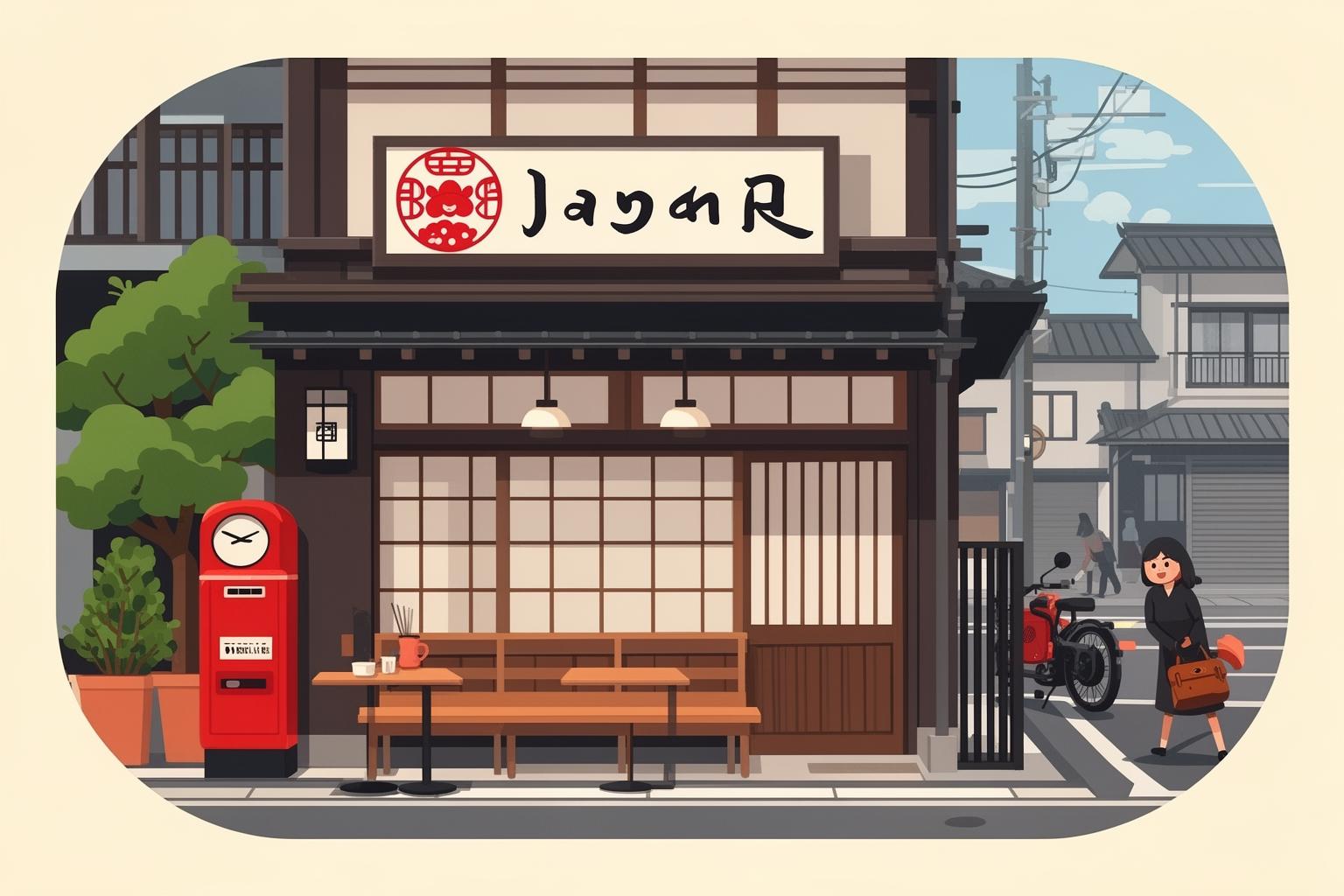
Keep an eye out for distinctive clues. The signs are often aged, sometimes with faded lettering or an endearingly retro font. Look for the classic plastic food models, the shokuhin sampuru, displayed in a glass case at the entrance, showing eerily realistic versions of Omurice and Cream Soda. Take a peek inside. Do you notice dark wood, velvet seats, and dim lighting? Is the atmosphere rich with history (and perhaps still a hint of smoke, though this is less common now)? Does the shop’s name include words like “Coffee,” “Salon,” or “Lounge”? If so, you’re likely in the right place.
Ordering with Assurance
Don’t feel shy. Kissaten are inviting, if sometimes quiet, spots. Their menus are often straightforward, and pointing to the plastic models in the window is a perfectly acceptable way to order. For an ideal first visit, you can’t go wrong with the classic trio: start with a plate of Napolitan or Omurice, follow it with Pudding à la Mode, and finish with a refreshing green Melon Cream Soda.
The goal isn’t to find the single “best” kissaten in some objective or competitive sense—that misses the point. The goal is to find a place that resonates with you, to settle into a booth, and to soak in the atmosphere. Each kissaten has its own subtle personality, its own soul, reflected in the Master’s unique coffee-making style or the special recipe for his demi-glace sauce. The magic lies in discovering these small, personal touches.
Sitting quietly in a kissaten, with the clinking of a spoon against glass and soft murmurs in the background, is a pause from the modern world. When you take a bite of that familiar, comforting food, you’re not just tasting ketchup, rice, and egg; you’re tasting the story of modern Japan—its resilience, creativity, and deep, enduring love for the flavors of a cherished past. It’s not just a meal; it’s a moment suspended in time.