Ask anyone who’s spent time in Japan about cherry blossom season, and you’ll likely get a familiar picture. Blue tarps spread under trees bursting with pale pink flowers. The happy chatter of friends and coworkers. The clinking of beer cans and sake cups. It looks, for all intents and purposes, like a pleasant, nationwide picnic. And on one level, it is. But to leave it there is to see the beautiful, intricate stage dressing and miss the entire play. The annual ritual of hanami, or flower viewing, is not just an appreciation of nature; it is the ticking of a cultural clock, a societal pressure valve, and a profound national meditation on life, death, and renewal, all rolled into one. It’s the moment Japan collectively exhales the old year and inhales the new. Understanding hanami is understanding a core mechanism of modern Japanese life, one that operates far beneath the surface of a simple party in the park.
Most of the world runs on the Gregorian calendar, marking the new year on January 1st with fireworks and resolutions that are often forgotten by February. Japan observes this too, of course, with quiet family visits to shrines and special foods. But the real start of the year, the one that dictates the rhythm of corporate and civic life, happens on April 1st. This is the day the fiscal year begins, when companies welcome cohorts of fresh-faced graduates, when employees are shuffled into new departments or transferred to different cities. It’s also when the school year kicks off, with children in their crisp new uniforms attending their first entrance ceremonies. April is the true ‘New Year’s Day’ for the machinery of Japanese society. And nature, in its infinite wisdom or sheer coincidence, provides the perfect backdrop. The sakura season aligns almost perfectly with this period of immense transition, making the blossoms not just a sign of spring, but a starting pistol for the year ahead.
This profound connection to nature is further explored in how Japan has officially recognized the healing power of forest bathing.
The Unspoken Calendar: Timing is Everything
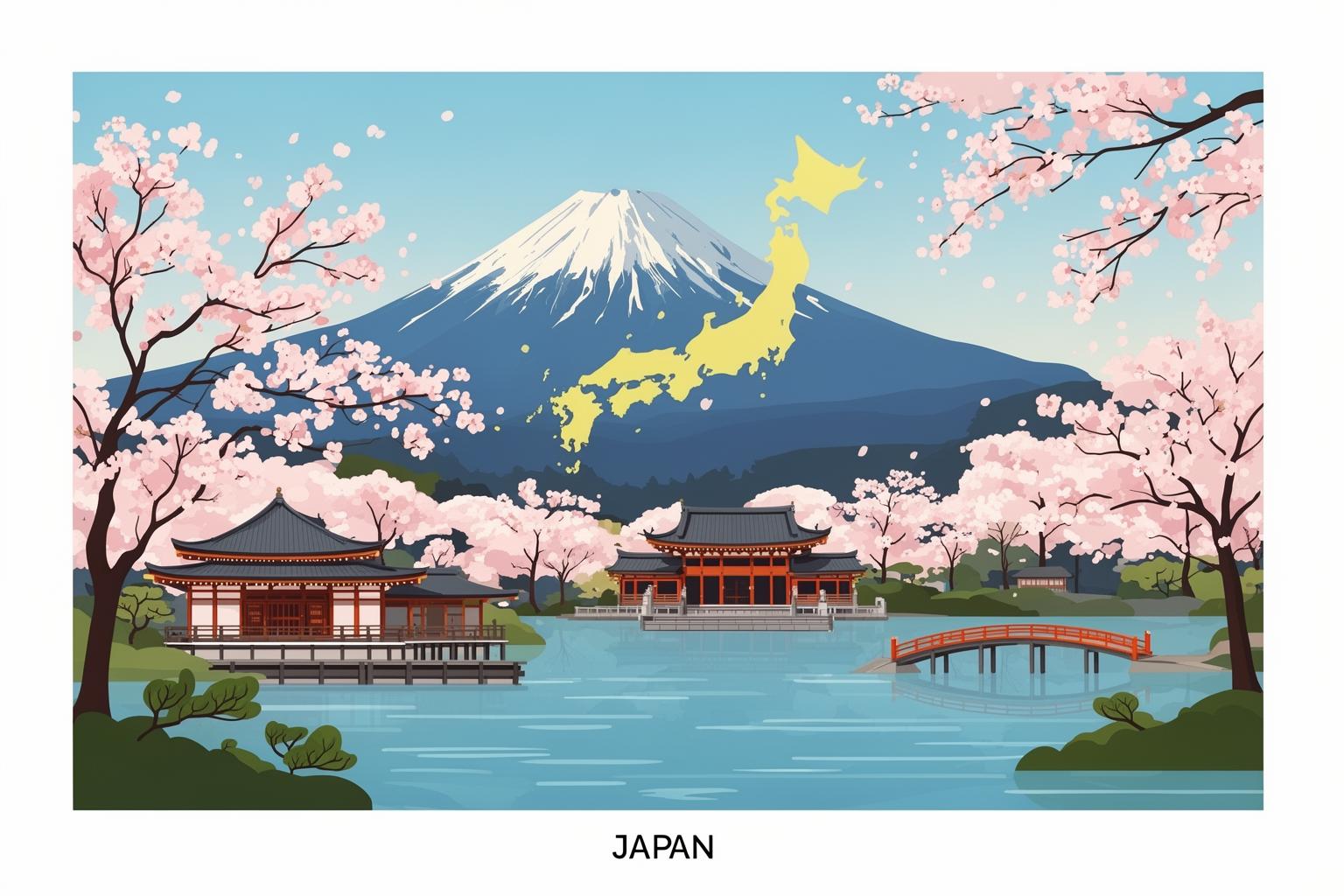
The phenomenon is so predictable it has earned its own name: the sakura zensen, or cherry blossom front. It’s a traveling wave of color that begins in the subtropical south of Okinawa in late January, gradually moving up the archipelago to reach Tokyo and Kyoto in late March or early April, and finally Hokkaido in May. The nightly news follows its progress with the same seriousness as a weather forecast, complete with maps and expert forecasts. This isn’t just for tourists; it’s essential public information. It signals when to plan the all-important company hanami party, an event often less optional than it might seem.
This timing creates a distinctive emotional atmosphere. March is a month of endings. It’s graduation season, filled with nostalgia and farewells. Companies hold soubetsukai, or farewell parties, for employees who are leaving or being transferred. These gatherings are often tinged with a particular kind of melancholy. Then, as the first blossoms emerge, the mood shifts. The same parks that hosted tearful goodbyes become the setting for kangeikai, or welcome parties. New recruits, nervous and eager to fit in, are introduced to their teams. The same coworkers who just said farewell now raise a can of Asahi Super Dry to welcome a newcomer.
The cherry blossoms oversee this entire cycle. They are the beautiful, silent witnesses to this national changing of the guard. Their blooming offers a liminal space, a brief, beautiful pause between what was and what will be. Gathering under the trees serves as a way to socially and psychologically process these significant life transitions. It’s a ritual that softens the harsh realities of corporate restructuring and academic pressure, wrapping it all in a blanket of fleeting beauty. You’re not just at an awkward office party; you’re engaging in a timeless tradition, connected to millions of others doing the exact same thing at the exact same moment.
A Ritual of Transience: The Philosophy in the Petals
To truly understand why a flower holds such significance, you must grasp a foundational concept in Japanese aesthetic sensibility: mono no aware. This phrase is notoriously difficult to translate directly, but it essentially signifies a gentle, poignant awareness of the impermanence of things. It’s the bittersweet recognition that beauty is temporary, and that its fleeting nature is precisely what makes it so precious.
The cherry blossom stands as the ultimate symbol of mono no aware. Unlike other flowers that wilt and cling stubbornly to the branch, sakura petals are at their most beautiful in the very moment they fall. A gust of wind can create a sakura fubuki, a blizzard of petals, considered the pinnacle of the viewing experience. In about two weeks, the trees transform from bare branches to a riotous full bloom and back to bare branches again. There is no gradual decline; rather, a sudden, glorious peak is followed by a swift, graceful departure.
This is not viewed as tragic but as the proper, elegant way of being. It reflects a worldview that embraces and even finds beauty in the natural cycle of life, growth, and decay. In a culture long accustomed to earthquakes, tsunamis, and typhoons, there is a deep-rooted understanding that nothing lasts forever. Instead of resisting this reality, the culture embraces it, discovering a certain peace in its inevitability. The blossoms serve as an annual, nationwide lesson in this philosophy, reminding everyone—from the high-powered CEO to the schoolchild—that life, like the petals, is brief and beautiful, and should be cherished in the present moment.
This perspective sharply contrasts with many Western ideals of beauty, which often seek permanence and monumentality. Consider stone cathedrals built to endure for eternity, or oil paintings preserved for centuries. Japanese aesthetics often find their highest expression in the ephemeral: the arrangement of flowers in ikebana that will soon wither, the steam rising from a bowl of matcha in the tea ceremony, or seasonal ingredients available only for a few weeks. Hanami is the grandest public celebration of this mindset, a collective agreement to pause and appreciate a beauty everyone knows will vanish by next week.
The Social Mechanics of the Blue Tarp
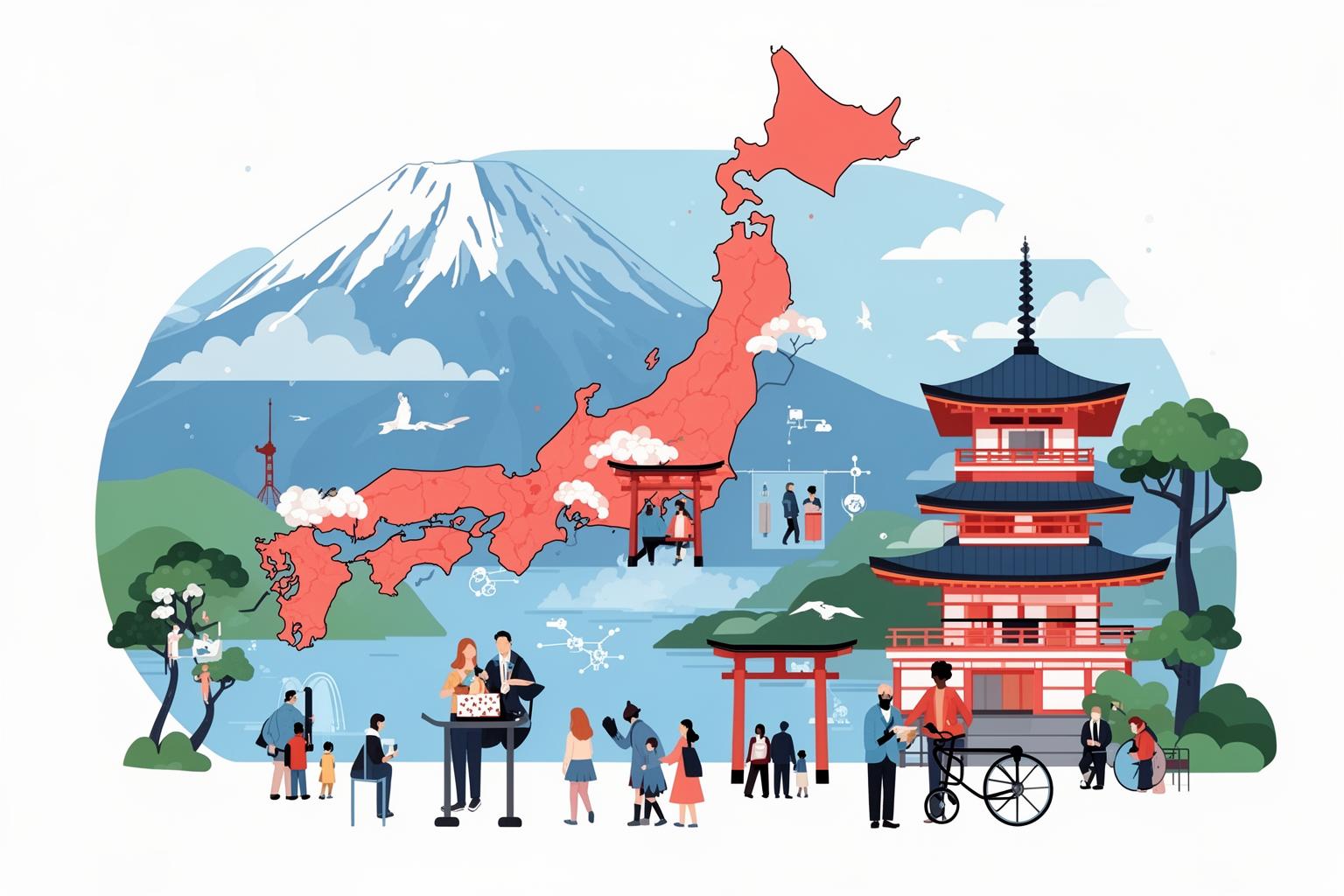
Though the philosophy is profound, the practice of hanami offers a compelling insight into Japanese social dynamics. It is a highly organized event that reveals much about workplace hierarchies and the prioritization of the group over the individual. The iconic blue tarp sits at the heart of this tradition.
Long before the first can of beer is opened, the ritual of basho-tori, or place-taking, begins. This responsibility usually falls to the most junior member of the team. A fresh-faced employee, perhaps just days into their first real job, is sent to a popular park like Ueno in Tokyo or Maruyama in Kyoto at dawn. Their task: to secure a prime spot beneath an especially beautiful cherry tree and to guard it against all challengers until the rest of the team arrives, often several hours later. This rite of passage teaches diligence, responsibility, and the importance of prioritizing the group’s needs over personal comfort. It also subtly reinforces the senpai-kouhai (senior-junior) dynamic that shapes much of Japanese professional life.
When the group finally gathers in the evening after work, hanami’s social function fully comes alive. This is one of the rare occasions on the Japanese social calendar when strict hierarchies are temporarily eased. The formal rules of office decorum loosen amid the outdoor setting and steady flow of alcohol. This serves as an essential social safety valve. In a society valuing harmony, conformity, and indirect communication, hanami creates a sanctioned space for bureikou—a gathering where people can express themselves more openly and disregard their usual social ranks.
The boss, typically a distant and authoritative figure, might become cheerfully drunk, sing a poor rendition of an old pop song, and joke with the newest hire. Colleagues can vent frustrations or share personal stories in ways they never would under the office’s harsh fluorescent lights. This isn’t merely a party; it is a vital team-building exercise. The shared experience of sitting on a cold tarp, eating convenience store fried chicken, and drinking too much chu-hai beneath falling petals creates a unique bond. It humanizes colleagues and superiors alike, reinforcing group cohesion through a collective, slightly chaotic, and memorable occasion. By the time everyone returns to their desks the next morning, the formal hierarchy resumes its place, but the underlying relationships have been quietly strengthened.
From Aristocratic Pastime to National Obsession
The practice of appreciating flowers is not a modern invention. Its origins trace back over a thousand years to the Heian period (794–1185). At that time, it was an exclusive pastime of the imperial court and aristocracy. They would gather beneath the blossoms—initially plum blossoms, and later cherry blossoms—to compose poetry, play music, and engage in sophisticated conversation. The emphasis was on aesthetic appreciation and literary expression, quite different from the lively corporate celebrations seen today.
The popularization of hanami began during the Edo period (1603–1868). The Tokugawa shogunate, through a clever combination of public works and social policy, planted extensive groves of cherry trees in public spaces such as riverbanks and temple and shrine grounds. Tokyo’s Ueno Park is a notable example, created as a place for ordinary people to enjoy the blossoms. This shift transformed hanami from an elite, poetic activity into a widespread festival enjoyed by people from all social classes. Woodblock prints from the period by artists like Hiroshige and Hokusai illustrate vibrant scenes of samurai, merchants, and courtesans all partaking in the flower viewing together.
Yet, the history of the sakura took a darker turn in the 20th century. As Japanese nationalism and militarism surged before World War II, the cherry blossom image was appropriated by the state. The brief, brilliant life of the flower, falling at the height of its beauty, became a powerful metaphor for the soldier’s life sacrificed for the emperor. Kamikaze pilots adorned their planes with sakura, and their final missions were often described as falling cherry blossoms. This era added a tragic, nationalistic layer of symbolism to the flower.
Following the war, efforts were made to reclaim the cherry blossom as a symbol of peace and renewal. Planting cherry trees continued, both in Japan and as diplomatic gifts to other nations, most famously in Washington, D.C. The flower shed its militaristic associations and was restored to its cultural roots: a celebration of nature, impermanence, and the simple joy of a new season. Today’s hanami embodies all these historical layers—the refined aristocracy, Edo-period popular culture, and post-war aspirations for peace. It is a ritual rich with accumulated meaning.
Hanami in the Modern Age: Tradition and Transformation
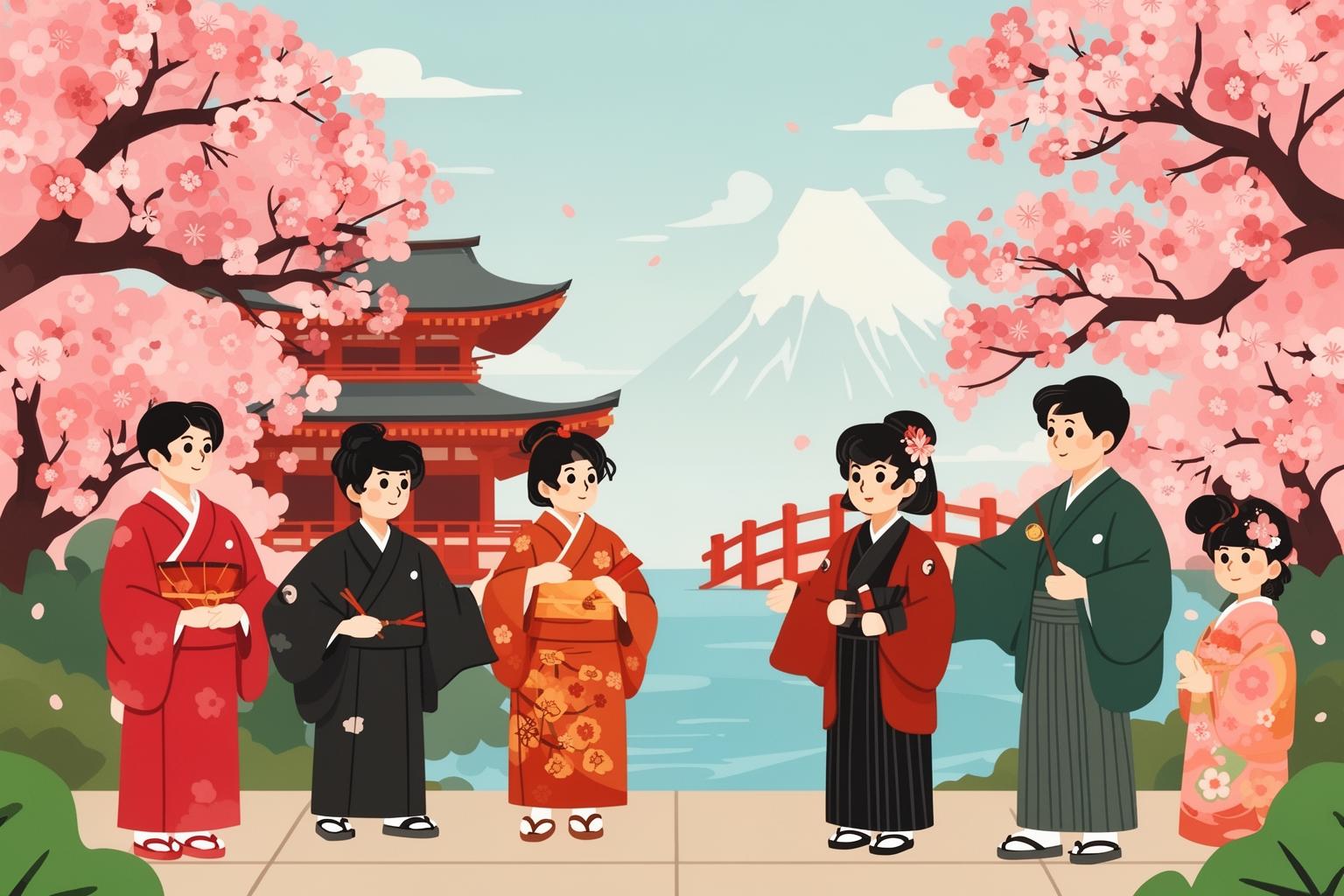
Like any enduring tradition, hanami continues to adapt over time. While corporate parties remain a significant part, the ritual has broadened to suit the rhythms of modern life. Nowadays, hanami might be a quiet afternoon for a young family, a romantic outing, or even a solitary moment of reflection.
The commercial side is impossible to overlook. As soon as the first plum blossoms bloom, Japan is inundated with sakura-themed products. Starbucks launches its popular sakura-flavored lattes and frappuccinos, drawing long lines and sparking social media excitement. Confectionery brands offer cherry blossom versions of everything from KitKats and Pocky to traditional sweets like mochi and manju. Even beer cans feature pink petal designs. This ‘sakura economy’ is a vast commercial enterprise. Some may view it as diminishing a profound cultural symbol, but it can also be seen as a contemporary expression of shared enthusiasm, allowing everyone to engage with the seasonal spirit, even if they can’t visit a park.
Technology has also transformed the experience. The sakura zensen is no longer confined to evening news broadcasts; it’s tracked by apps providing real-time updates on bloom status in various locations. Social media platforms like Instagram overflow with perfectly edited blossom photos, turning a personal encounter into a public display of seasonal appreciation.
One of the most enchanting modern variations is the growing popularity of yozakura, or nighttime cherry blossom viewing. Many well-known hanami spots hang paper lanterns in the trees, lighting the blossoms from below. The effect is magical and distinct from the daytime experience. The pale flowers appear to float against the dark sky, creating a dreamlike, ethereal scene. Yozakura gatherings tend to be more tranquil, romantic, and filled with a different type of serene beauty. This innovation adds another layer to an already rich tradition.
The ritual has shown remarkable resilience, evolving alongside social shifts and new technologies without losing its essential spirit. Whether it’s a lively office party fueled by sake, a family savoring a carefully prepared bento, or a solitary photographer aiming to capture the perfect light on a single petal, the fundamental act remains unchanged: pausing, looking upward, and appreciating a fleeting moment of beauty.
So, yes, hanami is a picnic. But it’s a picnic that marks a national turning point. It’s a philosophical meditation on existence disguised as a celebration. It’s a social glue that strengthens group bonds in a society that values the collective. It’s a ritual connecting modern Japan to the courtly poets of a millennium ago. It is the moment when the entire nation, unified by the blooming of one type of tree, takes a collective breath and steps forward into the new year. It’s the delicate, petal-soft reset button for one of the world’s most complex societies.