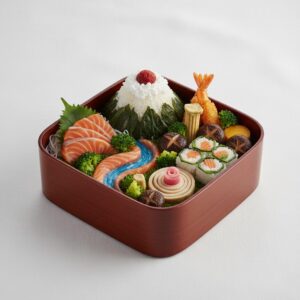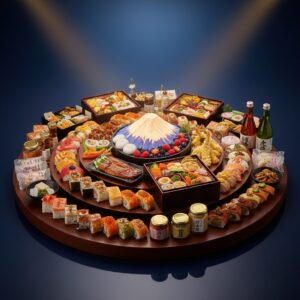
You descend the escalator, and the world changes. The serene, orderly calm of the Japanese department store floor above—with its hushed aisles of cosmetics and impeccably folded shirts—dissolves into a dazzling, delicious chaos. You’ve entered the depachika, the sprawling food hall in the basement of nearly every major department store in Japan. And your senses are immediately under siege.
The air is thick with a thousand competing aromas: the sweet, soy-braised scent of grilling eel, the nutty perfume of freshly roasted tea, the buttery fragrance of just-baked pastries. The sound is a gentle roar, a symphony of polite greetings from vendors, the crinkle of wax paper, and the contented murmur of shoppers. But it’s the sight that truly short-circuits the brain. Before you is a seemingly infinite landscape of food, a maximalist’s dream rendered in staggering detail. Towering pyramids of jewel-like fruit, lacquered boxes of intricate sweets, perfectly marbled slabs of beef, and glistening rows of sushi that look almost too perfect to be real. And that’s because, in many cases, they aren’t.
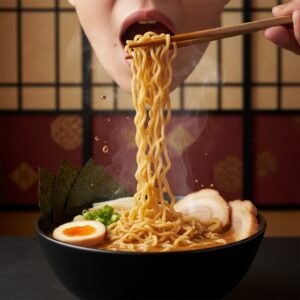
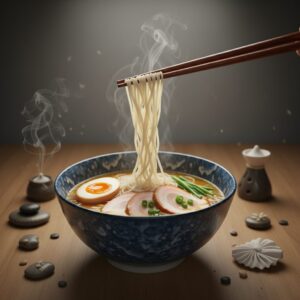
This is the kingdom of shokuhin sampuru, the hyper-realistic plastic food samples that are a hallmark of Japanese culinary presentation. They are everywhere, serving as three-dimensional menus that promise a flawless, idealized version of the real thing. A glistening bowl of ramen, its broth frozen in a perpetual state of savory perfection, with a perfectly soft-boiled egg suspended forever in its amber depths. A slice of strawberry shortcake so flawless it seems to have been rendered by a computer, its cream impossibly white, its berries a Platonic ideal of redness. This isn’t just marketing; it’s an art form, a cultural obsession, and a silent language that communicates volumes about Japan’s relationship with food. It’s a world where the replica is revered, and the promise of perfection is the most potent appetizer of all.
This art form of creating flawless replicas stands in fascinating contrast to the silent, ordered efficiency of Japan’s shokken system, another pillar of the nation’s unique food culture.
A Symphony in Silicone: What Exactly Are You Looking At?
Before we proceed, let’s clarify what these objects truly are. Shokuhin sampuru (食品サンプル), or “foodstuff samples,” are far from cheap plastic toys. They are meticulously handcrafted masterpieces, created to appear indistinguishable from real food at first glance, and often even under close scrutiny. The level of detail is astonishing, bordering on obsessive. Artisans dedicate years to perfecting their craft, replicating not only the shape and color of food but its very essence.
Take a sample of grilled fish, for example. The artist doesn’t simply paint it brown; they capture the subtle char marks on the skin, the delicate translucence of the cooked flesh flaking away from the bone, and the glistening sheen of oils that make it seem as if it were just taken off the grill moments ago. A model of a glass of beer will feature carefully placed condensation droplets trickling down the side and a foam head made of individually crafted, differently sized bubbles to create the illusion of fizzing life. The marbling in a plastic steak is not just a surface pattern; it’s embedded within the resin, imitating the way fat weaves through real muscle tissue. Grains of rice in a sushi sample are often molded individually and then painstakingly assembled to appear naturally clumped.
This dedication to realism goes beyond appearance; it’s about capturing texture and evoking a sensory experience visually. The slight sag of noodles lifted by chopsticks suggests their weight and softness. The glossy, almost wet appearance of a piece of tuna sashimi communicates its freshness and fatty content. The crumbs scattered artfully around a tempura sample add a sense of motion, as if it were just plated. These are not static objects; they are frozen moments of culinary perfection, designed to provoke an immediate, visceral response of desire and hunger in the viewer.
From Wax to Wonder: A Brief History of Fake Food
The origin of this unique art form is surprisingly practical. Although wax anatomical models had been used for medical purposes in Japan since the 19th century, the credit for applying this technique to food largely goes to one man, Takizo Iwasaki. The story recounts that in the early 1920s, after observing drops of hot wax fall into water and form flower-like shapes, he was struck with inspiration. He began experimenting and eventually created an impressively realistic wax omelet. He showed his creation to a restaurant in Osaka, which at the time was undergoing rapid westernization and offering unfamiliar dishes to a curious but cautious clientele.
The challenge was straightforward: in a country with low literacy rates and a surge of new, foreign foods, menus were often confusing. How could one explain what a “cutlet” or an “omelet” was to someone accustomed solely to traditional Japanese cuisine? Wax models provided a brilliant solution. They transcended language barriers, providing a clear, unmistakable visual guide to the menu. They became an immediate success, and soon restaurants across Japan eagerly displayed these “silent salesmen” in their windows.
The industry prospered, but wax had drawbacks. It was fragile, melted in summer heat, and its colors faded with time. The true breakthrough came after World War II with the introduction of plastics and synthetic resins such as polyvinyl chloride (PVC). These materials were durable, colorfast, and capable of capturing even finer details. This technological advance allowed the craft to evolve from a simple restaurant aid into the sophisticated art form showcased in depachika today. The emphasis shifted from merely identifying dishes to celebrating them, turning a practical tool into a powerful instrument of commercial appeal.
The Depachika as Theater: Setting the Stage for Desire
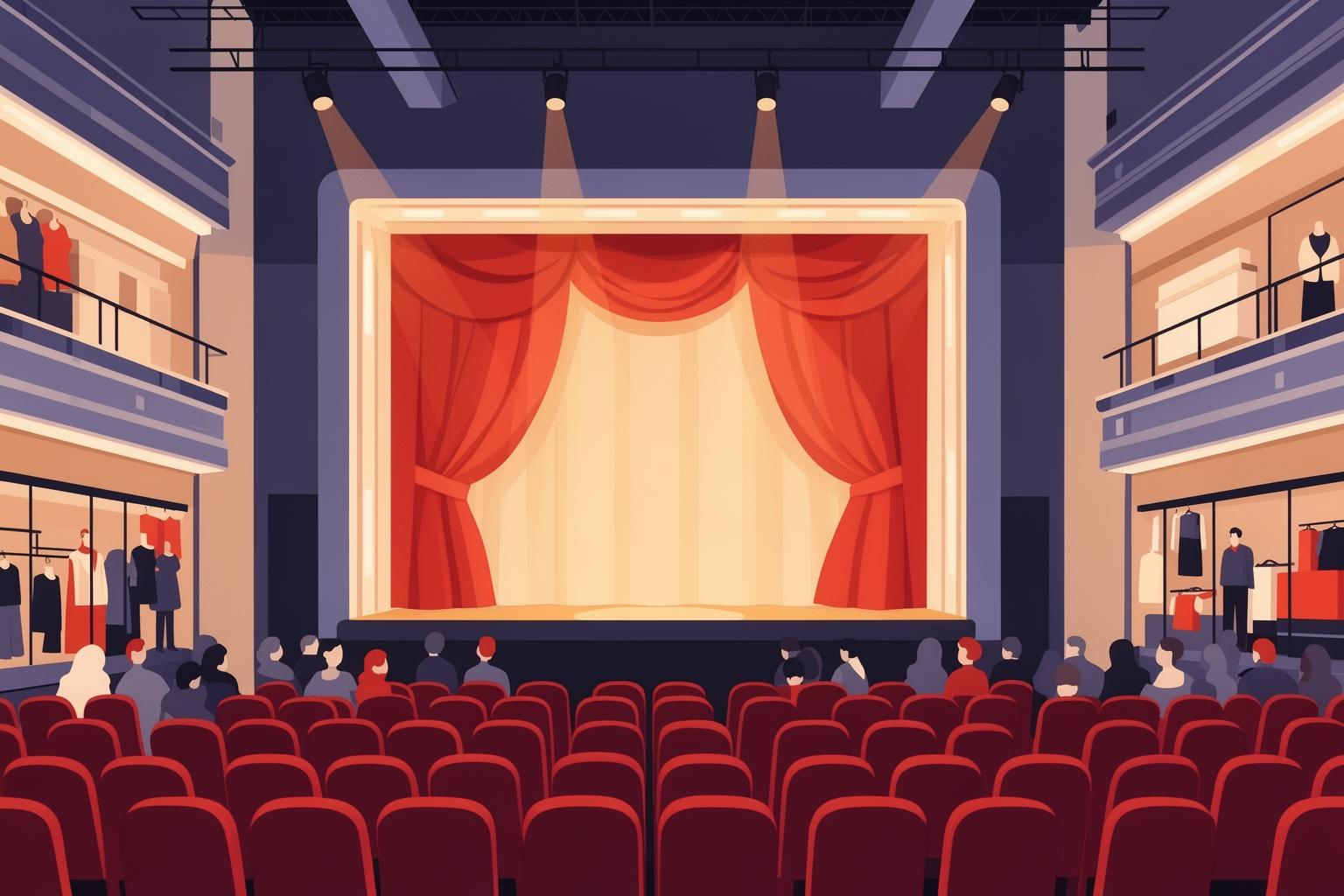
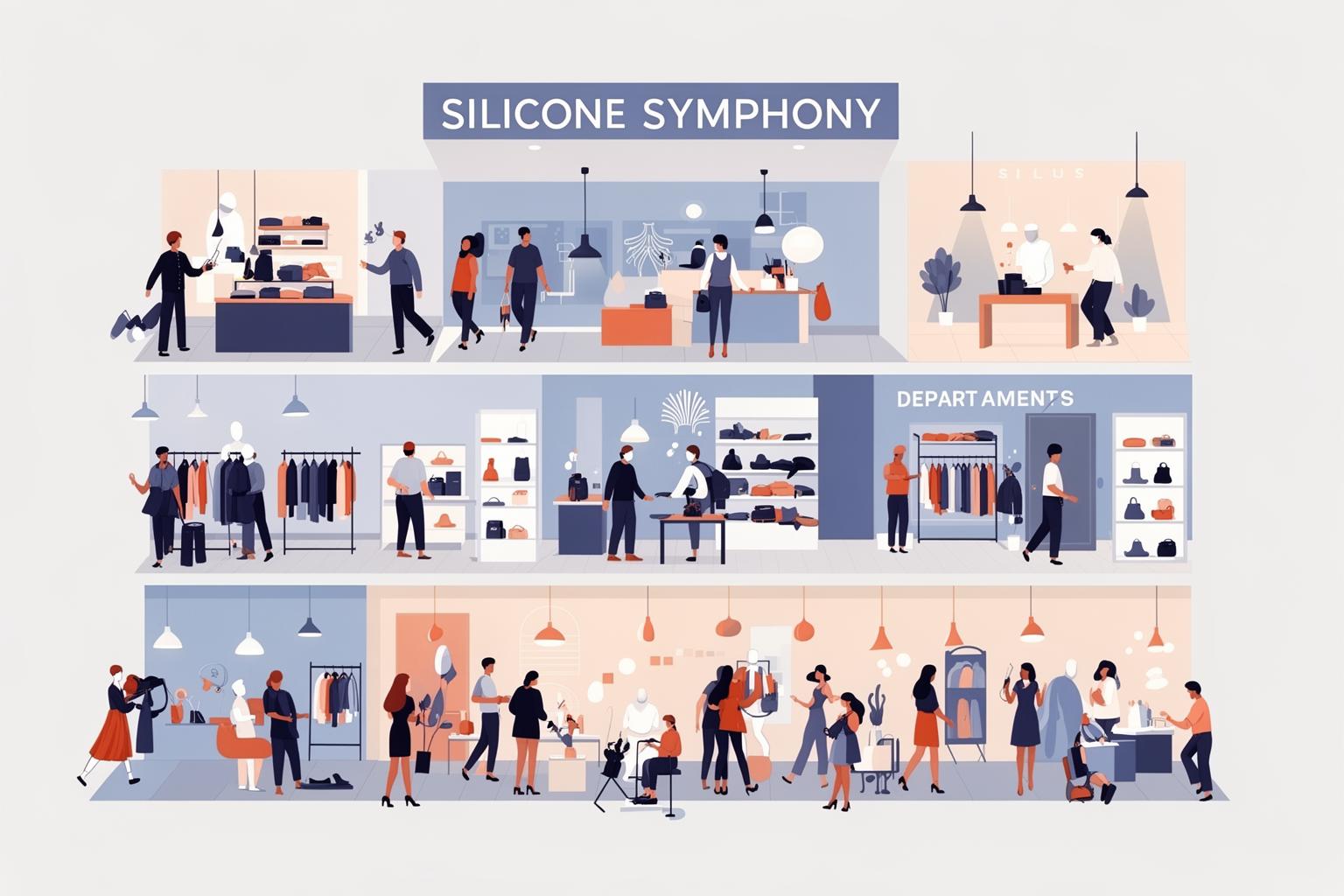
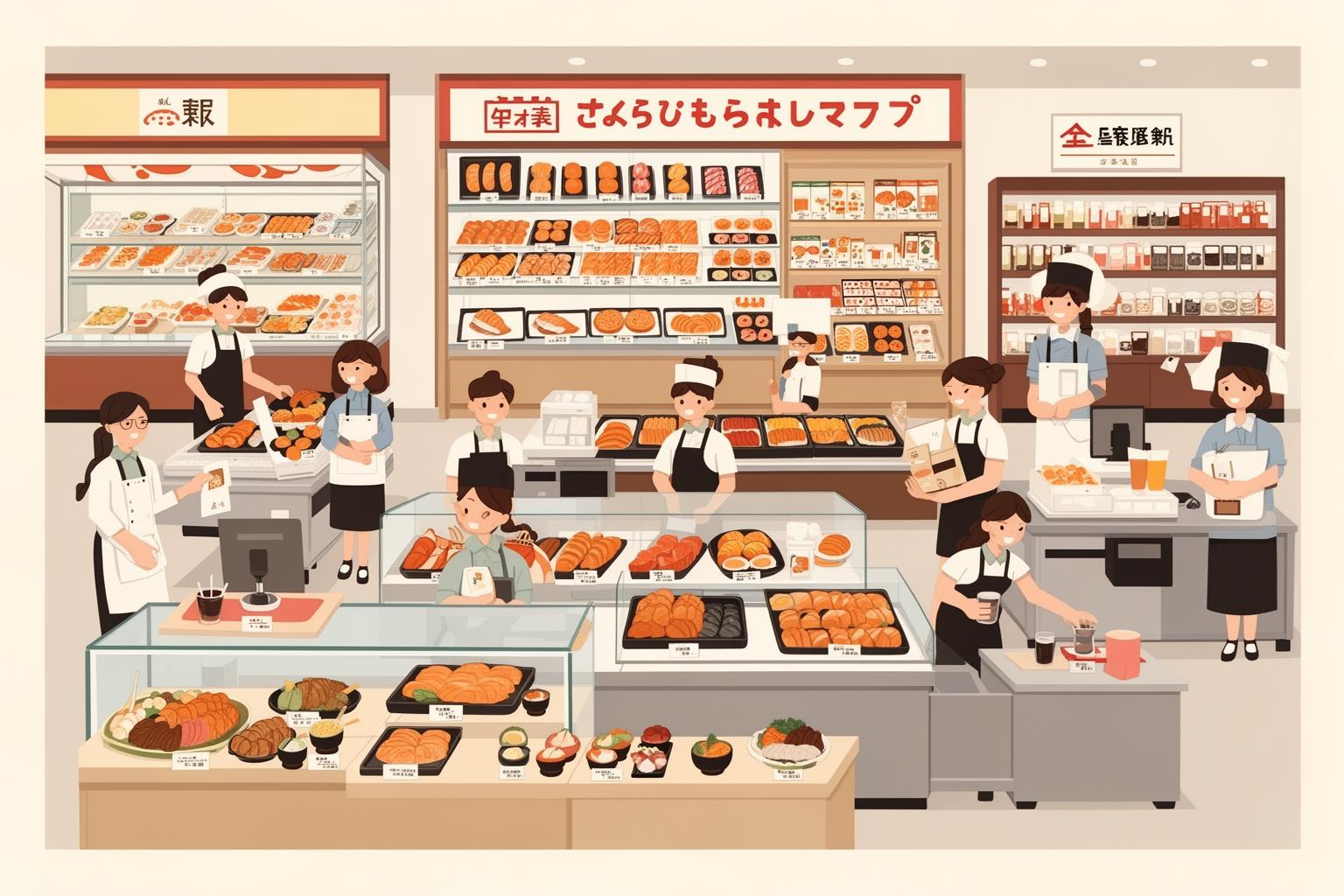
Nowhere is the power of shokuhin sampuru more apparent than in the depachika. These food halls differ from Western supermarkets, which are generally designed for efficiency. The depachika is instead a place of discovery and indulgence, a carefully staged piece of retail theater. Its layout is often a labyrinth of sparkling stalls, each a boutique devoted to a particular delicacy: one for wagashi (traditional Japanese sweets), another for French pastries, another for pickles, another for bento boxes, and yet another for premium sake.
In this theatrical environment, the food samples take center stage. They are displayed under bright, warm lighting meant to enhance their appeal. Rather than simply being placed on shelves, they are arranged into intricate tableaus. Full meals are presented, complete with chopsticks, bowls, and glasses, creating a vivid vision of a perfect dining experience. A stall selling tonkatsu (breaded pork cutlet) won’t just show the cutlet—it will be sliced to reveal a juicy interior, surrounded by a mound of shredded cabbage and a dollop of mustard, exactly as it would be served.
The Psychology of Perfection
This elaborate presentation directly taps into a fundamental aspect of Japanese consumer psychology: reducing uncertainty. Purchasing something, especially a gift or a special-occasion meal, is a significant action. There is a deep-rooted cultural demand for quality and reliability. The food sample acts as a visual promise. It says, “This is what you will receive. No surprises, no disappointments. It will be just as beautiful and perfect as this.”
In a culture where presentation is considered an essential part of the meal, this assurance is incredibly powerful. It removes the risk of buyer’s remorse. You don’t have to guess what’s inside the elegantly wrapped package; a flawless replica is displayed right next to it. This enables customers to shop with confidence, turning the act of buying from a risk into a gratifying certainty. It establishes a foundation of trust between vendor and customer before a single word is spoken.
The Silent Salesman
From a purely commercial perspective, the sampuru is an unmatched tool. It works nonstop, conveying value, quality, and portion size more effectively than any photograph or written description could. It makes the abstract idea of a menu item tangible. It facilitates effortless upselling—placing a standard dish alongside a deluxe version with extra toppings makes the premium choice much more tempting. It answers customers’ essential questions without any staff involvement, allowing employees to concentrate on service and transactions.
More importantly, the samples create an instant and powerful craving. You may enter the depachika with only a vague intention of buying a snack, but when faced with a gleaming, three-dimensional model of a fruit tart heaped with perfect berries, that vague intention crystallizes into a strong, urgent desire. The samples bypass rational thought and appeal directly to our primal instincts. You see it, you want it. It is the most effective form of advertising imaginable because it feels less like an ad and more like a simple statement of fact: this delicious item exists, and you can have it right now.
More Than a Model: The Ritual of Choosing
The role of shokuhin sampuru goes well beyond individual purchases. They are deeply ingrained in the social rituals of Japanese life, especially within the elaborate culture of gift-giving. In Japan, gifts (o-miyage for souvenirs, o-seibo for year-end, o-chugen for mid-year) are more than casual tokens; they function as essential social lubricants that sustain relationships, express gratitude, and convey respect.
The quality and presentation of a gift directly reflect on the giver. Presenting a gift that is disappointing or of inferior quality can be a cause of embarrassment. The depachika serves as the primary battleground for selecting these important gifts, and the food samples are the buyer’s trusted companions. Whether choosing an elegant box of cookies for a business colleague or a beautifully crafted jelly for an elderly relative, the sample offers crucial reassurance. It allows the giver to visualize the gift, evaluate its quality, size, and visual appeal, ensuring it will be received with the intended appreciation. The sample is not simply selling the food; it is promoting social harmony and the successful fulfillment of a cultural obligation.
Navigating the Aisles: An Unspoken Etiquette
Shopping in a depachika is itself a ritual. It is rarely a hurried, in-and-out experience. People wander. They browse. It is a form of entertainment, a leisurely activity. The samples support this slow, thoughtful process of exploration. Shoppers move from counter to counter, their eyes delighting in the plastic replicas, comparing, contrasting, and reflecting.
Here, another type of sample also plays a role: shishoku, or small, complimentary tastings of the actual food. This is the second part of the dynamic duo in Japanese food marketing. First, the sampuru captivates you with a visual promise of perfection. Then, a vendor offers a tiny bite of the real thing on a toothpick, confirming that the taste matches the visual appeal. This combination is nearly irresistible. The plastic model plants the seed of desire, and the edible sample seals the deal. The etiquette is straightforward: you accept the sample with a slight bow or nod of thanks, taste it, and then feel free to move on without any obligation to buy, though the social contract subtly encourages a purchase.
The Artisans of Appetite: A Look Inside the Sampuru Studio
To truly appreciate the sampuru, one must recognize the exceptional craftsmanship involved in their creation. This is not an industry of mass production; rather, it is a realm of small studios where skilled artisans, often with decades of experience, meticulously handcraft each piece. The process is an intriguing combination of culinary insight and artistic expertise.
It usually starts with actual food. To craft a new sample, a studio first acquires a perfect example of the dish from the client restaurant. The artisans then carefully dismantle it and produce silicone molds for each individual element—a single shrimp, a bamboo shoot slice, a piece of pork. Liquid plastic is poured into these molds and baked until it solidifies. But this is only the beginning.
The true artistry emerges in the painting and assembly stages. The hardened plastic pieces are initially colorless and lifeless. It is the artisan’s task to bring them to life with paint. They employ airbrushes and fine-tipped brushes to build up layers of color, adding depth, shadow, and texture. They must be experts in color theory, capable of replicating the precise shade of seared tuna or the mottled surface of a baked sweet potato. Achieving the desired realism often requires dozens of paint layers on a single piece.
Finally, the components are put together. The faux noodles are placed in the bowl, the broth (commonly made from colored gelatin or resin) is poured in, and the toppings are positioned with tweezers to create a composition that appears both natural and visually appealing. It is a slow, meticulous process demanding great patience and an artist’s eye. These artisans do more than replicate food; they are sculptors and painters whose medium is plastic and whose subject is the art of cuisine.
The Maximalist Contradiction: Why More is More in the Land of Less
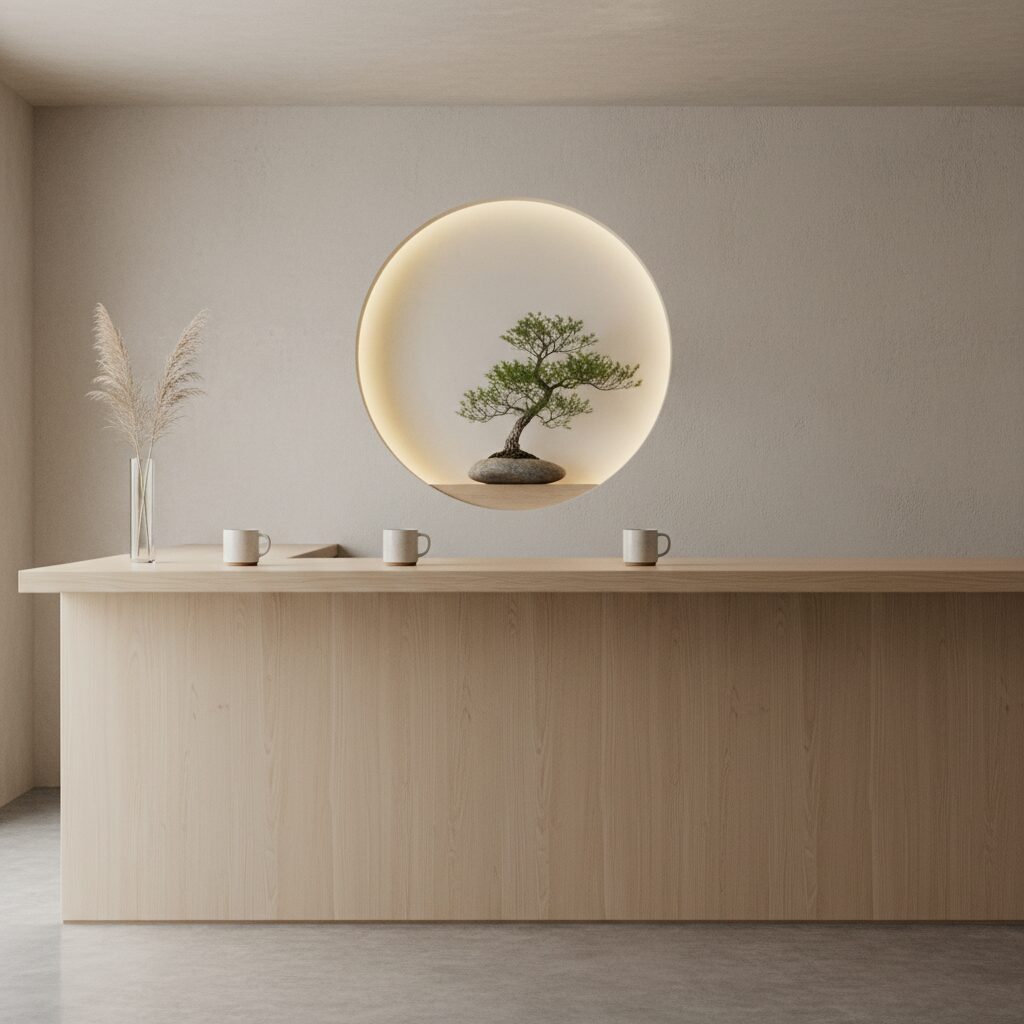
At first glance, the visual chaos of a depachika appears to contradict the familiar Western notion of Japanese aesthetics. Where is the wabi-sabi, the appreciation of imperfection and transience? Where is the minimalist grace of a Zen rock garden? The depachika, with its explosion of color, overwhelming abundance, and glossy plastic perfection, stands as the exact opposite of this stereotype. It is loud, confident, and completely maximalist.
However, this is less a contradiction and more a demonstration of the culture’s diversity. The same core values of meticulous attention to detail, dedication to craft, and the importance of presentation are present, just expressed differently. The rock garden’s aesthetic seeks to create a perfect, carefully controlled expression of nature and emptiness. The depachika’s aesthetic achieves a perfect, carefully controlled expression of culinary abundance and desire.
Both represent forms of idealism. Both aim to craft a perfect, curated experience for the observer. The Zen garden offers an idealized vision of nature, while the shokuhin sampuru presents an idealized version of food. In each case, the goal is flawless execution of a concept. Whether that concept is “serene simplicity” or “overwhelming deliciousness,” the dedication to perfecting every detail remains distinctly Japanese.
The fake food sample, then, is more than a clever marketing gimmick. It is a cultural artifact. It represents a unique fusion of commerce, craft, and ceremony. It stands as a testament to a society that believes seeing is believing and that the promise of a perfect meal is a pleasure unto itself. The next time you find yourself in the dazzling basement of a Japanese department store, pause to truly observe these plastic marvels. They are not merely fake food—they are a perfect, inedible slice of Japan itself.