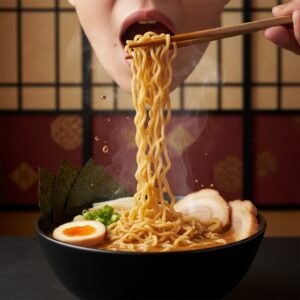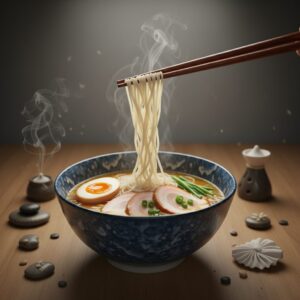
Step into a classic ramen shop in Japan, and the first thing that hits you isn’t the host, the menu, or even the savory steam billowing from the kitchen. It’s the machine. Standing guard by the entrance, it hums with a quiet electronic pulse, its face a mosaic of backlit buttons, each showcasing a tiny, tantalizing photograph: a perfect bowl of tonkotsu ramen, a glistening soft-boiled egg, a neat row of gyoza, a frosty mug of beer. This is the shokkenki, the food ticket vending machine, and for many first-time visitors, it’s a moment of delightful bewilderment. In a country lauded for omotenashi—a philosophy of wholehearted, intuitive hospitality—this automated gatekeeper can feel like a contradiction. Where’s the personal touch? The warm welcome?
You’ve just stumbled upon one of the most elegant and misunderstood systems in Japanese casual dining: the shokken system. It’s not a bug in the hospitality code; it’s a feature. This isn’t about replacing human interaction with robotic efficiency for the sake of it. It’s about redefining what good service means. It’s a carefully choreographed ritual designed to strip away every possible point of friction from the dining experience, leaving only the pure, unadulterated act of eating. It’s a system born from a deep cultural respect for focus, hygiene, and the sanctity of the meal itself. Forget what you think you know about ordering food. To understand the ticket machine is to unlock a fundamental truth about how Japan approaches a bowl of noodles—and life itself.
This focus on ritual and community is also powerfully expressed in the Sacred Fire of Nozawa, where forging bonds takes center stage.
The Machine at the Door: More Than Just a Transaction
The first encounter can feel overwhelming if you’re not prepared. You’re hungry. There’s a line forming behind you. The machine displays a vast array of choices, a grid of kanji and plastic food photos that all look tempting. It’s a far cry from sliding into a booth and leisurely browsing a menu while a waiter fills your water glass. Here, the decision comes first. The transaction happens upfront, not at the end. It feels sudden, transactional, almost clinical. But watch the locals. They approach the machine with practiced confidence, a swift dance of inserting yen, pressing a sequence of buttons, and collecting a small stack of paper or plastic tickets. There’s no hesitation. This isn’t a choice; it’s a statement of intent.
Your First Purchase: A Quick Guide to the Grid
So, what exactly is this device? At its heart, a shokkenki (食券機) is a meal vending machine. You insert cash or, increasingly, scan a transit card or credit card. Then you select your main dish, any extra toppings you want (a slice of char siu pork, a sheet of nori seaweed, extra bamboo shoots), side dishes like fried rice or dumplings, and your drink. For each item, the machine dispenses a small, unique ticket. You gather your tickets and wait to be seated. Once at the counter, you simply hand the batch of tickets to the chef or staff. There’s no need to say anything about your order. The tickets convey the entire message.
These machines are the heart of a particular tier of Japanese eateries. You won’t find them in fine dining restaurants or cozy, family-run izakayas. Their natural setting is the high-turnover, counter-seating world of ramen, soba, udon, gyudon (beef bowls), and curry shops. These places specialize in doing one thing, or a few things, exceptionally well and serving it quickly. They are the engines of the Japanese lunch rush, the late-night refueling stops for commuters, and the solo diner’s refuge. The machine isn’t just an add-on; it’s central to their operation.
The Anatomy of a Choice
Understanding the layout is the key to mastering the machine. While designs differ, a certain logic remains. The prime space—the largest buttons on the top row—is nearly always reserved for the shop’s signature dishes or most popular set meals. This is the osusume, the recommendation. If you’re ever stuck, just choose one of the top-left buttons. You can’t go wrong. Below these, you’ll find variations: the same dish with extra toppings, a larger portion, or a spicy option. The smaller, often less noticeable buttons around the edges are for à la carte items: individual toppings, a bowl of rice, a side of pickles, a beer. It’s a visual hierarchy that guides you from the main course to the supporting players, simplifying your decision before you even sit down.
The ‘Why’: Unraveling the Logic of Silent Efficiency
This is where the “aha!” moment occurs. The shokken system isn’t about being impersonal; it’s about achieving a state of perfect, streamlined flow that benefits everyone from the owner to the chef to the customer. It represents a form of hospitality that values seamlessness over small talk.
The Symphony of Separation: Hygiene and Focus
The most practical and culturally significant reason for the shokkenki is the strict separation of money and food. In Japan, where cleanliness is held in the highest regard, the idea of a chef handling raw ingredients and then immediately touching cash is deeply unappealing. Cash is seen as dirty—a necessary but unsanitary medium of exchange. The ticket machine creates a firewall. The staff member who takes your money is the machine. The chef or server who receives your ticket and prepares or serves your food never has to handle a single coin or bill. This division of labor is a simple but profound statement about priorities. The kitchen is a sacred space, and the purity of the food is paramount. The machine acts as a buffer, preserving that sanctity.
This principle of focus goes beyond hygiene. In a tiny, ten-seat ramen bar, the chef is often the owner, server, and dishwasher all at once. They don’t have time to take orders, make change, and run credit cards while also ensuring every bowl of ramen leaving the counter is perfect. The shokkenki serves as their silent assistant. It manages the entire ordering and payment process, freeing the chef to concentrate fully on their craft. They can see a ticket for “tonkotsu ramen, extra egg, hard noodles” and immediately begin the precise steps needed to prepare it. There are no questions, no misunderstandings, no delays. It allows for a level of specialization and focus simply impossible when one person juggles multiple roles.
The Ritual of the Meal: Protecting the Act of Eating
Look deeper, and you’ll find a more philosophical benefit. The shokken system fundamentally changes the rhythm of the meal. By completing the entire transaction before you eat, it liberates the dining experience. Once you hand over your ticket, your obligation is fulfilled. No waiter will interrupt your thoughts to ask how everything tastes. There’s no awkward dance trying to catch someone’s eye to request the check. No fumbling with wallets or credit cards at the end when all you want to do is savor the lingering warmth of the broth.
Your entire time at the counter is devoted purely to eating. You engage with the bowl in front of you, watching the chef—a master of efficiency and movement—assemble the components. You inhale the aroma. You lift the noodles. You taste the soup. It’s a meditative, focused experience. In a culture that values designated roles and processes—known as kata, or form—the shokken system is the modern kata for a quick, perfect meal. It creates a bubble of tranquility around the diner, insulating them from the transactional noise that usually surrounds eating out. Your sole task is to eat, enjoy, and when finished, leave. It’s a quiet, profound expression of respect for both the food and the customer’s time.
The Unspoken Welcome: An Accidental Bridge
Although not its original intent, the ticket machine has become an incredible asset for non-Japanese speakers. It effectively breaks down the language barrier. Faced with a menu of impenetrable kanji, travelers can feel intimidated. But with a machine covered in pictures, ordering becomes a simple matter of pointing and pressing. You can successfully order a complex, customized meal without saying a word. You don’t need to know how to say “I’ll have the spicy miso ramen with extra corn and a side of gyoza.” You simply press the corresponding buttons. This visual language serves as a universal welcome—an unspoken invitation to participate without fear or confusion. It makes these quintessentially local establishments accessible to everyone, a happy accident of a system designed with entirely different goals in mind.
A System Forged in History: From Post-War Canteens to Digital Hubs
The shokkenki didn’t simply appear out of nowhere; it is a product of Japan’s unique 20th-century history. The concept originated during the years of rapid post-war reconstruction and economic expansion. As cities filled with workers, there was a huge demand for dining options that were fast, affordable, and highly efficient. The first food ticket machine is believed to have been installed in a Tokyo cafeteria in the mid-1950s, providing a direct solution to the challenge of serving a large number of people in a very short time, especially during the hectic midday lunch rush.
The Salaryman’s Ally
It was the ideal tool for the era of the “salaryman.” These office workers required quick and reliable meals. The shokken system removed bottlenecks at every step: no waiting for menus, no waiting to order, no waiting to pay. It was a model of industrial efficiency applied to dining, reflecting the very principles that were driving Japan’s economic recovery. The machine ensured speed and consistency, two virtues highly valued in a society focused on collective productivity. Shops that adopted the system became vital infrastructure for the working population, providing a dependable and solitary moment of respite during a demanding day.
The Evolution to the Touchscreen
Today, the humble ticket machine has evolved. While many vintage models with their charming retro plastic buttons still exist, numerous shops now feature sleek, modern touchscreens. These digital versions offer multilingual support, accept a wide range of cashless payments—from the ubiquitous Suica and Pasmo transit cards to credit cards and QR codes—and sometimes even send orders directly to a kitchen screen the moment they are placed. Yet, it’s notable that even as the technology has been updated, the core principle has remained unchanged for over half a century. The system still revolves around ordering first, separating money from food, and emphasizing the meal experience itself. The modern interface is simply a fresh layer on a time-tested and culturally significant idea.
Mastering the Machine: A Practical Etiquette
Approaching a shokkenki for the first time can feel as daunting as defusing a bomb, but with a bit of knowledge, you can handle it with the calm confidence of a seasoned local. It’s a straightforward routine once you learn the steps.
The Approach and the Purchase
First, have your cash ready. Although many modern machines accept cashless payments, a good number, especially in older or smaller establishments, still require cash. It’s safest to bring yen. Insert your bills or coins into the designated slots. The machine will illuminate, signaling it’s ready for your choice. Take a moment to scan the grid, noting the main dishes, toppings, and sides. Press the button for your first selection. A ticket will drop into the retrieval slot. Keep pressing buttons for everything you want. If you use a large bill, don’t forget to press the change lever or button (otsuri お釣り) afterward to receive your change. Collect your tickets—they now serve as your currency inside the restaurant.
The Hand-Off and Customization
With tickets in hand, join the queue or wait for staff to direct you to an open seat. The etiquette for handing over tickets can vary slightly. Sometimes you place the tickets on the counter as you sit down; other times, a staff member will collect them from you while you’re still in line. Just observe what others do.
This is also the moment for customization. Even though you order from a machine, there’s usually a human touch. For ramen, the staff might ask about your noodle preference: katame (硬め) for firm, futsuu (普通) for regular, or yawarakame (柔らかめ) for soft. They may also inquire about the richness of the broth or the amount of garlic. Here, the machine’s role ends and the chef’s craft begins, customizing your meal to suit your tastes.
The Graceful Exit
This is the simplest and most elegant part of the entire ritual. Once you’ve finished your last spoonful of soup or grain of rice, you are done. There’s nothing more to do—no bills to settle, no tips to calculate (tipping isn’t practiced in Japan). You simply stand, gather your belongings, and head for the door. If there’s a raised counter, it’s polite to place your empty bowl there to help the staff with cleaning. A quiet, sincere “Gochisousama deshita” (ごちそうさまでした), meaning “Thank you for the meal,” directed to the chef is a courteous and appreciated gesture. With that, you leave, making way for the next hungry customer in a smooth, continuous flow.
The Ticket is the Key
The shokken system is much more than just an unusual piece of restaurant technology. It offers insight into the Japanese mindset, revealing a culture that values efficiency not as an end in itself, but as a means to create space for what truly matters. It embodies a concept of service focused less on performative friendliness and more on anticipating needs and removing obstacles. It is hospitality expressed through a flawlessly designed process.
By managing the routine task of payment upfront, the machine paves the way for a moment of pure, uninterrupted focus. It honors the chef’s craft by shielding them from distraction. It respects the customer’s time by ensuring the experience is as smooth as possible. And it honors the food itself by placing it firmly at the center of the entire occasion.
The next time you stand before that glowing grid of buttons, don’t view it as an impersonal barrier. See it for what it truly is: the silent conductor of a small, perfect symphony. It is your ticket in, the key that opens a space where all you need to do is sit, be present, and savor a genuinely fantastic meal. Insert your yen, make your selection, and get ready to appreciate the quiet, delicious ritual that lies ahead.