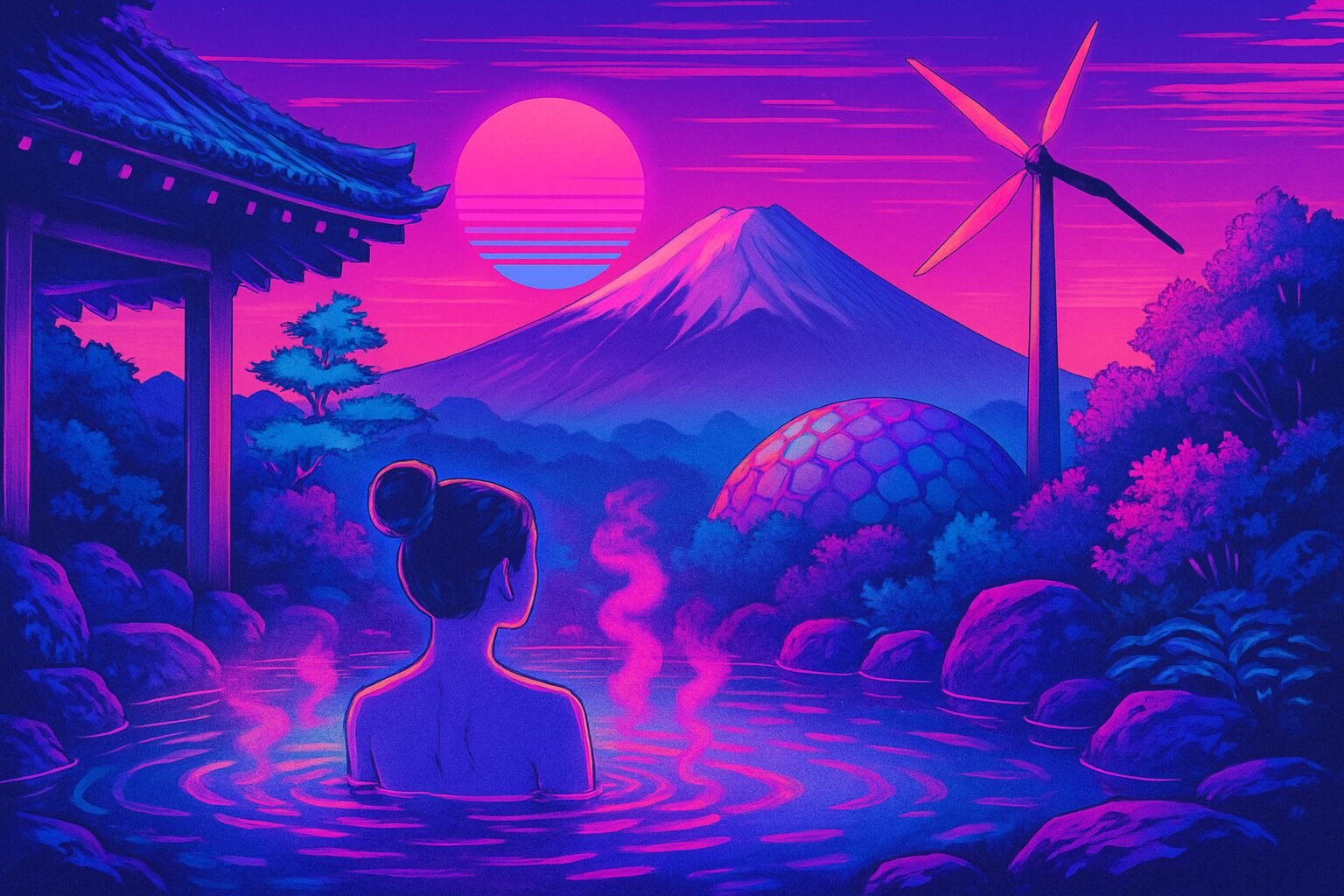
Yo, let’s talk about Japan. You’re probably picturing neon-drenched Tokyo streets, ancient temples looking serene AF, and maybe even a bowl of life-changing ramen. All legit. But what if I told you there’s another level? A vibe that’s deeply rooted in nature, community, and just straight-up chilling. We’re diving deep into the world of Japanese onsen—natural hot springs—but with a twist. This isn’t just about getting your soak on. This is for the conscious traveler, the eco-warrior, the person who wants their trip to mean something more. We’re exploring onsen towns that are rewriting the script, blending centuries-old traditions with a seriously fresh, sustainable mindset. It’s about more than just hot water; it’s about a way of life that respects the land, uplifts the locals, and offers a travel experience that’s good for the soul and the planet. This is the real-deal, low-impact, high-vibe journey into Japan’s steamy, therapeutic heart. It’s about finding places that aren’t just beautiful, but are actively working to stay that way for generations to come. So grab your tenugui (that’s a cool little Japanese towel, we’ll get to it), open your mind, and get ready to soak in a culture that’s been doing “eco-friendly” since way before it was a hashtag. This is your ultimate guide to the onsen towns that are keeping it real, sustainable, and 100% magical.
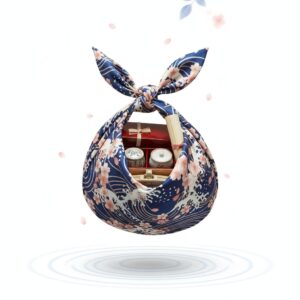
For a deeper dive into traditional Japanese practices that align with this sustainable philosophy, consider mastering the art of furoshiki for all your zero-waste wrapping needs.
Kurokawa Onsen, Kumamoto: The OG of Onsen Unity
The Vibe: A Secluded Valley Straight from a Studio Ghibli Tale
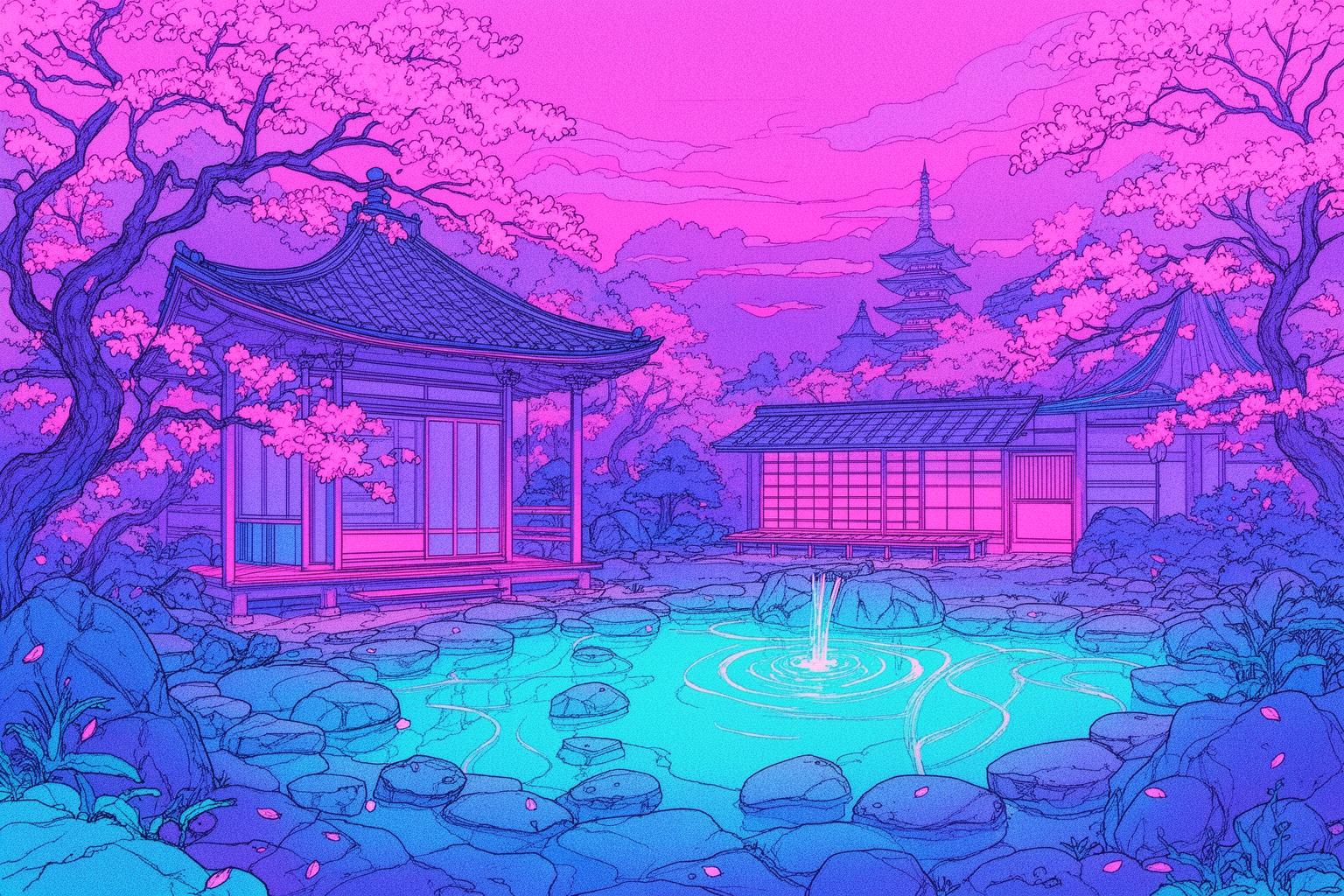
Imagine this: you’re deep in Kyushu, surrounded by mist-covered mountains and vibrant green forests. You meander down into a narrow river valley, and suddenly, the modern world seems to vanish. That’s Kurokawa Onsen for you. This place is quietly a masterpiece of thoughtful town planning and preservation. It’s not a sprawling resort; it’s a cozy, unified village where the sound of the Tanoharu River and the gentle tap of wooden geta sandals on stone paths form your soundtrack. The entire town feels like one large, sprawling ryokan (traditional inn). There are no flashy neon signs or towering concrete hotels. Instead, you’ll find dark wooden buildings with traditional tiled roofs, stone walls cloaked in moss, and smoke curling gently from chimneys. The aesthetic is deliberate, harmonious, and breathtaking. It’s a place that invites you to switch your phone to airplane mode and simply… be. The air feels purer, the rhythm of life slows down, and your focus shifts to the simple pleasures: the warmth of the water, the flavor of local food, and the stunning natural surroundings. It’s a complete body-and-soul kind of relaxation.
The Eco-Cred: Rooted in Community and Circulation
Kurokawa’s sustainable claim to fame is its iconic “Nyuto Tegata,” a wooden pass that serves as your golden ticket to onsen hopping. For a modest ¥1300, this cedar medallion grants you access to the outdoor baths (rotenburo) at three different ryokans of your choice. This isn’t just a tourist gimmick; it’s a brilliant concept in sustainable tourism. It encourages visitors to walk, explore the village on foot, and spread their spending across multiple local businesses rather than staying in one place. This simple system fosters a strong sense of unity among ryokan owners, who view themselves not as competitors but as collaborators in a shared mission: preserving Kurokawa’s magic. They call it “Kurokawa Onsen Ikka,” meaning “one family.”
This community spirit extends to their environmental efforts. The town has diligently worked to protect its natural landscape, reforesting areas and maintaining riverbanks. They famously resisted the construction of large, intrusive hotels and gaudy signs back in the ’80s, a choice that solidified their identity as a sanctuary of tradition and nature. The ryokans emphasize using locally sourced ingredients, from Kumamoto’s renowned Akaushi beef to foraged mountain vegetables. It’s a holistic sustainability approach woven into the town’s very fabric.
How to Rock Kurokawa: Your Game Plan
First things first: get your Nyuto Tegata. It’s your key to the experience. You can purchase it at the tourist information center or any participating ryokan. Then, don the yukata provided by your inn and begin exploring. Each onsen has its own unique charm. Some are nestled in caves, others sit beside the rushing river, while some offer spectacular waterfall views. Don’t hurry. The whole point is to wander.
Beyond the baths, take a stroll up the hill behind town to the Hiranodai Kogen Observatory for breathtaking views of Mount Aso, especially at sunset. Hidden gems? Stop by the modest Warokuya cafe for cream puffs that are out of this world, or find a peaceful spot along the river to simply sit and listen. Kurokawa is gorgeous year-round: vibrant green in summer, fiery hues in autumn, and a magical, snow-covered wonderland in winter where steam from the onsen rises into the frosty air. It’s pure enchantment.
Getting There & Pro-Tips
Getting here is a bit of a journey, which adds to its charm—keeping large crowds away. The easiest way is a direct highway bus from Fukuoka (about 2.5 hours) or from Kumamoto City. If you’re driving, the scenic mountain roads are beautiful, but be ready for snow in winter. Tip for first-timers: many of the top rotenburo are mixed-gender, but don’t worry. There are often women-only times, and the milky, mineral-rich water provides natural privacy. Besides, the respectful and relaxed atmosphere quickly eases any initial awkwardness. Just remember onsen etiquette: wash thoroughly before entering! Kurokawa is the perfect introduction to how a town’s shared vision can create a truly sustainable and unforgettable travel experience.
Kinosaki Onsen, Hyogo: The Pedestrian Paradise
The Vibe: Entering a Timeless Japanese Woodblock Scene
A river lined with willows, stone bridges arching elegantly over the water, and the rhythmic clip-clop of hundreds of people strolling in yukata and geta. Welcome to Kinosaki Onsen. This place embodies picturesque beauty. Nestled in northern Hyogo Prefecture, close to the Sea of Japan, Kinosaki exudes a timeless charm. The town centers around its seven public onsen, known as the “soto-yu.” The central idea here is that the town itself serves as your inn, the streets as your hallways, and the soto-yu as your baths. This concept completely reshapes the visitor’s experience.
The vibe in Kinosaki is social yet relaxed, with an old-world grace. In the evening, the streets awaken as visitors and locals clad in yukata wander from bath to bath, stopping for a beer, some ice cream, or to try their hand at vintage shooting gallery games. It’s a scene that has stayed virtually unchanged for centuries. The town feels remarkably safe, walkable, and inviting, with a soft hum of contentment lingering in the air.
The Eco-Cred: An Exemplary Model of Slow, Walkable Tourism
Sustainability is ingrained in Kinosaki’s culture. The “soto-yu meguri” (public bath circuit) tradition naturally promotes eco-friendly practices. It encourages visitors to leave their cars behind and supports a hyper-local economy. Staying at a ryokan grants you a free pass to all seven baths, fostering this pedestrian-focused approach. This benefits not only the environment but also the local businesses, ensuring every shop, café, and restaurant thrives.
The town has also invested heavily in protecting its unique heritage and environment. A notable restoration of willow trees along the Otani River followed a typhoon, symbolizing the community’s commitment to preserving their iconic scenery. Additionally, Kinosaki employs an advanced hot spring management system that carefully distributes its precious resources sustainably among ryokans and public baths. They prioritize local sourcing as well. Being near the Sea of Japan means enjoying some of the freshest crab around in winter—Matsuba crab is the local delicacy, and it’s truly exceptional. This emphasis on seasonal, local food reduces food miles and supports the regional fishing industry.
How to Rock Kinosaki: Your Action Plan
Your challenge, should you choose to accept it, is to visit all seven soto-yu. Each one offers a unique style and a special blessing—from matchmaking to business success. Pick up the soto-yu pass at your ryokan, put on your yukata (learning to tie it properly is all part of the fun!), and hit the streets. Don’t try to visit them all at once. Spread your visits across your stay—soak before dinner, again afterward, and maybe a refreshing dip in the morning.
Between baths, explore the town. Stop by Onsenji Temple, a beautiful shrine halfway up Mount Daishi with stunning views of the town. For an even better vantage point, take the Kinosaki Ropeway to the summit. A hidden delight is the old-fashioned gaming arcades—a nostalgic and entertaining way to spend some time. Seasonally, winter reigns supreme for crab season, and there’s nothing better than warming up in a steaming onsen after a chilly day. In spring, cherry blossoms beautifully frame the river.
Getting There & Pro Tips
Kinosaki is surprisingly accessible. Direct Limited Express trains run from Kyoto (about 2.5 hours) and Osaka (about 2.5-3 hours), making it a fantastic side trip off the main Kansai tourist route. The station sits at the end of the main street, so you can step off the train straight into the heart of the action. Pro tip for first-time visitors: each ryokan features its own unique yukata design. It’s fun to spot the various patterns as people wander the streets. Also, don’t hesitate to wear your yukata everywhere—to dinner, shops, and bars. Everyone does it, and it’s the best way to fully embrace the Kinosaki experience.
Nozawa Onsen, Nagano: Community-Powered Mountain Chill
The Vibe: A Rustic Ski Bum’s Hot Spring Paradise
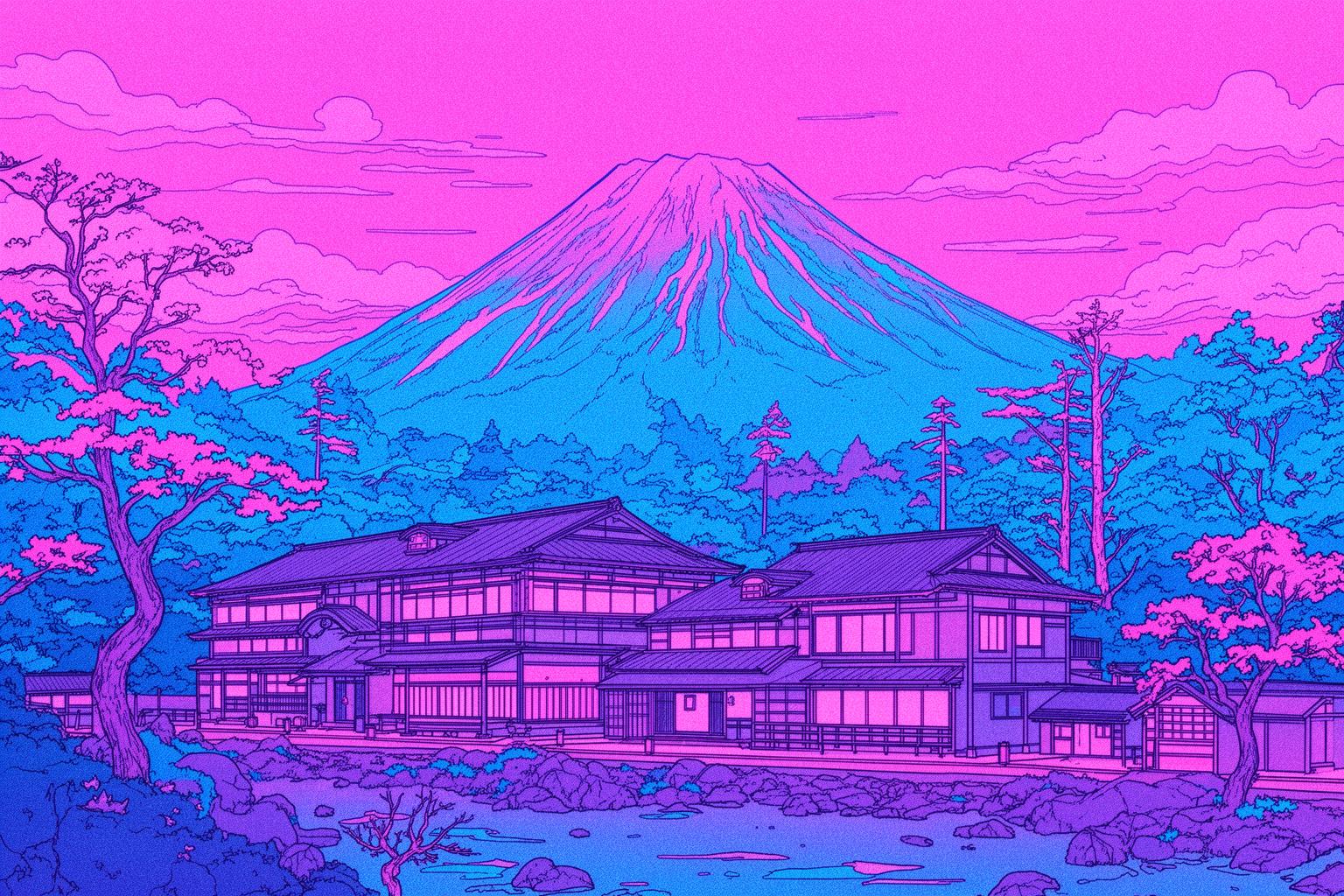
Tucked away in the mountains of northern Nagano, Nozawa Onsen embodies a delightful duality. In winter, it’s a famed ski resort boasting abundant powder snow and a lively international crowd. Yet, throughout the year, it remains a quaint, traditional onsen village with a history spanning over a thousand years. The atmosphere blends rustic Japanese charm with a relaxed alpine culture. You’ll find Aussie snowboarders and elderly Japanese locals sharing the same narrow, winding streets. Steam drifts from canals and vents across town, a constant reminder of the geothermal energy bubbling just beneath your feet.
At the core of Nozawa are its 13 free public bathhouses, known as “soto-yu.” These aren’t tourist sites; they are owned, operated, and cared for by the local community through a system called “yu-nakama” (hot water friends). The architecture of these bathhouses is striking—wooden structures resembling small temples dedicated to the bathing ritual. The vibe is authentically local, a bit rugged, and deeply communal.
The Eco-Cred: Community Effort and Geothermal Ingenuity
Nozawa Onsen exemplifies grassroots sustainability. The yu-nakama system perfectly illustrates community-based resource management. Local households rotate responsibilities for cleaning and maintaining their assigned soto-yu, nurturing a strong sense of ownership and care. As a visitor, you become a guest in their bathhouse, which fosters respect and appreciation. This model has preserved these historic structures and bathing traditions for centuries without commercialization.
The village also smartly harnesses its abundant geothermal energy. The most iconic example is Ogama, a stone-paved spot where spring water at 90°C (194°F) bubbles up. Residents use this natural hot pot to cook eggs (onsen tamago) and vegetables, especially the local Nozawana greens. This is a direct, practical, and truly sustainable use of natural energy that has been part of daily life for generations. They also use the onsen water to melt snow on the streets during winter. It’s a simple, effective way to live in harmony with the environment.
How to Rock Nozawa: Your Game Plan
For skiers and boarders, the winter itinerary is clear: spend your days carving through epic powder, then relax your sore muscles in the soto-yu by night. It’s the perfect pairing. In the warmer months, the mountain transforms into a haven for hiking and mountain biking.
Visiting the soto-yu is a must. Be careful— the water can be intensely hot! Locals use wooden buckets to splash themselves with hot water to acclimate before entering. Follow their example. Each bath offers a distinct experience, from the grand Edo-era O-yu in the town center to smaller, cozier neighborhood baths. Don’t forget to leave a small donation in the box outside to show appreciation to the yu-nakama for their efforts. A major cultural highlight is the Dosojin Fire Festival, held every January 15th. It’s one of Japan’s most wild and thrilling festivals, featuring a massive wooden shrine, lots of sake, and a fiery showdown. It’s an unforgettable event that celebrates the village’s strong community spirit.
Getting There & Pro Tips
Nozawa is best reached via the Hokuriku Shinkansen. Take the bullet train from Tokyo to Iiyama Station (less than 2 hours), then catch the 25-minute bus ride on the Nozawa Onsen Liner. Pro tip: Bring a small towel and some soap/shampoo for the soto-yu, as they are unstaffed and don’t provide toiletries. Also, remember these are shared community spaces—be quiet, respectful, and observe local customs. Watching how residents use the baths is the best way to learn. And seriously, don’t miss trying the onsen-cooked eggs from a street vendor—they’re perfectly soft-boiled with a subtle mineral taste. It’s the quintessential Nozawa treat.
Tsuru no Yu, Nyuto Onsenkyo, Akita: The Time Capsule
The Vibe: Rustic, Otherworldly, and Deep in the Wilderness
Let’s venture far off the beaten path. Deep within the mountains of Akita Prefecture, in an area called Nyuto Onsenkyo (literally “Nipple Mountain Hot Spring Village”), you’ll find Tsuru no Yu. This is not a town, but a singular, legendary ryokan that has been welcoming guests for over 300 years. It feels less like a hotel and more like a beautifully preserved samurai-era village left untouched by time. Getting here is part of the journey, involving a train ride into the countryside followed by a bus trip into the remote mountains. Upon arrival, you’re met with thatched-roof wooden buildings, the scent of woodsmoke, and a nearly sacred silence, interrupted only by the bubbling springs and the rustling beech forest.
The atmosphere at Tsuru no Yu radiates pure, rustic charm. Evenings are lit by the soft glow of oil lamps, and you’ll sleep on futons set in traditional tatami rooms. Cell service is often unavailable throughout much of the inn. This is a place to unplug from the digital world and reconnect with something more elemental. Its signature feature is the vast mixed-gender outdoor rotenburo—a milky blue pool encircled by rocks and nature. It’s one of Japan’s most iconic and photographed onsens, and rightly so. The experience feels both primal and magical.
The Eco-Cred: Sustainability Through Preservation
Tsuru no Yu’s sustainability rests on preservation rather than innovation. Its eco-consciousness stems from an intentional resistance to change. The historic wooden buildings have been carefully maintained for centuries using traditional crafting methods and local materials. This represents the purest form of recycling: simply preserving rather than discarding. By remaining a rustic, secluded inn, they have avoided the traps of overdevelopment and mass tourism.
The whole experience is low-impact. The food exemplifies “chisan-chisho” (local production for local consumption). Guests enjoy meals cooked over a traditional irori (hearth), grilling river fish and eating sansai (wild mountain vegetables) foraged from nearby forests, along with the famed miso-based hot pot called “yama no imo nabe.” This ultra-local cuisine supports the regional economy while maintaining a minimal carbon footprint. The inn’s isolation means entertainment isn’t imported; the natural surroundings, the hot springs, and quiet conversations provide all that’s needed. This model proves luxury doesn’t require modern amenities or high consumption.
How to Rock Tsuru no Yu: Your Game Plan
The approach here is simple: embrace the experience fully. Your day will center on the four unique hot springs on site, each with distinct mineral properties and colors (known as “shiroyu,” “kuroyu,” “naka no yu,” and “taki no yu”). The main rotenburo is the highlight, and though it’s mixed-gender, the milky water creates an unexpectedly intimate atmosphere. There are also women-only outdoor and indoor baths available for those who prefer them.
Spend your time reading by the irori, strolling slowly through the surrounding virgin beech forest (the Buna-bayashi trail is stunning), and savoring the remarkable food. Don’t hurry. This is a place to fully unwind. Tsuru no Yu is especially breathtaking in winter, when heavy Akita snow piles on the thatched roofs, turning the scene into a silent, serene winter fairy tale. Soaking in the hot, milky rotenburo while snowflakes gently fall is a memory you won’t forget. Autumn too is spectacular, with the mountains bursting into vivid reds, oranges, and yellows.
Getting There & Pro-Tips
Take the Akita Shinkansen from Tokyo to Tazawako Station (around 3 hours). From there, catch a bus to Nyuto Onsen (approximately 50 minutes) and get off at the Tsuru no Yu Onsen Iriguchi stop. The ryokan offers a shuttle service from the bus stop (advance call required). Pro-tip: Tsuru no Yu is highly sought after and often fully booked months, sometimes a year, in advance—especially on weekends and during peak season. Be sure to plan early. Also, pack for all weather conditions, as mountain climates can be unpredictable. And bring a good book—this is the perfect place to finally enjoy it.
Gero Onsen, Gifu: The Big Town with a Green Heart
The Vibe: Classic Onsen Resort Town, But With an Eco Twist
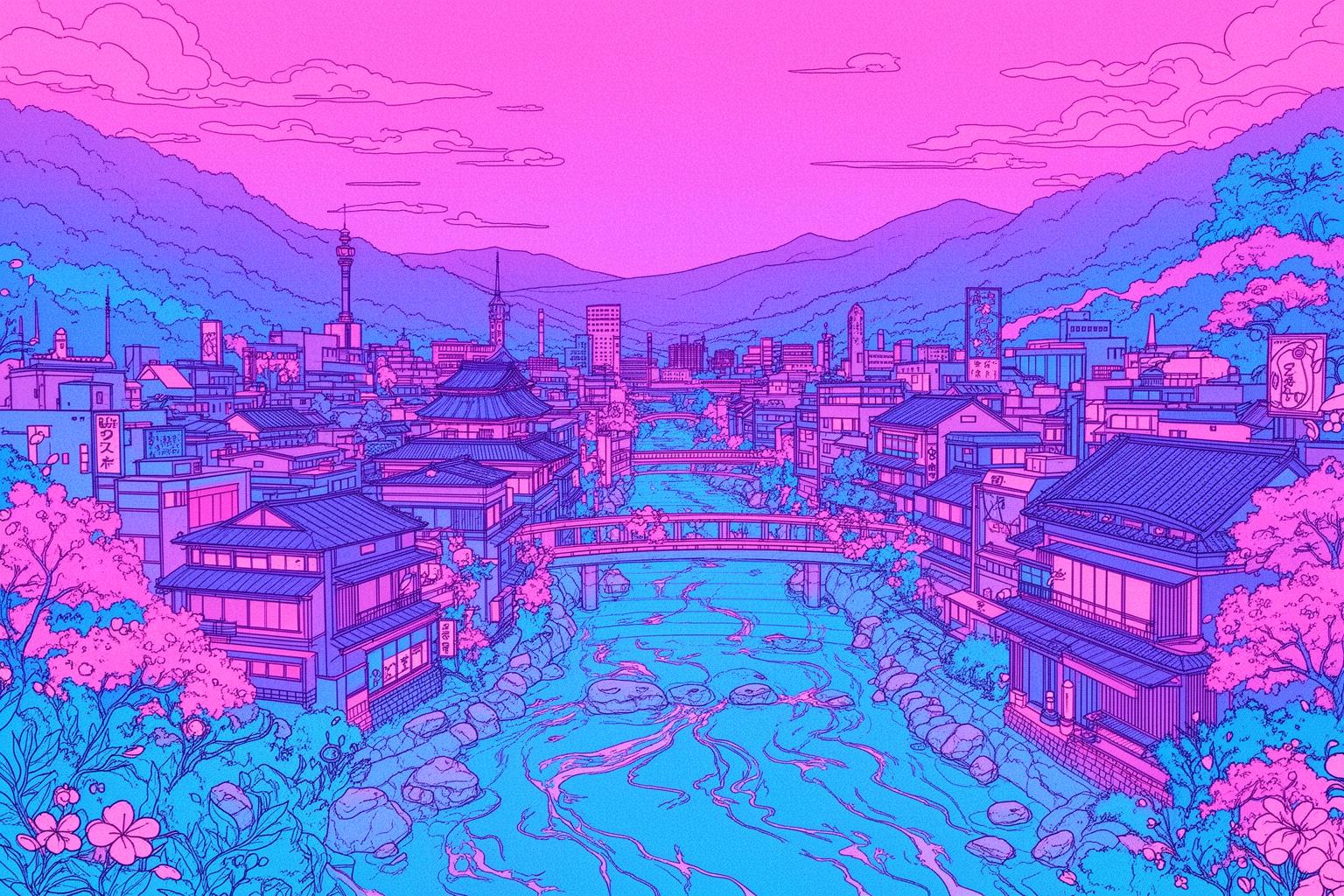
Nestled in the mountains of Gifu Prefecture, Gero Onsen is frequently ranked among Japan’s top three onsen alongside Arima and Kusatsu. It’s a larger, more developed onsen town featuring a lively atmosphere, bigger hotels, and a wider variety of attractions. The Hida River runs through the heart of town, where you’ll find the famous free open-air bath on the riverbank known as “Funsenchi.” While it embodies all the charm of a traditional resort town, Gero is also making impressive strides toward sustainability, demonstrating that popular and well-established destinations can still innovate.
The vibe is vibrant and inviting. Accommodations range from luxurious multi-story ryokans to cozy, family-run inns. The streets are lined with footbaths (ashiyu) where you can soak your tired feet for free, alongside shops selling local specialties like Hida beef skewers and “sarubobo” dolls, a beloved local good luck charm. It’s an ideal spot for travelers seeking the onsen experience with added comforts and entertainment options.
The Eco-Cred: Geothermal Agriculture and Cultural Preservation
Gero serves as an excellent example of how to utilize onsen resources beyond bathing. The town has pioneered using hot spring heat for agriculture, channeling hot water through greenhouses to grow tomatoes and other vegetables year-round, even during the cold mountain winters. This “onsen tomato” project is a smart model of sustainable, closed-loop resource use that cuts down on fossil fuel consumption in farming while producing a distinctive local product.
In addition, Gero is committed to preserving its cultural heritage. Just outside the main town lies the “Gero Onsen Gassho Mura,” an open-air museum displaying traditional gassho-zukuri (thatched-roof) farmhouses relocated from Shirakawa-go. By safeguarding these architectural gems, the town offers a sustainable cultural attraction that educates visitors about the region’s history. Gero also actively promotes local crafts like Shunkei lacquerware and undertakes initiatives to protect the natural beauty of the Hida River and surrounding forests.
How to Rock Gero: Your Game Plan
Begin your visit by strolling around town and dipping your feet into the various ashiyu. For the adventurous, bathing in the riverbank Funsenchi is a must—note that bathing suits are required here, unlike at most onsen. Visit Gassho Village to experience old-world Japan firsthand; there are workshops where you can try traditional crafts such as pottery and paper-making.
Don’t miss Onsenji Temple, perched on a hill overlooking the town and dedicated to the Buddha of healing—a tribute to the restorative powers of Gero’s waters. For a quirky local attraction, check out the frog-themed Gero Kero Hiroba shrine, honoring the town’s unofficial mascot (the frog’s “gero gero” croak resembles Gero’s name). In winter, Gero hosts stunning fireworks displays over the Hida River, which are magical to watch from your ryokan window or even an outdoor bath.
Getting There & Pro Tips
Gero is easily accessible. The JR Limited Express Hida train connects directly from Nagoya (about 1.5 hours) and Toyama, making it an easy stop when exploring central Japan. The scenic train ride through a picturesque river valley is part of the experience itself. Pro tip: Gero’s water is renowned for its beautifying qualities, known as “bijin no yu” (water of beauty). It leaves your skin feeling silky smooth—embrace it! Many local shops sell lotions and soaps made with onsen water, which make excellent sustainable souvenirs.
The Deeper Vibe: What “Eco” Really Means in an Onsen Town
Community is the True Champion
When discussing “sustainable” onsen towns, it’s not always about solar panels or advanced recycling systems (although those are great too). More often, it’s about something far more deeply rooted: community. In places like Nozawa Onsen, the entire onsen culture is literally sustained by the yu-nakama system of local volunteers. In Kurokawa, the ryokan owners united to create a shared vision for their town, prioritizing long-term preservation over short-term gains. This community-focused approach forms the foundation of their sustainability. It ensures that tourism benefits the residents, that traditions are passed down, and that the town’s unique character isn’t lost to generic development. When you visit these towns, you’re not just a consumer; you’re a temporary guest within a living, breathing community. Honoring that is the first step in becoming a conscious traveler.
Embracing the Slow Life
Onsen culture is the opposite of fast-paced tourism. The entire ritual encourages you to slow down. The process of disrobing, carefully washing yourself, and then gradually and mindfully entering the hot water is a meditative experience. Staying at a ryokan, where you enjoy a long, multi-course kaiseki dinner and sleep on a futon, invites you to adopt a different pace. Wandering through town in a yukata and geta isn’t exactly a hurried stride. This inherent slowness is, in itself, a sustainable practice. It fosters a deeper connection with your surroundings, lessens your environmental impact, and shifts the focus from “seeing” to truly “experiencing.” It’s about quality over quantity—a philosophy the world could certainly embrace more.
Hyper-Local, Hyper-Delicious: The Charm of Chisan-Chisho
One of the most delightful aspects of sustainable onsen travel is the food. The concept of “chisan-chisho” (local production for local consumption) lies at the heart of the ryokan experience. Your dinner is more than just a meal; it tells the story of the local landscape. In the mountains of Akita, you may savor foraged vegetables you’ve never encountered before. Along Hyogo’s coast, you might feast on crab freshly caught from nearby waters. In Nagano, you’ll enjoy pickles made from a vegetable unique to that village. This isn’t a passing trend; it’s a tradition born of necessity that has evolved into a powerful sustainability tool. It supports local farmers and fishermen, drastically cuts food miles, preserves regional culinary customs, and connects you, the traveler, to the place you’re visiting in the most profound way possible.
Your Guide to Soaking Sustainably
Selecting Your Accommodation
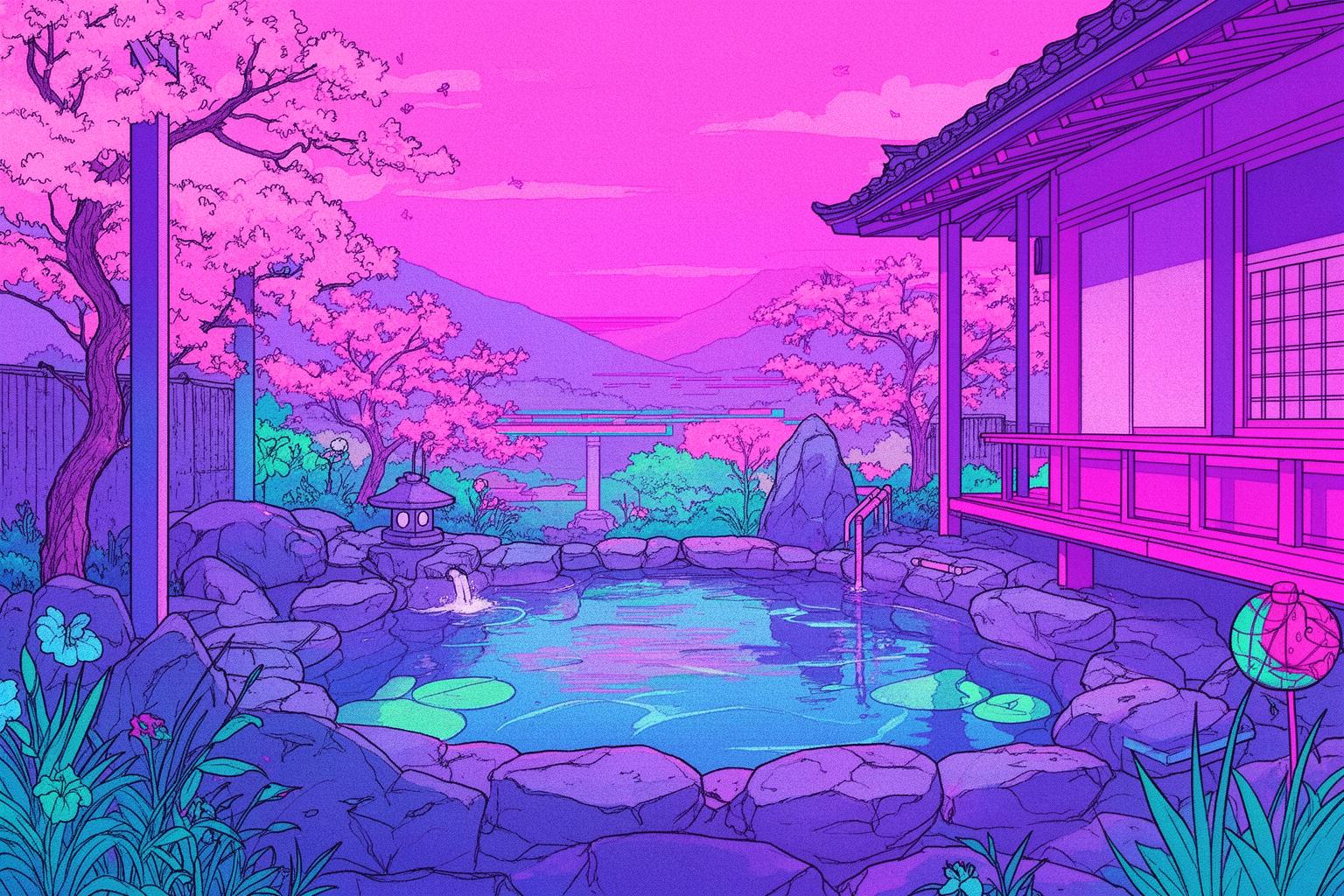
When deciding on a ryokan or minshuku (a smaller, family-operated inn), look for signs that indicate a commitment to sustainability. Do they mention their food sourcing on their website? Is it a historic, family-run business? Smaller, locally-owned establishments often make excellent choices, as your spending directly supports the community. Don’t hesitate to pick a place that’s a bit rustic; what it lacks in modern conveniences, it usually compensates for with character and authenticity.
Onsen Etiquette: The Relaxed Guide
Onsen etiquette might seem daunting, but it’s actually very straightforward and centered around respect and cleanliness. Here’s the essentials:
- The Wash-Up: This is mandatory. In the changing room, you’ll be fully naked (yes, no swimsuits allowed). Move to the washing area, grab a small stool, and thoroughly clean yourself with soap and shampoo before you even touch the onsen water. The onsen is meant for soaking, not washing.
- The Towel Protocol: You’ll receive a large towel for drying afterward and a small towel (the tenugui). The small towel is used for modesty while walking to the bath and for washing. When you enter the water, do not let this small towel touch the onsen water. Experienced bathers fold it and place it on their head. It looks stylish and helps keep the water clean.
- Tattoos: This one’s tricky. Traditionally, tattoos are linked to the yakuza (Japanese organized crime), so many onsen still prohibit them. However, the landscape is evolving! Numerous onsen in tourist-heavy areas are more accepting. Some allow small tattoos if covered with a waterproof patch. Private onsen (kashikiri) within your ryokan are always a safe option. Always verify the policy ahead of time.
- Keep it Peaceful: An onsen is a tranquil place. Avoid splashing, loud conversations, and definitely no swimming. Simply soak and enjoy the calm atmosphere.
Exploring: Travel by Train, Discover on Foot
Japan’s public transit is a sustainable traveler’s dream—efficient, clean, and widespread. Embrace the train! Often, the journey is just as scenic as the destination. Once in an onsen town, your best mode of transport is your own two feet. These towns are built for walking, offering the best way to uncover hidden alleys, quaint shops, and the authentic vibe of the area.
The Final Soak
Traveling to a Japanese onsen town is much more than just a vacation. It’s an invitation to embrace a different way of life. It’s a journey to places where the past isn’t locked away in a museum but lives vibrantly in the present, and where the future is being thoughtfully shaped around sustainability and community. Immersed in a geothermal pool heated by the earth and surrounded by ancient forests, you feel a connection that words can scarcely capture. You’re not only soothing your body; you’re partaking in a tradition that has honored the beauty of nature and the strength of community for centuries. So, when planning your next trip, consider going a little deeper. Seek out a place that isn’t merely serving tourists but nurturing a lasting legacy. The water is warm, the welcome genuine, and the experience truly transformative.