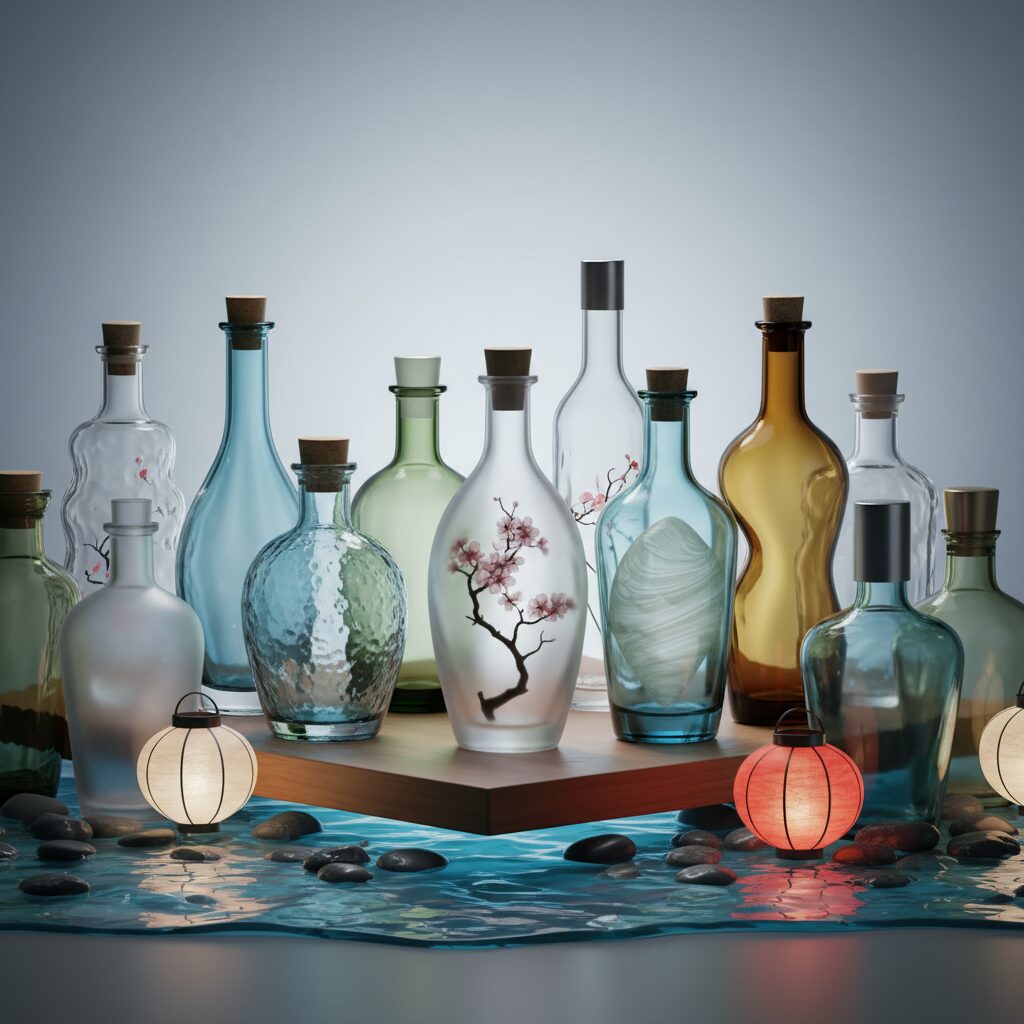
Yo, what’s up? It’s Ayaka. So, picture this: you slide into a cozy, dimly lit bar in a random Tokyo back-alley. It’s a vibe. The air is thick with the smell of old wood, cigarette smoke, and something deliciously fried. You look behind the counter, past the stoic bartender meticulously polishing a glass, and you see it. A wall of liquid soldiers. Shelves upon shelves of whisky, shochu, and maybe even some fancy gin, all lined up. But wait, this ain’t a liquor store. Peep this: half of these bottles have little paper or wooden tags hanging from their necks, covered in handwritten Japanese characters. You might catch a name you recognize, like “Sato-san” or “Tanaka-bucho,” scrawled in confident strokes. Your first thought might be, “Is this some kind of weird, personalized storage system? Did people run out of space in their tiny Tokyo apartments?” And yeah, you’re not totally wrong, but you’re also missing the entire point. This, my friend, is “bottle keep,” or botorukiipu (ボトルキープ) as we say it, and it’s so much more than just a place to park your booze. It’s a statement. It’s a social contract. It’s the final boss level of becoming a regular, a jouren (常連), in the intricate, unwritten rulebook of Japanese nightlife. It’s a quiet, powerful flex that says, “I don’t just visit here. I belong here.” You’ve seen the aesthetic on your feed, but this is the system behind the vibe. It’s one of those things that feels super confusing from the outside but makes perfect sense once you get the cultural download. So, let’s get into it. Why is leaving a half-drunk bottle of liquor with your name on it the ultimate sign that you’ve made it in a Japanese bar?
This practice of bottle keep, while seemingly about personal convenience, subtly aligns with a deeper cultural value of resourcefulness, much like the traditional Japanese philosophy of mottainai.
What Even IS Bottle Keep? The Lowdown
Before we delve into the cultural significance, let’s first break down how it actually works. Honestly, the system itself is pretty simple, but its implications are enormous. It’s not just about buying a bottle; it’s about buying into a community. It’s essentially an initiation fee paid in alcohol.
The Mechanics: More Than Just Buying a Bottle
Here’s how it goes. You enter a bar—usually an izakaya (a Japanese-style pub), a snack bar (a whole different cultural topic we’ll explore later), or a small, local shot bar. You decide you want to come back. You enjoy the master’s quiet humor, the quality of the fried chicken, or the fact that they play Showa-era vinyl records on Tuesdays. Instead of ordering a single glass of Suntory Kakubin highball, you ask the master for the entire bottle. He’ll hand you the bottle menu. You choose your drink—maybe a solid Iichiko shochu, a bottle of Nikka whisky, or if you’re in Okinawa, some Zuisen awamori. You pay for the whole bottle upfront. The price is, of course, higher than retail, but considerably less than purchasing the same amount glass by glass.
Once the payment is complete, the magic unfolds. The bartender, or “master,” or in a snack bar, the “mama-san,” takes out a fresh tag. Sometimes it’s a simple paper tag, other times a classy wooden plank, a kifuda (木札). They ask for your name and write it on the tag, often with the date of purchase. This tag is then lovingly hung around your bottle’s neck. You have your first drink from it, and when you’re ready to leave, you don’t take the bottle with you. You leave it there, on the shelf, where it quietly marks your commitment, waiting for your next visit.
Now, here’s the part that confuses people. On your next visit, you walk in, nod to the master, and say your name. He’ll fetch your bottle from the shelf. You no longer pay for the liquor itself, since it’s already yours. But you’re not drinking for free. You pay a seating charge, called otoushi or tsukidashi, which is standard at many Japanese bars and usually includes a small appetizer. Then, you pay for the “set,” which covers ice, water, soda, or other mixers you want. This is where the bar makes its profit on your subsequent visits. The bottle is your entry ticket; the mixers and seating fee are the subscription cost. Most bars keep your bottle for a set period, typically three to six months. If you don’t come back within that time, they might discard it—not out of malice, but business. Shelf space is prime, and the system assumes regular patronage.
The Math: Is It Actually a Good Deal?
Let’s do the math because many people want to know if they’re getting ripped off. Is this just a clever way to get you to spend more? The short answer: financially, it’s usually a good deal if you plan on returning. The longer answer: the true value has little to do with money.
Imagine a single highball costs ¥800. A full bottle of the same whisky, which might make 15 to 20 highballs, costs about ¥8,000 at the bar. Buying 15 individual drinks would cost ¥12,000. So, just on liquor alone, you’re saving. Now consider the additional costs. Each visit has a ¥500 seat charge plus ¥500 for ice and water. Visiting five times to finish the bottle adds ¥5,000 in charges. Your total is ¥8,000 (bottle) + ¥5,000 (five visits) = ¥13,000. Compared to ¥12,000 buying individual drinks, it looks like a slight loss. But this comparison is flawed. You’d pay that ¥500 seat charge per visit anyway, with or without a kept bottle.
The real math is simpler: you prepay your alcohol at a bulk discount, and your ongoing cost covers service and mixers. For anyone visiting the same bar multiple times over a few months, it almost always makes financial sense. It encourages you to relax, enjoy a few drinks, and not sweat the per-glass price. Plus, you can be generous—if you bring a friend, you can pour them a drink from your bottle. That’s a classy move, a personal gesture far more meaningful than just saying, “I’ll get this round.”
Honestly, anyone obsessing over exact savings is missing the bigger picture. The bottle keep system wasn’t created by accountants. It was created by people who value community. The economic benefit is just a convenient excuse—at its core, it’s an emotional decision. The real return on investment is in relationships, belonging, and the quiet prestige it offers. It’s an investment in your social life, not just your wallet.
The Vibe Check: Why This is the Ultimate Flex for a Regular
Alright, so we’ve covered the “what.” Now, let’s explore the “why.” Why does the simple act of leaving a bottle at a bar carry such significance? Because in Japan, context is everything. Actions, objects, and gestures hold deep, implicit meaning. A kept bottle isn’t just a bottle left behind; it’s a tangible expression of a relationship, a visible piece of social capital displayed on a shelf for all to see.
“Jouren”: Understanding the Regular
To grasp the concept of bottle keeping, you first need to understand the idea of a jouren. This term is often translated as “regular customer,” but that’s like translating “sushi” as “raw fish on rice.” While technically correct, it erases the nuance and cultural essence. A jouren is more than someone who frequents the bar. They’re part of the bar’s ecosystem. They share a bond with the owner, the staff, and fellow regulars. This is not the anonymous, transactional relationship you might have with a local coffee shop barista. It’s a profound, reciprocal connection built over time, conversations, and shared experiences.
The bar’s owner—the “master” or “mama-san”—knows the jouren’s usual drink, their job, their relationship issues, and how they prefer their coffee the morning after. In exchange, the jouren offers the bar something far more valuable than money: they create its atmosphere. They are the foundation of the community, the living heart of the place. They foster the familiar, welcoming vibe that turns a bar into a second home. They keep the conversation alive on a quiet Tuesday night and either welcome newcomers warmly or, depending on the vibe, sometimes exclude them.
Having a kept bottle is the clearest sign you’ve earned the status of jouren. It’s a public declaration of loyalty. You’re telling the owner, “I choose this place. I’m committed. I will return.” In a culture that values subtle cues and non-verbal communication over loud proclamations, the bottle on the shelf speaks for you. It’s a membership card you don’t carry but proudly display for the community. When the master reaches for your bottle without needing you to ask, that’s your moment—you’ve arrived. That simple gesture is a moment of recognition and acknowledgment of your place in the tribe. It’s a sense of belonging money alone can’t buy—even if in this case, a bottle of whisky is the catalyst.
A Physical Anchor in Your “Third Place”
Sociologists refer to the “third place”—a spot that’s neither home (the first place) nor work (the second place). It’s a neutral space where people gather, socialize, and relax. Think of classic English pubs, American diners, or French cafés. In Japan, with its famously small living spaces and often strict work culture, having a good third place is vital for mental and social well-being. It’s your refuge, your place to decompress.
A kept bottle turns a generic bar into your third place. It serves as a physical anchor—a small piece of your property in a shared space, a stake you’ve claimed. This is psychologically powerful. Even when you’re away, a part of you remains there. Your name is literally on the shelf. This creates a strong pull, giving you a reason to return beyond just wanting a drink. It’s the feeling of going somewhere you’re expected, somewhere you’re recognized. In Tokyo’s vast, often anonymous urban sprawl, having a place where someone knows your name (because it’s marked on a bottle) is incredibly comforting.
It lowers the barrier to going out. You don’t have to decide where to go; you head to your spot. You don’t have to worry about not knowing anyone; you’re likely to see other jouren you recognize. The bottle guarantees familiarity. After a rough day at work, the thought of your bottle waiting can be a beacon of hope. It promises a comfortable seat, a friendly face, and a drink poured just how you like it. It’s not just about drinking; it’s about ritual, a safe harbor in life’s storms. The bottle is the key to that sanctuary.
The Social Currency of the Tag
Let’s be honest; there is a status game here as well, but it’s played the Japanese way: subtly and with layers of unspoken rules. The wall of kept bottles is a living, evolving leaderboard of the bar’s social hierarchy. Your name on a tag marks your place on that board. It’s a form of social currency.
When a newcomer enters, they see the wall and immediately understand this isn’t a transient tourist spot but a place with a devoted community. The names reveal the core regulars. As a jouren, your bottle signals your insider status. It reflects your taste, your commitment, and your relationship with the master. Is your bottle a classic Suntory Old, marking you as a straightforward salaryman? Or a rare single-cask Japanese whisky, showing you’re a connoisseur? Is your tag old and weathered, proving years of loyalty? Or brand new, marking your recent arrival? Every detail is noticed.
There’s a quiet pride in pointing to your bottle and offering a guest a drink. It’s a gesture that establishes you as a host in that space—generous and a subtle display of status. The tag itself can be a status symbol. In high-end Ginza bars, the most valued customers may have custom-made tags—lacquered wood, calligraphy by renowned artists, or even small silver plaques. In a more down-to-earth izakaya, status might come from having the oldest, most worn tag—a testament to years of patronage.
This understated social signaling is quintessentially Japanese. It avoids the flashy ostentation of buying a magnum of champagne at a nightclub. Instead, it emphasizes long-term value, loyalty, and refined taste recognized by a select community. It’s not about loudly proclaiming your importance; it’s about letting a small, handwritten tag on a bottle quietly and effectively do the talking, day after day.
The Roots of the System: Where Did This Even Come From?
This entire culture didn’t suddenly appear out of nowhere. It’s not some tradition dating back to the samurai era. Like many elements of modern Japanese life, the origins of bottle keep are deeply rooted in the post-war Showa Era (1926-1989). It is a practice born from a unique blend of economic necessity, social change, and the particular structure of Japanese nightlife.
Post-War Scarcity and the Economic Boom
Imagine Japan in the years following World War II. The nation was rising from the ashes. Resources were limited, including quality liquor. For the growing class of salarymen driving Japan’s economic miracle, going out for a drink was an essential ritual—a way to connect with colleagues and unwind from the intense demands of work. However, purchasing drinks every night could become costly. For small, family-run bars and eateries, managing cash flow was a constant challenge.
Bottle keep emerged as an ingenious, symbiotic solution. For the customer, buying an entire bottle was an investment. It served as a safeguard against price changes and ensured a personal supply of their preferred drink. During the prosperous “Bubble Era” of the 1980s, it also became a symbol of wealth. Owning an expensive bottle of Rémy Martin or Chivas Regal with your name at an upscale Ginza club was a major status symbol, indicating both disposable income and a distinguished social scene.
For the bar owner, the system was a blessing. It secured a substantial portion of revenue upfront. That ¥10,000 spent on a whisky bottle was more than just a sale; it was working capital. It represented a vote of confidence from the customer, a promise of future visits. This reliable income stream enabled thousands of small, independent bars to survive and flourish. It allowed them to build a stable business focused on a core group of loyal regulars rather than relying solely on unpredictable walk-in patrons. The system created a positive feedback loop: the bar owner felt secure and could provide better, more personalized service, which in turn increased customer loyalty and encouraged more bottle keeps. It was a business model perfectly suited to a culture that values long-term relationships.
The DNA of the “Snack Bar” and “Izakaya”
Bottle keep culture is deeply embedded in two particular types of Japanese establishments: the izakaya and the sunakku (snack bar). You’re unlikely to encounter this system in a craft beer pub, a high-end cocktail bar specializing in mixology, or a generic chain restaurant. It belongs to places where community is the primary offering, not just food and drink.
Local izakaya often serve as neighborhood institutions—living rooms for the community. They are typically run by a husband-and-wife duo, the “master” and “okami-san,” who have been there for decades. The menu is familiar, the atmosphere cozy, and the clientele made up of regular faces. This setting is ideal for bottle keep, as the entire business model revolves around nurturing a loyal group of jouren.
However, the true heart of bottle keep lies in the snack bar. For those unfamiliar, a sunakku is a uniquely Japanese institution. It’s a small bar managed by a woman, the “mama-san,” who functions as bartender, hostess, confidante, and therapist all in one. Customers, mostly men, pay a fixed fee to sit and drink, with the main attraction being conversation and personal attention from the mama-san and her staff. Karaoke is almost always part of the experience. In this context, bottle keep is not merely an option; it is the standard practice. The bottle is your key to the mama-san’s world. It marks you as a serious patron, not just a casual visitor. It forms the foundation of your relationship with her and the other regulars. The entire social atmosphere of a snack bar centers on the connections between the mama-san and her bottle-keeping customers. It is a deeply personal, almost familial system, and understanding snack bars without grasping the concept of bottle keep is impossible.
The Modern Spin: Is Bottle Keep Still a Thing?
So, this all sounds very Showa, very mid-century. But what about today? In a world of craft cocktails, natural wine, and ever-evolving trends, does this old-school system still have a place? Is it a fading tradition, a relic of a past era held onto by aging salarymen? Or is it transforming, finding fresh life and new meaning in the 21st century? The answer, like many things in Japan, is a bit of both.
The Generational Shift: A Tradition in Decline?
There’s no denying that the landscape of Japanese nightlife has evolved. Younger generations, Millennials and Gen Z, have different drinking habits and social priorities than their parents and grandparents. The lifetime employment system that encouraged intense after-work drinking sessions (nomikai) is less prevalent. People now have more diverse hobbies and are increasingly mindful of work-life balance. The idea of committing yourself to one bar and becoming a jouren can feel somewhat limiting. Why stick to the same old place every week when thousands of new, exciting bars are just a scroll away on Instagram?
For many young people, bottle keep culture represents an older, more rigid Japan. It’s linked to their dad’s generation, to smoky back rooms, and a certain masculine, corporate culture. They often prefer the freedom of bar-hopping, seeking novel experiences over familiar routines. Economics have also shifted. With a wider range of affordable drinking options, the financial incentive to keep a bottle has diminished. So yes, in some places, the tradition is waning. Old snack bars in rural towns are closing as their clientele age, and there isn’t a fresh generation of jouren to succeed them. The wall of bottles is gradually clearing.
The Neo-Jouren: Creating Community in the Modern Era
But that’s not the full picture. To say bottle keep is dying would be an oversimplification. The desire for community, a “third place,” a sense of belonging—these are fundamental human needs. They haven’t vanished; they’ve simply taken on new forms. In today’s hyper-digital, often isolating world, the appeal of a tangible, physical space where you are recognized and valued is arguably stronger than ever. A new generation is discovering this and nurturing a modern version of the jouren culture: the neo-jouren.
You might see this in a new-wave coffee shop where the barista remembers your favorite order and saves you the last of a special single-origin bean. Or a craft gin bar where the owner sets aside a rare bottle for a loyal customer. Perhaps a natural wine bar with a “cellar” program, letting regulars buy and store bottles for future visits. The format may differ—a digital loyalty card instead of a physical tag—but the spirit is the same. It’s about recognizing and rewarding loyalty. It’s about fostering a community beyond mere transactions.
These new venues appreciate the power of the bottle keep system, adapting it for a new clientele. The bottle might not be Suntory whisky; it could be a small-batch artisanal shochu or an obscure Italian wine. The bar might be brighter, the music different, and there could be Wi-Fi, but the core principle—building a home away from home through mutual loyalty—remains. The form changes, but the function endures.
A Tourist’s Guide to Bottle Keep: Is It Possible?
So, the big question for many readers: can a foreigner, tourist, or short-term resident participate in this? The answer is a definite yes, but. This isn’t an exclusive club for Japanese people. In fact, asking to keep a bottle is one of the highest compliments you can pay a bar owner. It shows respect. It tells them you’re not just a passing tourist looking for a photo opportunity; you’re someone who genuinely appreciates their establishment and intends to build a relationship.
However, there are caveats. This isn’t something to do on a one-week vacation. The whole point is the promise of return. If you’re only visiting Japan briefly, it makes little sense and might even seem odd. The ideal situation is for long-term residents or people who visit Japan regularly for work or pleasure—say, a few times a year. If you find a bar you truly love and know you’ll return to within a few months, go for it.
Here’s the etiquette: don’t hesitate. The easiest way is simply to ask. Point to the shelves and say, “Botoru kiipu dekimasu ka?” (Can I do bottle keep?). The owner will almost certainly be pleased. For your first bottle, choose one that isn’t overly expensive. It’s a marathon, not a sprint. Be friendly, engage in conversation (even broken Japanese or gestures help), and be a good customer. Don’t let the three-to-six-month period pass without visiting. If you know you won’t return in time, it’s polite to come finish your bottle or even give it as a gift to the master or another regular. Following these unspoken rules shows you understand and respect the culture, earning you far more goodwill than anything else. Making the leap from a faceless customer to a jouren with a bottle on the shelf is one of the most rewarding ways to experience the authentic, local side of Japan. It’s the key that transforms you from observer to participant.
Beyond the Bar: The Bottle Keep Mentality in Japanese Culture
The story of bottle keep goes beyond just drinking. When you take a broader view, the core values behind this system—loyalty, enduring relationships, mutual trust, and subtle signs of belonging—are reflected throughout Japanese society. The bar serves as a small-scale representation of a much wider cultural mindset.
Loyalty as a Virtue: Reflections in Business and Life
In the West, business relationships tend to be transactional and transient. People change suppliers for better deals, and employees jump between companies for higher pay. In Japan, although things are evolving, there remains a strong cultural preference for cultivating stable, long-term connections. Companies may continue working with the same suppliers for decades, even if cheaper alternatives emerge, because they value the trust and reliability developed over time. A traditional artisan might purchase wood from the same family-owned lumberyard his grandfather once used. This is not viewed as inefficient but as a virtue—loyalty.
The jouren system in a bar perfectly symbolizes this. Customers show loyalty by frequently returning and keeping a bottle there, while the bar reciprocates with consistent service, a welcoming environment, and recognition as an insider. This relationship is founded on mutual exchange rather than just cost. The preference for the familiar, trusted, and known over the new and uncertain is a deeply ingrained cultural trait. Bottle keep is simply this philosophy, distilled and served chilled.
The Art of Subtle Belonging
At its core, the bottle on the shelf signifies belonging. In a society often defined by group identity, finding your group—your ibasho (居場所), a place where you feel comfortable and accepted—is essential. Yet the way this belonging is expressed matters. It is rarely communicated through loud, individualistic statements, but rather through understated, shared signals recognized by other group members.
A kept bottle is among the most refined of these signals. It doesn’t shout, “Look at me!” Instead, it quietly says, “I belong here.” It exudes a quiet confidence—similar to how a sushi chef might serve you a special off-menu piece because he knows you appreciate it, or a shop owner reserves the last of your favorite bread for you. These small gestures weave the social fabric; they confirm that you are not a mere stranger passing by, but someone known, valued, and with a place.
So, next time you’re in Japan and step into a small bar, glance up at the shelves. Don’t just see bottles of alcohol—see stories, relationships, and community anchors. Each tagged bottle is a testament to connections built over countless nights of conversation, laughter, and shared silence. It is tangible proof of loyalty, the quiet currency of belonging. It’s not merely storing your drink; it’s storing a piece of your heart in a place you call home.