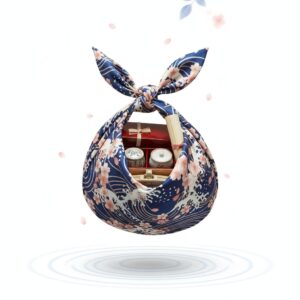
What’s up, global fam! It’s Sofia, coming at you live from the electric heart of Tokyo. Picture this: you’re wandering through the impossibly chic streets of Daikanyama, where every corner is a photo op and the style is next-level. I was sipping on a matcha latte, just soaking in the vibes, when I saw it. A girl, effortlessly cool, carrying her farmers’ market haul—bright red apples, a leafy daikon radish, a fresh baguette—all bundled up in this stunningly beautiful piece of fabric. It was tied with such elegant precision it looked like a moving sculpture. It wasn’t a tote bag, it wasn’t a net sack… it was something else entirely. My curiosity went into overdrive. I had to know what this magic was. And that, my friends, was my first real-life encounter with Furoshiki, Japan’s traditional wrapping cloth that is, no joke, about to become your new obsession. Forget everything you thought you knew about wrapping gifts or carrying your stuff. Furoshiki is the ultimate glow-up of a simple square of fabric. It’s an art form, a life hack, and a major sustainability statement all rolled into one. It’s the embodiment of that minimalist Japanese aesthetic we all crave, a zero-waste hero that’s been doing its thing for centuries, long before “eco-friendly” was a hashtag. This isn’t just about reducing waste; it’s about adding beauty, intention, and a touch of ancient wisdom to your everyday. It’s about the philosophy of `mottainai`, the beautiful Japanese concept of regretting waste and using everything to its fullest potential. So, get ready to dive deep into the world of Furoshiki, where one single piece of cloth can be your grocery bag, your wine carrier, your gift wrap, your handbag, and even your wall art. It’s a total game-changer, and I’m here to give you the full scoop on how to bring this slice of Japanese genius into your life. Before we get into the knotty-gritty (pun intended!), let’s pinpoint a place that is absolute Furoshiki heaven, a must-visit spot for anyone in Tokyo looking to start their collection. I’m talking about Musubi in Jingumae, a store dedicated entirely to this beautiful craft. It’s the perfect starting point for our journey.
To truly embrace this spirit of mindful reuse, you might also be inspired by the philosophy of Kintsugi, another beautiful Japanese art form that finds profound beauty in repair.
The Furoshiki Glow-Up: From Bathhouse Basic to Timeless Treasure
Alright, let’s take a quick journey back in time, because the story of Furoshiki is genuinely captivating. This isn’t just some recent trend popping up on your feed; its origins go way back—over a thousand years into Japanese history, actually. The whole idea began during the Nara Period, around the 8th century. Back then, it was known as `tsutsumi`, which simply means “package” or “present,” and it was used to wrap valuable treasures and goods for temples and the Imperial Court. It served to protect precious items and showed respect for what was inside. While it was practical, it also carried a deep sense of reverence. The term Furoshiki itself, however, became prominent during the Muromachi Period (roughly 1336 to 1573). This is when the story gained its iconic name. Nobles and shoguns frequented public bathhouses, or `furo`. To avoid any wardrobe mix-ups (because nobody wanted to mistakenly grab the shogun’s clothes), they wrapped their kimonos and belongings in cloth marked with their family crest. Standing on the cloth while undressing and dressing kept their feet clean. Thus, `furo` (bath) and `shiki` (to spread) combined to mean “bath spread.” It was the original locker room hack, but with a touch of feudal elegance. Practical, clever, and a subtle status symbol.
The true golden age of Furoshiki came during the Edo Period (1603–1868). Japan was thriving culturally and commercially, with a growing middle class. Cities like Edo (modern-day Tokyo) buzzed with life, and people needed a convenient way to carry their belongings. Merchants used Furoshiki to transport goods, often dyeing the cloth with their shop’s emblem—the original form of branding. Everyday people relied on them for everything: carrying groceries from the market, packing bento lunches for picnics beneath cherry blossoms, delivering gifts, even moving whole households. It was the ultimate multi-purpose tool. A single piece of cloth could mold to any shape or size, making it far more flexible than rigid boxes or baskets. This widespread use elevated Furoshiki from a simple utility into a medium for artistic expression. Designs grew increasingly intricate, inspired by Ukiyo-e woodblock prints, natural motifs, and auspicious symbols, becoming part of Japan’s visual culture. With the advent of paper and later plastic bags in the 20th century, Furoshiki’s popularity waned, and it was sometimes viewed as outdated. But today, in an age of conscious consumerism, Furoshiki is enjoying a major revival. Rediscovered by a new generation that values sustainability, craftsmanship, and minimalist aesthetics, it’s now seen as a powerful counterpoint to our disposable culture. What began as a humble bathhouse mat has undergone a complete transformation, emerging as a timeless emblem of Japanese ingenuity and respect for resources. It’s a tale of adaptability and lasting significance, proving that some of the best ideas are those that have been with us all along.
A Canvas of Culture: Decoding Furoshiki Designs & Feels
One of the most captivating aspects of Furoshiki is that each one is a universe unto itself. It’s not merely a random piece of fabric; it’s a work of art, a story, a mood. Immersing yourself in the world of Furoshiki means exploring the materials that bring them to life and the patterns that give them meaning. It’s a complete aesthetic experience that begins the moment you touch the fabric. Let’s delve into this sensory journey because, believe me, the texture and visuals are everything.
Material Girl: The Texture Report
The feel of a Furoshiki is just as crucial as its appearance. The material determines how it drapes, knots, and what it’s best suited for. It’s the foundation of the entire vibe.
First up, the crown jewel: silk, or `kinu`. When you hold a silk Furoshiki, you immediately sense its specialness. It feels cool and impossibly smooth against your skin, with a stunning luster that catches the light beautifully. One of the most treasured varieties is `chirimen`, a silk crepe with a unique, finely wrinkled texture. This texture adds remarkable depth and makes colors appear strikingly rich and vibrant. `Chirimen` Furoshiki drape beautifully and are perfect for wrapping very special gifts, like those for weddings or major celebrations. They tie into soft, elegant knots that maintain their shape perfectly. Using a silk Furoshiki is a pure luxury. It’s reserved for meaningful moments, a way of saying, “This gift matters, and so do you.” It’s not for everyday use; it’s the formal gown of the Furoshiki world.
Next, the dependable workhorse: cotton, or `momen`. Cotton Furoshiki form the backbone of the Furoshiki lifestyle. They are durable, washable, and incredibly versatile. The feel of a cotton Furoshiki is honest and familiar—soft yet strong, with a satisfying texture that’s easy to grip. This makes tying super simple, even for beginners. The knots are secure and tight, so there’s no worry about your bento box spilling on the subway. Cotton comes in various weaves, from thin and lightweight—ideal for wrapping smaller items—to thick and sturdy, like canvas, perfect for transforming into a tote bag for heavy grocery loads. Cotton’s colors tend to be matte and earthy, lending a warm, inviting feel. This is the Furoshiki you’ll reach for day after day. It grows softer with every wash, carrying memories of picnics, market trips, and thoughtful gifts. It’s practical, unpretentious, and effortlessly cool.
Finally, let’s look at the modern players: rayon and polyester. Don’t overlook these! While traditionalists often prefer natural fibers, synthetic fabrics have injected fresh energy into the Furoshiki scene. Rayon, made from wood pulp, often mimics silk’s softness and drape but is far more affordable and easy to care for. Polyester is the ultimate in easy maintenance. It resists wrinkles, repels water, and can showcase incredibly bright, sharp colors. These modern materials offer a playground for contemporary designers. You’ll find Furoshiki adorned with bold graphic prints, photographic images, and abstract art that would be impossible on traditional fabrics. They’re perfect for those seeking a low-maintenance Furoshiki with high visual impact. Lightweight and durable, they make a fantastic introduction to fabric wrapping, proving that Furoshiki is always evolving and embracing innovation.
Pattern Play: What’s Your Furoshiki’s Vibe?
Now, for the fun part: patterns! The design on a Furoshiki is its soul. It can convey a message, send good wishes, or reflect personal style. Japanese design is renowned for symbolism, and Furoshiki offer a masterclass in this visual language.
Let’s begin with a true classic, one you may have seen without realizing it: `Karakusa`. This pattern features swirling green vines on a white background. It’s one of the oldest and most traditional Furoshiki designs and is humorously linked in Japan to cartoon burglars who carry their loot wrapped in a `Karakusa` Furoshiki. However, its true meaning is far more beautiful. The endlessly sprawling vines symbolize longevity, prosperity, and strong family lineage. It’s a powerful, positive emblem, a timeless OG with a slight retro charm.
Another iconic pattern is `Seigaiha`, meaning “blue ocean waves.” This design consists of layered, concentric circles that form a beautiful geometric wave pattern. It’s instantly soothing to look at. The endlessly repeating waves symbolize a wish for a peaceful, tranquil life and unending good fortune. It’s an elegant and serene design, perfect for those with a minimalist, coastal aesthetic. It evokes the vast, powerful ocean and brings a calming presence to anything it wraps.
For a geometric flair, there’s `Asanoha`. This pattern features interconnected six-pointed stars resembling hemp leaves. Hemp grows strong, fast, and straight, so this pattern embodies health, resilience, and growth. Traditionally, it was used in children’s clothing as a prayer for their healthy growth. Today, it’s a stylish, modern pattern that feels both traditional and fresh. Its sharp, clean look pairs well with everything.
Then we have `Shippo`, a pattern of interlocking circles forming a design that looks like a four-petaled flower. `Shippo` refers to the Seven Treasures of Buddhism, and the pattern symbolizes infinite connections and harmony. It’s a mark of good relationships, balance, and fortune. This intricate design radiates gentle, positive energy and makes a perfect gift wrap for a close friend, symbolizing an unbreakable bond.
Naturally, nature motifs are essential to Japanese design. They appear throughout Furoshiki and are deeply connected to the seasons. Cranes (`tsuru`) symbolize longevity and good fortune, famed for living a thousand years. Turtles (`kame`) also represent endurance and long life. Cherry blossoms (`sakura`) embody spring and the fleeting beauty of life. Plum blossoms (`ume`), blooming in late winter’s chill, stand for resilience, hope, and perseverance. Each motif brings its own story and seasonal vibe, linking daily life to nature’s rhythms.
And we can’t forget the modern era! Today’s Furoshiki artists and designers boldly break conventions in the best ways. You’ll find Furoshiki featuring cute animal prints, bold abstract colors, pop art designs, and collaborations with famous illustrators. This blend of old and new is what makes Furoshiki so thrilling today. It’s a living tradition, constantly reinventing itself while honoring its rich heritage. Choosing a Furoshiki is like selecting wearable art that speaks to you—it’s all about finding the one that matches your personal vibe.
Tie the Knot: Your Crash Course in Furoshiki Wrapping

Alright, you’ve chosen your dream Furoshiki, you’re captivated by the pattern, and you adore the texture of the fabric. So, what’s next? Now comes the enchanting part: the wrapping. This is when a simple square transforms into something extraordinary. And trust me, it’s not as daunting as it may seem. The art of Furoshiki wrapping, called `tsutsumi`, is less about strict rules and more about a calm, mindful process. Think of it as fabric origami—a moment to slow down, focus on your hands, and create something beautiful. Let’s dive into some basic techniques that will have you wrapping like a pro in no time.
The Fundamentals: Your First Wraps
Before you begin, take a deep breath. Spread your Furoshiki on a clean, flat surface. Smooth it out. Appreciate it. Wrapping is part of the gift, part of the experience—an act of care.
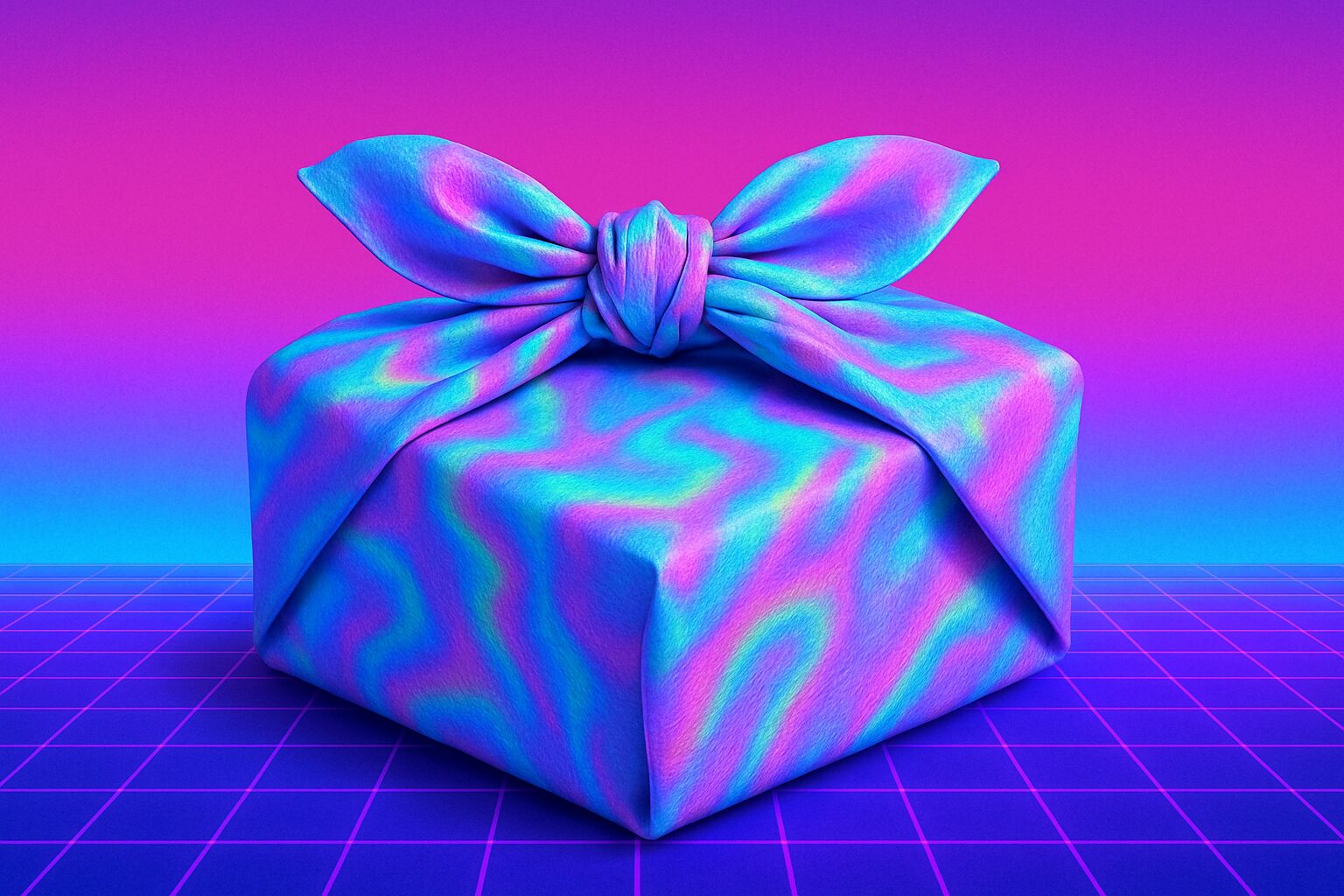
Let’s start with the most essential, all-purpose wrap: the `Otsukai Tsutsumi`, or Basic Carry Wrap. It’s perfect for a simple box-shaped gift, like a book or chocolates. Place your item in the center of the Furoshiki, but rotate it so the corners of the box point to the flat edges of the fabric (forming a diamond shape). Fold the corner closest to you up and over the box, tucking any extra fabric neatly underneath. Then, fold the opposite corner over the top, fully covering the box. You’ll now have two corners remaining at the left and right sides. Bring these together gently and lift them up over the box’s top. Cross the ends, ensuring the fabric is snug against the sides, then tie them into a firm, simple knot. The most common knot is the `ma-musubi`, or true knot, similar to a square knot. It lies flat, stays secure, and is easy to untie. Voilà! You have a beautifully wrapped gift with a neat knot on top—simple, elegant, and much more personal than paper.
Ready for another reliable wrap? Let’s try the `Yotsu Musubi`, or Four Knot Wrap. Also great for boxes, this wrap creates an adorable look with four “ears” sticking up. Place your box in the center of the Furoshiki. Bring two opposite corners to the middle and tie them in a firm `ma-musubi` knot on top of the box. Make sure it’s snug! Now, the other two opposite corners remain loose. Bring those up and tie them in another `ma-musubi` knot right on top of the first knot. Fluff out the four fabric ends to resemble petals or bunny ears. This wrap looks more complicated than it is, making it a delightful and decorative option that’s easy to master.
Pro-Level Moves: Master the Wrap Game
Once you’ve mastered the basics, the real fun begins. Furoshiki’s true genius lies in its versatility—it can wrap just about anything. Yes, anything.
Want to impress at your next dinner party? Learn the `Bin Tsutsumi`, or Bottle Wrap. There are several methods, but a popular one is the two-bottle carry. Lay the Furoshiki flat and place two bottles of wine or sake side-by-side in the middle, leaving a small gap between them. Roll the fabric around the bottles, forming a long tube. Stand the tube upright. Take the two fabric ends at the top and tie them together in a secure double knot. This creates a convenient handle between the bottles. Now you can carry both bottles with one hand, and they won’t clink together. It’s practical, impressive, and a great conversation starter.
For the ultimate Furoshiki flex, try the `Suika Tsutsumi`, or Watermelon Wrap. Yes, you read that right. This method turns your cloth into a strong, net-like bag perfect for carrying a whole watermelon or any large, heavy round object. Start by laying the Furoshiki flat and tying two opposite corners together. Then tie the other two opposite corners together, creating a loop. Slip the knots through each other to form an opening and a secure base. Place your watermelon inside, and the Furoshiki becomes a snug, custom-fit carrier with a handle. This is the essence of the `mottainai` philosophy—why buy a special bag for one item when a simple cloth can do the job perfectly?
But Furoshiki isn’t just about utility; it’s also about creativity and elegance. The `Hana Tsutsumi`, or Flower Wrap, involves tying the final knot so the fabric ends bloom like a rose or peony. It requires some twisting and tucking to create delicate petals, making it an exquisite way to present a special gift—almost too beautiful to untie.
For everyday use, my personal favorite is the `Shizuku Bag`, or Drop Bag. This is the simplest, most stylish, and practical Furoshiki hack ever. Take a large Furoshiki and tie the two top corners together in a secure knot. Reach inside the bag formed and tie the two bottom corners together in a second knot inside. That’s it! You’ve made a chic, slouchy shoulder bag with a lovely teardrop shape. It’s perfect for an impromptu market trip, carrying daily essentials, or as a unique beach bag. It takes about 30 seconds to make, and you can untie it and fold the Furoshiki back into a small square when you’re done. This kind of practical magic is exactly why I fall in love with Furoshiki again and again.
The Hunt is On: Where to Find Your Dream Furoshiki in Japan
Alright, let’s dive into shopping. Once you discover the beauty and versatility of Furoshiki, you’ll definitely want to start your own collection, trust me. And there’s no better place in the world to do that than Japan. Finding your perfect Furoshiki is like a treasure hunt, an adventure that can lead you from sleek, modern boutiques to dusty, centuries-old shops. It’s an experience in itself, so let’s explore some of the top spots to find these textile gems.
Tokyo’s Treasure Troves
Tokyo is a Furoshiki haven, offering everything from deeply traditional to ultra-modern styles. Your first and most essential stop should be the place I mentioned earlier: Musubi in Jingumae, near Harajuku. This isn’t just a store; it’s an institution. Walking into Musubi is like stepping into the heart of the Furoshiki world. The space is bright and airy, with walls lined by hundreds upon hundreds of Furoshiki, organized by size, material, and design. The variety is breathtaking. They offer everything from small, palm-sized cloths perfect for wrapping tiny gifts to massive ones large enough to wrap furniture. The staff are true experts—passionate and incredibly knowledgeable—and they also host workshops where you can learn wrapping techniques firsthand. It’s an immersive experience that will leave you feeling inspired and confident. It’s perfect for both beginners and seasoned collectors.
Next, prepare to be wowed by the world of `depachika`, the incredible food halls and basements of Japan’s high-end department stores. Places like Isetan in Shinjuku or Mitsukoshi and Takashimaya in Nihonbashi have dedicated sections for traditional Japanese goods, and their Furoshiki selections are outstanding. Here, you’ll find premium brands, exclusive artist collaborations, and immaculately packaged gift sets. The experience is pure luxury. The displays are pristine, the lighting perfect, and the service impeccable. It’s a fantastic place to find a truly special, high-quality silk Furoshiki destined to become a family heirloom. This is a more curated environment, showcasing only the very best.
For a more old-school, atmospheric adventure, explore neighborhoods like Asakusa and Yanaka. In the winding streets around the famous Senso-ji Temple in Asakusa, you’ll find smaller, family-run shops selling traditional crafts, `tenugui` towels, and of course, Furoshiki. These shops have a completely different vibe—they might be a bit cluttered, with textiles stacked high, often run by a kind elderly woman or man who’s been in the trade for fifty years. Here, you can find classic patterns like `Karakusa` or `Asanoha` in beautiful, sturdy cotton. Similarly, Yanaka Ginza, a charming old-fashioned shopping street, offers a glimpse into a slower, more nostalgic Tokyo. Exploring these areas feels like a genuine discovery, with the chance to find hidden treasures that have stories behind them.
Kyoto’s Artisanal Heartbeat
If Tokyo is the modern center of Furoshiki, Kyoto is its ancient soul. The former imperial capital is a city of artisans preserving traditions with fierce pride. Shopping for Furoshiki here means connecting with centuries of craftsmanship. As you stroll through historic districts like Gion or near the bustling Nishiki Market, keep an eye out for `noren` curtains hanging over the doors of unassuming wooden shops. These are often textile merchants who have been around for generations.
One legendary name to seek out is Eirakuya. Founded in 1615, it’s one of Japan’s oldest cotton merchants. They have several shops throughout Kyoto, and their designs are simply breathtaking. They honor traditional motifs but often with a subtle modern, playful twist. Their Furoshiki and `tenugui` are renowned for their high quality and unique artistry. Visiting one of their stores feels like stepping into a living museum of Japanese design.
In Kyoto, much emphasis is placed on the dyeing techniques themselves. You’ll find Furoshiki made with `Kyo-yuzen` silk dyeing, a painstaking, elaborate process that produces vibrant, painterly designs reminiscent of kimono patterns. The craftsmanship is on another level—you can feel the history and human touch in every thread. Shopping for a Furoshiki in Kyoto is more than just a purchase; it’s a cultural experience. It’s about supporting artisans who keep these incredible skills alive and taking home a piece of Kyoto’s enduring artistic legacy.
Beyond the Wrap: Living the Furoshiki Lifestyle

So, you’ve brought home a beautiful Furoshiki (or, let’s be honest, probably five). You’ve used it to wrap a gift, and it was a total success. But the real magic happens when you start to see Furoshiki not just as a tool for special occasions, but as an everyday accessory. Incorporating this single piece of fabric into your daily routine is when you truly unlock its potential. It’s about embracing a lifestyle that’s more stylish, sustainable, and intentional. This is how you make Furoshiki part of your personal brand.
Your Wardrobe’s New Best Friend
Let’s talk fashion, because Furoshiki is a subtle style icon. With a few simple twists and knots, it can transform into your new favorite accessory. Think about it: you have a beautiful piece of fabric adorned with a stunning Japanese design. Why hide it away in a drawer?
One of the easiest ways to style it is as a scarf. A smaller silk or rayon Furoshiki tied neatly around your neck adds an instant pop of color and elegance to a plain white t-shirt or a black dress. It’s that perfect, effortless touch of Parisian chic with a Japanese flair. In the summer, a larger cotton Furoshiki can be worn as a headband or hair tie. It’s a cute, boho-inspired look ideal for keeping your hair off your face at a music festival or a beach day. For a true influencer-style move, try the bag accent. Tie a small, brightly colored Furoshiki onto the handle of your favorite handbag. It’s an instant personalized upgrade, adding a splash of color and signaling that you’re in the know. It’s a subtle way to incorporate Japanese artistry into your everyday style.
The Ultimate Sustainable Sidekick
This is where Furoshiki truly shines. Living more sustainably can feel daunting, but Furoshiki offers a simple, beautiful, and joyful way to make a difference. It’s your secret weapon against single-use plastic.
Take it grocery shopping. Instead of grabbing flimsy plastic produce bags, use a small Furoshiki to bundle your apples or lemons. For a bigger haul, create a `Shizuku Bag` in seconds and skip the plastic or paper bags at checkout completely. It’s sturdy, washable, and much more stylish.
The bento box beauty is another classic. Wrapping your lunch in a Furoshiki is a deeply rooted part of Japanese culture. It’s not just about carrying your food; it’s about taking a moment to prepare your meal with care. Unwrapping your bento from a beautiful cloth makes lunchtime feel special—a small moment of mindfulness in a busy day. Plus, the Furoshiki doubles as a placemat! It’s genius.
For all my fellow travelers, Furoshiki is a packing organizer sent from heaven. Forget dull packing cubes. Use different Furoshiki to sort and compress your clothes—one for shirts, one for socks and underwear, one for toiletries. It keeps your suitcase neat, and when you arrive, you can untie them and use them as scarves or bags. It’s multifunctional at its best.
Interior Design Inspiration
Why limit the beauty of Furoshiki to your wardrobe or errands? These fabrics are true works of art and deserve to be displayed. Incorporating Furoshiki into your home is an easy and affordable way to add a touch of Japanese elegance to your space.
The most obvious way is as wall art. Choose a Furoshiki with a bold, stunning design you love. You can have it professionally framed, or for a more casual and easily changeable option, use a wooden tapestry hanger. It creates an instant high-impact focal point in any room, at a fraction of the cost of a painting or print.
You can also use a larger Furoshiki as a table runner or centerpiece. Draped across your dining or coffee table, it adds color, texture, and a story to your decor. Perfect for dinner parties or simply elevating everyday surroundings. For a quick decor refresh, try using a Furoshiki as a pillow cover. Just wrap it around an existing throw pillow with a simple gift-wrapping technique and tie a knot at the back. When you want a new look, untie it and swap it out. It’s a commitment-free way to experiment with different colors and patterns in your home.
A Traveler’s Secret Weapon
As someone who’s always on the go, I can confidently say that a Furoshiki is one of the most valuable items to pack in your suitcase. It’s incredibly lightweight, takes up no space, and can elegantly solve a dozen different travel challenges. It’s the ultimate travel hack, the Swiss Army knife of fabrics.
We’ve all been there: you’re at a market in a new city and end up buying more than you can carry. Instead of struggling with your new finds, you can quickly unfold your Furoshiki and fashion an impromptu tote bag. It has saved me countless times. It also serves as the perfect souvenir protector. Found a delicate, beautiful piece of pottery in a small Kyoto shop? Don’t just cram it into your luggage and hope for the best. Wrap it carefully in a Furoshiki, creating a soft, padded cushion to keep it safe on the trip home. The Furoshiki itself then becomes part of the gift or memory.
On a sunny afternoon, if you suddenly feel like having a picnic in Yoyogi Park or by the Kamo River in Kyoto, your Furoshiki can quickly turn into an instant picnic blanket. It’s ideal for one or two people, providing a clean, charming spot for your snacks. It also makes an excellent camera protector. I always wrap my camera in a Furoshiki before placing it in my main bag. It shields the lens from scratches and dust, and looks far more stylish than a bulky camera case.
Need to adjust to shifting weather or cultural expectations? A Furoshiki has you covered—literally. If the Shinkansen’s air conditioning is too cold or a cool evening breeze stirs, you can use a larger Furoshiki as a lightweight shoulder shawl. And when visiting temples or shrines that require covered shoulders, a Furoshiki is the perfect, respectful solution that’s easy to carry. From a practical tool to a fashion accessory, it adapts seamlessly to whatever your travel day brings, proving the simplest companions are often the smartest ones.
We’re All Wrapped Up

From a humble cloth once used in bathhouses over a thousand years ago to a modern emblem of sustainable style, the journey of Furoshiki is truly remarkable. It’s far more than just a simple square of fabric. It’s a philosophy intricately woven into every thread. It embodies `mottainai`, encouraging us to appreciate utility and avoid waste. It quietly expresses `omotenashi`, the Japanese art of hospitality, where even the act of wrapping a gift reflects care and thoughtfulness. It stands as a testament to the idea that the most lasting things are often the simplest, most versatile, and most beautiful. Embracing Furoshiki means more than just mastering a new skill; it means adopting a mindset. It’s about choosing intention over convenience, sustainability over disposability, and artistry over indifference. It represents a small, joyful rebellion against throwaway culture. So, whether you’re in Japan or simply ordering one online, I hope you’ll pick one up. Feel the fabric, appreciate the design, and try tying a simple knot. Turn it into a bag, wrap a gift for a friend, or display it on your wall. Make it your own. Because this timeless tradition isn’t just a piece of Japanese culture to admire from a distance; it’s an invitation to bring more beauty, mindfulness, and magic into our lives. Get ready to be wrapped up in your new passion. Stay stylish, stay conscious. See you on the next adventure!