What’s good, world-class adventurers and vibe-seekers? Taro Kobayashi checking in. If you’ve ever scrolled through epic travel feeds and seen that jaw-dropping shot of a ridiculously perfect mountain mirrored in a serene lake, chances are you were looking at Mount Fuji from Lake Kawaguchiko. It’s a scene that’s almost too perfect, like it was generated by some next-level AI. But let me tell you, it’s 100% real, and experiencing it from the seat of a kayak is a whole other level of legendary. We’re not just talking about seeing a mountain; we’re talking about becoming part of the landscape, gliding across a liquid canvas where Japan’s most sacred icon paints itself new every single second. Forget just taking a picture of the GOAT; we’re about to get on its level, literally. This isn’t your average tourist trap boat tour where you’re packed in like sardines. Nah, this is about freedom. It’s about the quiet rhythm of your paddle dipping into the cool, clear water, the crisp mountain air filling your lungs, and having a front-row seat to one of the planet’s most awe-inspiring spectacles. You, your kayak, and the colossal, silent presence of Fuji-san. It’s a spiritual tune-up, a physical challenge, and an aesthetic feast all rolled into one. It’s the kind of experience that recharges your soul and maxes out your camera’s memory card. So, if you’re ready to ditch the crowded lookout points and find a connection with Japan that’s as deep as the lake itself, you’re in the right place. Let’s get into the nitty-gritty of how to pull off the ultimate kayaking mission on Lake Kawaguchiko.
The Vibe Check: Why This Lake Hits Different
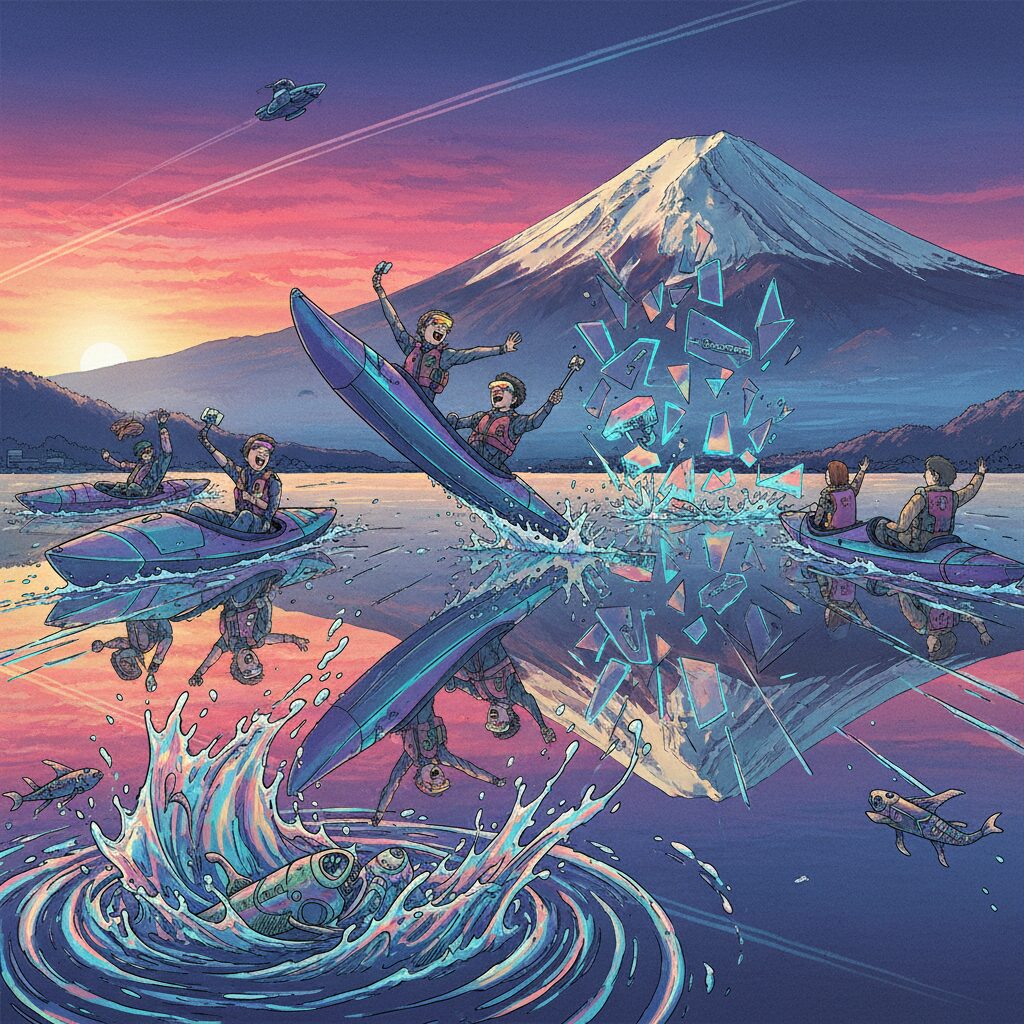
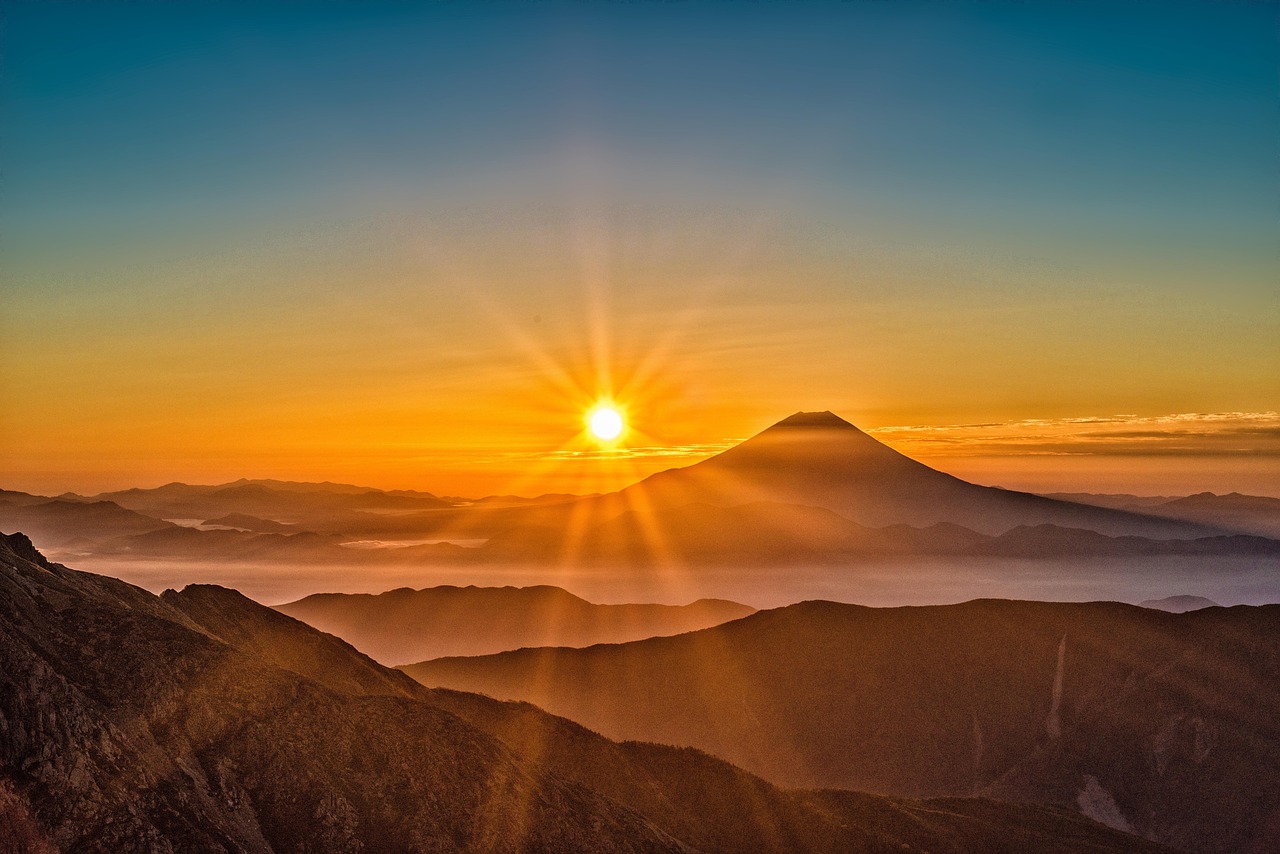
First things first, let’s talk atmosphere. The vibe at Lake Kawaguchiko is genuinely magical, no exaggeration. It shifts dramatically depending on the time of day you hit the water. If you drag yourself out of bed for a dawn paddle session, you’re in for a real treat. Early morning is when the magic reaches its peak. The air is still, carrying a clean, crisp scent of pine and fresh water. The lake’s surface often mirrors a perfect, undisturbed sheet of glass, creating what locals call ‘Sakasa Fuji’ or ‘Upside-Down Fuji.’ This is the ultimate shot, a reflection so flawless you could flip your photo and hardly notice the difference. There’s a profound silence, broken only by the gentle sound of your paddle slicing through the water and distant bird calls as they wake up. It feels sacred, like you’ve been let in on a secret the rest of the world is still asleep on. The rising sun paints the sky in soft hues of pink and orange, illuminating the snow on Fuji’s peak and making it glow. It’s a subtle spiritual experience that centers you, makes you feel small in the best way, and connects you to the raw power of nature. It’s just you and the mountain sharing a quiet moment.
As the day goes on, the energy shifts. The sun climbs higher, tour buses start rolling in, and the lakeside becomes lively with activity. The water gets a bit choppier as pleasure boats and swan-shaped pedalos join the scene. But even then, once you paddle a few hundred meters from shore, you can reclaim your own pocket of peace. The vibe becomes more festive, more communal. You’ll spot other kayakers, paddleboarders, and families out enjoying the day, all sharing in the collective awe of the view. The sun warms your skin, the mountain stands proud and majestic against a brilliant blue sky, and there’s a real feeling of joy in the air. It’s less meditative and more a lively celebration of being in one of the most beautiful places on Earth. You can paddle along the northern shore, where fields of seasonal flowers create a stunning foreground for your Fuji photos – pink shibazakura in spring, purple lavender in early summer, and the deep reds and golds of maple leaves in autumn. Each season dresses the lake in a different outfit, giving you a truly unique experience every time. So whether you’re after that solitary, zen-like connection or a more vibrant, sun-soaked adventure, Kawaguchiko offers it all. You just need to pick your time and paddle your way into the perfect mood.
Gearing Up: Your Guide to Hitting the Water
Alright, so you’re convinced by the vision. Now, let’s talk logistics. How do you go from lakeside dreamer to Fuji-paddling legend? It’s actually much easier than you might expect. The shores of Lake Kawaguchiko are sprinkled with rental shops, so you don’t need to bring any equipment with you. These places cater to tourists and beginners, so don’t worry if you’ve never held a paddle before. You’ll find everything from larger, resort-style rental operations to smaller, family-run shops offering a more personal experience. A quick search for ‘Kawaguchiko kayak rental’ will provide plenty of options. Most places rent by the hour, half-day, or full-day. For a solid experience, two to three hours is usually just right. It allows you enough time to get comfortable, explore a good portion of the lake without rushing, and capture all the photos you want.
When you arrive, the staff will equip you with the essentials: a kayak (usually single or tandem), a paddle, and a life vest. Safety is a priority, and they’ll give you a brief but thorough orientation before you launch. They’ll cover the basics of paddling forward, turning, and, most importantly, stopping. They’ll also point out any areas to watch out for, like ferry routes or fishing spots. Pay attention, as a little knowledge will help you feel confident on the water.
Now, what should you wear? This is crucial. Think layers and sun protection. Even on a cool day, the sun’s reflection off the water can be intense. In summer, choose lightweight, quick-drying clothes. A rash guard or athletic shirt, board shorts, and a hat are ideal. Don’t forget waterproof sunscreen. In spring and autumn, layering is key. A thermal base layer, fleece, and waterproof or windproof outer shell will help you adjust to changing temperatures. Mountain weather can shift quickly, so preparation is smart. For footwear, water shoes, sandals with straps, or old sneakers that can get wet work best. Leave your fresh shoes at your hotel. And don’t forget the essentials: water, sunglasses (polarized ones make a huge difference cutting glare), and a waterproof pouch or dry bag for your phone and keys. Once you’re all set and briefed, it’s time for the best part: pushing off from the shore and taking that first, exhilarating paddle stroke toward the heart of the lake.
The Main Character: Understanding Fuji-san

When you’re out there, drifting on the water, you quickly realize that Mount Fuji isn’t merely a backdrop—it’s the star of the entire scene. This mountain is more than a geological formation; it’s a profound cultural and spiritual symbol deeply embedded in Japan’s identity. In Shinto, Japan’s native religion, prominent natural features like mountains, rivers, and waterfalls are believed to be inhabited by ‘kami,’ or gods. Fuji-san is among the most powerful and revered of these kami. For centuries, it has been a sacred place, attracting pilgrims—monks, samurai, and villagers alike—who seek spiritual purification and enlightenment by ascending its slopes. So, when you’re paddling beneath its shadow, you’re not just in a beautiful setting; you’re immersed in a space charged with immense spiritual energy. You can feel its presence—both humbling and empowering—demanding quiet reverence.
This deep respect for Fuji has also made it an enduring muse for artists. You’re likely familiar with the iconic woodblock print ‘The Great Wave off Kanagawa’ by Katsushika Hokusai. Behind the tumultuous, mighty wave, Fuji stands tranquil and unshaken. Hokusai was captivated by the mountain, crafting an entire series called ‘Thirty-six Views of Mount Fuji,’ depicting it from various vantage points and through changing seasons. Paddling on Kawaguchiko gives you the chance to create your own series of views, witnessing how light and clouds continually transform its appearance. In the early morning, you might see ‘Aka Fuji’ or ‘Red Fuji,’ when the sunrise casts a fiery crimson glow on the peak. Throughout the day, its hue shifts from deep indigo to brilliant white, influenced by the sun’s angle and the atmosphere. Occasionally, it dons a ‘kasagumo,’ or hat-like cloud, atop its summit—a whimsical sight locals interpret as a sign of shifting weather. Being on a kayak lets you appreciate these subtle changes in a way a fixed viewpoint never can. You are in motion, the light moves around you, and the mountain seems to breathe and live in harmony with you. It’s an interactive art exhibition, and you have the prime seat.
Your Liquid Trail Map: Navigating the Lake
So here you are on the water, soaking up the vibe and basking in the awe-inspiring presence of Mount Fuji. Where to next? Think of the lake as your personal, liquid hiking trail. The most popular path, with good reason, is to paddle along the northern shoreline. This stretch offers the most direct, postcard-perfect, and strikingly unobstructed views of Mount Fuji. Launch from one of the rental shops near Kawaguchiko Ohashi Bridge and head east or west. If you choose west, you’ll paddle toward Oishi Park. In early summer, this area bursts with life, as vast fields of purple lavender create a fragrant, vibrant foreground for your Fuji photos. It’s a dazzling explosion of color and scent. In spring, the shoreline is adorned with delicate pink and white cherry blossoms, softly framing the majestic volcano in an ethereal glow. Come autumn, the scene transforms completely. The shore ignites with fiery reds, oranges, and yellows of the ‘koyo’ or autumn leaves. Paddling past this fiery display, with Fuji’s snow-capped peak in the distance, is a memory that will stay with you forever. It’s almost overwhelmingly beautiful.
For a fresh perspective, paddle toward the lake’s center and go directly under Kawaguchiko Ohashi Bridge. From water level, the bridge feels enormous—a modern architectural marvel framing the ancient mountain beyond with cool, geometric lines. It’s a unique viewpoint most tourists miss. If you’re seeking more adventure and solitude, explore the less-developed eastern side of the lake. Here, you’ll find quieter coves and reed-lined shores. Look out for the small, tree-covered Ubuyagasaki Peninsula, which hides a tiny shrine and has long been a favored viewpoint for artists capturing Fuji. Paddling into this secluded cove, it’s easy to imagine painters centuries ago setting up their easels right here. The secret is not to rush. Let yourself drift for a while. Turn your kayak so you’re facing Fuji, rest your paddle across your lap, and simply be. Let the gentle waves cradle you. This is the heart of the experience: not just seeing, but truly feeling. The journey isn’t about moving quickly from point A to point B; it’s about being fully present in one of the world’s most incredible landscapes.
Level Up: Beyond the Kayak Adventure

Your time on the water is the highlight of the day, but the adventure doesn’t have to end once you return your kayak. The Kawaguchiko area is packed with options to perfectly complete your day. First, you’ll be hungry—you’ve earned it. You absolutely must try the local specialty, ‘Hoto.’ Don’t call it udon, because the locals insist it’s in a class of its own. Hoto features wide, flat, and chewy noodles simmered in a rich, savory miso-based broth loaded with vegetables, especially ‘kabocha’ pumpkin, which melts into the soup and adds a comforting sweetness. Served piping hot in an iron pot, it’s the very definition of soul food. After hours of paddling in the cool mountain air, a steaming bowl of Hoto feels like a warm hug from the inside out. With Hoto restaurants all around the lake, you won’t have to search far to find this delicious and restorative meal.
Next, pamper your muscles with some classic Japanese relaxation by visiting an ‘onsen,’ or natural hot spring. The Fuji Five Lakes region is volcanic, making it rich in geothermal hot springs. Many hotels and day-spas offer access to their onsen baths for a fee. The ultimate experience is finding an onsen with a ‘rotenburo,’ an outdoor bath, that overlooks Mount Fuji. Soaking in the mineral-rich, therapeutic waters while gazing at the majestic peak you were just paddling beneath is a quintessential Japan moment. It’s the perfect way to relax, ease tired muscles, and fully absorb the breathtaking scenery. Pure bliss.
If you’re still after stunning views, there are a couple of spots you shouldn’t miss. For that iconic, postcard-perfect shot, visit the Chureito Pagoda at Arakurayama Sengen Park. While it involves climbing some steps, the reward is incredible: a five-storied red pagoda perfectly framed by Mount Fuji in the background. If you’re there during cherry blossom season, it’s almost incomparably scenic. For a different perspective, take the Mount Fuji Panoramic Ropeway. This ride lifts you up the side of a smaller mountain on the lake’s eastern shore, offering a breathtaking panoramic view of the entire lake with Fuji-san majestically overseeing it all. Seeing the lake from above after paddling on it gives you a whole new appreciation for its size and beauty. Combining the on-the-water experience with these elevated views provides the complete 360-degree Kawaguchiko experience.
Pro Tips from a Pro
Alright, listen up. Here are some insider tips to make your kayaking adventure completely smooth and next-level amazing. The most crucial one? Go early. I mean, be the first person at the rental shop the moment it opens. The morning hours, from sunrise to around 9 or 10 a.m., are prime time. The water is calmer, the light softer and more beautiful for photos, and the crowds are virtually nonexistent. Most importantly, your chances of seeing Fuji clearly are much higher. The mountain is famously shy and tends to attract clouds as the day warms up, especially during the humid summer months. Starting early gives you the best chance of catching that crisp, clear, unobstructed view.
On that note, you need to be a weather-watcher. Check the forecast obsessively in the days before your trip. But don’t just check the general weather—look for a live webcam of Lake Kawaguchiko. This is the ultimate tool since it shows real-time visibility of Fuji-san. If the webcam reveals the mountain completely hidden in clouds, you may want to adjust your plans. It’s better to stay flexible than to be disappointed. That said, even on a cloudy day, kayaking on the lake is a beautiful and peaceful experience, so don’t dismiss it just because the mountain is concealed.
Regarding your gear, be smart. A waterproof phone case you can wear around your neck is essential. You’ll want to take tons of photos, and the last thing you want is your phone taking a swim. A small dry bag is also great for keeping keys, a wallet, and a snack safe and dry. Don’t underestimate the sun—the altitude combined with reflection off the water means you can get sunburned quickly, even on a cool day. A hat, sunglasses, and high-SPF sunscreen are your best defense. Lastly, manage your expectations and savor the moment. You’re out in nature, and nature has its own plans. Whether Fuji is fully visible or playing peek-a-boo behind clouds, gliding across that stunning lake is special. Don’t get so fixated on capturing the ‘perfect shot’ that you forget to put your phone down and simply take it all in. Stay present, and you’ll have an unforgettable experience, guaranteed.
The Final Glide Home
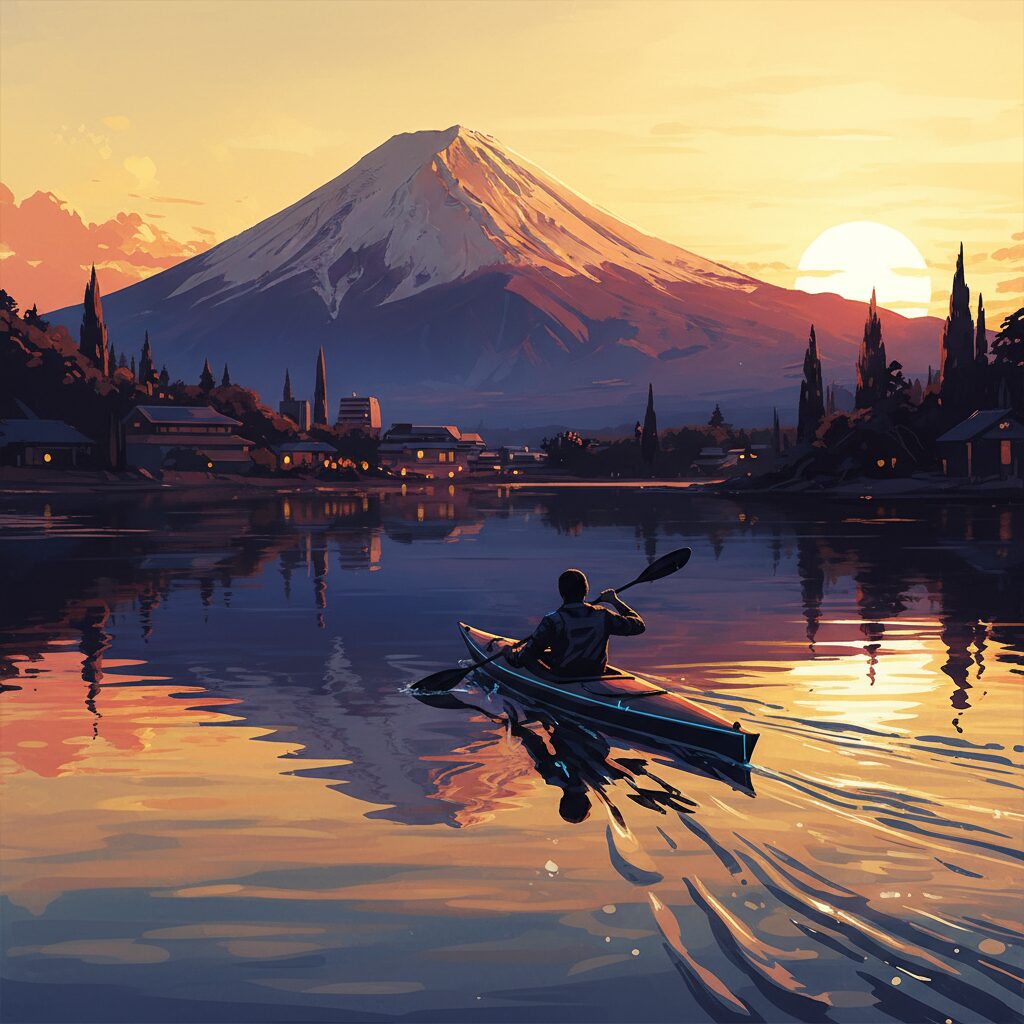
As you paddle back to shore, tired yet completely blissful, you’ll carry with you more than just memories and a camera full of stunning photos. A unique peace arises from syncing your own rhythm with the flow of the water. The steady, repetitive motion of paddling turns into a meditation, quieting the noise in your mind and anchoring you fully in the present moment. The immense presence of Mount Fuji puts your worries into perspective. Out there on the vast, open water, beneath the watchful gaze of that ancient volcano, you experience a profound connection to something much greater than yourself. It’s humbling, centering, and deeply refreshing.
Lake Kawaguchiko offers more than a beautiful view; it provides an experience. It’s an opportunity to engage with Japan’s most iconic landscape in an active, personal, and unforgettable way. It’s about the burn in your shoulders, the cool spray on your face, and the quiet awe that envelops you as you glide silently. This isn’t just something to see; it’s something to do, feel, and become part of. So if you’re planning a trip to Japan, make this experience a priority. Rent a kayak, get on the water, and have a conversation with the mountain. It’s a story you’ll share for years and a vibe you’ll never forget. Peace out, and happy paddling!