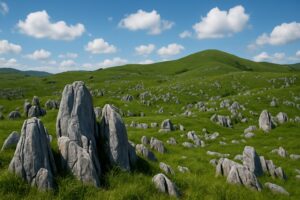
What’s up, my globe-trotting soulmates! Sofia here, dropping in from a corner of Japan so ridiculously epic, so otherworldly, it feels like I’ve teleported to another planet. Forget what you think you know about Japan for a sec. We’re not talking neon-drenched Tokyo streets or serene Kyoto temples today. We’re going off-grid, deep into Yamaguchi Prefecture, to a place that’s been cooking for 300 million years. I’m talking about Akiyoshidai, Japan’s biggest and baddest karst plateau, a sprawling sea of rolling green hills dotted with limestone rocks that look like a flock of sleeping sheep. It’s a landscape that hits different, a wide-open space that lets your soul breathe. But hold up, because the real plot twist is what lies beneath. Hidden under this majestic plateau is Akiyoshido, a colossal subterranean world, a limestone cave so vast and jaw-dropping it’s basically Japan’s best-kept secret. This isn’t just a sightseeing spot; it’s a full-blown adventure duo—a sun-drenched trek across an ancient coral reef followed by a descent into the planet’s mysterious heart. It’s the kind of place that recharges your creative batteries and gives your camera roll a serious glow-up. So, if you’re ready for a journey that’s equal parts stunning nature and geological glam, you’ve come to the right place. Let’s get into it.
The Vibe Check: Welcome to Planet Akiyoshidai

The moment you arrive at Akiyoshidai, the atmosphere changes instantly. You step outside, and suddenly, this vast, panoramic view overwhelms you. It’s an endless stretch of emerald green in spring and summer, with rolling hills dotted by thousands of stark white limestone outcrops. The quiet is profound, but in a powerful way. You can hear the wind whispering through the tall pampas grass, which transforms the entire plateau into a shimmering golden field in autumn. There’s no cityscape or noise pollution—just raw, prehistoric beauty. It feels both ancient and futuristic simultaneously. The air is crisp and clean, and the sky feels incredibly vast. You’re not merely observing a landscape; you’re standing within it, a tiny figure amid a grand natural masterpiece. Each season reveals a completely different aesthetic. Spring brings fresh, vibrant greens as new life emerges from the earth. Summer intensifies the colors, forming a lush, deep emerald carpet beneath the hot sun. Autumn, for me, is the peak visual delight—the golden-brown susuki grass catching the low sunlight is simply magical. Then comes winter, when the scene turns stark and dramatic, occasionally dusted with snow, creating a monochrome wonderland. And here’s something fascinating: in February, the Yamayaki festival takes place, where the dead grass on the hills is literally set ablaze. It’s a wild, fiery spectacle under the night sky, a tradition to maintain the grasslands and prevent forest encroachment. Now that’s an intense seasonal transformation!
Above Ground Glory: Trekking the Karst Kingdom
Alright, let’s dive into the main attraction: trekking. Exploring Akiyoshidai on foot is an absolute must. This is your opportunity to intimately experience the unique geology up close. The trails here aren’t your typical forest paths. You’ll navigate a maze of limestone pillars, descend into shallow valleys, and ascend gentle slopes with panoramic 360-degree views unfolding around you. It’s a photographer’s paradise, with endless patterns of light and shadow dancing across the textured landscape. You’ll feel like the hero in a fantasy film, embarking on a quest through a forgotten realm.
Choosing Your Quest: Trail Guide for Every Mood
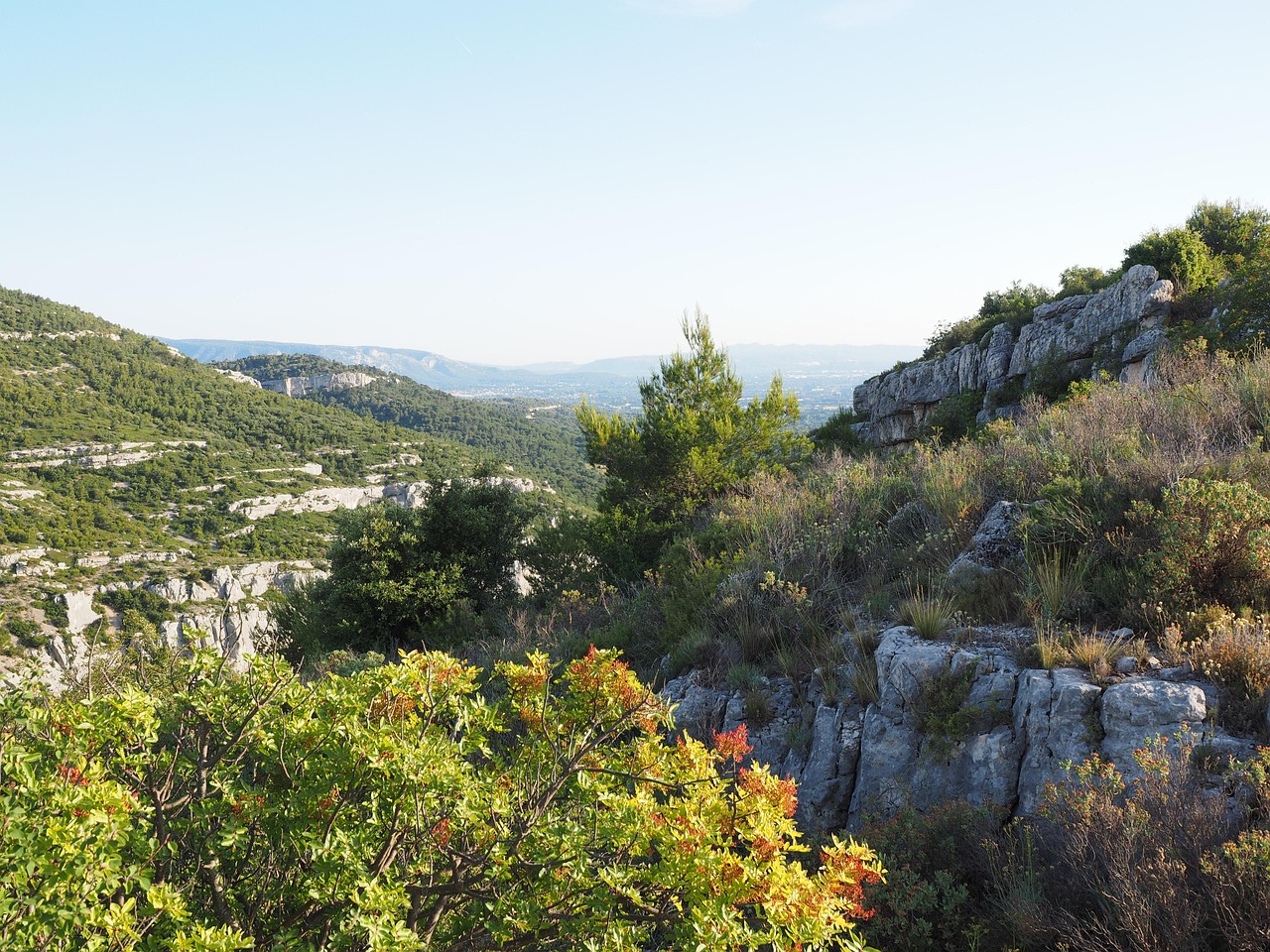
Whether you want a brief, leisurely stroll or a more immersive hike, Akiyoshidai offers a trail for everyone. The central starting point is the Akiyoshidai Karst Observatory, from which multiple trails extend. For a quick experience, you can take the loop around the observatory. It’s paved, easy, and offers some of the most iconic views of the plateau without requiring a lengthy trek. You’ll capture stunning shots of the limestone fields stretching toward the horizon. For those ready to delve deeper, longer trails wind through the core of the plateau. These routes take a few hours and lead you away from the crowds, into places where it’s just you, the wind, and ancient rocks. You’ll come across massive dolines—bowl-shaped depressions formed by collapsed underground caves. They resemble giant craters, highlighting the hidden world beneath your feet. The deeper you go, the more the landscape unfolds, revealing secret groves and unique rock formations around every corner.
Gearing Up: What to Pack for the Plateau
Listen up, because a little preparation goes a long way toward making your trek a success. First and foremost: footwear. Leave the heels at home. A sturdy pair of sneakers or walking shoes is essential. The terrain is uneven, and you’ll be covering a lot of ground. The plateau’s weather can be misleading; with almost no shade, the sun can be intense. Sunscreen is a must, along with a stylish hat and sunglasses. The wind can also pick up quickly, so layering is a smart move. Even on warm days, carrying a light jacket is wise. Staying hydrated is critical, so bring a water bottle. And needless to say, make sure your phone and camera batteries are fully charged. The photo opportunities are constant, and you don’t want to miss a single moment. Being a savvy explorer means staying comfortable, prepared, and ready to capture the magic.
The Plunge: Descending into Akiyoshido’s Underworld
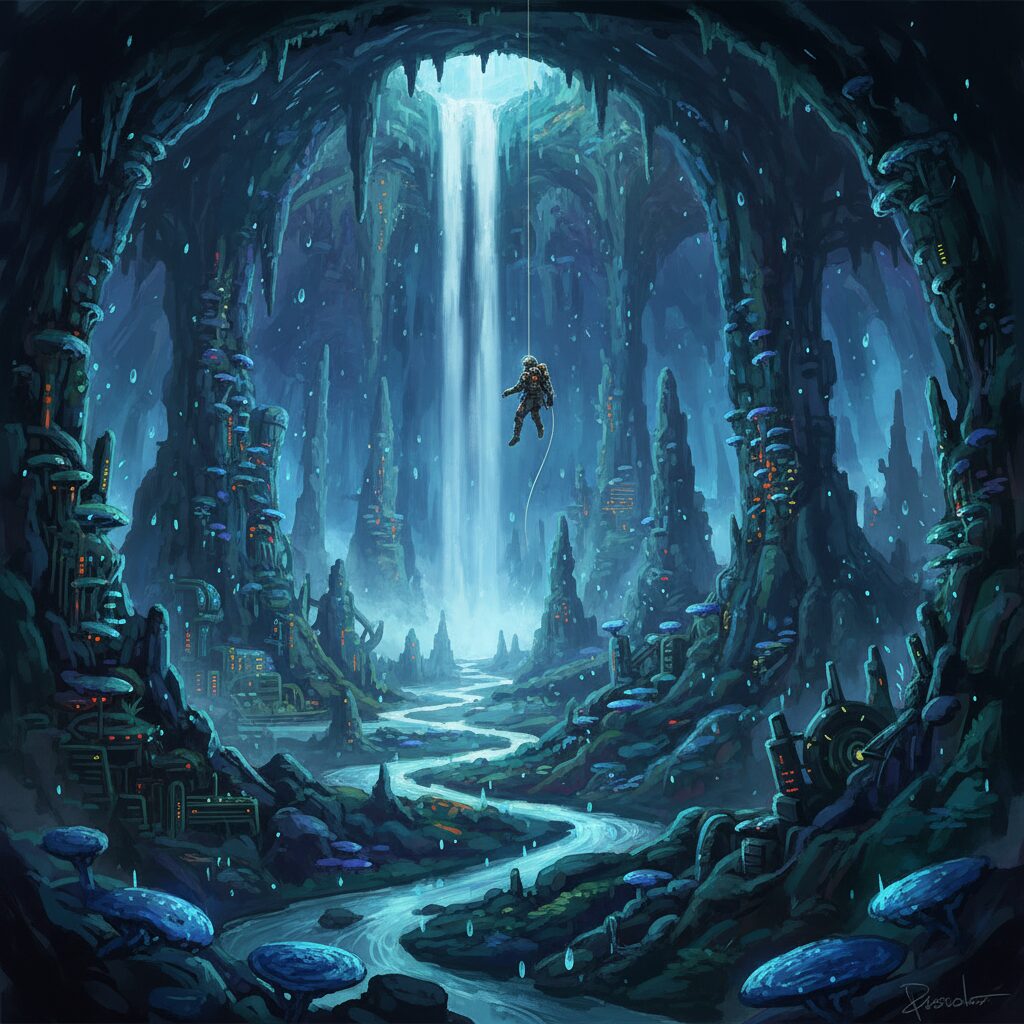
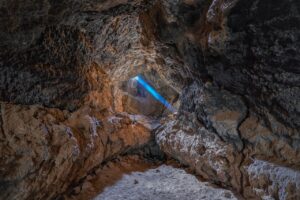
After soaking up all that sunshine and open sky, it’s time for the ultimate contrast. Prepare to descend into the cool, dark, and mysterious realm of Akiyoshido Cave. The main entrance lies nestled in a valley just below the plateau, and the approach itself is striking. You pass through a lively area filled with souvenir shops and restaurants, then suddenly, you are confronted by a vast chasm in the cliffside, where a waterfall cascades down and a river flows out from the darkness. As you step toward the entrance, a blast of cool, moist air greets you. The cave maintains a steady temperature of 17°C (62°F) year-round, providing a refreshing escape from summer heat and a surprisingly mild retreat in winter. Descending the ramp into the cave’s mouth, daylight fades behind you, and your eyes adjust to a world lit by carefully positioned lights. The enormous cavern that unfolds before you is awe-inspiring. This is no tiny grotto; it’s a subterranean cathedral sculpted by water over hundreds of thousands of years.
A Subterranean Symphony of Stone
The main walking path through Akiyoshido stretches about a kilometer and is impeccably maintained with bridges and paved walkways, making it very accessible. But don’t let the ease of access fool you; the sights are absolutely breathtaking. You stroll alongside an underground river with stunning turquoise-blue water, its sound echoing through the vast chambers. Every turn reveals another astonishing rock formation. The local community has given these formations beautiful, poetic names that ignite your imagination. One of the first showstoppers you’ll come across is the Hyakumaizara, or “One Hundred Plates.” This massive terrace of limestone pools resembles a giant’s collection of cascading, shimmering rice paddies. The way water trickles down the terraced edges is mesmerizing. Deeper inside, you’ll be halted by the Koganebashira, or “Golden Pillar.” This enormous stalagmite, towering over 15 meters, glimmers as if crafted from precious metal. Its sheer size and presence are humbling. Another favorite spot is the Aogatenjo, or “Blue Ceiling.” Here, the cave’s ceiling is bathed in blue light, creating a surreal, dreamlike atmosphere, as if you’re exploring the ocean’s depths.
The Adventure Course: Level Up Your Caving Game
For thrill-seekers craving extra excitement, Akiyoshido offers a secret level. About halfway along the main path, there’s a small side entrance to the “Adventure Course.” For a small additional fee, you receive a flashlight and venture off the paved path. This is where the real fun begins. You’ll climb slippery metal ladders, duck under low-hanging rocks, and squeeze through narrow passages, guided only by your beam of light. It’s not overly difficult but offers a taste of authentic spelunking and a completely different perspective of the cave. You get to examine smaller, more intricate formations up close and experience a genuine sense of discovery. Though a short detour, it’s absolutely worth it for the bragging rights and adrenaline rush. It’s like having a VIP pass to the cave’s hidden corridors.
More Than Just Rocks: The Deeper Story
One of the things that makes Akiyoshidai so remarkable is its story, which is quite literally written in stone. This entire landscape serves as a geological time capsule. That karst plateau you were trekking across began over 300 million years ago as a coral reef in a warm, tropical sea. Over countless eons, tectonic movements lifted it from the ocean, and millennia of slightly acidic rainfall gradually dissolved the limestone, forming the caves below and creating the sinkholes and pillars on the surface. So when you’re walking there, you are literally strolling over an ancient, fossilized reef. How amazing is that? The whole area is a Quasi-National Park, protected for its unique ecosystem and geological significance. The annual Yamayaki fire festival is more than just a spectacle; it is a crucial conservation practice. Without this controlled burn, trees and shrubs would quickly dominate, causing the rare plant species that flourish in the open grassland to vanish. This tradition reflects a deep, enduring bond between the people and the land, a partnership dedicated to preserving this one-of-a-kind environment.
The Practical Slay: How to Get There & Plan Your Trip

Alright, let’s dive into the logistics, because reaching a remote paradise like this takes some planning. But trust me, it’s absolutely worth the effort. Akiyoshidai isn’t somewhere you just happen upon; it’s a true destination.
Access & Logistics: The Essentials
For most international travelers, the easiest way here is by Shinkansen (bullet train). Your goal is Shin-Yamaguchi Station. From there, catch a local bus—look for the Bocho Bus heading to Akiyoshido. The trip takes around 40 to 45 minutes and drops you right at the cave’s main entrance. A quick tip: rural buses in Japan aren’t like Tokyo subways; they don’t run every few minutes. Be sure to check the bus schedule online ahead of time to plan your return trip. The top move, though, is renting a car. This lets you explore at your own pace—not just Akiyoshidai but also the nearby Yamaguchi region, full of hidden treasures. Having a car means you can catch the perfect golden hour light on the plateau without rushing back for the last bus.
Ticketing & Timing: Insider Tips
At the Akiyoshido bus stop, you’ll find the ticket office for the cave. It’s a simple process. An adult ticket grants access to the main 1km course. Keep in mind, the cave has three entrances/exits: the main Akiyoshido Entrance, the Kurotani Entrance, and an elevator that goes directly up to the plateau observatory. Your ticket allows one re-entry, which is super convenient. You can walk through the cave from the main entrance to Kurotani, explore there, and then return through the cave. Alternatively, take the elevator up to the plateau for your hike, then come back down through the cave later. Plan on spending at least four to five hours here to fully appreciate the experience. You’ll want about an hour and a half for the cave (longer if you try the adventure course) plus two to three hours trekking and enjoying the plateau views. Rushing this would be a disservice to the stunning scenery.
Where to Refuel: Local Eats & Delights
All that exploring will work up an appetite. Around the Akiyoshido entrance, you’ll find small restaurants and souvenir shops offering classic Japanese dishes like ramen, udon, and curry. It’s a great spot for a satisfying, no-fuss lunch. But the real must-try is the local specialty soft-serve ice cream. Keep an eye out for natsumikan flavor, a type of Japanese summer orange native to this region. It’s the perfect balance of sweet and tangy and makes for an adorable photo. Another local delicacy to try is anything made with gobō (burdock root), which is well-known here as well. It’s all part of the authentic experience!
Beyond the Karst: Exploring the Neighborhood
If you have the time (especially if you rented a car), the area around Akiyoshidai is an absolute treasure trove. Don’t just visit the main sights and move on. Make it a true Yamaguchi adventure.
Kagekiyodo Cave & Taishodo Cave
For dedicated cave enthusiasts, Akiyoshido is only the beginning. The Akiyoshidai region boasts over 400 caves, with two others accessible to the public. Kagekiyodo Cave is famous for its dramatic history, named after a defeated samurai who supposedly hid there. Taishodo Cave is a multi-level cavern that feels much more raw and undeveloped. Exploring these smaller, less crowded caves offers a genuine off-the-beaten-path experience, providing a striking contrast to the grand, well-lit halls of Akiyoshido.
Hagi: A Samurai Town Atmosphere
Just about an hour’s drive from Akiyoshidai lies the town of Hagi, which is absolutely worth a visit. This beautifully preserved former castle town transports you straight back to the Edo period. You can stroll through immaculate samurai districts with white-walled residences, explore old kiln sites famous for Hagi-yaki pottery (an ideal, stylish souvenir), and walk along the coast where the old town walls meet the sea. Hagi has an incredibly relaxed, artsy vibe, making it the perfect cultural complement to the natural beauty of the karst plateau.
Motonosumi Shrine: That Viral Instagram Spot
You’ve probably seen this one on Instagram. Motonosumi Shrine is the spectacular spot featuring 123 vibrant red torii gates that wind down a seaside cliff toward the crashing waves of the Sea of Japan. It’s every bit as stunning in person as it is in photos. The striking contrast of the red gates, green cliffs, and deep blue ocean is breathtaking. While it’s a bit of a drive to reach, it’s one of the most unique and photogenic shrines in all of Japan—a definite must-see if you’re in the area.
Final Thoughts: Don’t Just See It, Feel It

A visit to Akiyoshidai and Akiyoshido is more than simply checking off a tourist destination. It’s an experience that connects you with the profound, slow passage of time on our planet. It’s about the sense of freedom on the expansive plateau, the warmth of the sun on your skin, and the breeze in your hair. It’s also about the awe and mystery you feel as you descend into the earth’s depths, into a quiet, sparkling world that existed long before us and will remain long after. This place embodies duality—light and dark, the world above and the world below. It reminds you that some of the world’s most beautiful wonders lie hidden just beyond sight, waiting to be uncovered. So, if you’re seeking a truly unique adventure that will enrich both your camera roll and your spirit, be sure to add Akiyoshidai to your list. It is a journey into the heart of Japan’s wild, natural beauty.
See you on the next adventure! Peace, love, and breathtaking views, Sofia